

Iran has changed tactics against commercial shipping in the Strait of Hormuz, two senior Iranian officials told Reuters, as a container ship sank near the waterway and a series of attacks threatened to disrupt the recovery of Persian Gulf oil exports.
The officials told Reuters that Tehran had changed the methods and frequency of its attacks to prevent Washington from lowering oil prices before November’s congressional elections.

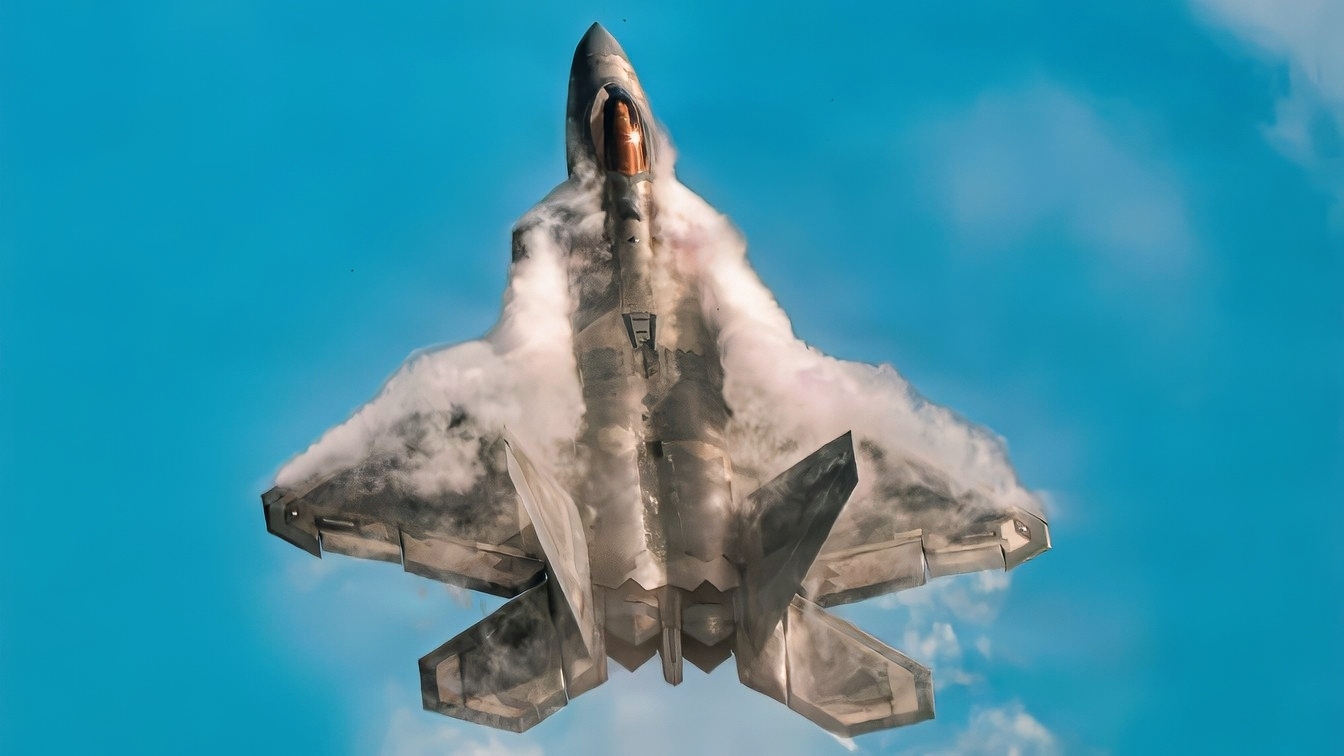
Majors Michael Shower and Evan Dertien, F/A-22 Raptor pilots, and Captains Thomas Borrego and Eric Nyman, F-15 Eagle pilots, prepare for a flyover during the Air Combat Command Tattoo ceremonies held at Langley Air Force Base, Virginia September 8th and 9th, 2005. Langley’s new Raptor had a major role in this modern day version of a traditional retreat ceremony. Integrated into its music, drill, and ceremony are aircraft flyovers, fireworks, and dialogue that traces the Virginia Peninsula’s long and historic relationship with America’s armed forces. (USAF Photo by TSgt Ben Bloker)
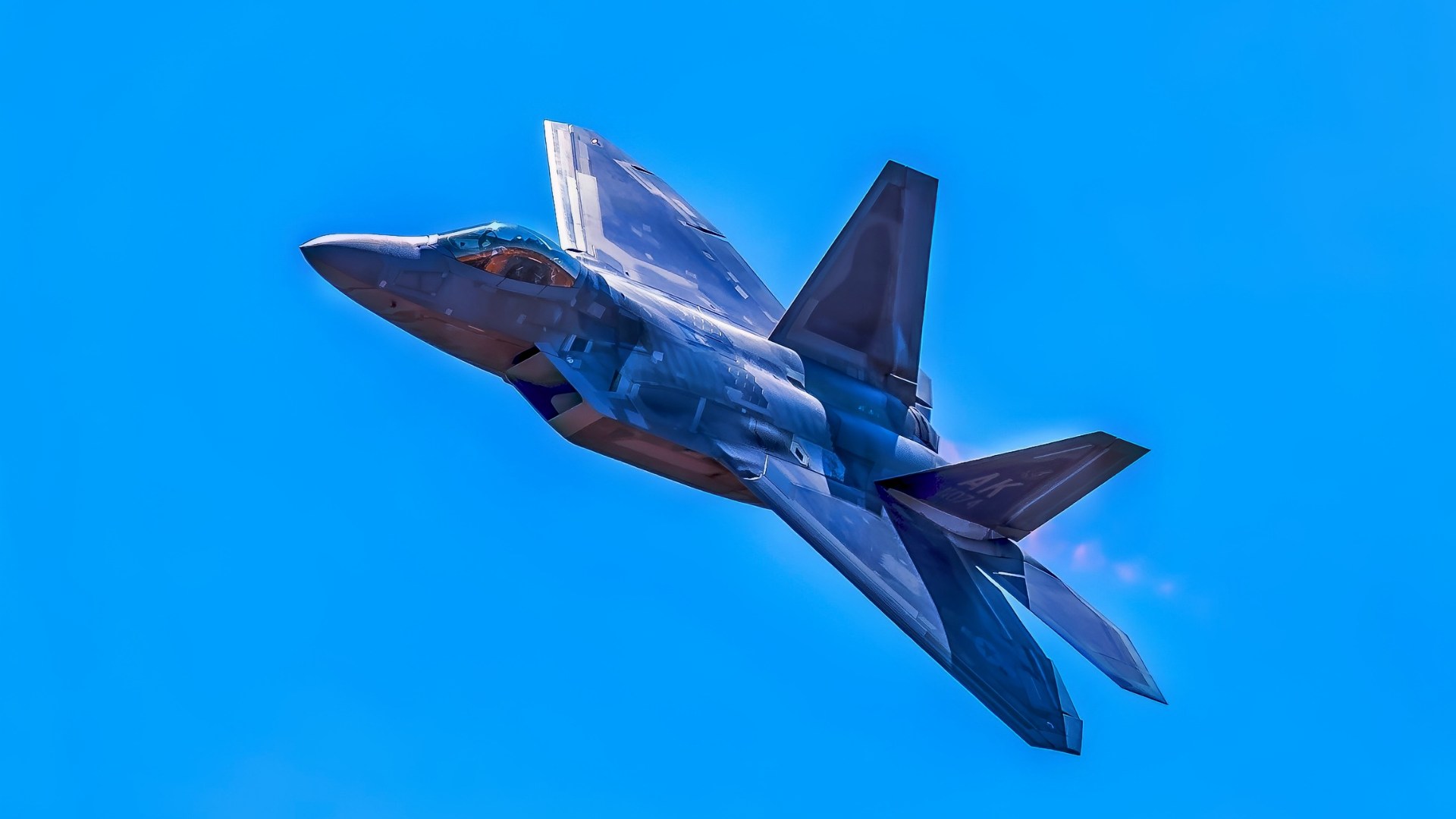
F-22 Raptor Super. Image Credit: U.S. Air Force.
One described the contest as “a game of chess.”
The U.S. Navy-led Joint Maritime Information Center assessed the threat to shipping as “severe,” reporting “targeted surveillance of merchant shipping.”
Container Ship Sinks as Tankers Turn Back
The Singapore-flagged GFS Pride sank near Hormuz after being hit by a projectile, Reuters reported Wednesday, citing maritime security sources and a Pakistani navigational warning.
The warning described the vessel as “reported sunk with floating containers.”
Iran’s Revolutionary Guards separately claimed that a commercial vessel sank after hitting a naval mine. That account has not been independently established as the cause of the GFS Pride’s sinking.
Another vessel, the Cape Dao, which was attacked on September 23, was “reported to be sinking after an unsuccessful rescue attempt,” British shipping risk firm Vanguard said.
The UK Maritime Trade Operations agency has recorded a series of projectile attacks on tankers and other commercial vessels around the waterway, with several incidents reported from October 11 onward.
Bloomberg claims that over a dozen supertankers and numerous Suezmax-class vessels reversed course while approaching the Emirati port of Fujairah, just outside the Strait of Hormuz.
Gulf Exports Still Under Threat
Such transfers have hugely aided the rebound in Gulf oil deliveries. Smaller shuttle tankers pass through the Strait of Hormuz.
Cargoes are later transferred onto vessels waiting beyond the waterway.
At an industry conference on October 6, Shell CEO Wael Sawan said that Middle Eastern oil flows had recovered to around 80% of prewar levels.
Vitol CEO Russell Hardy estimated that the region was exporting about 12 million barrels of crude oil and 2 million barrels of refined products each day.
“Without it, you do have that $200 per barrel scenario, so it’s pretty important that it continues,” he warned.
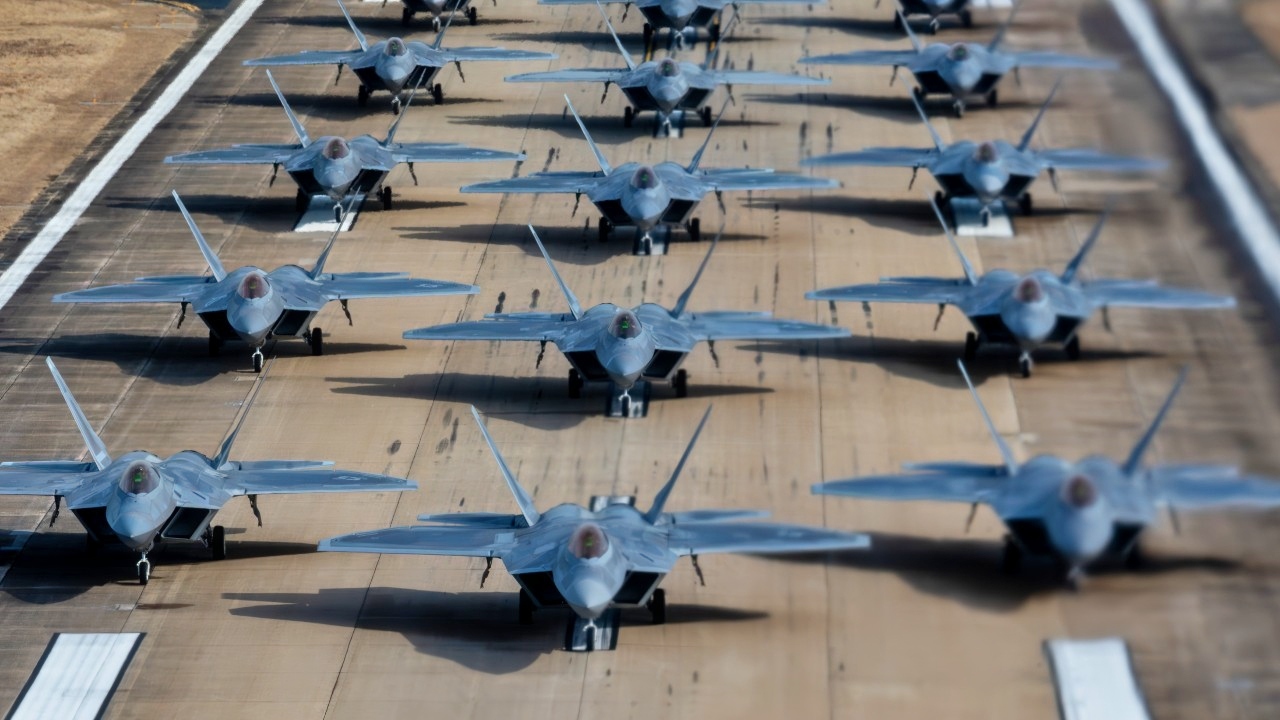
Aircraft from the 1st Fighter Wing conducted an Elephant Walk at Langley Air Force Base, Jan. 31, 2025, showcasing the wing’s readiness and operational agility. This demonstration highlighted the wing’s capability to mobilize forces rapidly in high-stress scenarios. The wing’s fleet includes F-22 Raptors and T-38 Talons. As Air Combat Command’s lead wing, the 1 FW maintains unparalleled combat readiness to ensure national defense at a moment’s notice. (U.S. Air Force photo by SrA Ian Sullens)
But Kpler analysts reported that crude oil crossing Hormuz had fallen to at least 10.1 million barrels per day in their October 6 assessment.
“That is back to its September average, but 74 percent of its prewar level,” analysts Emmanuel Belostrino and Yui Torikata wrote.
Exports through alternative routes to the Red Sea and Gulf of Oman have helped offset some disruption.
Bloomberg found no clear evidence of a major drop in oil loading at major Gulf export terminals. Saudi loading activity had slightly eased after a peak in late September.
Iran’s own exports remain heavily restricted. Vortexa data shared by Reuters showed Iranian seaborne crude exports fell to zero by early October.
Houthi Attacks Hit Prices
Hits to Saudi infrastructure added to oil market concerns after the Iran-backed Houthi terror group targeted Aramco’s headquarters in Dhahran on Tuesday.
The Saudi Energy Ministry claimed that the attack caused a “limited fire” at an administrative facility. No casualties were reported. Reuters has reported that the damage may be more extensive than the government’s official claims.
The attack comes on the back of several Houthi strikes against Saudi Arabia, including on its global air hub, Riyadh – which left 13 people dead and hundreds injured.
“Attacks on ships crossing the Strait of Hormuz and military strikes between Saudi Arabia and the Houthis are supporting prices,” UBS analyst Giovanni Staunovo told Reuters, citing concerns about regional oil exports.
Brent Futures Still High
Brent crude futures reached $106.60 a barrel at 11:10 a.m. GMT Wednesday, up 0.9%.
At an energy conference in Riyadh on Tuesday, Bahri CEO Ahmed Ali Alsubaey insisted that shipping would continue despite the growing risks.
The International Maritime Organization has continued to warn over the risks facing commercial crews in the region.
Secretary-General Arsenio Dominguez noted over the summer that: “No seafarer should have to risk their life simply for doing their job.”
But for exporters in the Gulf, these risks remain real.
About the Author: Georgia Gilholy
Georgia Gilholy is a journalist based in the United Kingdom who has been published in Newsweek, The Times of Israel, and the Spectator. Gilholy writes about international politics, culture, and education.


