


On the night of October 14, Ukraine carried out another large-scale drone attack against Moscow.
According to preliminary reports, Ukraine used nearly 500 strike drones against Russia.
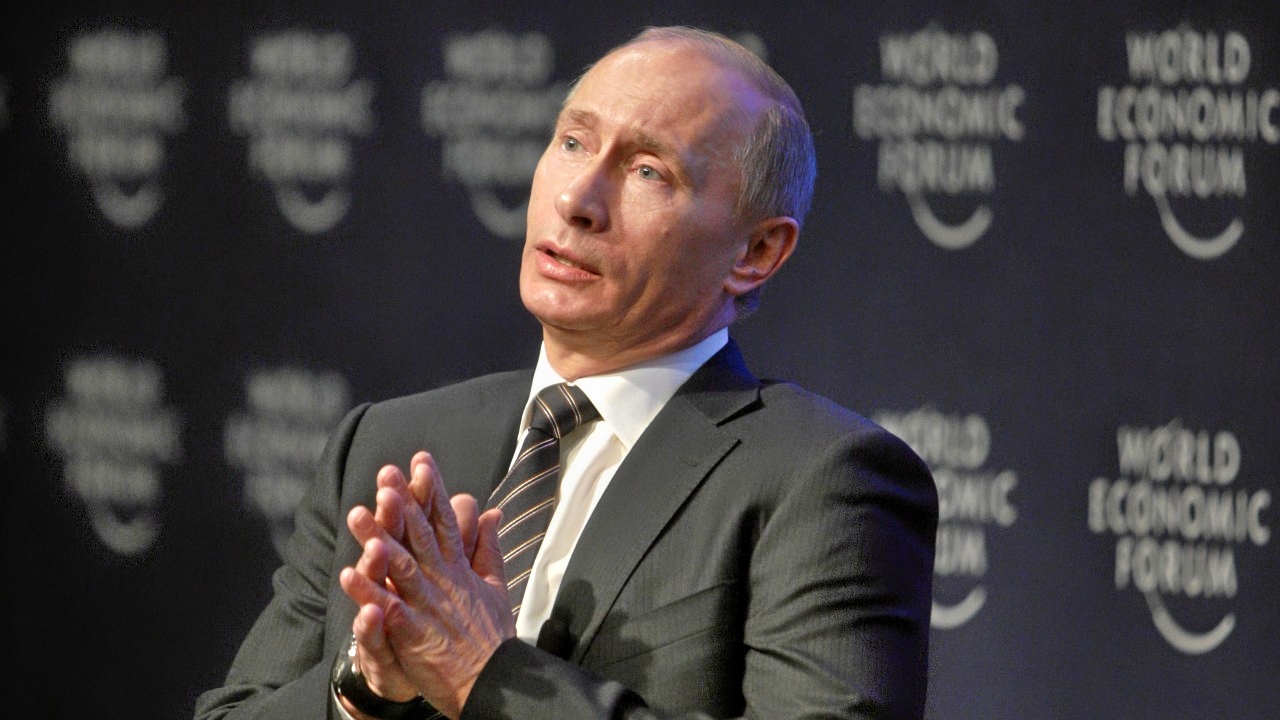
Putin Back in 2009. Image Credit: Creative Commons.
The attacks targeted industrial facilities and data centers across the country, but the total number of impacts has not yet been confirmed.
The attacks come as Russia continues striking energy infrastructure around Ukraine as part of its annual campaign to turn off the country’s energy grid for the winter.
President Zelenskyy claimed that a Russian missile attack against Ukraine damaged 26 different energy facilities along with four oil/gas facilities.
Recently, however, Ukraine’s attacks against Russian oil infrastructure have drawn criticism from President Trump, as he tries to stabilize the global energy market.
Another Large Attack Against Moscow
On October 14, Moscow’s mayor, Sergey Sobyanin, announced that 493 Ukrainian UAVs were detected flying towards the Moscow region.
He claimed air defenses neutralized most in other regions and intercepted another 180 drones as they approached the region.
The city’s four major airports, Sheremetyevo, Domodedovo, Vnukovo, and Zhukovsky, suspended operations overnight because of the UAV threat.
The Russian Ministry of Defense claimed to have intercepted 902 Ukrainian UAVs over its territory during the night.
In Saratov Oblast, the regional Governor, Roman Bursargin, claimed that one person was killed during the attack. Currently, there are no reports of casualties in any other regions in Russia.
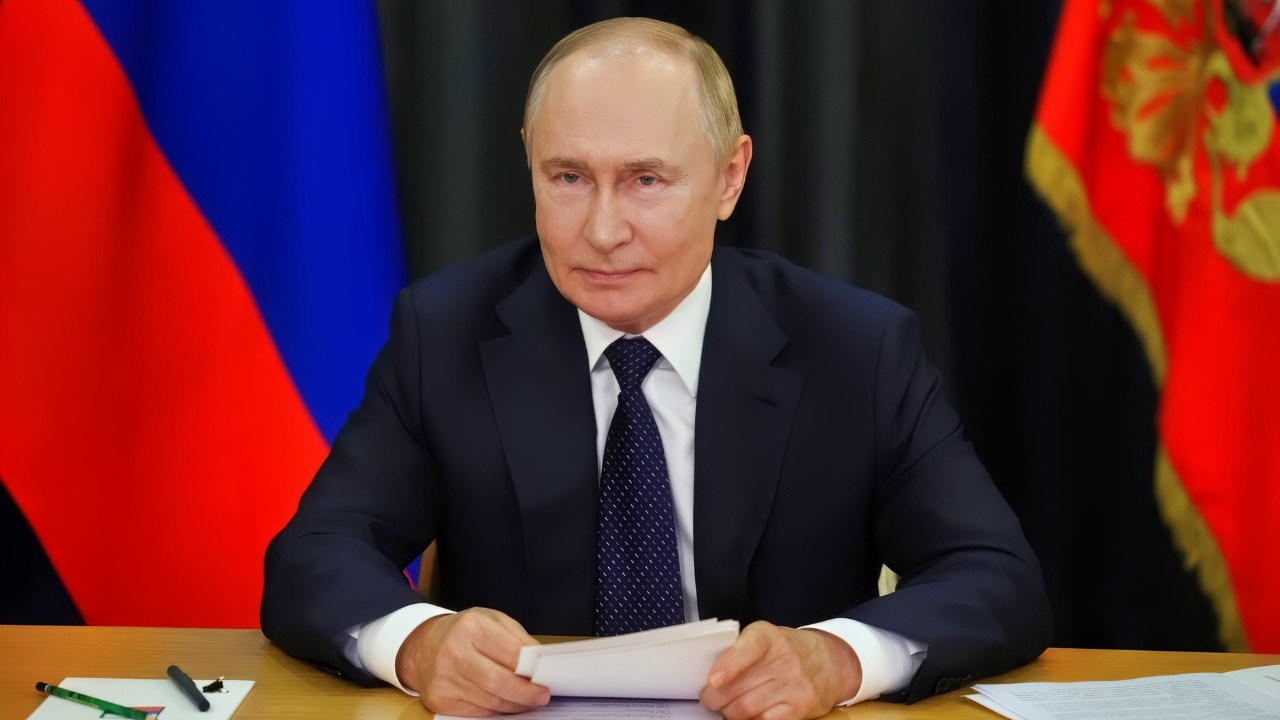
Putin in August 2025. Image Credit: Creative Commons.
According to Russian OSINT channels, people heard explosions in the city of Balakovo in Saratov Oblast.
Several buildings near the Balakovo combined heat and power plant were damaged, likely among last night’s targets.
People also heard explosions near the city’s industrial zone, which houses a metallurgical plant and a data center belonging to Sberbank, one of Russia’s largest banks.
Footage taken after the attack showed the data center, still under construction, had been struck.
It remains unclear whether any part of the large data center was operational at the time of the attack.
The attack follows previous hits on data centers in Russia, including several belonging to the company Yandex.
Ukrainian OSINT channels also suspect that the Balakovo Metallurgical Plant, MZ Balakovo, may have been struck as well, though it is unclear how much damage the plant sustained.
Reeling From Ukrainian Attacks
Meanwhile, the NZNP oil terminal in Rostov-on-Don burned for its fourth consecutive day following a Ukrainian drone attack against the facility on October 10.
According to OSINT analysis, around eight of the facility’s 12 storage tanks have been damaged after several drone attacks.
The terminal reportedly handles and transports fuel for export and for the Russian military.
Typically, the facility handles around 2.5 million to 3.5 million tons of petroleum products per year.
Interestingly, oil facilities in Russia were spared from attacks for the third night in a row following President Trump’s calls for an energy ceasefire for both sides. “Ukraine has not carried out strikes on Russian oil refineries or the energy sector in general for the two days since the American President announced an energy ceasefire,” Zelenskyy wrote on social media. “But Russia did not heed the American President.”
In the midst of its own long-range attack, the Russians launched another combined drone/missile attack against Ukraine, targeting energy and fuel infrastructure.
“Unfortunately, at least 600,000 people are now without power,” Zelenskyy wrote. “Outages could become even more widespread. Unfortunately, there is significant damage to facilities and equipment – at 26 facilities of our power system and four facilities in the oil and gas sector.” The attack utilized roughly 40 missiles and 120 attack drones.
Zelenskyy and other sources reported that Ukrainian radars detected most missiles only after they had already crossed into Ukrainian airspace.
According to OSINT reports, 24 of the 40 missiles in last night’s attacks were Zircon hypersonic missiles, which may explain why Ukraine/Western satellites had difficulty detecting them, though this has not been confirmed.
Drama With the U.S.
The Russian missile attacks came after President Trump announced an energy ceasefire between Russia and Ukraine, a deal that neither side was made aware of.
Since the announcement, Russia has launched several missile attacks against Ukraine’s energy infrastructure.
In last night’s attack, Russian missiles struck power plants in the Kyiv and Kharkiv Oblasts, along with electrical substations and a locomotive depot.
Likewise, Ukraine targeted and likely hit the Balakovo combined heat and power plant.
Despite Trump’s attempts to implement an energy ceasefire, the President’s pleas appear to have fallen on deaf ears.
At the same time, tensions between Trump and Zelenskyy have flared up recently as the U.S. seeks to import Russian diesel fuel from Moscow.
The decision follows the American President blaming Ukrainian strikes against Russian oil refineries for rising oil prices.
Now, rumors suggest the U.S. may halt its intelligence-sharing operations, and reports indicate Starlink connections are limited in some areas near the front lines.
Despite the political pressure, Ukraine continues to invest in and improve its long-range strike capabilities.
About the Author: Isaac Seitz
Isaac Seitz, a Defense Columnist, graduated from Patrick Henry College’s Strategic Intelligence and National Security program. He has also studied Russian at Middlebury Language Schools and has worked as an intelligence Analyst in the private sector.


