

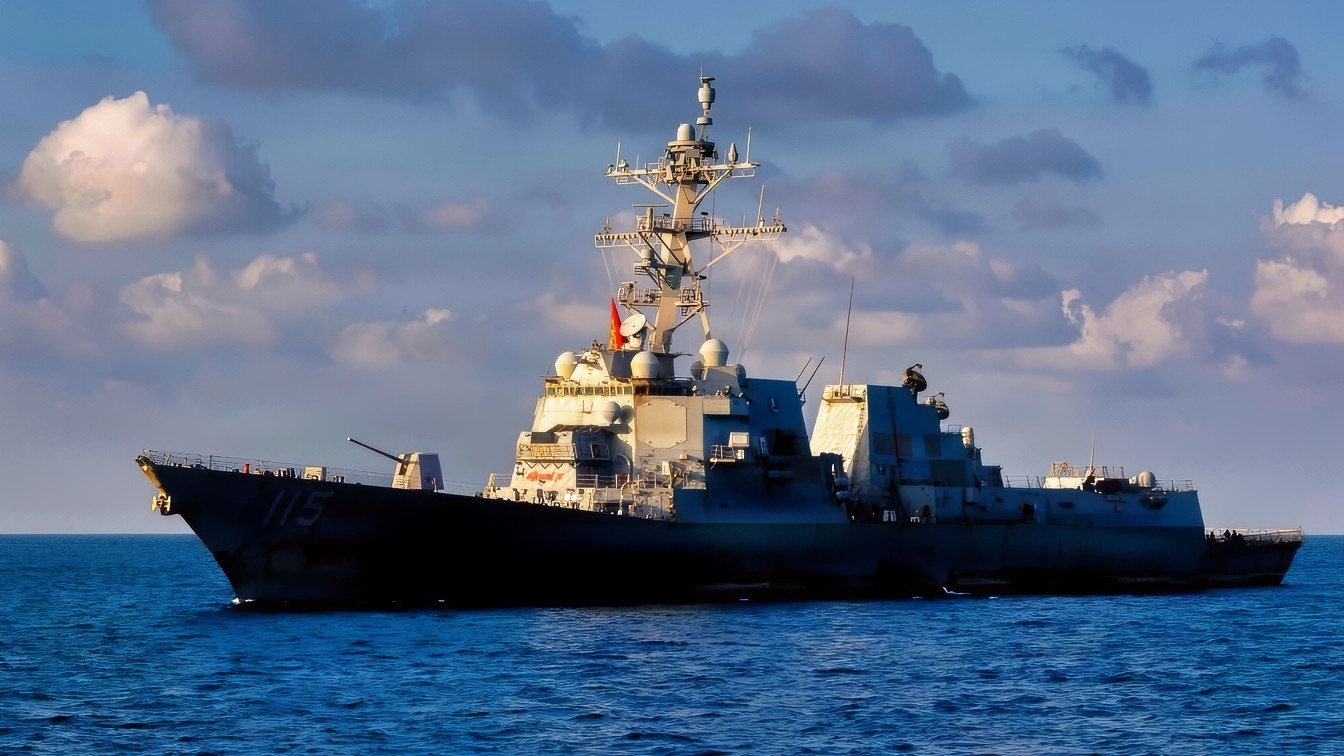
Iran wants to make traveling in the Strait of Hormuz impossible – Commercial shipping through the Strait of Hormuz faces another major escalation after reports that attackers struck six vessels on October 11.
According to the maritime publication gCaptain, attackers reportedly struck five oil and product tankers and one containership near the strait.

Capt. Kristin “Beo” Wolfe, F-35A Lightning II Demonstration Team pilot and commander, banks hard left making vapor trails over and behind the wings during a practice demonstration at Hill Air Force Base, Utah, Mar. 23, 2021. The demonstration team is part of Air Combat Command and is assigned to the 388th Fighter Wing at Hill AFB. Capt. Wolfe grew up a military child as the daughter of retired Col. Jon Wolfe and has flown the T-6 Texan II, T-38 Talon, F-22 Raptor and now the F-35A Lightning II. (U.S. Air Force photo by Alex R. Lloyd)
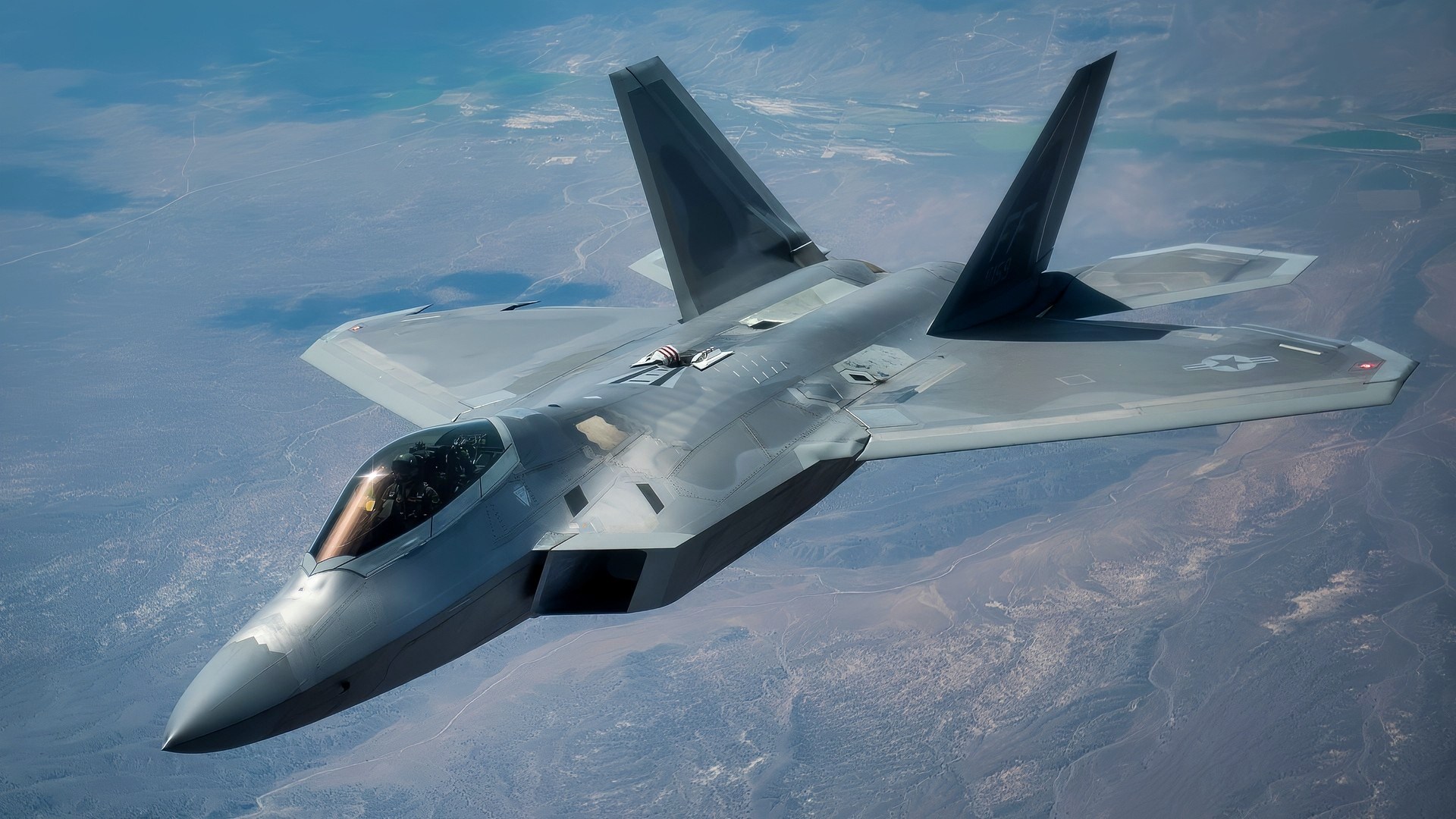
An F-22 Raptor from Langely Air Force Base, V.a. flies by after receiving fuel from a KC-135 Stratotanker from McConnell Air Force Base, Kans., July 27, 2016 during exercise Red Flag, hosted by Nellis Air Force Base, Nev. Red Flag 16-3 is aimed at teaching service members how to integrate air, space and cyberspace elements. (U.S. Air Force photo/Tech. Sgt. David Salanitri)
Five vessels were struck while transiting the strait, and attackers struck a sixth near Sohar anchorage in the Gulf of Oman.
Multiple security warnings detailed the incidents, underscoring the ongoing difficulty of restoring safe commercial passage through Hormuz, one of the world’s most important chokepoints.
The ongoing attacks also highlight the limitations of American efforts to secure shipping, through relays and military presence, amid the ongoing war with Iran.
Six Ships Targeted
UKMTO issued warnings covering six reported incidents.
Five incidents involved vessels traveling through the Strait of Hormuz. Reported targets included an outbound product tanker, an outbound crude oil tanker, additional outbound tankers, and an inbound containership.
Unidentified projectiles reportedly struck most of the vessels.
One tanker was hit on the port side and, according to JMIC, sustained damage to the steering gear room and port-side water tank.
No injuries were reported, and the vessel proceeded toward Fujairah anchorage. Another tanker crew is reported safe, although environmental consequences remain unknown.
A sixth attack occurred near Sohar anchorage.
An uncrewed aerial vehicle (UAV) reportedly struck the tanker.
Local authorities assisted with the crew evacuation.
The extent of the damage and casualties remains unclear.
Four reports were submitted after the incidents, complicating efforts to establish real-time attack intelligence. Attribution for the attacks remains unconfirmed.
Why the Strait Matters
Hormuz connects the Persian Gulf to the Gulf of Oman and the Arabian Sea.
The strait separates Iran from Oman and the United Arab Emirates and serves as a critical maritime chokepoint for energy exports.
Before the ongoing war erupted, the strait carried about one-fifth of global petroleum liquids consumption.
Major oil and gas exporters rely heavily on the route, including Saudi Arabia, Iraq, Kuwait, Qatar, the United Arab Emirates, and Iran.
The strait’s narrow geography makes commercial shipping particularly vulnerable to disruption.
Tankers must pass through constrained transit corridors where an attack can affect the global energy market without necessarily sinking a vessel.
Even the threat of danger can spike insurance premiums and security costs, while delays can further increase costs.
The threats to commercial shipping have consequences that ripple far beyond the Middle East.
Shipping Traffic Depressed
Despite American efforts to restore maritime traffic, shipping volumes remain far below normal.
For example, over the last 72 hours, about 29 vessels transited the strait, but the historical average is about 138 daily transits.
That represents a massive decline from the historical average.
Although individual vessels can pass the strait, persistent attacks discourage shipping companies from resuming normal operations.
Severe Threat
JMIC maintained the Strait of Hormuz’s threat assessment at SEVERE, its second-highest classification, and warned that additional deliberate attacks on merchant vessels were highly likely.
Indeed, attacks have increased since late September, and the threat now extends beyond the established transit lanes, with ships reportedly being targeted while entering and leaving Hormuz, at anchorages, and elsewhere in the Persian Gulf.
This expansion complicates maritime security planning, as ships cannot just avoid the danger by remaining at anchor or waiting outside the strait.
The weapons used included projectiles and drones, which create additional defensive challenges.
Why So Difficult
Securing the strait has proven quite difficult. The problem is that ships in the strait are vulnerable to several potential threats, including drones, anti-ship missiles, explosive surface craft, naval mines, and attacks near anchorages.
Defending every merchant ship from these various threats at all hours requires substantial naval and surveillance resources.
Even if defensive efforts are effective 90 percent of the time, occasional success is enough to discourage maritime traffic and spike insurance premiums.
Even when transit is technically possible, insurance and commercial risk can remain, keeping vessels away and damaging the global energy market in turn.
About the Author: Harrison Kass
Harrison Kass is a writer and attorney focused on national security, technology, and political culture. His work has appeared in Tablet, City Journal, The Hill, The Spectator, and The Cipher Brief. He holds a JD from the University of Oregon and a master’s in Global & Joint Program Studies from NYU—more at harrisonkass.com.


