
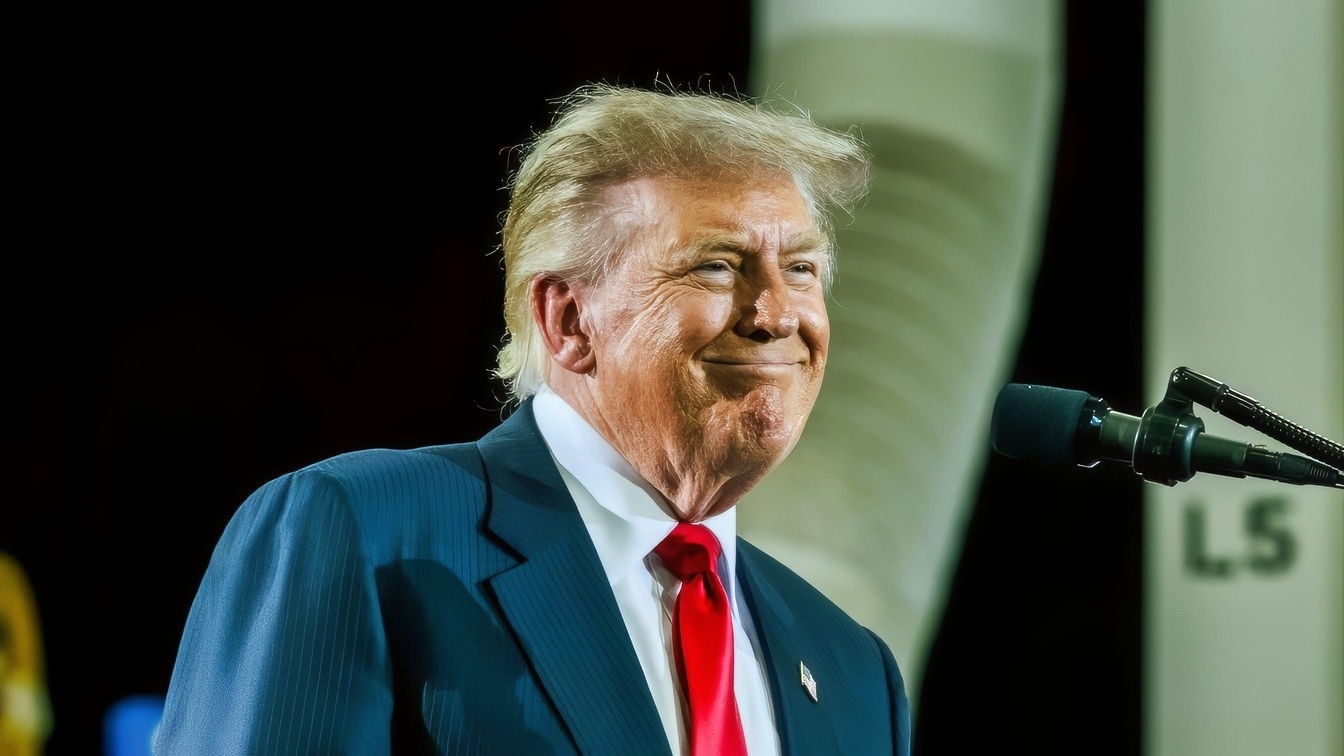
President Donald Trump is facing growing opposition, not just from the Democrats but also from members of his own party, over his decision to ease sanctions on Russian diesel exports.
As Republicans head into the November 3 midterm elections with a major disadvantage in every major poll, Trump-aligned candidates and their supporters appear to be concerned over the possibility of the United States extending more economic incentives to Russia to end the war.
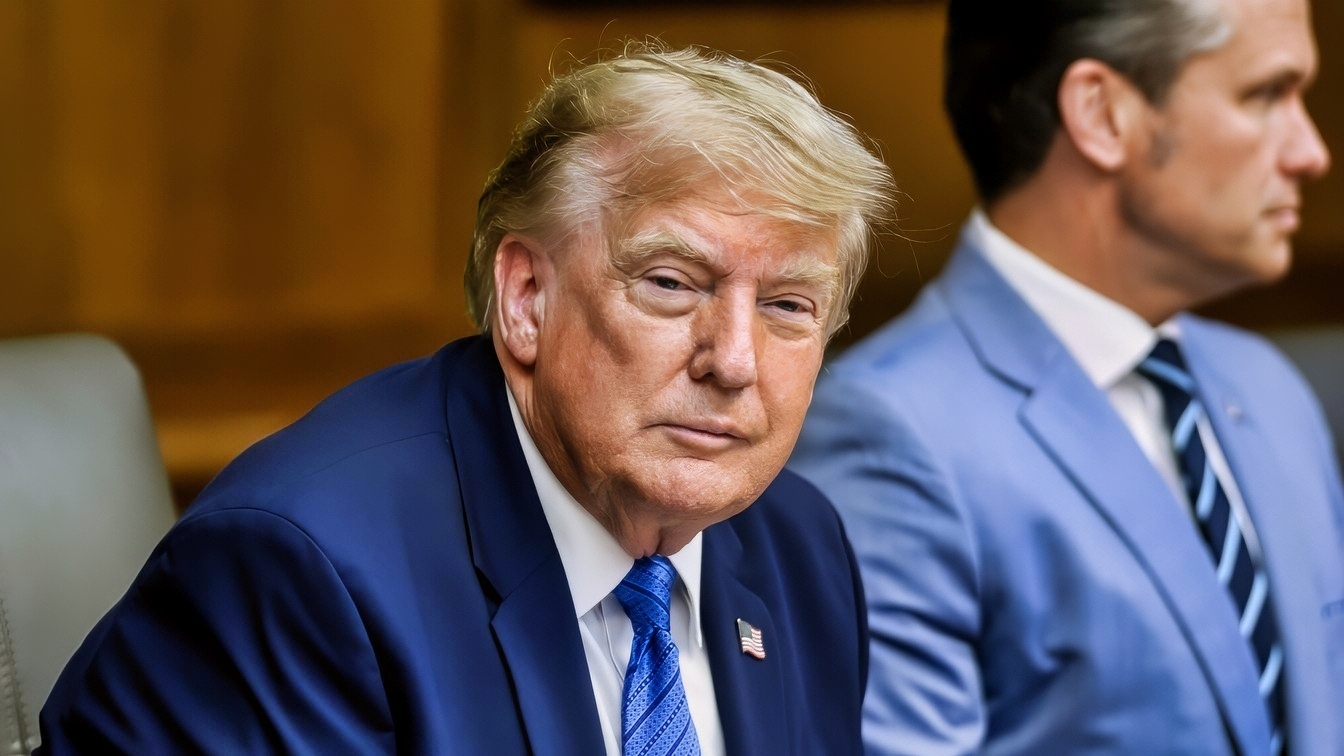
President Donald J. Trump meets with his cabinet at Camp David, Maryland on Friday, July 31, 2026. (Official White House Photo by Daniel Torok)
The president has spent the last several days defending his agreement with Russian President Vladimir Putin and criticizing Ukrainian President Volodymyr Zelenskyy.
The Trump administration, it seems, is now attempting to negotiate a ceasefire – and ultimately a permanent end to the war – through economic sanctions and by ending some cooperation with Ukraine.
The controversy is unfolding right as Republicans face mounting pressure ahead of the midterms and as polls suggest that the Republican Party is losing the support of American voters, even on issues that have historically defined the party, like handling the economy.
Trump’s approval ratings are declining, the war in Iran is wildly unpopular, and dealings with Russia are controversial.
And with less than three weeks remaining until Americans vote, the president’s latest foreign policy decisions are likely to impact the makeup of Congress over the next two years, and the final half of President Trump’s last term in the White House.
On Monday, October 12, Axios reported that President Trump’s increasingly friendly approach to Putin is creating political difficulties for Republican candidates, with the president making a series of recent decisions that critics argue benefit Russia without first securing meaningful concessions in return.
Republicans Turn Against Trump’s Russia Strategy
A bipartisan group of 12 senators, including six Republicans, sent a letter to President Donald Trump on Tuesday, October 13, demanding that he reverse his decision to allow Russian diesel exports onto American and international markets.
The Republican legislators who signed the letter included Senators Mitch McConnell of Kentucky, Susan Collins of Maine, Thom Tillis of North Carolina, Lisa Murkowski of Alaska, John Cornyn of Texas, and Alan Armstrong of Oklahoma.
The list held no real surprises, as the Republicans who signed it had largely criticized the president publicly over the years.
The lawmakers who signed the letter argued that allowing Moscow to sell additional fuel would undermine years of American sanctions and give the Kremlin access to a critical revenue source that could finance its continuing military operations in Ukraine.
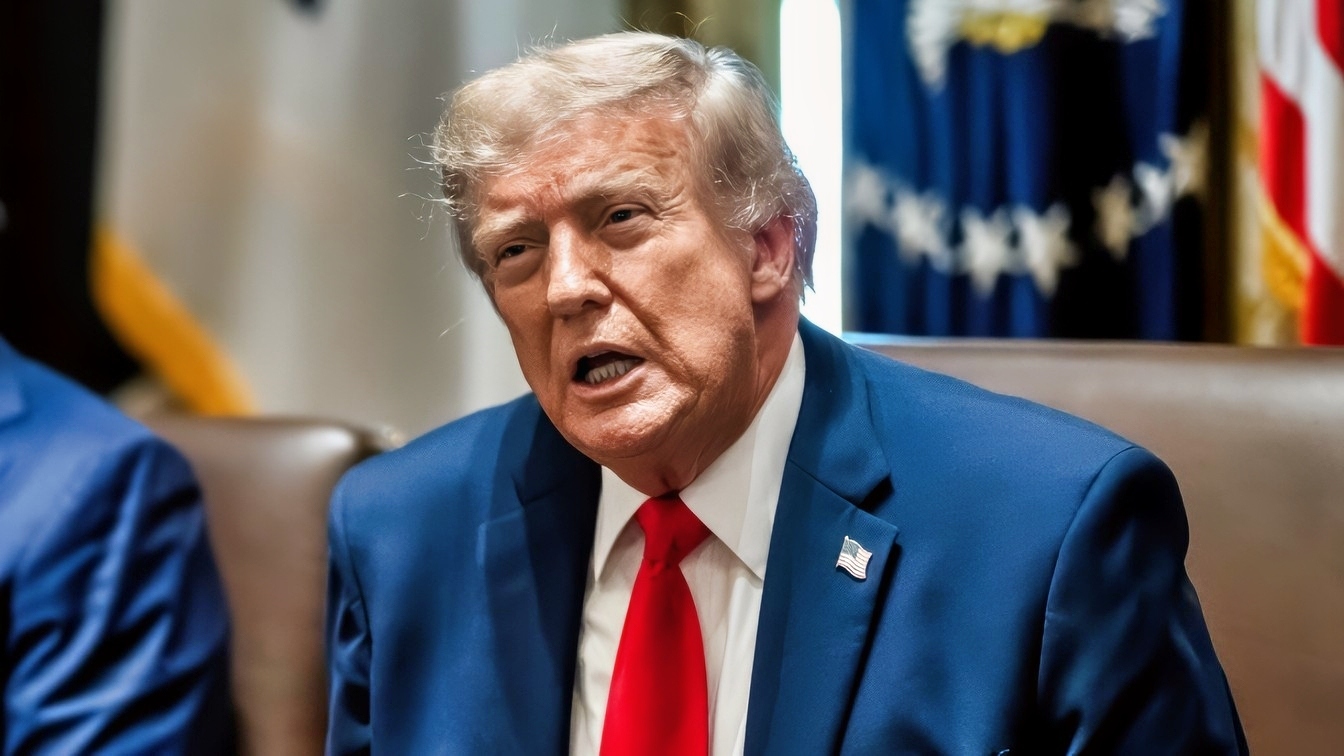
President Donald J. Trump holds a cabinet meeting in the Cabinet Room Wednesday, May 27, 2026. (Official White House Photo by Daniel Torok)
“Granting Moscow the ability to sell Russian diesel freely in global markets damages American security interests and is a betrayal of the people of Ukraine, who continue to defend themselves from Putin’s murderous, illegal war,” the letter reads.
“This deal is a gift to our adversary and a betrayal of our Allies; it should be rescinded,” it continues.
The senators also argue that the deal will not achieve just ends or benefit Americans.
The letter describes how the deal will not substantially lower prices for Americans and that helping Russia finance its wars could put U.S. service members operating overseas at risk.
“We also recognize the urgent need to lower energy costs for American families and address the disruptions caused by the war with Iran,” it reads. “However, allowing Russian-origin diesel into global markets will offer limited to no relief to Americans. It will have little impact on fuel prices. Still, the revenues the Kremlin receives from this agreement will undoubtedly finance its desired war of attrition and advance its security cooperation with China, Iran, and North Korea. It will also endanger service members operating overseas in support of Operation Epic Fury.”
Republican legislators’ opposition comes as the administration approaches an October 18 deadline to decide whether to impose additional sanctions under legislation passed last month.
The Lindsay O. Graham Sanctioning Russia and Iran Act of 2026 authorizes sweeping economic measures against Russian energy exports.
However, the president can waive some of the requirements on national security grounds.
Trump Defends Deal
Trump’s deal with Putin, announced earlier this month by the president, allows Russia to release additional supplies onto international markets.
Under the deal, Russia will initially supply more than 300,000 metric tons of diesel, about 2.25 million barrels.
Additional supplies of 500,000 and a later delivery of 1,000,000 tons are expected in the coming months.
The White House has defended the deal as a measure to reduce fuel prices, specifically diesel prices, which have increased significantly since the war with Iran.
However, analysts have criticized the move, noting that the deal does not increase refining capacity but simply reshuffles existing supplies.
The agreement has not yet produced the price reductions the Trump administration hopes to see, but Reuters reported this week that U.S. diesel futures rose about 5% on Tuesday.
About the Author: Jack Buckby
Jack Buckby is a British researcher and analyst specializing in defense and national security, based in New York. His work focuses on military capability, procurement, and strategic competition, and he produces and edits analysis for policy and defense audiences. He brings extensive editorial experience, with a career output spanning over 1,000 articles at National Security Journal, and has previously authored books and papers on extremism and deradicalization.


