


Cognizant of how sensitive American voters are to the price of gas at the pump, Iran is seemingly hell-bent on spiking oil prices as high as it can ahead of American midterm elections next month.
For President Donald Trump and his Republican Party, energy costs could become the political cudgel their adversaries use to win the various midterm races.
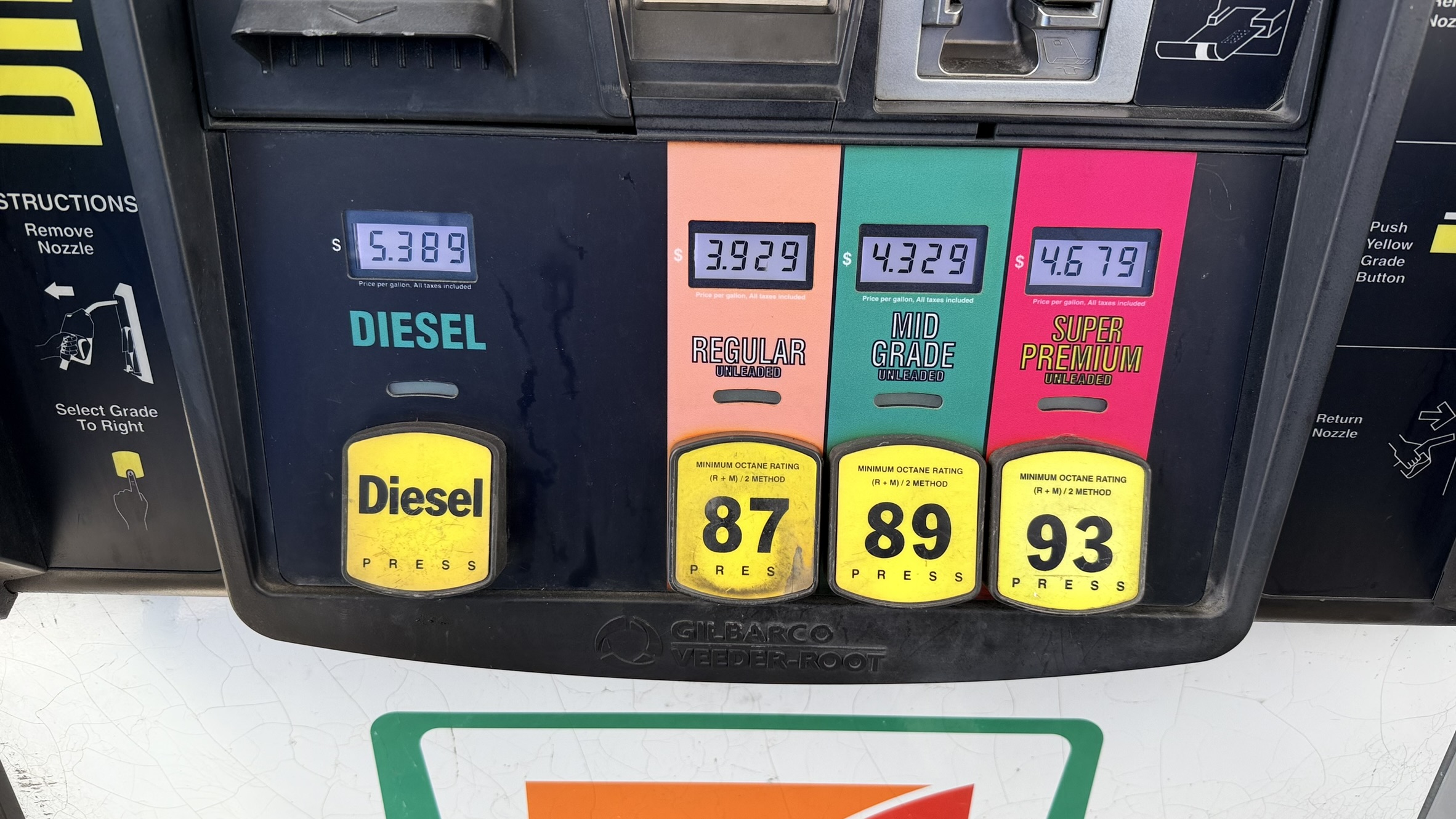
Gas Prices in Davenport, Florida. Image by National Security Journal.
The situation bears some resemblance to the failed Iranian hostage crisis, which contributed to President Jimmy Carter’s massive 1980 reelection defeat to Ronald Regan.
Believing that they can hit President Trump hard where it hurts — at the ballot box — Tehran is unleashing a barrage of missiles and drones at oil-laden ships in the strait as well as at Saudi Arabia and other oil-exporting nations in Iran’s near abroad.
The United States Navy has exerted a surprising degree of control over that crucial maritime bottleneck that, before the war, saw about a fifth of the world’s energy pass through it.
Drones, fighter jets, and special operations forces operate daily in the Persian Gulf to ensure safe passage for civilian shipping vessels transiting the Strait of Hormuz.
But not all of Iran can parry every strike.
Iran struck an estimated 30 vessels last month, according to the United Kingdom Maritime Trade Operations, a body that tracks maritime security incidents. This month, an estimated 20 vessels have been attacked by Iranian forces, one of which sank.
Despite the spike in Iranian attacks on shipping through the Strait of Hormuz, the Pentagon’s strategy has secured enough control over the waterway to restore oil flows from that crucial maritime chokepoint to levels not seen since late February.
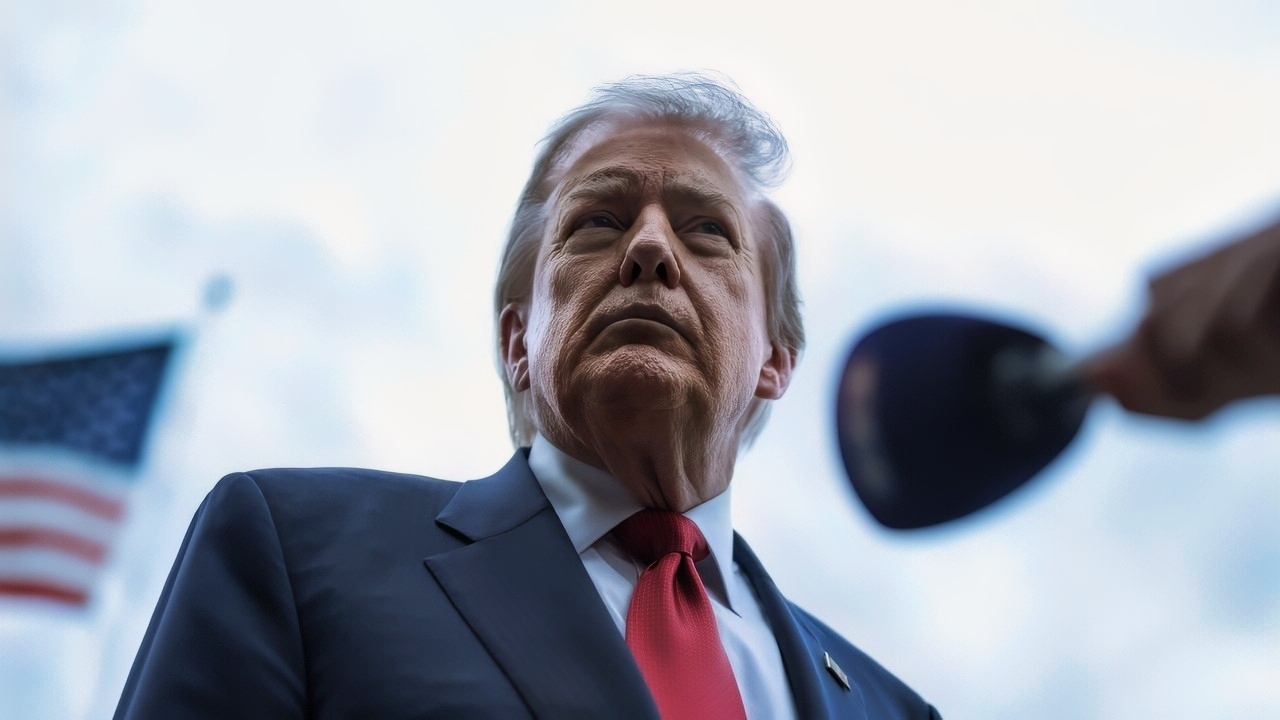
President Donald J. Trump boards Marine One on the South Lawn of the White House, Friday, May 8, 2026, en route Trump National Golf Club Washington D.C. in Sterling, Virginia. (Official White House Photo by Patrick B. Ruddy).
While oil flows through Hormuz hover around 70% of pre-war levels, this is down from their post-war peak, when they surged to over 80% of prior capacity.
Reinforcing its Defenses
President Trump has openly eschewed a renewed round of fighting before the midterm elections, and Iran has used the respite to reinforce its defensive posture.
Some of the measures taken by the hardline Islamist regime include erecting large earthworks around Pickaxe Mountain and Natanz, two of the country’s most sensitive underground nuclear facilities.
But the Commander in Chief has hinted that Pickaxe Mountain could be targeted by American forces sometime soon.
Speaking to reporters late last week, the president explained that Iran’s facilities might find themselves in the Pentagon’s crosshairs. “Their nuclear is buried under millions of tons of mountain.
Now we’re looking at Pickaxe Mountain,” President Trump said. “We may have to go there. We’ll take a shot at that one. We’ll knock it out fast.”
While the large earthen berms around the entrances to those underground facilities would defend against a ground assault, Iran’s air defenses present a more pressing issue—or their lack thereof.
The Congressional Research Service, a non-partisan body that compiles reports for the United States Congress, reports that 81 American aircraft have been damaged or destroyed in the fighting against Iran.
This tally includes unmanned drones, helicopters, and fixed-wing aircraft.
But the numbers skew heavily to the war’s earlier opening stages before the United States and Israel inflicted crippling damage to Iran’s air defense infrastructure.
Today, American warplanes are believed to overfly much of the country with virtual impunity.
Still, the Islamic Revolutionary Guard Corps is training civilians to operate man-portable air defense systems, a move that could bolster the country’s ability to defend its airspace.
An Expanding Target Set
Much of Iran’s salvoes against its neighbors in the region have focused on energy-related infrastructure. But officials within the hardline regime have signaled a willingness to broaden the war to include other targets unrelated to energy but still extremely valuable.
During an interview with state-run Iranian media, Mohsen Rezaei, an Iranian national security advisor, explained that Iran fires upon “five or six” ships every night.
But American President “Trump has resorted to smuggling by hiring several thugs who operate in the coastal waters of Oman,” Rezaei added.
But should the war erupt again, Iran has several targets it could engage with potentially acute economic consequences for the region. “Many cables, data centers and artificial intelligence centers, which are very expensive in terms of financial value, would be in range,” Rezaei said.
In the meantime, Iran is facing an increasingly dire economic situation and risks not being able to make salary payments to its military and domestic security forces while also battling rampant inflation of close to ninety percent that has made the cost of living and industrial prices soar.
For now, neither Washington nor Tehran appears willing to move an inch.
About the Author: Caleb Larson
Caleb Larson is an American multiformat journalist based in Berlin, Germany. His work covers the intersection of conflict and society, focusing on American foreign policy and European security. He has reported from Germany, Russia, and the United States. Most recently, he covered the war in Ukraine, reporting extensively on the shifting battle lines in Donbas and the war’s civilian and humanitarian toll. Previously, he worked as a Defense Reporter for POLITICO Europe. You can follow his latest work on X.


