

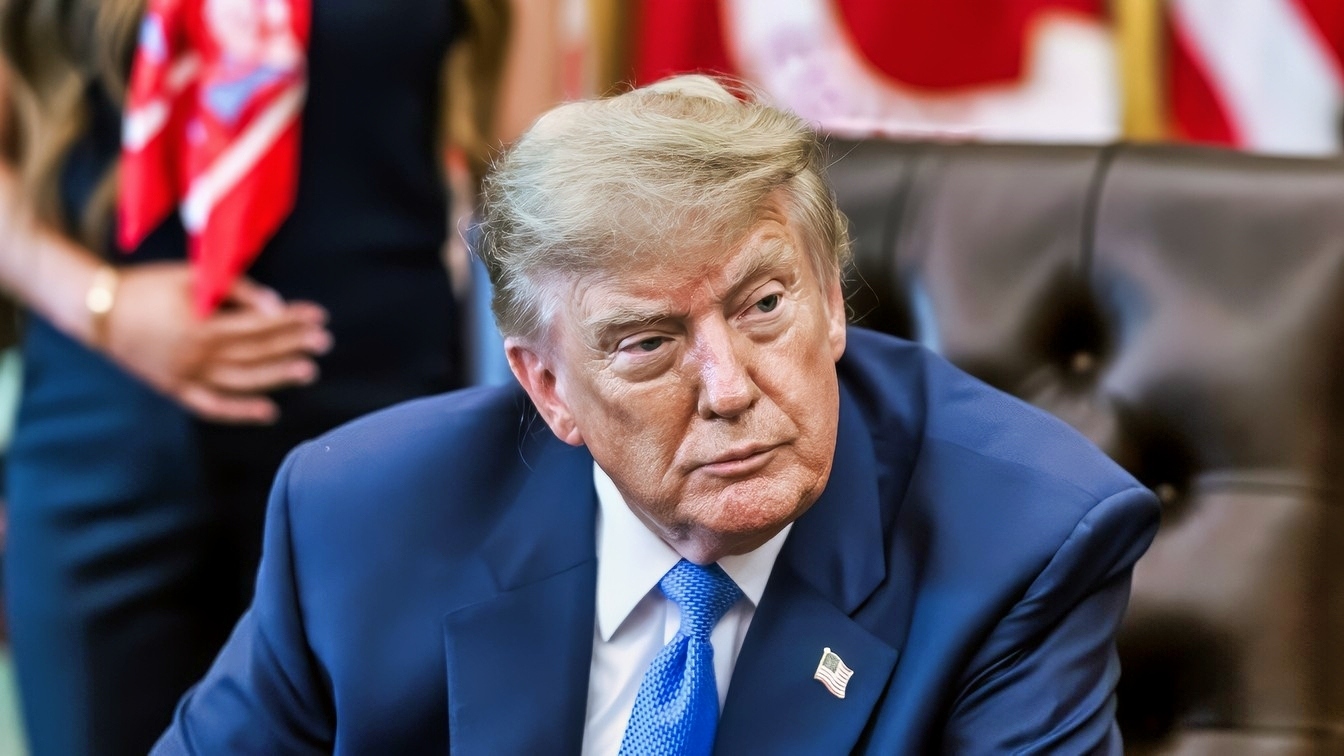
With various actions, most recently the oil deal with Russia to lift sanctions and purchase diesel, President Donald Trump has been accused of acting with the midterm elections in mind.
But a new report says Iran is also eyeing those elections in its own decision-making.
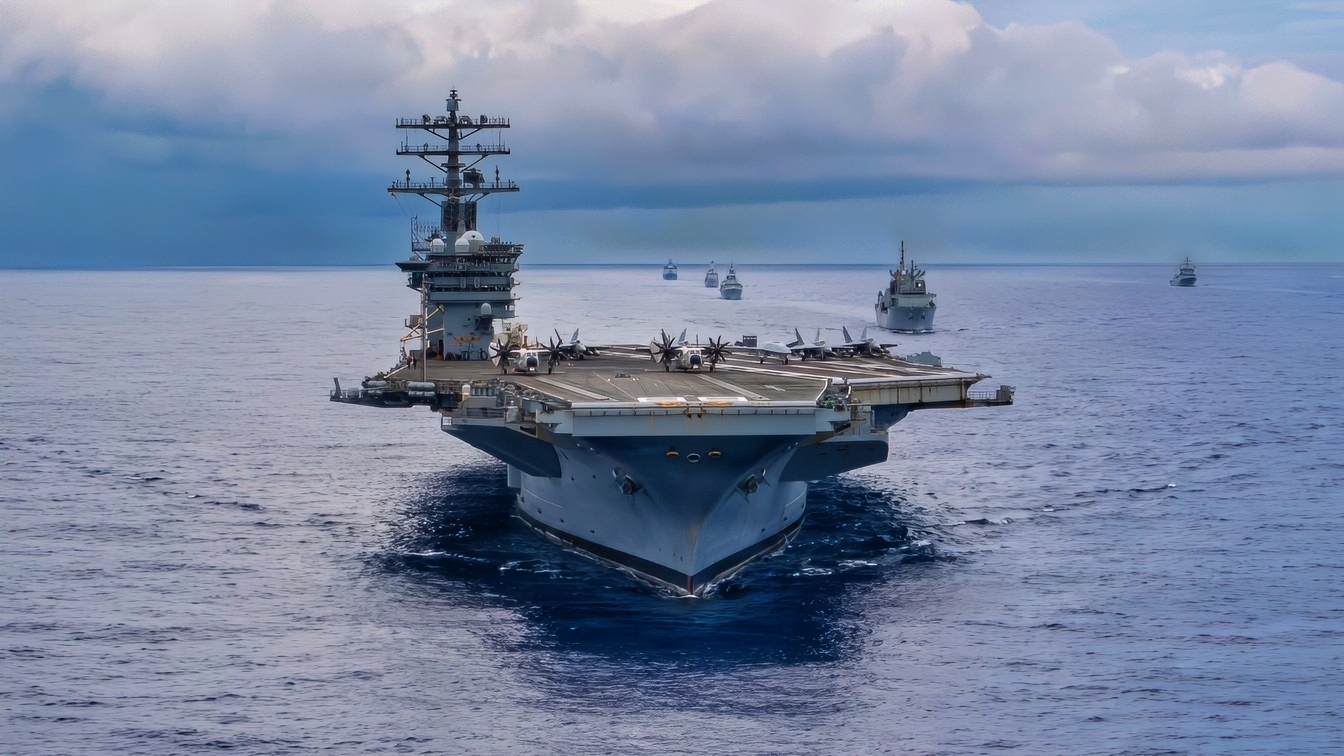
Twenty-six ships from 13 partner and allied nations steam in formation with Nimitz-class aircraft carrier USS Nimitz (CVN 68) during a multinational maritime exercise as part of Fleet Exercise (FLEETEX) 250 in the Atlantic Ocean, June 25, 2026. Nimitz is underway taking part in FLEETEX 250, a series of structured multilateral training events at-sea, aimed at building cohesiveness, validating tactical procedures, and strengthening the interoperability of participating units—which include warships, aircraft, and crews from the U.S. and 13 partner and ally nations. (U.S. Navy photo by Mass Communication Specialist Seaman Julian Jaime)
According to the Washington Post, Iranian officials have been increasingly clear that they are trying to punish the U.S. economically, ahead of the midterms.
Iran, per the Post, is “scrambling to inflict maximum pain now by escalating attacks in the Strait of Hormuz,” knowing that it will have less leverage after the elections.
This isn’t merely analysis or speculation; Iranian officials and diplomats, speaking anonymously to the newspaper, say so.
They see it, the Post said, as a repeat of the 1980 election, held during the Iranian hostage crisis, in which that crisis helped bring down the presidency of Jimmy Carter.
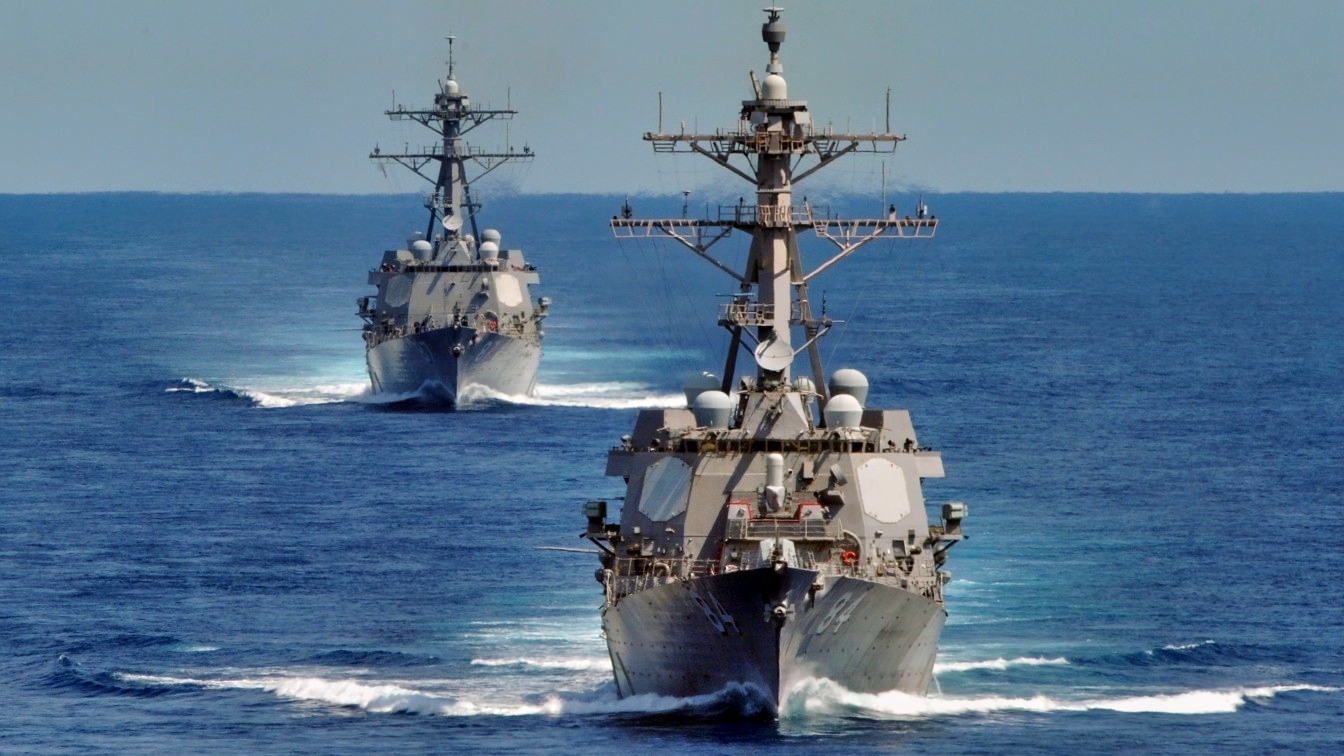
The Arleigh Burke-class guided-missile destroyers USS Bulkeley, right, and USS Mason participate in a strait transit exercise. Bulkeley and Mason are part of the Enterprise Carrier Strike Group and are conducting work-ups and flight operations in preparation for an upcoming deployment. (U.S. Navy photo by Seaman Jared M. King)
The 52 American hostages were released during the inauguration of Carter’s successor, Ronald Reagan, in January of 1981.
“They think they can bring down a presidency,” one Arab diplomat told the Washington Post of the Iranian regime.
Trump, earlier this month, vowed that the U.S. would not attack Iran again before the midterm elections. But that doesn’t mean the U.S. hasn’t been active in the region.
According to the newspaper, forces are carrying out “massive, daily operations, with layers of fighter jets, drones and Special Operations forces,” to guide vessel traffic through the Strait of Hormuz.
Things Are Escalating
While the Trump Administration, earlier this fall, was declaring the Strait of Hormuz open and touting that oil getting through the Strait of Hormuz was beginning to approach pre-war levels, Iran has stepped up attacks near the Strait, the Post reported in a separate story.
Nine vessels were struck last week, the Post said, citing data from the maritime tracking firm Kpler.
This has led to a steep drop in oil passing through the Strait, down to about half of pre-war levels as of last week.
On Monday, the amount of “diesel, gasoline or other finished fuels” passing through the Strait was reportedly zero.
As that is happening, the war between the Iran-backed Houthis and Saudi Arabia has intensified, adding another potential bottleneck on energy supplies.
The push before the midterms is not just about Trump, Negar Mortazavi, an Iranian researcher with the Center for International Policy, told the Post.
It is also meant as a warning to future administrations about how they will deal with Iran.
“Tehran is thinking beyond Trump,” Mortazavi told the newspaper.
“It wants future American presidents to remember what happened to him before considering another war against Iran.”
The View From Tehran
The Post noted that midterm elections in the United States are a major topic in Iranian media, just as they are in the U.S., with talk shows and newspapers discussing of prices, polling data, and what a Republican loss in the midterms could mean for the war’s future.
Fars, the semi-official news service tied to the IRGC, said this week that Trump, who had “promised to end wars, has brought his party a few steps closer to defeat in the midterm elections by launching a war against Iran.”
Former Iranian foreign minister Manouchehr Mottaki said on a talk show this month that if his party loses in November, Trump could have to “live out the remaining two years of his presidency as a nightmare.”
One Western diplomat told the Post that Iran faces pressure of its own, thanks to economic isolation and the possibility that it could run out of money to pay its security forces in the near future.
However, despite pressure from both sides, neither side appears willing to make the concessions necessary for a deal.
Meanwhile, CNN reported Monday that Iran’s commanders are preparing for the war to continue, and that they are threatening to use new weapons and attack places that they haven’t hit before.
“The world will be amazed,” IRGC spokesman Hossein Mohebbi said in September, as CNN noted. “We have new targets that have not yet been attacked.”
About the Author: Stephen Silver
Stephen Silver is an award-winning journalist, essayist, and film critic, and contributor to the Philadelphia Inquirer, the Jewish Telegraphic Agency, Broad Street Review, and Splice Today. The co-founder of the Philadelphia Film Critics Circle, Stephen lives in suburban Philadelphia with his wife and two sons. For over a decade, Stephen has written thousands of articles on politics, national security, technology, and the economy. Follow him on X (formerly Twitter) at @StephenSilver, and subscribe to his Substack newsletter.


