

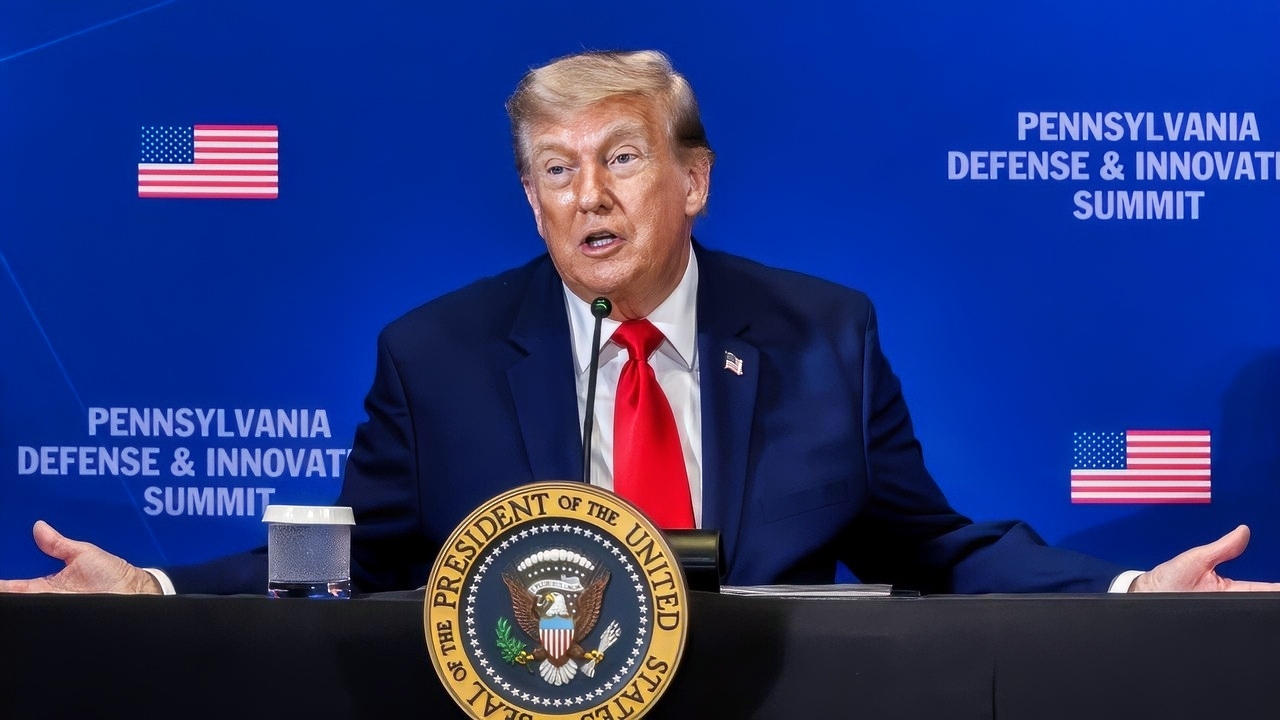
Conservative political commentator George F. Will has delivered a sweeping criticism of President Donald Trump’s handling of Russia and Ukraine.
Writing in an October 21 opinion column for The Washington Post, Will argued that Trump is increasingly aligning US policy with Russian President Vladimir Putin.
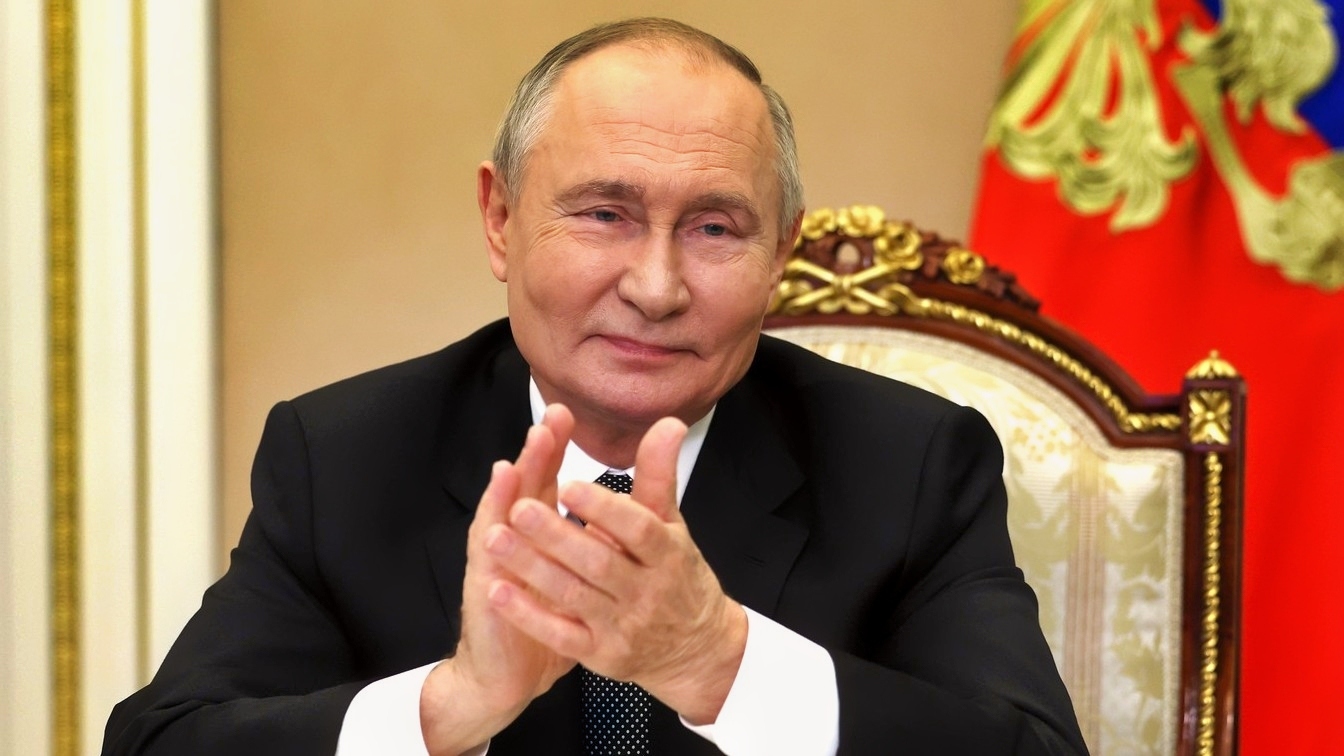
Putin Clapping Russia Federation Photo
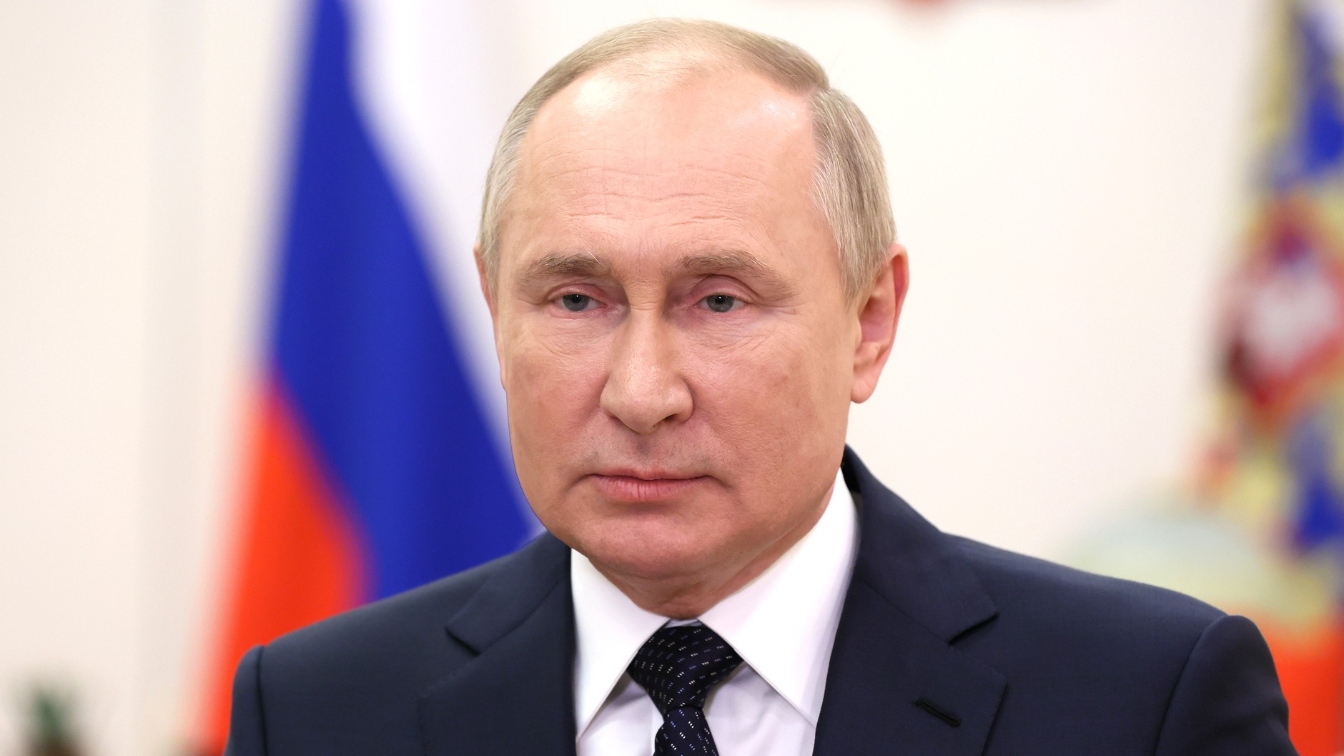
Putin in 2021 Creative Commons Image
Will described the administration’s recent actions as strategically harmful and morally bankrupt, criticizing its reported willingness to ease Russian sanctions while restricting or delaying assistance to Ukraine.
Will also questioned Trump’s motivations, suggesting that political considerations ahead of the November midterm election are driving US foreign policy.
The Diesel Deal
Will focused on the Trump administration’s recent decision to ease sanctions on Russian energy exports, allowing Russian diesel imports into the United States.
Will argues that these measures undermine congressional efforts to isolate Moscow economically as punishment for its invasion of Ukraine.
Will says the administration’s actions essentially cancel out sanctions Congress established through legislation. Further, Will believes that Trump’s diesel deal relaxes pressure on Moscow at a time when pressure should be maintained.
In Will’s view—which is hardly a stretch—the administration’s actions tie directly to domestic concerns over rising American fuel prices; Will suggests Trump hopes lowering the price of diesel at home will improve Republican outcomes in the midterm elections.
Ukraine’s Concerns
Will also disparaged the administration’s treatment of Ukraine, citing reports of delays in American intelligence sharing with Kyiv and holdups in deliveries of critical air-defense missile interceptors.
Ukraine, of course, depends on such assistance, especially as Russia continues its missile and drone attacks against Ukrainian infrastructure.
Ukrainian forces also rely on Western intelligence and air-defense equipment to identify and intercept incoming threats.
Will argues that the administration’s reduced assistance, paired with relaxed economic sanctions on Russia, creates a contradiction in US policy.
According to Will, Washington is weakening Ukraine and bolstering Russia.
Historical Analogy
Will frames Ukraine’s resistance in historical terms, comparing Ukraine’s position to Britain’s resistance to Nazi Germany during the Blitz in 1940—because what good is foreign policy analysis without a comparison to World War II?
The analogy portrays Ukraine as a country facing sustained military attacks while resisting a more powerful adversary.
Meanwhile, Will also criticizes Trump’s receptiveness to a summit involving Trump, Putin, and Chinese President Xi Jinping that would address the Ukraine War—without including Ukraine.
Will compares this prospective summit to the 1938 Munich Agreement, where Britain and France agreed to German territorial demands against Czechoslovakia—without Czechoslovakian participation in the negotiations.
Will uses the Munich comparison to suggest that major powers could dictate Ukraine’s future without Ukraine’s input.
Ongoing Attacks
Will challenges Trump’s public characterization of Russian behavior in Ukraine as being “fine,” pointing out that Russia has continued launching missile and drone strikes against Ukrainian cities and energy infrastructure as winter approaches, damaging electricity supplies and degrading conditions for Ukrainian citizens.
According to Will, Trump’s rhetoric minimizes the scale of Russian military operations, which highlights a broader Trump administration trend of an unwillingness to confront Moscow’s conduct during the war.
Diesel Economics
Will argues that the proposed Russian diesel arrangement is not only strategically objectionable but also economically ineffective.
The administration is reportedly seeking to address high diesel prices affecting American truckers and farmers, who are getting hammered at the fuel pumps.
But Will connects the broader energy-price crisis to disruptions associated with the ongoing US conflict with Iran and the closure of the Strait of Hormuz.
Will was also critical of the timing, suggesting that with the November 3 midterms fast approaching, imported diesel probably won’t arrive quickly enough to influence fuel prices before voting concludes.
Regardless, Will says this shows domestic political pressure dictating foreign policy.
Ultimately, Will’s column frames the Russian controversy as part of a larger pattern in Trump’s approach to running the country, arguing that the president’s decisions reflect political calculation rather than strategic principles.
Will believes the approach threatens American credibility, weakens Western alliances, and benefits Moscow at Ukraine’s expense.
About the Author: Harrison Kass
Harrison Kass is a writer and attorney focused on national security, technology, and political culture. His work has appeared in Tablet, City Journal, The Hill, The Spectator, and The Cipher Brief. He holds a JD from the University of Oregon and a master’s in Global & Joint Program Studies from NYU—more at harrisonkass.com.


