
Iran is again offering to fully reopen the Strait of Hormuz, pushing Washington to accept a deal that President Donald Trump has already negotiated.
Under the deal, President Trump would have to honor commitments made under a failed peace agreement signed in June, and Iran would take steps to restore normal shipping through the Strait of Hormuz.

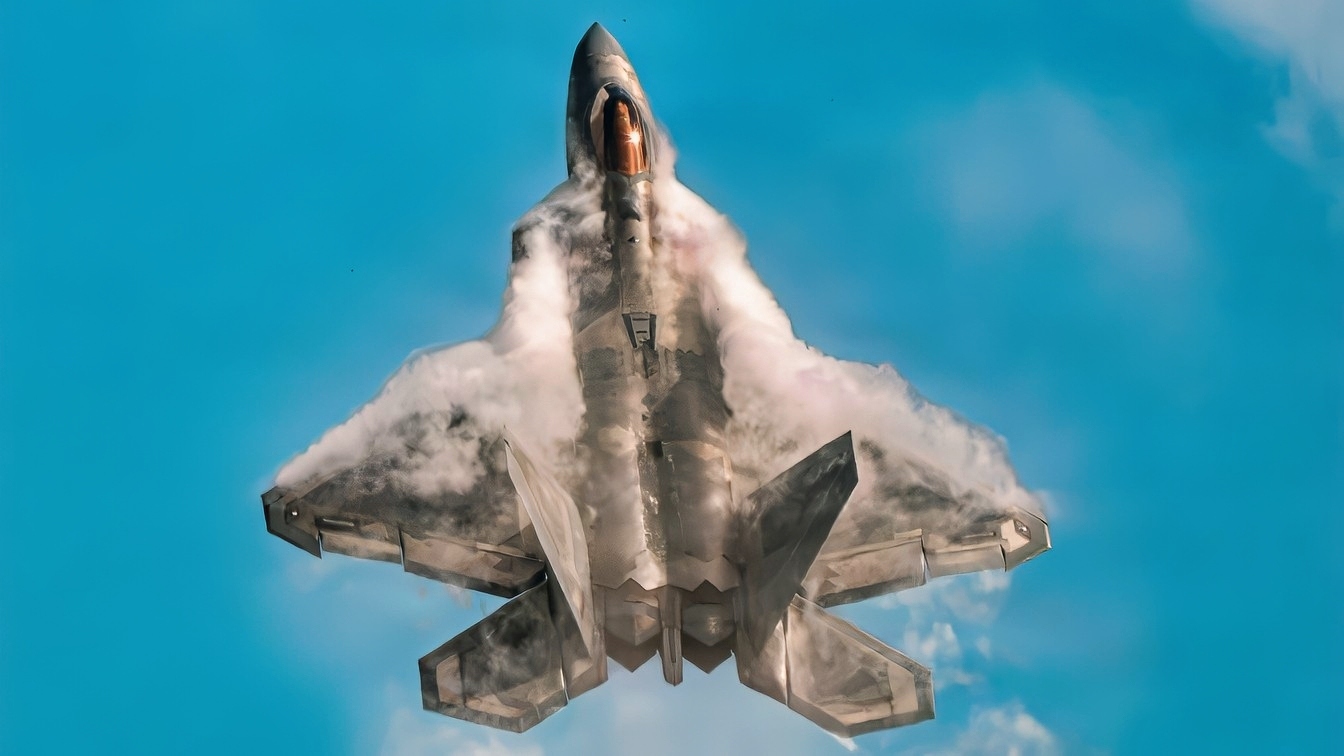
U.S. Air Force Capt. Samuel “RaZZ” Larson, F-22 Raptor Demonstration Team commander, performs an aerial maneuver in preparation for the ongoing airshow season at Joint Base Langley-Eustis, Virginia, July 9, 2024. Airshows play a crucial role in highlighting the importance of air power in modern warfare and help reinforce the deterrence capabilities of advanced fighter aircraft like the F-22 Raptor. (U.S. Air Force photo by Senior Airman Mikaela Smith)
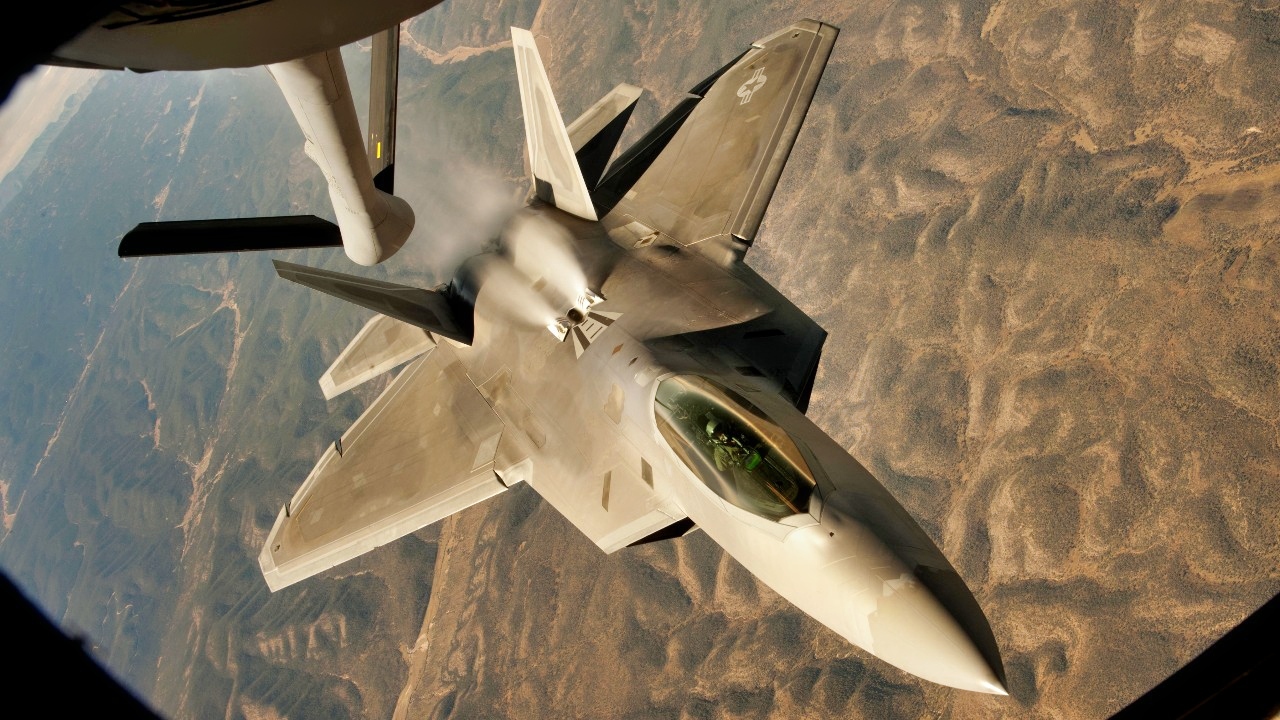
A U.S. Air Force F-22 Raptor backs away from a KC-135 Stratotanker after conducting an in-flight refueling during a training mission over central New Mexico on Oct. 23, 2013. The Raptor is assigned to the 49th Fighter Wing at Holloman Air Force Base, N.M. The Stratotanker is assigned to McConnell Air Force Base, Kan. DoD photo by Airman 1st Class John Linzmeier, U.S. Air Force. (Released)
The offer comes as Washington threatens another round of military strikes against Iran, and as Tehran awaits the results of the November 3 midterm elections, in which the Republican Party is widely expected to be punished for the economic impact of the war.
According to an October 21 Bloomberg report, Iranian Foreign Minister Abbas Araghchi is insisting that Washington lift its naval blockade against Iranian ports, which is contributing to Iran’s growing economic problems, and return to the terms of the June agreement.
Araghchi says returning to the agreement’s terms is necessary to continue negotiations on a lasting peace deal.
The comments come after Pakistani army chief Field Marshal Asim Munir visited Tehran as part of efforts to revive negotiations between the U.S. and Iran.
While negotiations technically continue via intermediaries, the main sticking points include the order in which each country makes its concessions, and Iran’s insistence on continuing its nuclear project.
Iran Says Trump Must Honor June Peace Agreement
During an interview with Iraqi Media Network on Tuesday, October 20, Araghchi said that Iran is prepared to fully open the Strait of Hormuz and cease its attacks on commercial ships if the United States returned to the Memorandum of Understanding that was signed in June.
The deal would still, however, require Iran to determine the lanes used by ships passing through the waterway.
That June agreement established a framework for ending the war, including the reopening of the Strait of Hormuz, easing American sanctions, releasing Iran’s overseas frozen assets, and committing to negotiations for a longer-term settlement while refraining from continued fighting.
Araghchi told the Iraqi broadcaster that Washington must first fulfill its earlier commitments to fully reopen the shipping route.
The Iranian official said that if the United States returned to the original agreement, which fell apart after Iranian forces kept striking ships operating in the Strait of Hormuz, the strait would fully reopen, and further negotiations for a longer-term peace settlement would follow.
The original June agreement collapsed within weeks, and Washington has since intensified both its military and economic pressure on Iran.
There is also little indication that the Trump administration is willing to return to the terms, even if it costs the Republican Party the midterm elections.
Instead, the Trump White House continues its strategy of economically isolating Iran with regularly intensifying sanctions and the continuation of its naval blockade against Iranian ports.
Iran Tells Pakistan: No Talks Without Concession
Iranian President Masoud Pezeshkian also reiterated Tehran’s position during a meeting with Munir on Tuesday, warning that Iranian officials do not trust Washington to negotiate without resorting to military force.
Reuters reported on October 20 that Iranian officials used the Pakistani delegation’s visit to reiterate their demands for sanctions relief and an end to American military threats.
Parliament Speaker Mojhammaed Bagher Ghalibaf, who has played a major role in negotiations since the war’s early stages of the war, also met with Munir and said Tehran’s proposals to end the war remain unchanged.
Under Iran’s most recent proposal, the United States would have to meet seven conditions before substantive negotiations could resume.
Those demands include the easing of restrictions on Iranian oil exports, a withdrawal of U.S. forces from the region, the lifting of the blockade on Iranian ports, and the release of frozen overseas assets.
The United States is not willing to provide this relief, at least before Iran concedes – but another major sticking point is Iran’s nuclear ambitions.
Tehran not only refuses to end its nuclear program, but has recently begun doubling down on its plans, with Iranian politicians admitting this week that the country does in fact intend to build nuclear weapons.
Iran Wants Control Over Shipping Routes
Another major obstacle to reopening the Strait of Hormuz is that Iran is not proposing to simply stop striking commercial shipping.
Instead, Tehran wants to control which routes commercial vessels can use, paving the way for a future tolling system that would let Iran collect revenue from ships moving through the waterway.
Iran previously proposed charging ships 5% to 7% of their cargo’s value to pass through the waterway, and Oman considered a 3% fee.
The United States, however, insists that passage should be free.
Insurers also warn that paying Iranian transit fees could invalidate insurance coverage, causing further disruption and confusion.
Even if Trump agrees to lift the blockade and Iran stops attacking commercial vessels, the two countries would still need to resolve who controls shipping through one of the most important oil transportation routes in the world – and if those negotiations don’t end well, there’s no reason to believe that military strikes would not resume.
About the Author: Jack Buckby
Jack Buckby is a British researcher and analyst specializing in defense and national security, based in New York. His work focuses on military capability, procurement, and strategic competition, and he produces and edits analysis for policy and defense audiences. He brings extensive editorial experience, with a career output spanning over 1,000 articles at National Security Journal, and has previously authored books and papers on extremism and deradicalization.


