
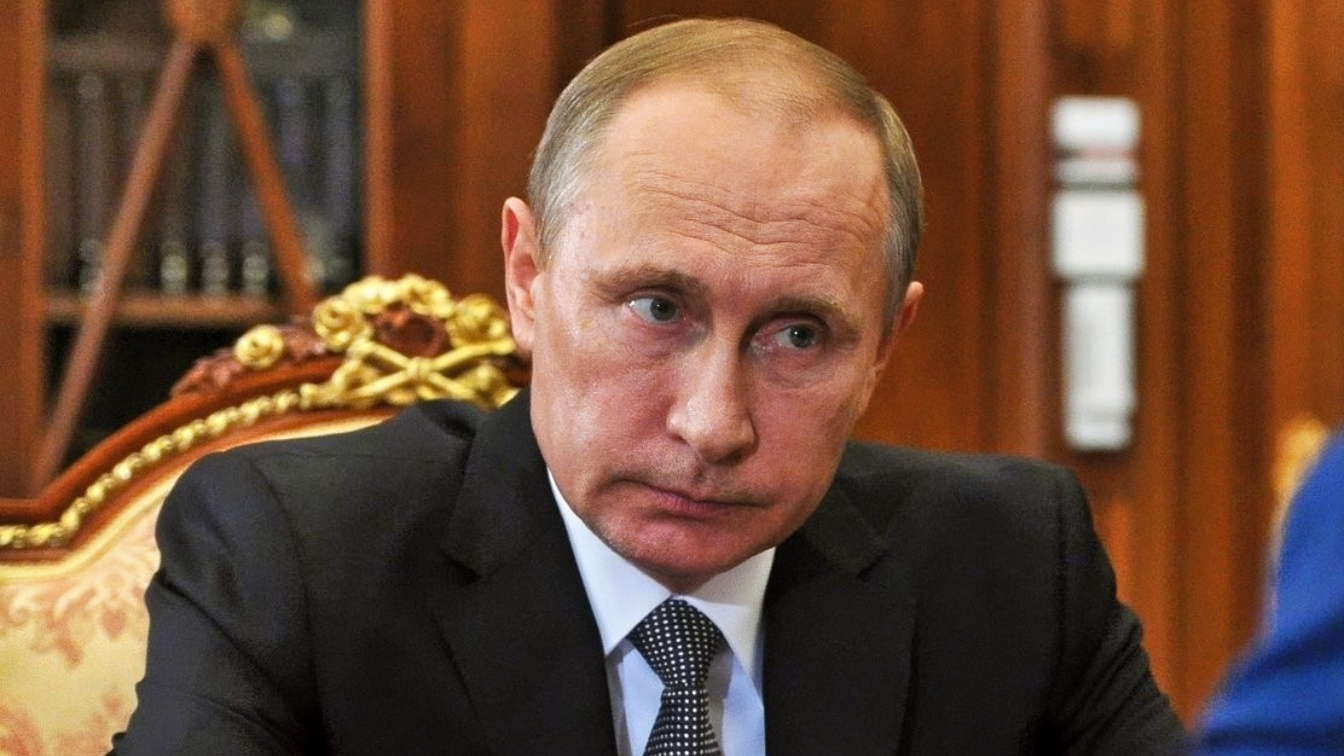
As Russia looks set to return to negotiations with the United States and Ukraine, and as Ukrainian President Volodymyr Zelenskyy indicates he is willing to freeze the front lines in a new ceasefire, Moscow authorized a massive missile strike campaign against the Ukrainian capital city overnight into Thursday, October 22.
The strikes came only hours after Putin agreed to resume U.S.-mediated talks.

Su-35 Fighter from Russia. Image Credit: Creative Commons.
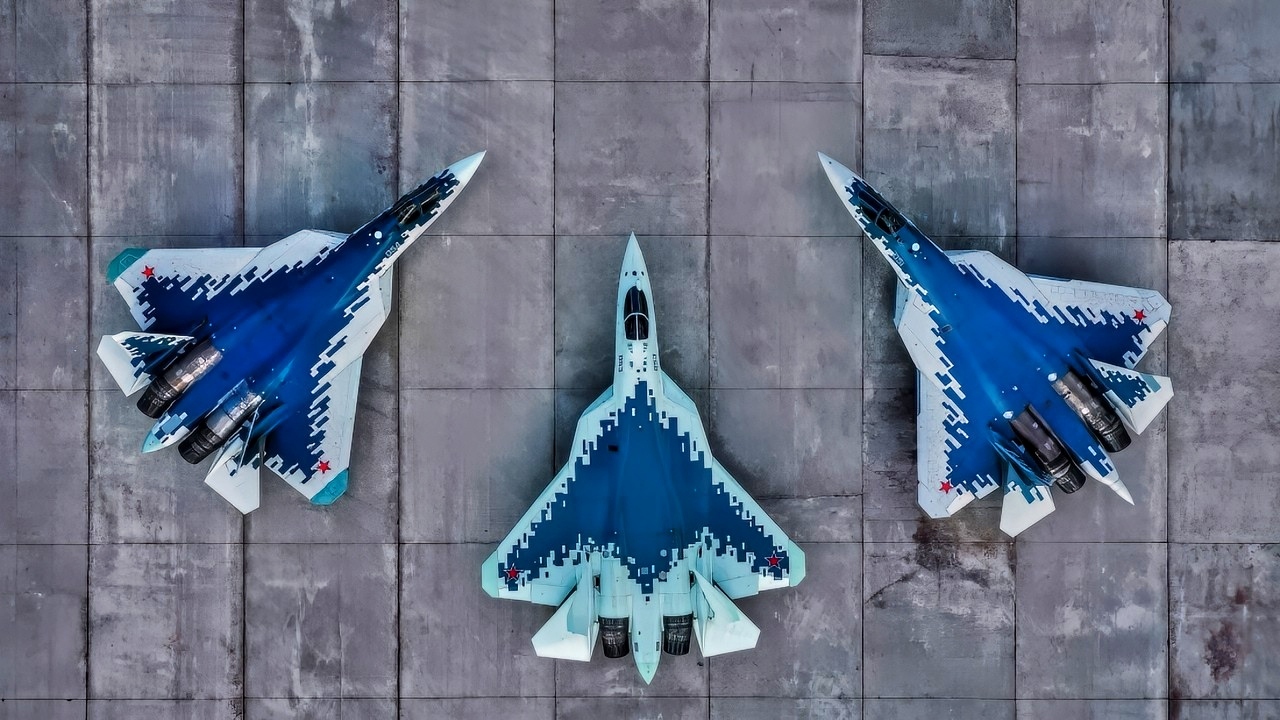
Su-57 Felon Screengrab from Russia. Image Credit: X Screengrab.
The attacks involved at least 21 ballistic missiles fired in three waves and struck civilian and infrastructure targets across Kyiv.
The overnight attacks killed and injured civilians, and Ukraine responded with one of its largest drone offensives of the war so far.
Moscow claims that 630 Ukrainian drones were launched towards the Russian capital city overnight.
The exchange follows a meeting between U.S. special envoy Steve Witkoff and the Russian president in St. Petersburg on Wednesday.
During the meeting, he presented Russia with new proposals assembled during meetings with Zelenskyy and European leaders.
While Russia appears willing to talk, top officials already indicate the latest U.S. proposals are unlikely to satisfy the Kremlin.
Zelenskyy Offers to Freeze Front Lines
The Ukrainian president’s willingness to freeze the conflict along its current front lines could reflect Kyiv’s calculation that delaying a ceasefire would leave it in a weaker negotiating position, should those rumored negotiations begin next month.
During an interview with Fox News on October 21, Zelenskyy said he would accept an immediate freezing of the front lines if he could secure Western security guarantees and a new round of negotiations.
The timing matters – Russia is intensifying its attacks against Ukrainian energy infrastructure ahead of winter, with strikes on October 16 leaving more than one million people temporarily without power.
By securing a ceasefire now, Zelenskyy might expect to prevent Russia from capturing additional territory in Donbas and to protect the remaining energy infrastructure from even more intense campaigns.
The alternative would be entering negotiations in November, or later, after several more weeks of Russian attacks that could leave Ukraine with less territory and a crippled electricity network – and greater pressure to accept Moscow’s demands.
Russia Wants More Than Ukraine is Offering
Kyiv’s problem is that Moscow has repeatedly rejected ceasefire proposals that would let Ukraine retain control of the territory it still holds.
Last week, Russian Foreign Minister Sergei Lavrov warned that Moscow will not accept a temporary pause that would allow Ukrainian forces time to rearm.
The latest proposals from the American side include a potential agreement under which Ukraine would surrender the entire Donbas region in exchange for NATO security guarantees.
This move would require Kyiv to relinquish territory that Russian forces still have not captured.
The suggestion is hugely controversial in Europe and the United States, as it would mean spending years and billions of dollars trying to avoid a situation that would ultimately materialize under a peace deal anyway.
The Kremlin also continues to demand permanent restrictions on Ukraine’s military in the future, including a ban on Ukraine joining NATO.
On October 21, Axios reported that Putin’s foreign policy adviser, Yuri Ushakov, expressed dissatisfaction with the latest U.S. proposals developed in Oslo, suggesting Moscow is willing to continue negotiations without abandoning its most significant demands or relieving pressure on Ukraine’s defenses in the meantime.
Europe Questions the Cost of the War
Kyiv’s willingness to accept a deal, or freeze the front lines, reflects not only pressure from Washington but also a growing financial problem that will make it difficult for Ukraine to keep fighting for years to come.
Zelenskyy told European leaders at a two-day summit in Brussels earlier this month that Ukraine’s military and economic needs would reach €155 billion in 2027 and that he would need an additional €70 billion in assistance.
The appeal came after the European Union approved a €90 billion loan last December to cover much of Ukraine’s needs through 2027, based on the assumption that the war could end in 2026.
European leaders didn’t agree to provide the additional funding, but did instruct the European Commission to develop new financing options.
According to an October 21 POLITICO report, Brussels is now preparing to pressure the United Kingdom and Canada to help cover the shortfall.
Negotiations are expected during talks on October 29 and 30, and at a later European Union-United Kingdom summit on November 20. European officials are also seeking additional financial contributions from Japan, Australia, and other international partners.
On October 16, European Commission President Ursula von der Leyen said other countries “urgently need” to contribute more, as existing commitments are insufficient.
About the Author: Jack Buckby
Jack Buckby is a British researcher and analyst specializing in defense and national security, based in New York. His work focuses on military capability, procurement, and strategic competition, and he produces and edits analysis for policy and defense audiences. He brings extensive editorial experience, with a career output spanning over 1,000 articles at 19FortyFive and National Security Journal, and has previously authored books and papers on extremism and deradicalization.


