


The Ukraine War Is Impacting NATO Member States: Over the weekend, Poland scrambled fighter jets on two occasions in response to Russian air attacks on Ukraine’s western regions bordering Poland. Authorities issued separate alerts, first for Poland’s Lublin region, then for residents of the Subcarpathian region.
“ATTENTION!” Polish authorities from the country’s Government Security Center wrote. “Russian air attack on Ukrainian territory. The situation is being monitored. Polish aviation is operating in the airspace of the Republic of Poland. Await further communications.”
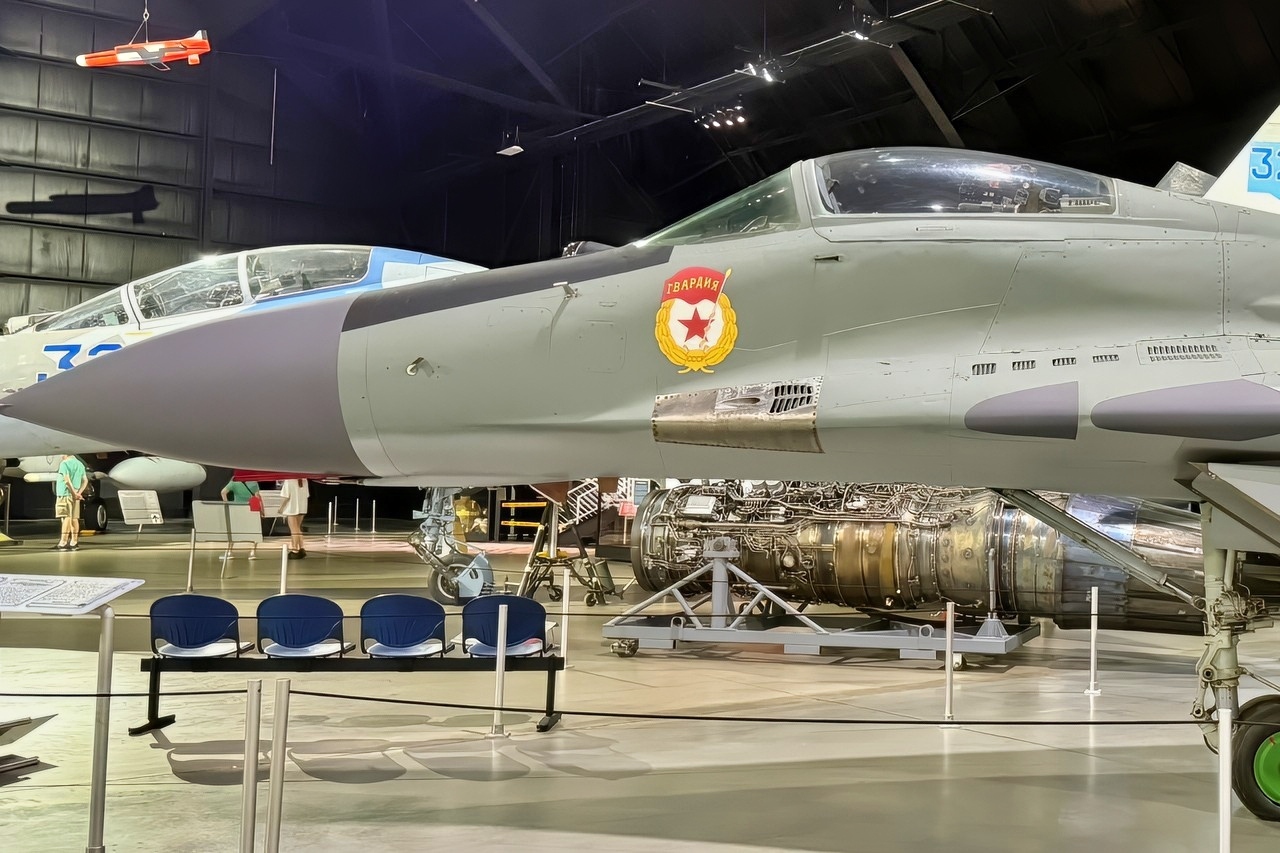
MiG-29 National Security Journal Photo Taken in July, 2025.
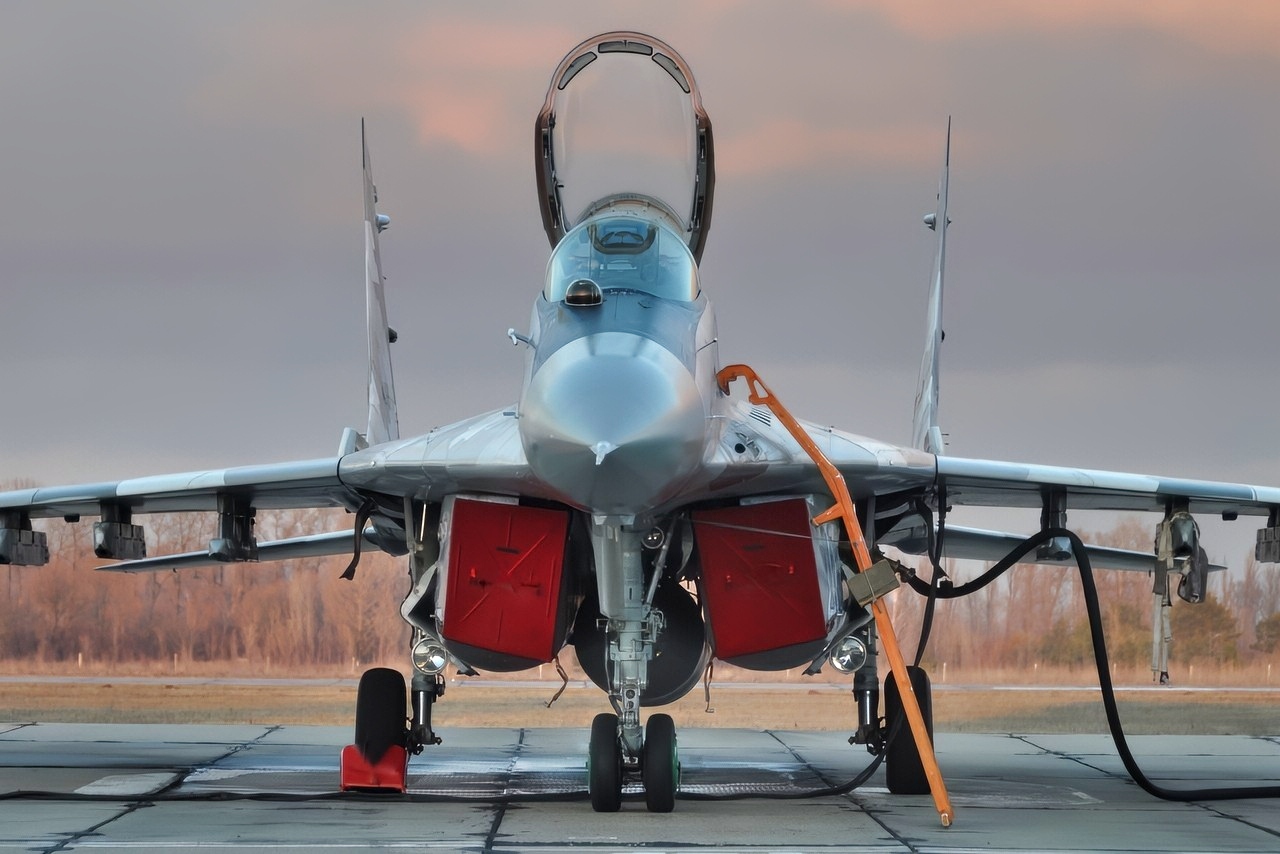
MiG-29 Fighter. Image Credit: Creative Commons.
A Spate of Russian Violations Over Poland
The measures were, according to Polish authorities, precautionary in nature, and no Russian aircraft, drones, or missiles were reported to have entered Ukrainian airspace.
But it is not the first time that Polish authorities have reacted to Russian attacks on western Ukraine.
Earlier this spring, in May, Warsaw scrambled fighter jets and upped its air defense readiness level in response to a Russian air attack on Ukraine.
Later in July, an apparently errant drone crashed in Poland’s Lublin region during another Russian air attack. Polish authorities would ultimately conclude that a Russian Kh-101 cruise missile had impacted within Poland.
And in September, a Russian helicopter flew an estimated 300 meters inside Polish airspace. According to Polish authorities, the helicopter flew from Russia’s Kaliningrad exclave on the Baltic Sea.
“The flight of the machine was observed by the radio-location systems of the Armed Forces of the Republic of Poland. Fighter aircraft were scrambled, and ground-based forces and assets remained on standby,” the Polish Armed Forces Operational Command wrote. “The nature of the incident indicates that Russia is once again testing the readiness of our air defense.”
While Poland’s air defenses are seemingly in working order, those in Ukraine have faced crippling restrictions — seemingly a joint decision from the American President Donald Trump and the world’s richest man, Elon Musk.
Hobbling Ukrainian Capabilities
Elon Musk ordered the recent slowdown in Starshield connectivity — a military-grade version of Starlink satellite communications — The Wall Street Journal reports. The slowdown reportedly affects aircraft flying above 130 kilometers (about 80 miles per hour) and makes many of the drones and interceptor aircraft Ukraine relies on for offensive and defensive operations essentially useless.
While American President Donald Trump previously touted a truce he said was struck between Russia and Ukraine that would, had it held, have seen a tentative pause on strikes against each side’s energy facilities, that agreement is seemingly in tatters. Ukrainian strikes on Russian oil and gas infrastructure continue, and have contributed, along with the war in Iran, to today’s elevated energy prices. With the American midterm elections on the horizon, pump prices could prove a significant weakness for the president and the Republican Party.
Posting to X last week, Musk flatly denied any involvement with the decision to throttle Starshield speeds. “Starshield systems are owned and controlled by the US government,” Musk wrote. “Any limits on speed or usage are decided by the US military and ultimately POTUS.” After the slowdown, both the White House and SpaceX initially said they didn’t know who decided to slow service in Ukraine, but according to The Wall Street Journal, Musk discussed the matter with “multiple senior administration officials, including with Trump,” before the Starshield slowdown.
The Price of Oil
While the ongoing war in Iran has not sent oil prices nearly as high as some analysts initially predicted, global oil futures remain elevated compared to prewar levels. Saudi Arabia’s East-West Pipeline, which unloads at Yanbu, the Kingdom’s Red Sea port, has provided a vital alternative conduit for global access to oil that entirely skirts the Strait of Hormuz bottleneck.
The United States Navy’s efforts to pry open the Strait have been largely successful, too. But Iran’s Islamist regime is bent on causing as much pain to the American president and the party he controls before midterm elections.
Cognizant of this weakness, President Trump urged Volodymyr Zelensky to stop hitting Russian oil facilities earlier this month. “We said, ‘You can do whatever you want to Russia. Don’t hit the refineries because that’s a world problem,’” Trump said to reporters.
“He wants to make problems for the world. He wants to make problems for our farmers, our ranchers with diesel fuel, because Russia supplies a large portion of the diesel fuel around the world.”
“And what does he do? He goes and hits the diesel fuel,” Trump added. “He better damn well stop.”
About the Author: Caleb Larson
Caleb Larson is an American multiformat journalist based in Berlin, Germany. His work covers the intersection of conflict and society, focusing on American foreign policy and European security. He has reported from Germany, Russia, and the United States. Most recently, he covered the war in Ukraine, reporting extensively on the shifting battle lines in Donbas and the war’s civilian and humanitarian toll. Previously, he worked as a Defense Reporter for POLITICO Europe. You can follow his latest work on X.


