
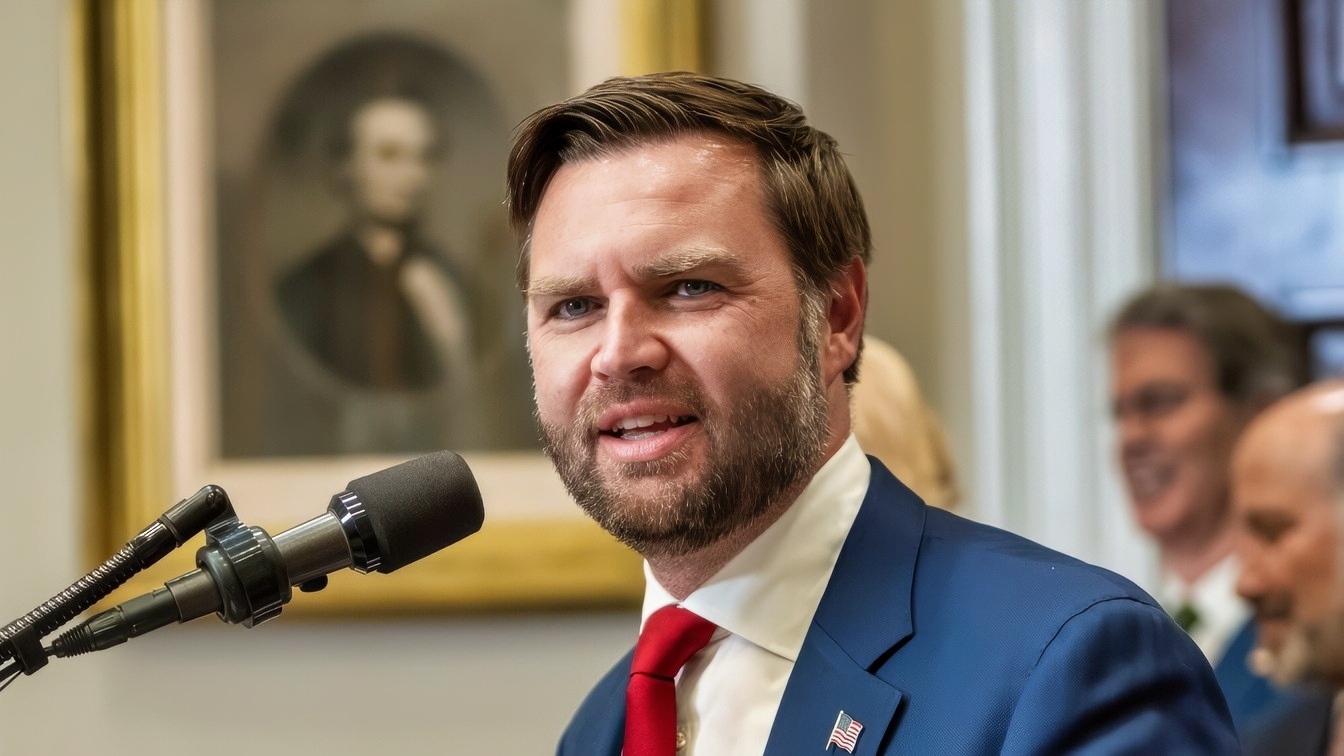
Vice President JD Vance has not confirmed plans to run for president in 2028, but if he does, President Donald J. Trump and this year’s midterm elections may have complicated it substantially.
President Trump may even be aware of it.
The vice president is publicly blaming the Iran war for the losses and publicly signaling his disagreements with the president over the conflict, and the president isn’t even fighting back.
In a long statement published on X on Wednesday, November 4, Vice President Vance argued that the Republicans lost control of Congress in historic sweeping losses because voters who supported the Trump-Vance ticket in 2024 were abandoning the party over a combination of the war, inflation, and America’s relationship with Israel.
The comments have been widely interpreted as an effort to distance himself from the Trump administration’s policies of late, as the GOP collectively asks itself what comes next.
The comments also follow months of reports that suggested Vance privately opposed the president’s decision to launch the war against Iran.
Vance Blames the War
Writing on Wednesday morning, Vance offered a frank assessment of the election results and explained why he believed Republican turnout was not primarily responsible for the defeat. Vance said internal Republican data showed large numbers of Trump supporters preparing to vote Democrat this time around, and that Republican turnout remained relatively strong.
He also described conversations he had with pollsters who identified the four main concerns that moved voters away from the GOP: ending the war with Iran, addressing inflation, putting America first, and changing the country’s relationship with Israel.
Three of those concerns reflect campaign promises the president has repeatedly made. The fourth — changing America’s relationship with Israel — is new.
And it could be a nod to the growing number of young Americans, Democrat and Republican, who are publicly criticizing the state.

B-1B Lancer. Image Credit: Creative Commons.
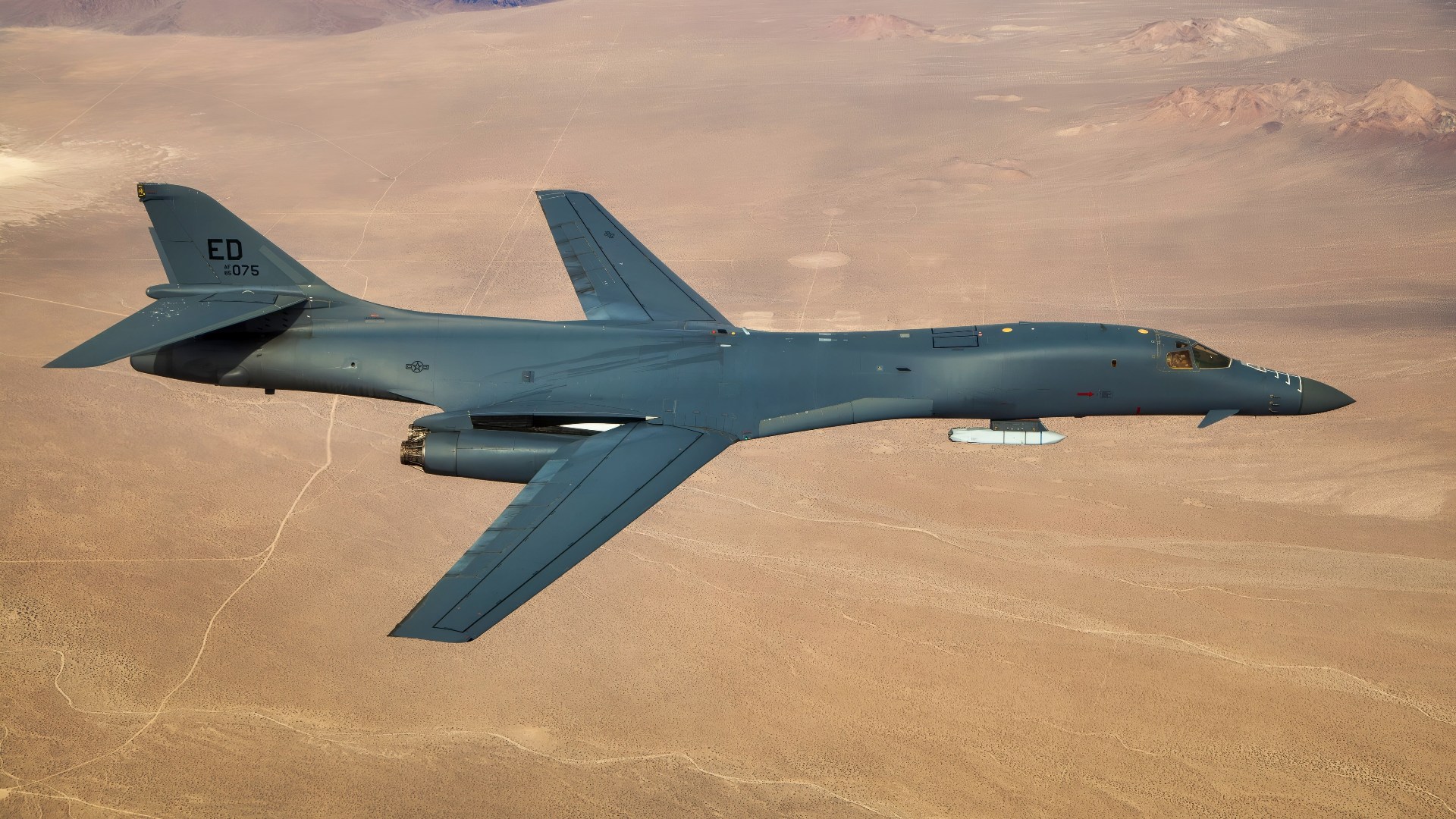
A B-1B Lancer with a Joint Air-to-Surface Standoff Missile (JASSM) flies in the skies above Edwards Air Force Base, California, Nov. 20. The flight was a demonstration of the B-1B’s external weapons carriage capabilities. (Air Force photo by Ethan Wagner)
“The reason we lost is the war. The president himself said so last night,” he said.
“If you’d like to argue it was worth it, that losing the Senate for the next 6 years was worth it, then do so. Argue it was a worthwhile cost to pay. Agree or disagree, that’s at least honest,” he continued.
The statement is clearly an effort by Vance to distance himself from the administration’s unpopular military campaign against Iran — and what might come next.
Trump Won’t Criticize Vance
What is particularly curious about Vance’s statement is how the president has responded.
Speaking to reporters at the White House on Wednesday, the president said that he understood the vice president’s position and considered his statement fair.
“I know how he feels about it. I think it was fine. I thought it was good,” Trump said.
It was a remarkably restrained comment from a president known for attacking even his own supporters and close allies when they publicly disagree with him.
Only the night before, Trump was slamming Fox News for its largely accurate polling and even accusing the network of helping the Democrats in the midterm elections by giving high-profile party figures airtime.
Trump went on to defend his decision to strike Iran, arguing that preventing Iran from developing nuclear weapons outweighed the political consequences his party is now facing.
The president even said that he would make the same decision all over again.
Trump and Vance clearly disagree, and with another potential round of strikes against Iran believed to be incoming, it will be interesting to see just how magnanimous Trump can be about his own vice president opposing his war.
Is Trump Protecting His Successor?
So why might Trump be so willing to protect Vance?
Part of it may simply be the fact that he is his vice president; he chose Vance to assume the position, and he cannot replace him.
But some have also suggested that Trump might be trying to protect Vance.
CNN White House correspondent Kevin Liptak described the developments as a major rupture within the administration — particularly after the president’s son, Donald Trump Jr., publicly endorsed the vice president’s statement.
Writing on X, Trump Jr. responded, “Every word of this is ”
It’s clear that high-profile figures within the administration and even within the president’s own family oppose what he is doing in Iran — and these are people Trump cannot easily attempt to discredit publicly through his usual methods.
Perhaps, then, Trump is letting Vance and others establish a different position on the war ahead of 2028, when the war may well have ended, but the impact on refining capacity has not.
If global tensions persist and the economy cannot recover before 2028, perhaps a Republican candidate’s only hope is of distance themselves from the current president’s policies.
And perhaps Trump knows this, too.
About the Author: Jack Buckby
Jack Buckby is a British researcher and analyst specializing in defense and national security, based in New York. His work focuses on military capability, procurement, and strategic competition, and he produces and edits analysis for policy and defense audiences. He brings extensive editorial experience, with a career output spanning over 1,000 articles at National Security Journal, and has previously authored books and papers on extremism and deradicalization.


