

President Donald Trump has held talks with the emir of Qatar as mediators try to avert major clashes with Iran and resolve disagreements over reopening the Strait of Hormuz and kick-starting nuclear talks.
A readout said the leaders spoke regarding efforts toward “a comprehensive agreement that resolves the crisis.”
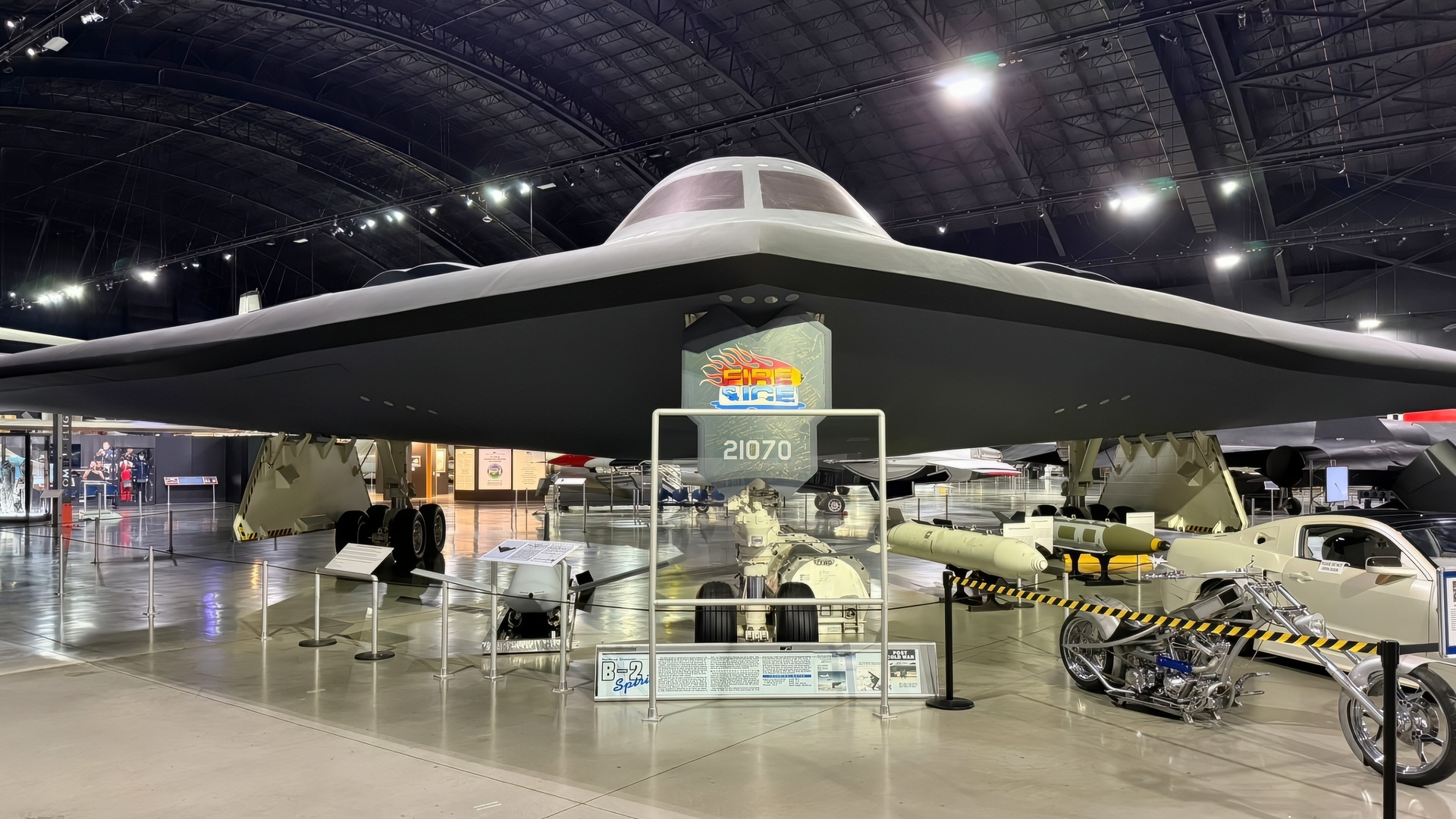
B-2A Spirit On Display. Image by Editor Harry J. Kazianis/National Security Journal.
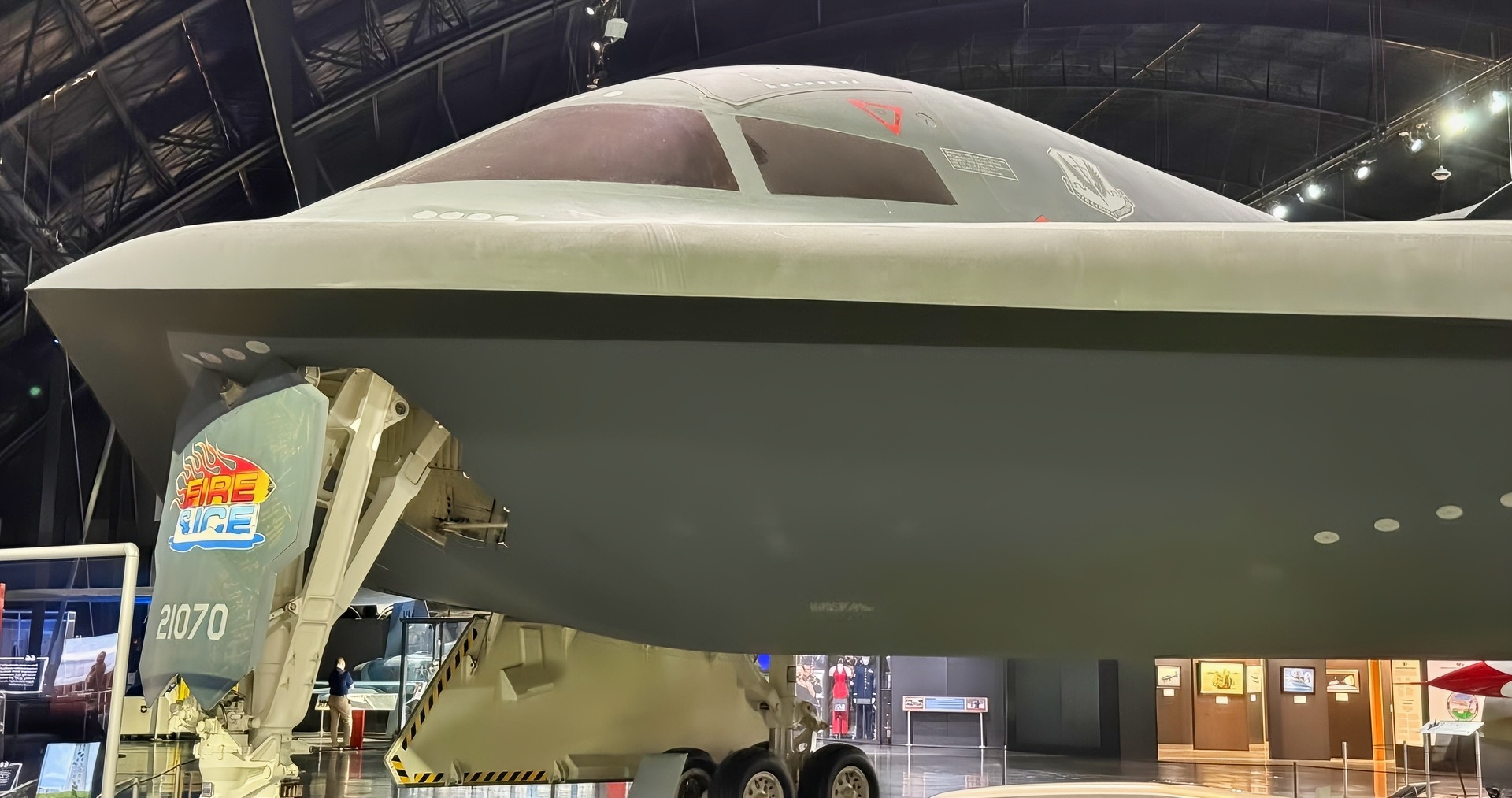
B-2A Spirit Stealth Bomber USAF Museum. Image Credit: Harry J. Kazianis/National Security Journal.
It comes after fresh threats from Trump that there could be further attacks on Iran.
Qatar’s Backchannel Diplomacy
The emir emphasized “safeguarding freedom of maritime navigation and the security of energy supplies,” according to QNA.
Doha has been trying to broker dialogue between Washington and Tehran. Qatari diplomats traveled to Tehran earlier this week, and the meeting on Monday lasted about three hours.
At the same time, both sides still tried to bridge the gap between their demands, the foreign ministry said in a statement.
“There are intensive joint regional efforts underway to avoid escalation,” Ministry Spokesperson Majed al-Ansari told a news briefing on Tuesday.
However, the ministry noted that it was too early to pinpoint any breakthrough. The Qatari government said it was working with Pakistan to mediate and has coordinated with other Gulf states.
Trump Still Threatens Attacks
On Friday, The Times of London reported that Iranian officials in settlements close to nuclear sites had begun distributing iodine tablets.
Such medication can be used to help protect thyroids against absorbing irradiated debris that can enter the air when nuclear sites are bombed.
Trump’s comments on Thursday also suggest that renewed strikes remain a threat.
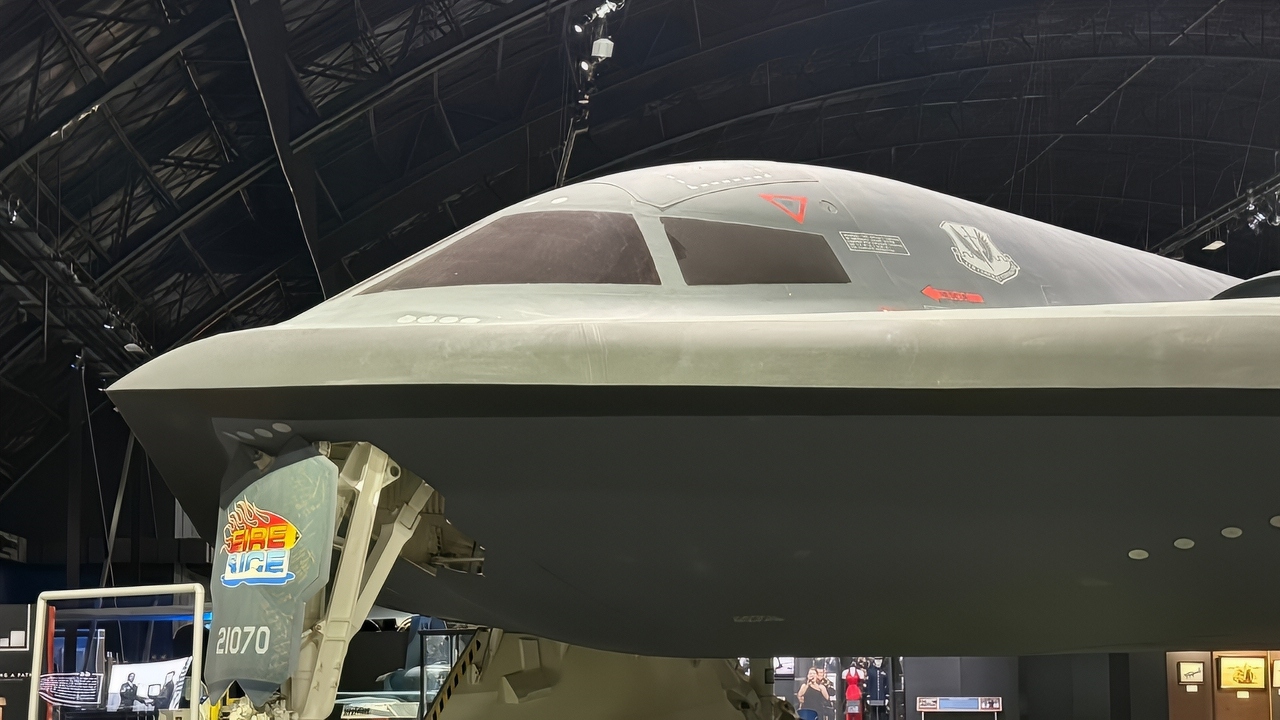
Really Close Up of B-2 Bomber in Dayton, Ohio Museum. Image Credit: National Security Journal Image.
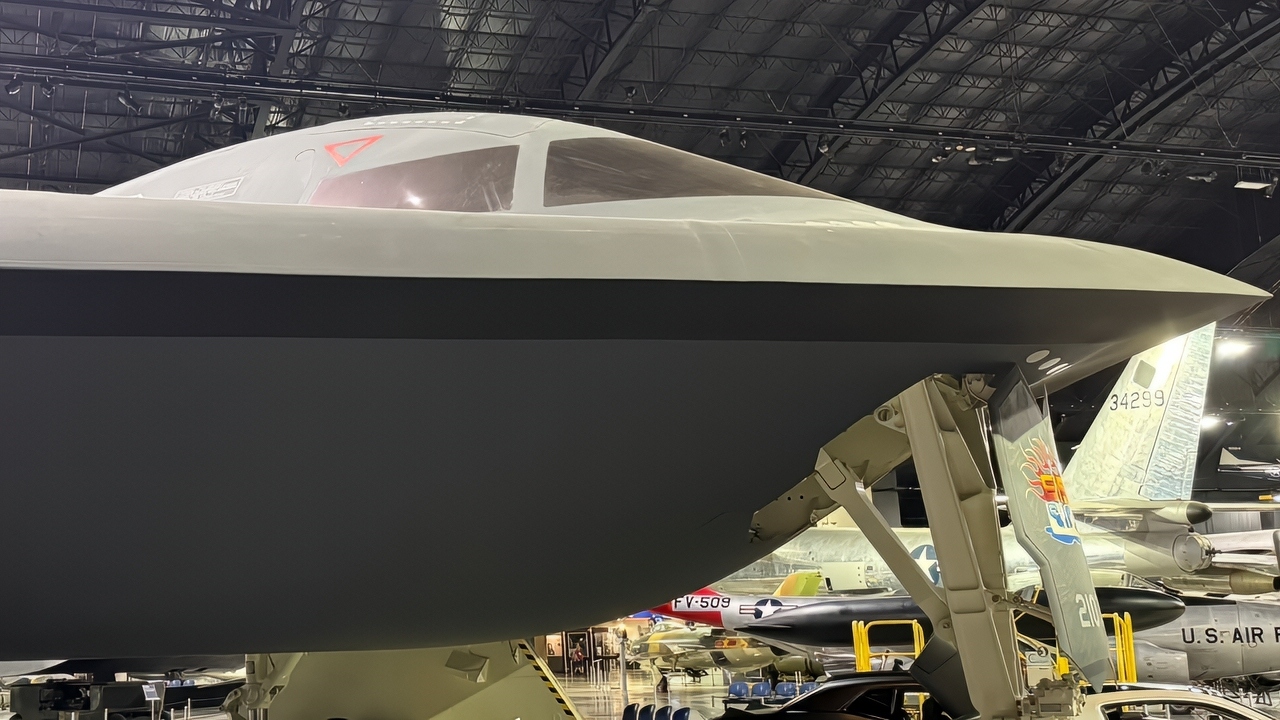
B-2 Bomber Really Close Up National Security Journal Photo
“I would rather not destroy the rest of the country if possible, but maybe I’ll have to,” he told reporters in the Oval Office.
“You’ll know soon enough,” he added.
The call comes after Tuesday’s midterm elections, which saw Democrats take control of Congress. Brent traded below $98 a barrel on Friday after rising almost 4% in the previous session.
On October 31, Secretary of State Marco Rubio emphasized the importance of the diplomatic route.
Rubio also noted that Trump would prefer to resolve the issue diplomatically, explaining: “There are multiple talks. Talks have actually never stopped.”
Tehran Sends Proposal Through Doha
A senior Iranian official told Reuters on Thursday that Tehran had sent an offer on nuclear talks to Washington through Qatar.
The official, who chose not to be named, said that the U.S. was considering the offer but would not go into detail.
Iran continues to argue that Washington must meet its seven demands.
These include lifting sanctions, unfreezing Iranian assets, and paying war reparations. However, Washington insists that nuclear issues must be included in initial negotiations.
Iran’s restrictions on shipping through the Strait of Hormuz and the U.S. blockade of Iranian ports remain central obstacles in the negotiations.
Iran’s security chief, Mohsen Rezaei, backed Tehran’s position during a visit to Russia this week.
Rezaei has been subject to an Interpol Red Notice due to his suspected involvement in a 1994 bombing attack on a Jewish community center in Argentina.
“As long as they do not execute our seven conditions, we will neither open the Strait of Hormuz nor have negotiations,” he said on Thursday.
Rezaei said Iran would neither reopen the strait nor negotiate until Washington fulfilled Tehran’s seven conditions. Neither the statement nor Qatar’s readout on Friday mentioned that Washington agreed to Tehran’s conditions.
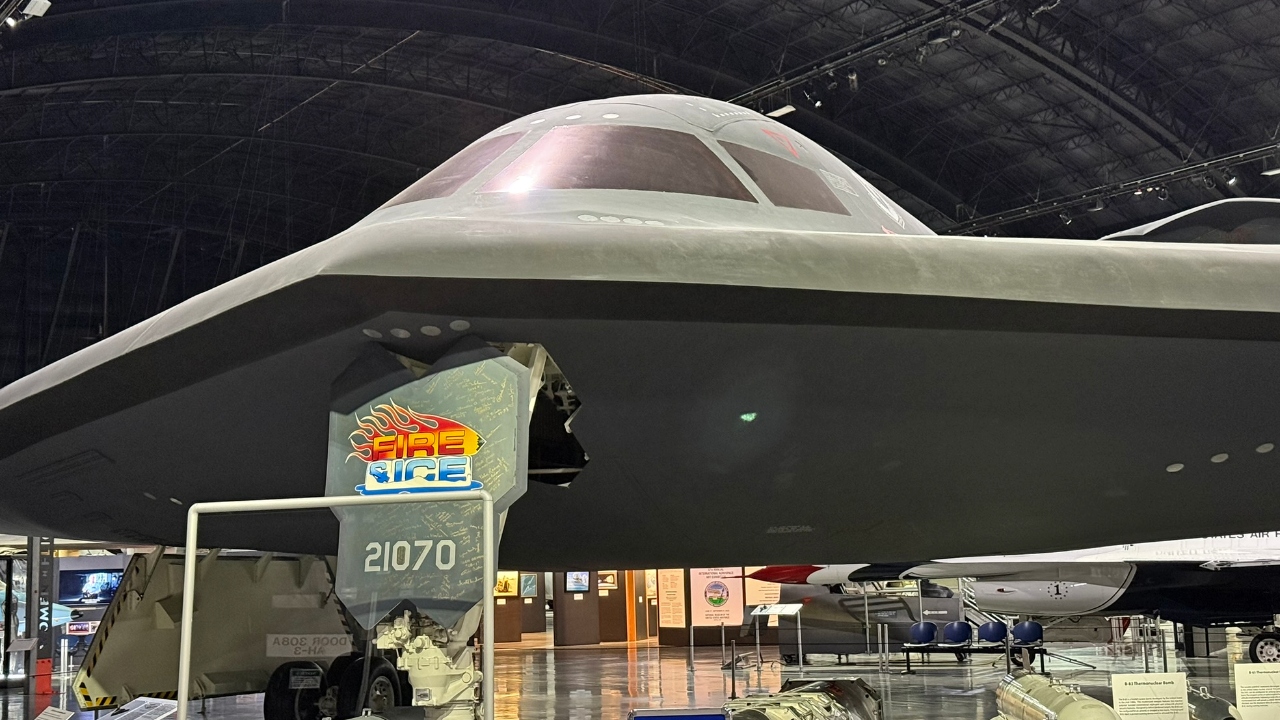
B-2 Bomber @ U.S. Air Force Museum. Image Credit: National Security Journal.
Qatar Criticizes Vessel Attack
Qatar criticized the attack on its vessel Al Mayeda during Tuesday’s briefing.
The foreign ministry said ensuring free navigation in Hormuz and the Gulf was non-negotiable.
It rejected threats made against freedom of navigation for Qatari and other commercial vessels.
The ministry also warned that attacks on vessels would affect the ongoing talks.
Iran’s Foreign Minister Abbas Araghchi also spoke to regional counterparts.
The Qatari foreign ministry said the ministers discussed “joint coordination to reduce tensions and restore security and stability in the region,” following his call with Prime Minister Sheik Mohammed bin Abdulrahman bin Jassim Al Thani.
WAM said Sheik Abdullah bin Zayed stressed “the importance of de-escalation and advancing diplomatic efforts” during his call with Araghchi.
Pakistan’s readout said Foreign Minister Ishaq Dar called for “lasting peace, security and stability in the region.”
The war broke out on February 28 after attacks by the U.S. and Israel on Iran. Iran responded by attacking Israel and Gulf states with American bases.
About the Author: Georgia Gilholy
Georgia Gilholy is a journalist based in the United Kingdom who has been published in Newsweek, The Times of Israel, and the Spectator. Gilholy writes about international politics, culture, and education.


