

Kyiv is bracing for a cold winter as continued Russian attacks leave people fearing a lack of electricity, water, and heat.
An 86-year-old woman with a broken foot is unable to leave her 13th-floor apartment independently due to the lack of electricity, per media reports.
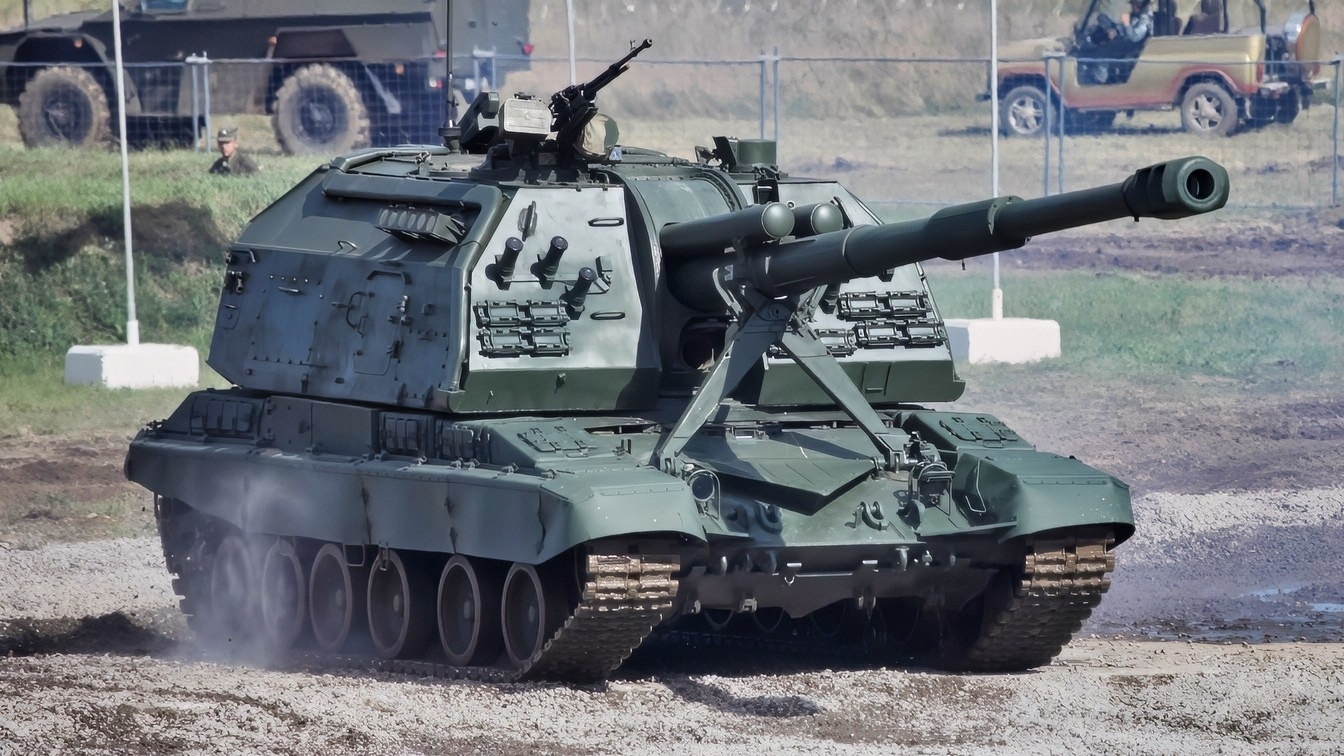
MSTA-S Russian Artillery. Image Credit: Creative Commons.

Finnish artillery units fire Howitzers At Rovajärvi exercise area In northern Finland. Image Credit: NATO Flickr.
Oleksandr Gramatskiy, the woman’s son, said that he and his mother were stuck outside the building for four hours waiting for the electricity to come back on, so they could take the elevator up to her home.
“I thought I would have to carry her,” he told the Kyiv Independent, adding: “I even tried it one time, but it’s impossible.”
Situations like these are becoming increasingly common across the capital as residents fear being without reliable electricity, heating and water during the winter after multiple attacks by Russia.
Sofia Hohol, 22, told the Kyiv Independent that the city was “not ready” for the coming winter.
“It’s just brutal,” said another resident, Yuliia.
Russia Attacks Power Infrastructure
The threats come after Ukraine’s Air Force said on November 9 that Russia launched 317 drones, including 105 jet-propelled ones, in an overnight attack.
It also reported that 276 aerial targets were destroyed or suppressed and that strikes hit 31 locations.
Russia’s Defense Ministry said it had attacked four electrical substations in Ukraine.
It comes after a large-scale attack on November 3-4 using 289 drones, 17 ballistic missiles and 59 cruise missiles, according to President Volodymyr Zelenskyy. Three out of five DTEK thermal power plants were taken offline.
Grid operator Ukrenergo said the energy sector remained in a difficult situation, although Kyiv briefly returned to planned outages on November 4.
Attacks on November 7 caused further damage to the electricity infrastructure and the Northern Bridge, and Zelenskyy has accused Russia of trying to cause a blackout in Kyiv and across the country.

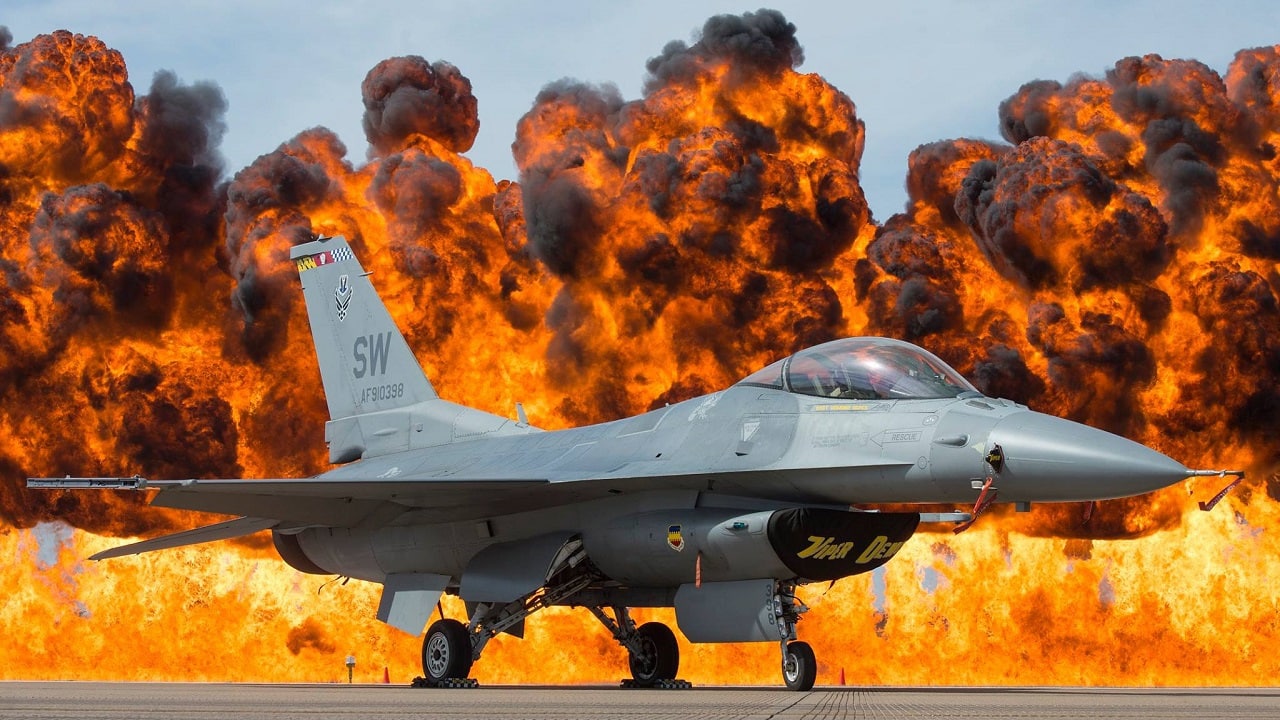
U.S. Air Force Staff Sgt. Jason Lewey from the 8th Aircraft Maintenance Squadron marshals an F-16 Fighting Falcon from the 35th Fighter Squadron at Kunsan Air Base, South Korea, after returning from a training mission during RED FLAG-Alaska 09-2 at Eielson Air Force Base, Alaska, on April 20, 2009. RED FLAG-Alaska provides training for deployed maintenance and support personnel in sustainment of a large-force deployed air operation.
(DoD photo by Senior Airman Jonathan Snyder, U.S. Air Force. (Released))
Kyiv Faces Risk of Sewage Issues
Kyiv also uses electric pumps to move sewage to the city’s treatment plant, meaning lengthy outages could cause serious public health hazards.
“Equipment is aging, and a lack of electricity for pumping can have serious consequences,” Olexandr Skhin, director of Ukraine’s Association of Water Utilities, told the Kyiv Independent.
The barrage of November 3 left residents without running water for over 24 hours and caused the worst water shortage in Kyiv since Russia launched its full-scale invasion.
The World Health Organization has stressed that the damage to infrastructure puts heating, water and essential health services at risk throughout the winter.
Increasingly advanced Russian drone technology makes protecting infrastructure difficult.
Jet-propelled drones have “changed the game to some extent,” said Olena Pavlenko, president of the DiXi Group energy think tank, because they can “destroy more distributed generation infrastructure.”
While Ukraine has added around 400 megawatts of decentralized gas generation, the International Energy Agency warned on November 4 that “as Russian drones become more sophisticated, they threaten to outpace these efforts.”
Over 30% of Ukrainian homes use district heating, making them particularly vulnerable to continued strikes on infrastructure.
Zelenskyy and Kyiv Mayor Clash
The situation has sparked a clash between Zelenskyy and Kyiv Mayor Vitali Klitschko. Zelenskyy blamed the capital’s difficulties partly on failures by city authorities to implement preparations for the heating season, alongside Russia’s attacks on Ukraine’s energy infrastructure.
Klitschko called the accusations “constant manipulations.” He accused the central government of “creating constant obstacles” and delaying the city’s resilience plan.
The situation escalated when the city’s heating company Kyivteploenergo alleged that police searches “may indicate political pressure.”
Prosecutors have denied searching the firm’s properties and claim they were probing potential misuse of public funds.
Emergency Aid Earmarked
Meanwhile, ordinary residents are stocking up on food, water and batteries ahead of more expected chaos.
In July, the United Nations launched a major appeal for $358.4 million in charity to assist 2.1 million Ukrainians across the 2026–27 winter period, ahead of the expected problems.
“Preparing for winter cannot begin when the first snow falls – it must begin now,” humanitarian coordinator Matthias Schmale said.
Last month, the UN said that an estimated 84% of the aid has been earmarked for communities within 50 kilometers of the frontline with Russia.
On Sunday, Zelenskyy instructed authorities to prepare free alternative public transportation options and allocate buses because of ongoing disruptions to bridges and the metro system.
About the Author: Georgia Gilholy
Georgia Gilholy is a journalist based in the United Kingdom who has been published in Newsweek, The Times of Israel, and the Spectator. Gilholy writes about international politics, culture, and education.


