

Ukraine carried out new attacks on Russian oil facilities despite renewed pressure from U.S. President Donald Trump ahead of Tuesday’s elections.
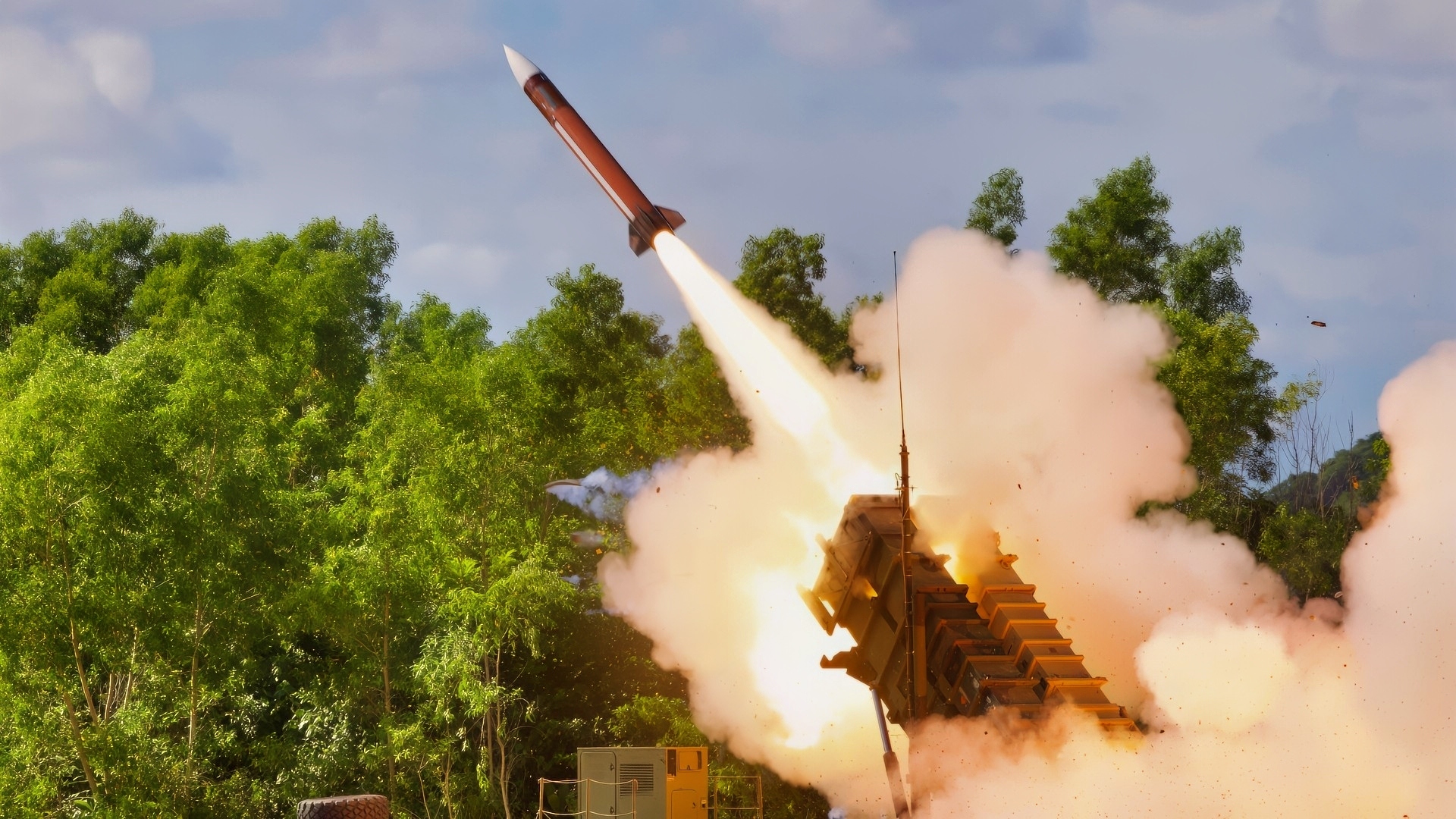
Ukrainian President Volodymyr Zelenskyy said he would stop refinery attacks if Washington supplied Patriot interceptors or Russia stopped attacking Ukraine’s energy infrastructure.
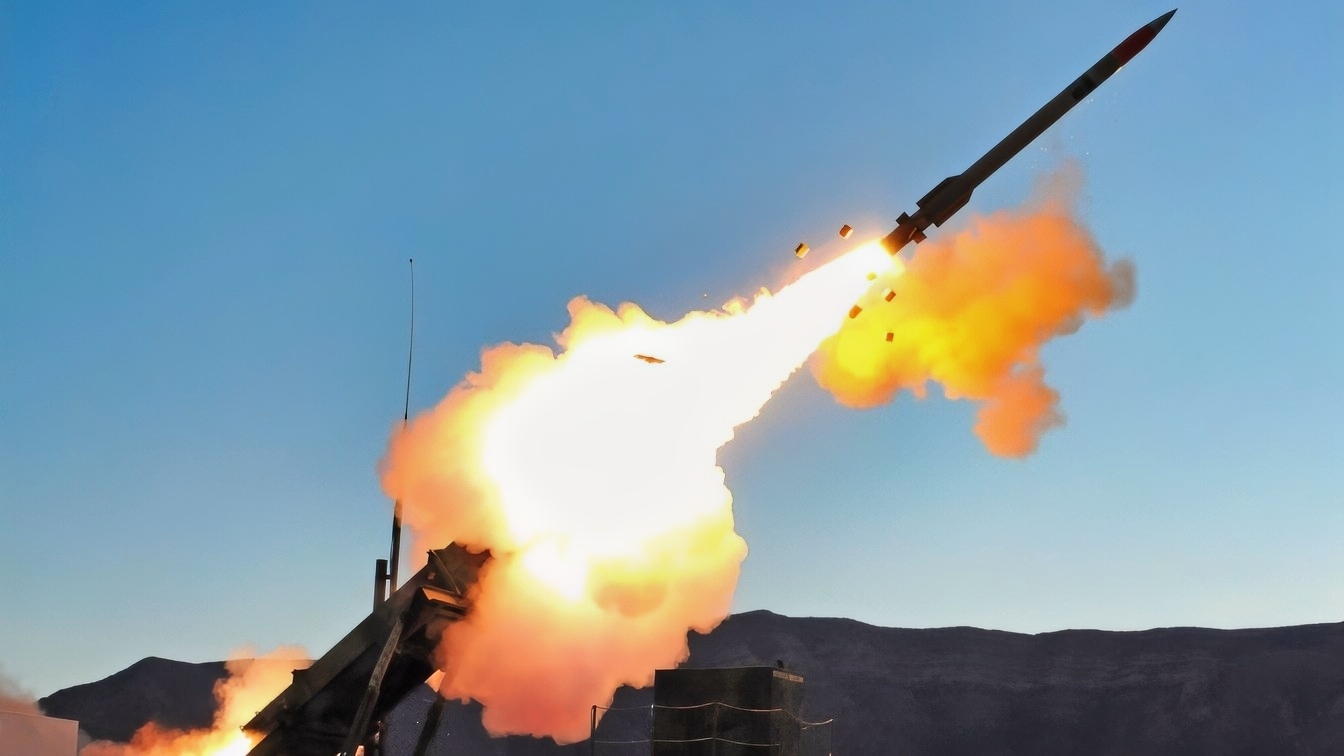
The Army test fires a Patriot missile in a recent test. The Patriot missile system is a ground-based, mobile missile defense interceptor deployed by the United States to detect, track and engage unmanned aerial vehicles, cruise missiles, and short-range and tactical ballistic missiles. Patriot, along with other missile defense systems, are included in the Army Air and Missile Defense 2028, which provides the Army’s overarching vision for the AMD force, describes how the AMD force is postured to support the Army and joint forces, and articulates what must be accomplished to achieve the 2028 desired end state of preventing and defeating adversary air and missile attacks through a combination of deterrence, active and passive defense, and support to attack operations. (U.S. Army photo)
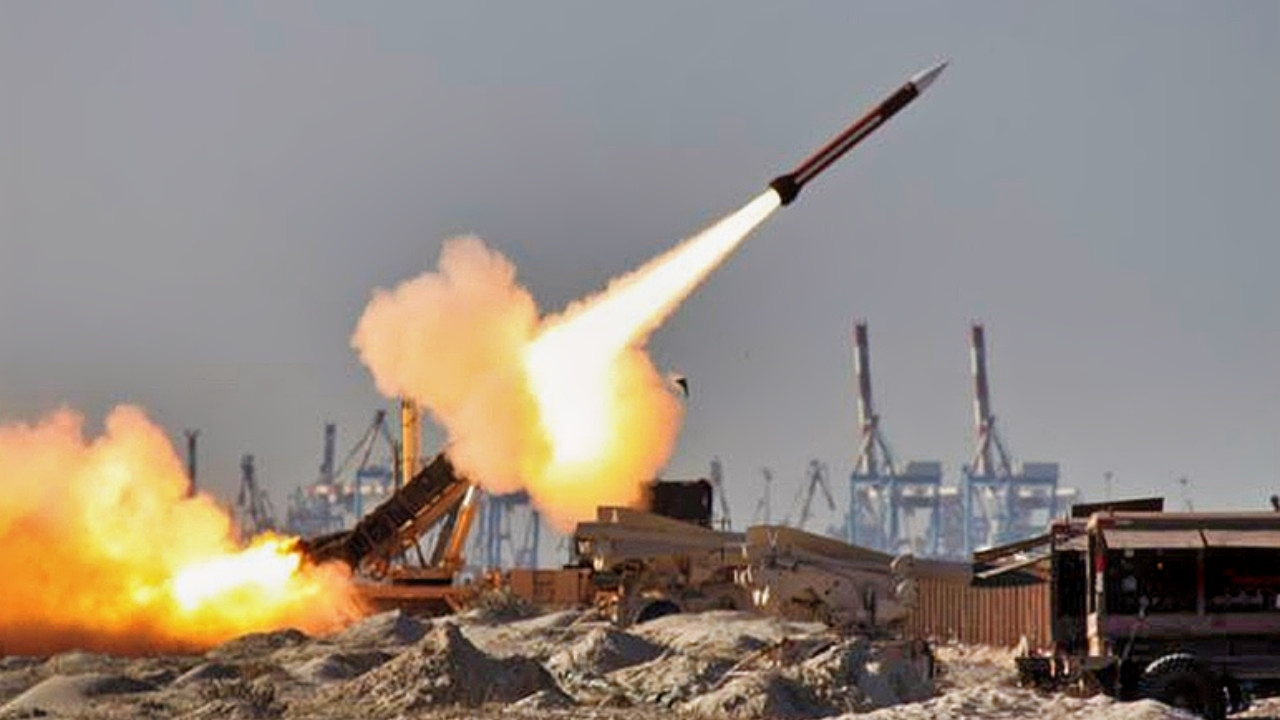
Patriot Missile Interceptor Test. Image Credit: Creative Commons.
“If you want us not to attack their oil refineries for one month, provide us with Patriots for one month,” Zelenskyy said in a Fox News interview on November 1.
“I don’t have any concerns when I share the truth between partners,” he added, Arab News reported.
Kyiv Rejects Claim It Agreed to Refinery Strike Pause
The Wall Street Journal reported on October 29 that Ukraine’s military had unofficially stopped hitting refineries because of U.S. pressure.
The paper suggested the pause was slated to continue until after the November 3 midterm elections.
During the midterm election campaign, Trump has publicly blamed Ukrainian refinery strikes for higher fuel prices.
On October 9, he announced a diesel agreement with Russia, and the Treasury Department issued a temporary license allowing Russian diesel transactions.
Ukrainian officials denied agreeing to halt the strikes.
“Jared suggested that we not hit refineries for 30 days,” a senior official told the Kyiv Independent, referring to U.S. envoy Jared Kushner. “Nobody had given such an order.”
Another senior official said Ukraine would continue the attacks but avoid publicly claiming responsibility so it would not appear to be provoking Washington.
Refineries Hit, Extent of Damage Unclear
Ukrainian drone maker Fire Point said its FP-1 drones struck the Novokuybyshevsk refinery in Russia’s Samara region on October 30 — including its diesel hydrotreating unit, the Kyiv Independent reported.
“We had a brief pause, but today, attacks on refineries have resumed, and our facilities are working to protect themselves,” Russian Deputy Prime Minister Alexander Novak said on Friday.
An attack on the Kstovo refinery was reported overnight into November 1. Nizhny Novgorod Governor Gleb Nikitin acknowledged “significant damage” to an industrial facility but did not identify it, Reuters reported.
On November 2, Ukrainian monitoring channels reported another attack on the Samara oil pumping and dispatch station near Prosvet.
The Kyiv Post said it could not independently verify the target or extent of the damage.
The station is a pipeline hub, not a refinery.
It is not clear how much disruption the fires have caused.
The Patriot Problem
Ukrainian President Volodymyr Zelenskyy said Russian attacks on energy infrastructure in four regions of the country knocked out electricity in hundreds of thousands of homes on Sunday.
“The intensity of the strikes is very high, and the Russians are seeking to exploit the deficit of ballistic missile interceptors maximally,” Zelenskyy noted via Telegram, according to Reuters.
Patriot interceptors are vital for stopping long-range missiles.
The U.S. approved a planned $2.1 billion deal to supply 500 Patriot PAC-3 MSE interceptors on October 30.
Canada, Germany and Norway will financially contribute to the purchase.
Ukraine will fund its contribution through an EU loan.
But this does not mean the missiles will be made available to Ukrainian air defense forces immediately.
“500 PAC-3 interceptors is a substantial number,” Zelenskyy noted, but admitted that the results would hardly be instant as “deliveries may begin only in a few years.”
Two sources close to the decision told Reuters they were unlikely to arrive before the early 2030s.
Ukraine’s Ministry of Defense is reportedly seeking interceptors from existing U.S. military stockpiles, which it would then replenish with newly manufactured missiles.
Brief City-specific Truce Concludes
A six-day humanitarian ceasefire in and around the Russian-occupied town of Oleshky ended on Sunday.
“The ceasefire, which was in effect from October 27 to November 1, has ended,” Ukrainian ombudsman Dmytro Lubinets said, the Guardian reported.
“I hope Oleshky serves as a foundation for lasting peace between both nations,” U.S. first lady Melania Trump, who helped broker the truce, wrote on November 1.
Ukrainian officials said Russia had refused to extend the local truce.
Speaking about a broader ceasefire on Friday, Kremlin spokesman Dmitry Peskov said: “We have stated repeatedly that we are opposed to a ceasefire that would provide a respite for the Ukrainians,” Anadolu reported.
About the Author: Georgia Gilholy
Georgia Gilholy is a journalist based in the United Kingdom who has been published in Newsweek, The Times of Israel, and the Spectator. Gilholy writes about international politics, culture, and education.


