

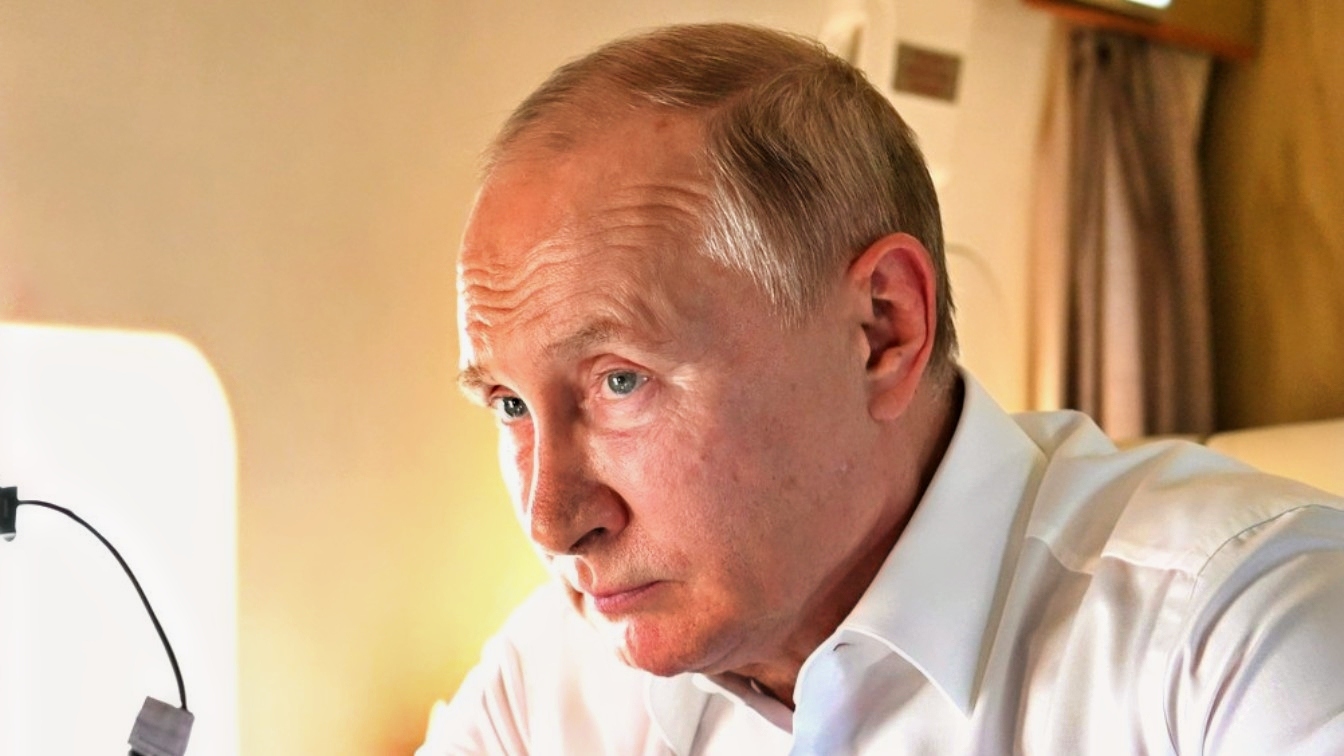
While the world has been transfixed by the slow-rolling disaster in the Middle East, the war in Ukraine has dragged on, with some significant developments.
In fact, the Middle East conflict between the United States, Israel, and the Islamic Republic of Iran has drained stockpiles of critical US munitions to the point that Washington is having to prioritize its mission in the Middle East at the expense of Ukraine.
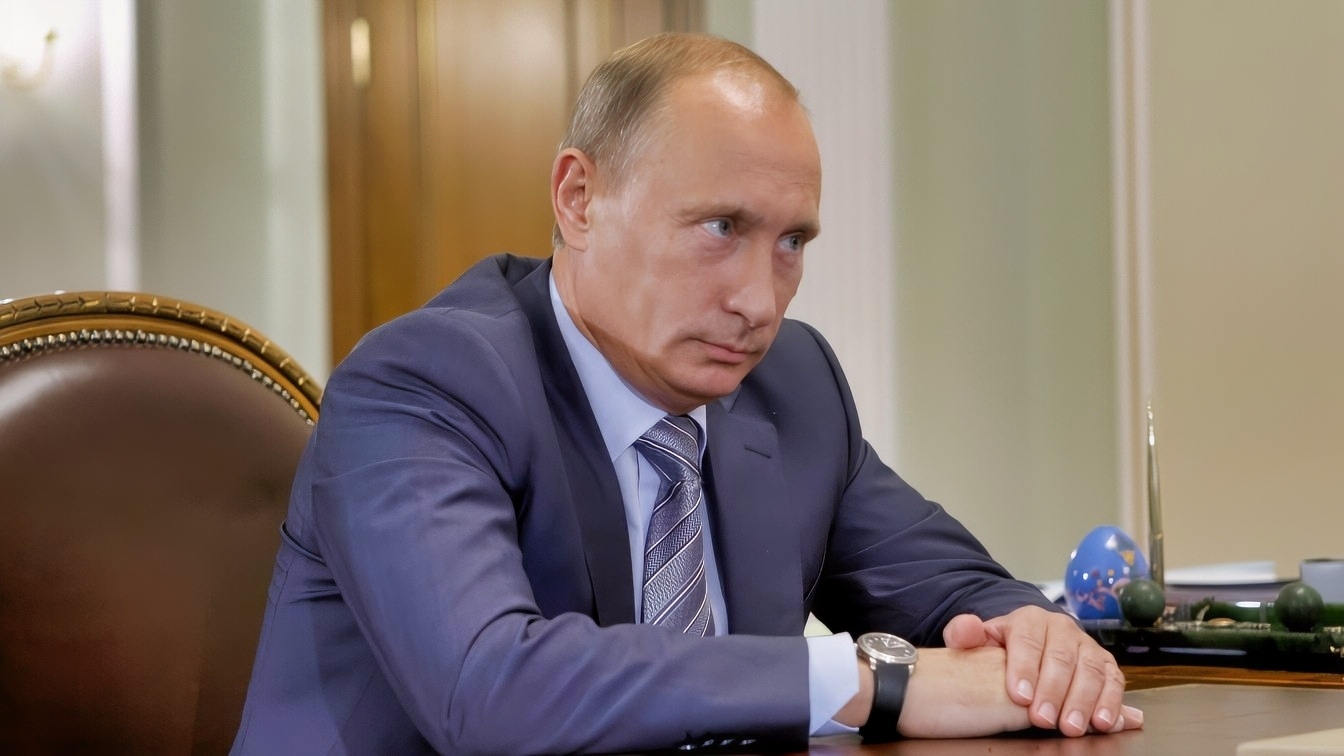
Putin Back in 2010 Creative Commons Image
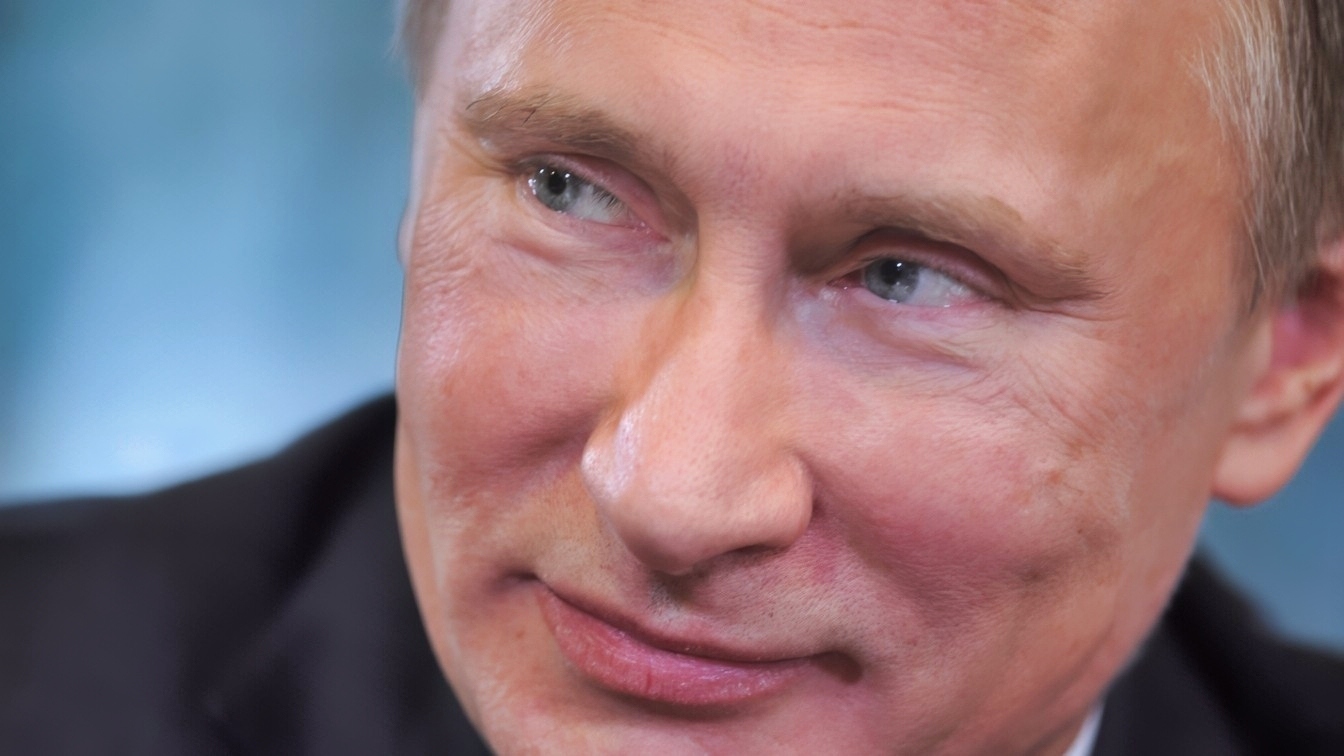
Putin at Women’s Forum Creative Commons Photo
Meanwhile, the Russians continue their slow but steady encirclement of Russia’s remaining Fortress Cities while pressuring the rest of Ukraine with sustained bombardment.
A Nightmare Unfolds: Putin Makes Winter a Weapon
In Ukraine’s capital of Kyiv, the denizens there are preparing for what could become its most difficult Winter since Russia invaded the country in February 2022.
Putin has clearly turned Winter into a weapon. Temperatures are already falling, and Russian missile and drone attacks have intensified, as Moscow incorporates the changing weather into its wider pressure campaign on Ukraine and its government.
Around three million residents in Kyiv face the prospect of prolonged electricity blackouts, heating failures, water shortages, and even sewage system breakdowns as winter sets in.
The Kyiv Independent, a Ukrainian online newspaper, reports that residents worry about the city’s preparedness for Winter.
This brewing crisis has created political tensions between Ukrainian President Volodymyr Zelensky and Kyiv Mayor Vitali Klitschko.
Earlier this Fall, Klitschko shocked the world when he advised Kyiv residents who could evacuate before Winter to do so, citing concerns about a breakdown in the capital city’s water infrastructure.
Zelensky has publicly complained about Kyiv’s lack of preparedness for the coming Russian Winter Offensive against Kyiv’s infrastructure.
That was a clear shot at Mayor Klitschko, who rejected those accusations.
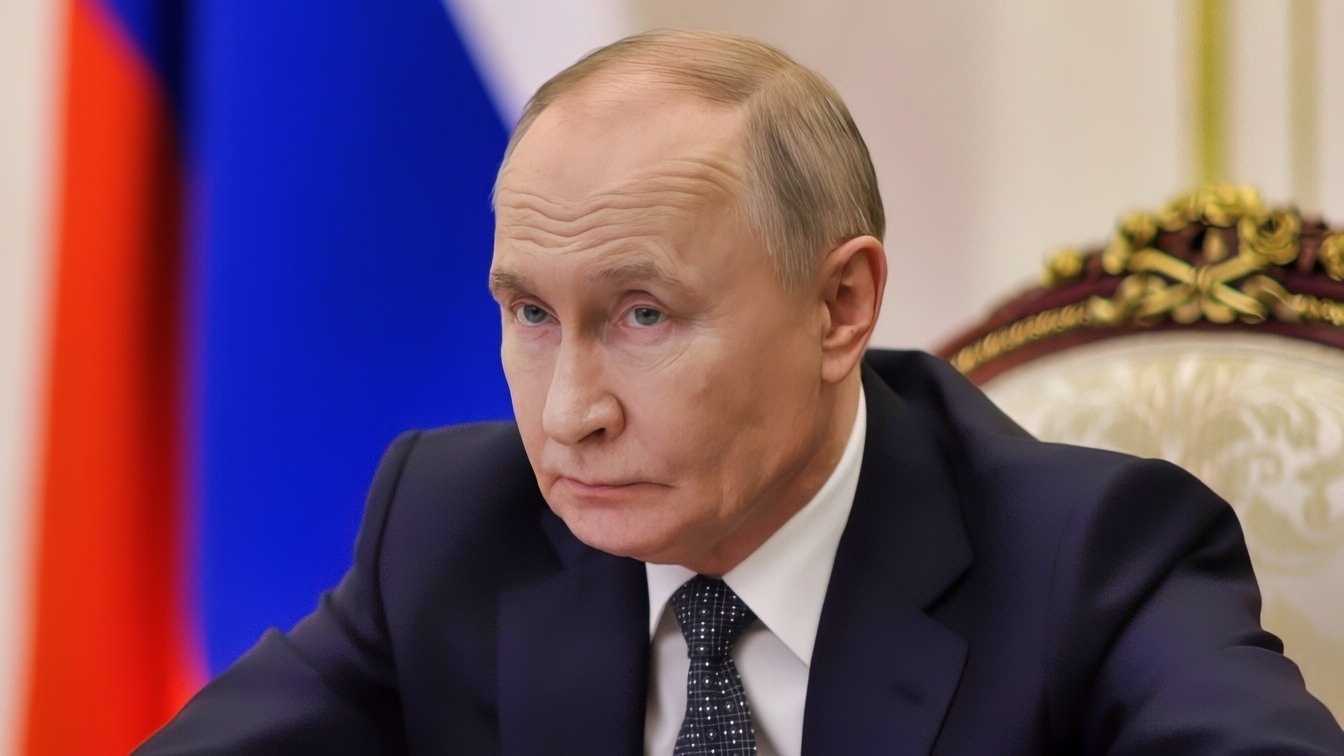
Putin Back in March of 2025 at Desk Creative Commons Image.
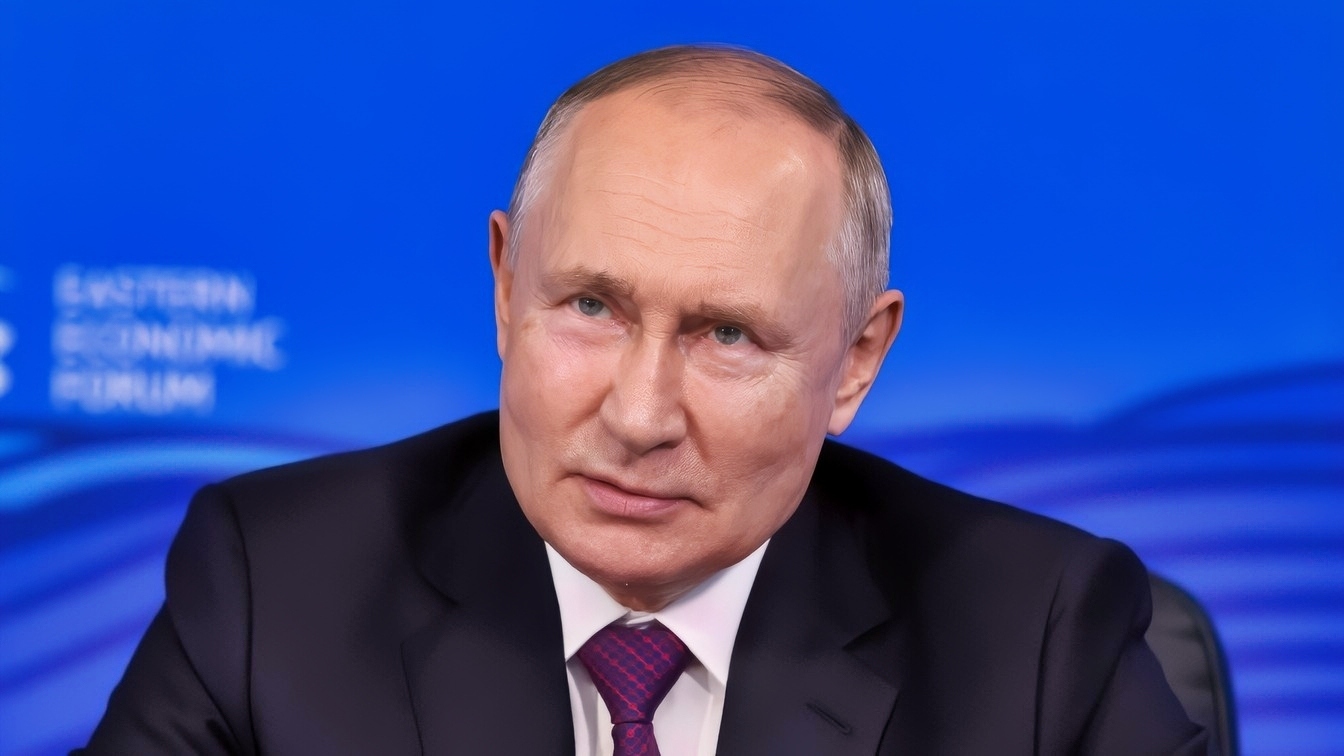
Putin in 2023 Image Credit Creative Commons
The mayor insisted that Ukraine’s central government had delayed approval of the capital’s resilience plan for six months.
He went a step further, accusing national authorities of withholding promised funding to repair Kyiv’s damaged CHP-5 combined heat and power plant.
In May, energy specialists warned that Kyiv had failed to secure the full $1.4 billion required to strengthen its energy security.
What’s more, Ukraine must decentralize heating and electricity generation so essential services can reach Kyiv residents, even if Russian attacks destroy major facilities (which they will).
Delays in financing, construction, and regulatory decisions have stalled progress.
Anger Erupts
The public is growing agitated as temperatures drop and Russia’s pressure on Kyiv increases. Protests have already erupted over the lack of mobile shelters, something that Mayor Klitschko promised earlier this year.
What you are witnessing is a society on edge, as an invading army puts what it thinks is the final squeeze on Ukraine.
This Winter will be awful for Kyiv’s residents.
Russia has systematically targeted Ukraine’s energy infrastructure throughout the war.
Moscow’s latest campaign, though, has become more sophisticated.
Launching the new jet-powered drones alongside ballistic missiles, Russian forces have aimed to overwhelm Ukrainian air defenses.
Russian forces launched the largest mass attack against Ukrainian energy infrastructure at the start of this month, striking damaged critical facilities and creating all manner of disruptions across Kyiv.
Russian forces are increasingly striking electrical transmission lines and smaller distributed energy facilities in a bid to freeze the Ukrainian capital.
Russia is also using this to test new jet-powered drones, Moscow’s attempt to overcome Ukraine’s efforts to decentralize its power grid.
The drones effectively threaten smaller, harder-to-find electrical installations, replacing the easier targets of centralized power stations.
By creating power blackouts across Kyiv’s overburdened grid, the Russians intend to create cascading failures. Much of Kyiv depends on electricity for heating and water distribution.
So when electricity fails, residents lose the conveniences of modern life. Older adults living in high-rise buildings are particularly vulnerable.
Meanwhile, Kyiv’s sewage infrastructure needs electricity to pump wastewater through the municipal system and into treatment facilities.
Aging equipment and extended electrical disruptions could severely undermine wastewater management.
Sanitation problems are likely to affect large parts of Kyiv if Russia successfully destroys the power grid and cuts off power to the sewage infrastructure.
Russian forces have furthered their attacks on civilian infrastructure by hitting warehouses and supermarket distribution centers.
This is raising concerns in Kyiv about food availability. As a result, residents have started stockpiling canned goods, drinking water, batteries, and other essential supplies.
Losing the War?
Moscow wants to end the war with a battlefield victory.
As Russian forces conduct their slow encirclement of the Fortress Cities in Eastern Ukraine, the last real stronghold for the Ukrainian military, the Russians are intensifying their attacks on critical Ukrainian infrastructure.
The goal is to impose substantial economic and social costs without capturing additional territory.
These attacks further force Ukrainian authorities to divert critical resources toward emergency repairs and civilian protection.
Kyiv is desperately trying to determine how best to maintain essential services.
At the same time, Russian attacks continue–and the Winter presses hard against the residents of a darkened and cold Kyiv.
Failure to endure the coming Winter Campaign by Russia could ensure that the Ukrainian people break at the same time that their military is facing its worst defeat yet in the Fortress Belt.
About the Author: Brandon J. Weichert
Brandon J. Weichert is the Senior National Security Editor. He also manages The Weichert Brief on Substack. Weichert is the co-host of The Mario Nawfal Show on Twitter/X. He is the author of four bestselling national security books, most recently A Disaster of Our Own Making: How the West Lost Ukraine (Encounter Books). His next book, Fortress Americas: A New Monroe Doctrine (Tucker Carlson Books), is due out December 8. Follow him via Twitter/X @WeTheBrandon.


