
Russia and Ukraine just concluded two days of U.S.-mediated peace talks in Abu Dhabi and have reportedly reached an agreement on a large-scale prisoner exchange.
The territorial disputes preventing the war from ending, however, have not been resolved.
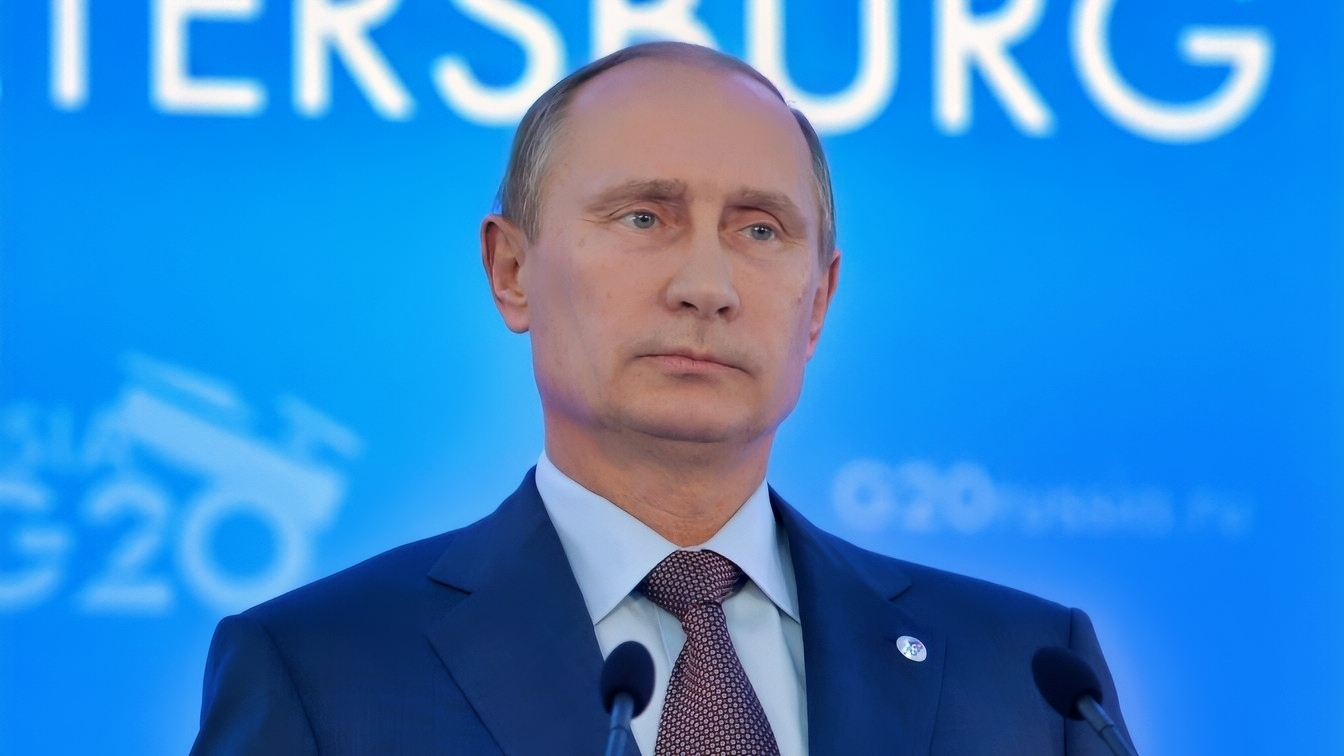
Putin Back in 2012 Creative Commons Image
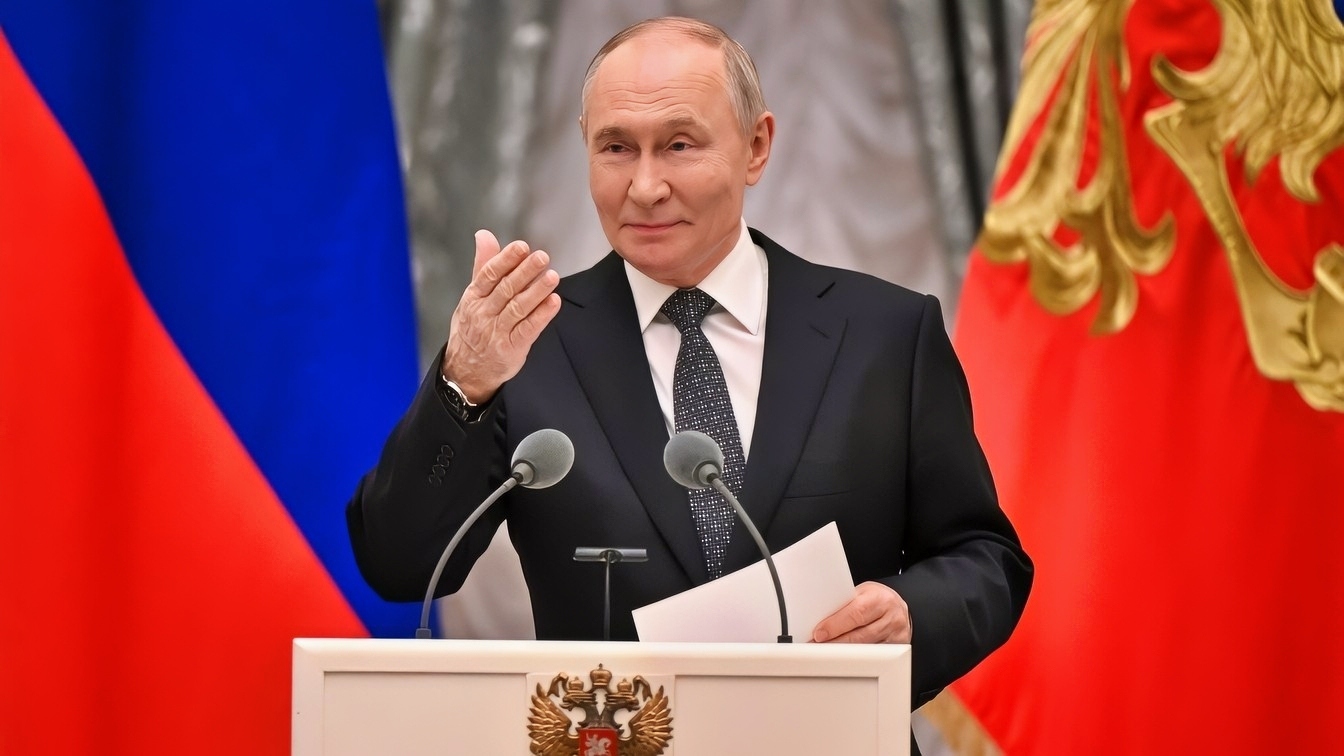
Putin in June 2026 Creative Commons Photo
The negotiations concluded on Wednesday, November 11, and were the first direct talks between Moscow and Kyiv in nine months.
Speaking to reporters following the meetings, President Trump’s son-in-law Jared Kushner confirmed that progress had been made on several issues, including future security arrangements for Europe.
Russia continues to demand control over the entirety of the Ukrainian Donbas region, however, including territory that Russian forces have still failed to occupy.
Kushner also said that he and U.S. envoy Steve Witkoff plan to travel to Moscow on Thursday, November 12, to hold more talks with Russian President Vladimir Putin.
They will then travel to Dublin, Ireland, where they will enter discussions with Ukrainian President Volodymyr Zelenskyy.
The Prisoner Exchange
The primary development that has come from the new discussions was an agreement to release a significant number of prisoners of war.
According to Kushner, the United States helped arrange what he believes will be the largest humanitarian prisoner release between the two countries.
The exact number of prisoners due to be released has not yet been confirmed, but is expected to be announced on Thursday.
President Zelenskyy had previously indicated that negotiators were considering an exchange of as many as 1,000 prisoners from each side, though that number might increase to 1,500 each.
Vladimir Medinsky, the chief negotiator from the Russian side, confirmed that the agreement was made.
However, Russian state media has suggested that the exchange may take another three weeks to arrange.
The agreement is the latest in a string of prisoner releases already agreed, including a release of around 1,000 soldiers each, negotiated in Turkey in May 2025.
Kushner Identifies Trust As Major Roadblock
Speaking at a press conference on Wednesday, Kushner acknowledged that the discussions had been difficult but insisted that there are still areas for potential compromise.
“The reality is there is no trust right now between the sides, and that is to be expected after a conflict like this,” Kushner said.
“Some areas we see places where we can find compromises; others we need to have more discussions, but I think this was a very good step,” he continued.
The U.S. envoy said that negotiations have so far covered territorial disputes and postwar security agreements.
Kushner also said that the negotiators had considered proposals to prevent another conflict after the current war ends.
Davyd Arakhamia, representing Ukraine, also described the meetings as difficult and said the Russian delegation arrived with strict instructions from Moscow—suggesting the Russian side remains hostile to compromise.
However, Arakhamia also expressed optimism that further progress could be made in the negotiations before the end of the year.
Russia Wants A New European Security Agreement
Russia is demanding more than just territory from Ukraine — its leadership is seeking a new European security agreement. Among the most significant developments from the Abu Dhabi talks is Russia’s insistence that any peace agreement with Ukraine must be part of a larger restructuring of security arrangements on the continent.
Vladimir Medinsky said on Wednesday that the future of European security was a central focus of the two-day negotiations.
He confirmed that Moscow and Washington have already reached an understanding on some issues.
“Together with the American side, we exchanged our views on this; on some points we reached a common understanding, whilst on others we did not,” he said in remarks broadcast on Russian television.
“The world needs a new, modern, updated security system — one that is fair and does not disadvantage any particular countries,” he continued.
Kushner’s Proposal
Per reports, Kushner has proposed a new European security framework to Russia based on the NATO-Russia Council, established in 2002 as a way of providing a forum for cooperation and dialogue between NATO members and Moscow.
The proposal was revealed by an official familiar with the negotiations and later outlined by Kushner himself in a social media statement published on November 5.
According to Kushner, Washington is seeking permanent security consultations and improved military transparency and crisis communications designed to reduce the risk of military escalation.
He said any agreement must respect national security and the right of countries to make independent decisions.
But the proposal has not been uncontroversial, with European officials raising concerns about the possibility of Moscow using the arrangement to establish control over NATO security policies.
Russia has not yet agreed to the proposed framework, and it is still unclear whether the discussions can produce an agreement acceptable to both Kyiv and Moscow.
About the Author: Jack Buckby
Jack Buckby is a British researcher and analyst specializing in defense and national security, based in New York. His work focuses on military capability, procurement, and strategic competition, and he produces and edits analysis for policy and defense audiences. He brings extensive editorial experience, with a career output spanning over 1,000 articles at National Security Journal, and has previously authored books and papers on extremism and deradicalization.


