

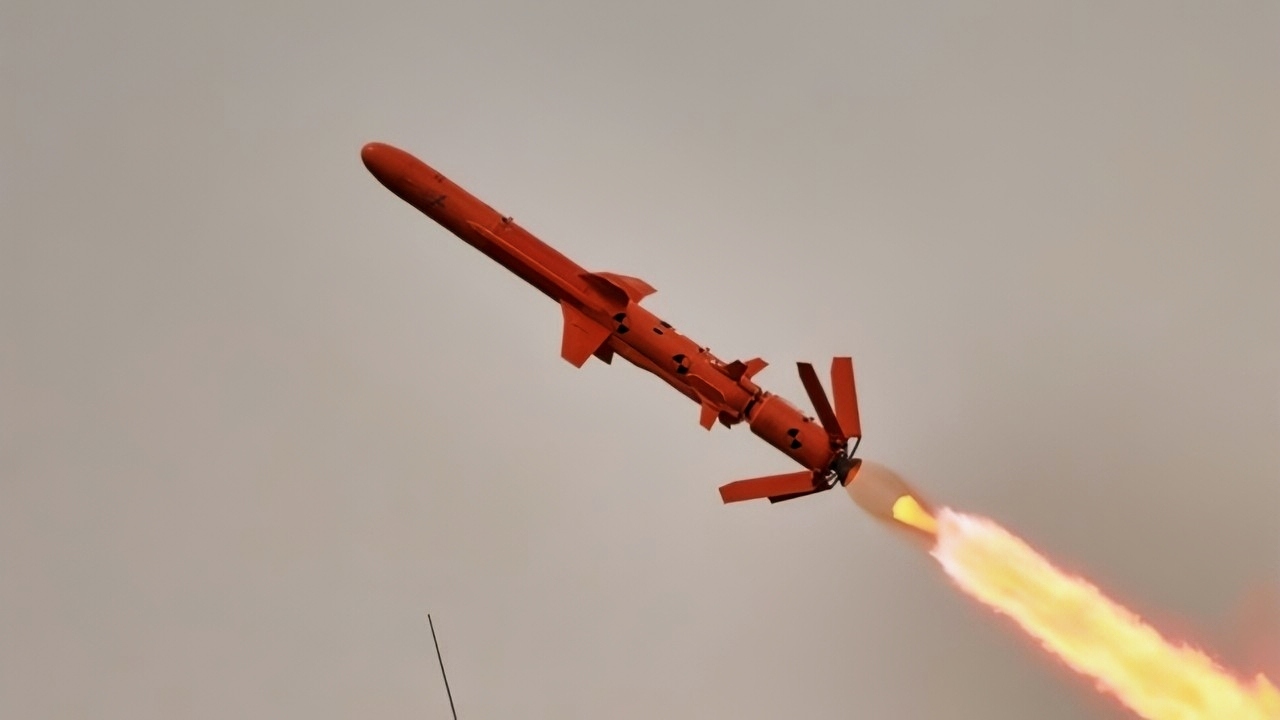
Next year is shaping up to be a potentially big year for Ukraine — and, by extension, for Russia too. Thanks to funding from the European Union and other international backers, Kyiv plans to double its drone supplies in 2027, a move that bodes well for Ukraine’s long-range strike campaign against Russia, which Ukrainian President Volodymyr Zelensky has dubbed part of Kyiv’s “long-range sanctions” regime.
While drones flown by Ukraine have exacted a terrible toll on the Kremlin’s forces — around 500,000 Russians are believed to have died in the fighting — not all of Kyiv’s allies are united in their views of the strikes, with the most full-throated criticism of the Ukrainian campaign coming from Washington and the current administration.
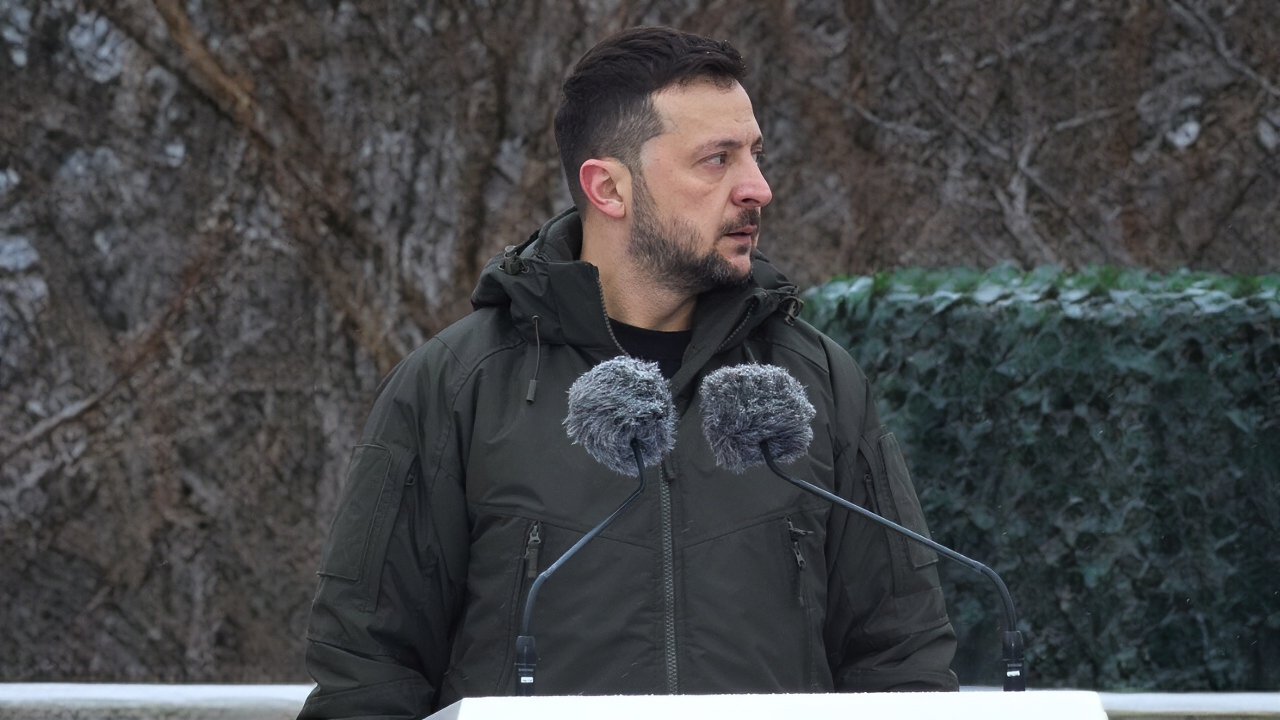
Image Credit: Office the the President, Ukraine.

T-90 Tank from Ukraine War. Image Credit: Creative Commons.
Divided Opinions on the Course of the War Amongst Allies
There is tension within the NATO alliance over how far — both literally and figuratively — Ukrainian forces should prosecute strikes against Russia. During a Ukraine Defense Contact Group meeting attended by the Under Secretary of War for Policy Elbridge Colby, the American side expressed deep skepticism.
“While the public conversation focuses on the spectacle of deep strikes designed to inflict pain on the Russian population, our assessment is that such strikes have not been effective in driving an end to the war, nor do they contribute to blunting Russia’s advances on the front line,” Colby said during the Ukraine Defense Contact Group meeting.
Those strikes, and “especially those that target civilian infrastructure, such as Wildberries, have actually probably hardened the Russian public’s resolve and the Kremlin’s own willingness to escalate,” Colby added. But not everyone agreed with Mr. Colby’s assessment.
When queried about his opinion on the situation, German Defense Minister Boris Pistorius chose not to mince his words. Instead, Pistorius said that “criticizing strikes like that in Russia to destroy strategic military and military-used targets” is “quite a stupid thing.”
“Instead of criticizing that, we should rather criticize and talk about the terroristic strikes every night and every day on… energy, water, and heating infrastructure in Ukraine,” Pistorius added. “This is kind of terrorism.” His British counterpart, Defense Minister Wes Streeting, largely echoed the sentiment. Ukraine’s strikes deep within Russia “helped to degrade Putin’s war machine, buying time and saving lives.”
But Ukrainian Defense Minister Yevhenii Khmara struck the firmest note. “I want the Russian Federation to receive a clear signal,” he said. “For every strike they launch against our territory, we will respond twice or three times as forcefully. And we have the right to defend ourselves.”
Long-range Strike
Kyiv’s forces are prosecuting long-range strike campaigns against a variety of targets, including e-commerce facilities like Wildberries, as well as data storage and cloud computing facilities for Russia’s Yandex search engine giant. But particular ire has been directed at Russian oil and gas infrastructure throughout the country, and at Russia’s ability to refine and export fuel products abroad.
By leveraging its own, home-grown long-range drones as well as cruise missiles, Ukraine has managed to strike some of Russia’s largest oil refining facilities — many of which are located hundreds of miles away from Ukraine’s sprawling front lines — and knock out large chunks of the single largest source of state revenue for the Russian state. Defense Minister Khmara said that in 2027, half of Ukraine’s weaponry needs will be for drone supplies.
Diplomatic Theatre
Coming from the recent Asia-Pacific Economic Forum, held this year in China, Russian President Vladimir Putin is enjoying a significant win, akin to international rehabilitation. Standing next to the American and Chinese leaders, Putin’s appearance was intensely symbolic and elevated the Russian strongman to a status nearly equal to his two peers.
Despite still being bogged down in Ukraine — the day before the summit, Ukrainian forces struck the Kerch Strait Bridge that links Russia to Ukraine’s Crimea peninsula and one of Putin’s pet projects — Putin seemingly enjoyed a measure of normalcy. But he was seemingly very perturbed by the bridge strike.
Speaking to reporters in Shenzhen, China, Putin sounded a defiant note—and made no move to end the ongoing hostilities with Ukraine. “After the strikes on the Crimean Bridge, there will be no agreements. We will respond to these strikes,” Putin reportedly said. “And I want everyone to know this: I believe our response will be far more painful than what the Kyiv regime did to the bridge.”
About the Author: Caleb Larson
Caleb Larson is an American multiformat journalist based in Berlin, Germany. His work covers the intersection of conflict and society, focusing on American foreign policy and European security. He has reported from Germany, Russia, and the United States. Most recently, he covered the war in Ukraine, reporting extensively on shifting battle lines in Donbas and writing about the war’s civilian and humanitarian toll. Previously, he worked as a Defense Reporter for POLITICO Europe. You can follow his latest work on X.


