

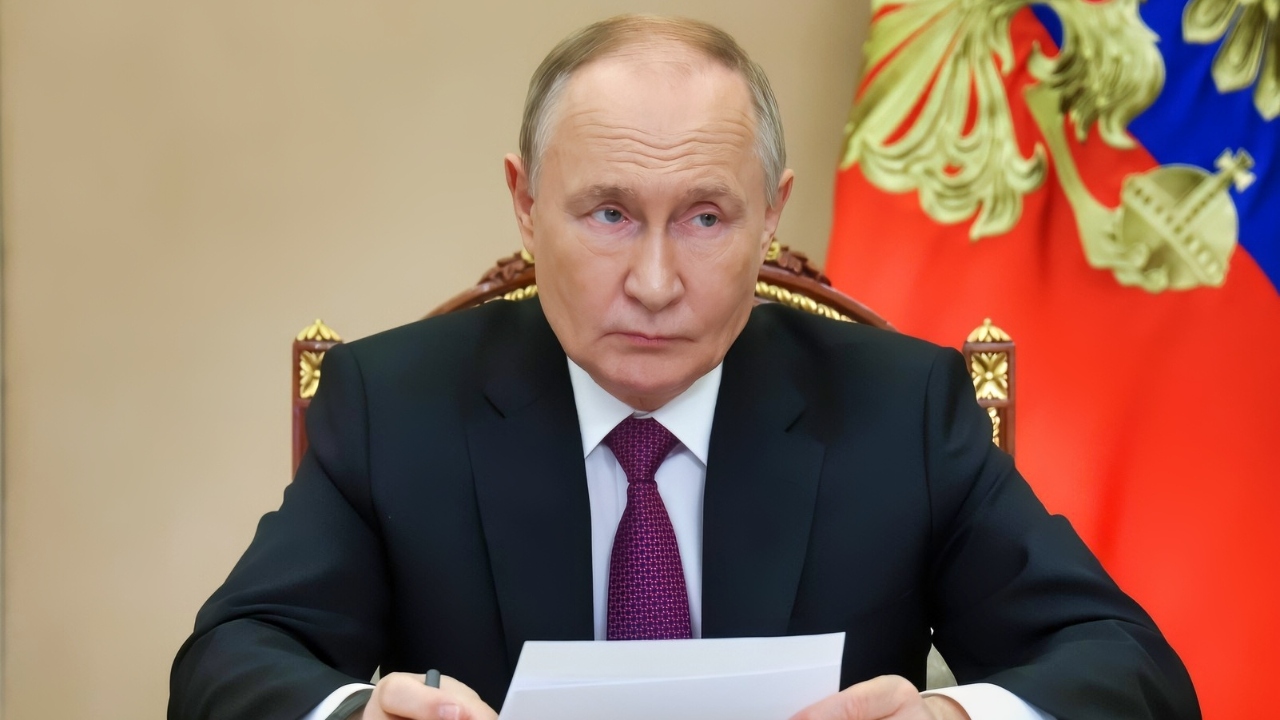
The war in Ukraine is running on two clocks, and only one of them is winning. That’s the framing David Ignatius used in his Washington Post column this week. It’s the most honest description of where things stand that I’ve read in months.
The U.S.-led peace process, steered by envoys Steve Witkoff and Jared Kushner, is moving at a diplomat’s pace. Meanwhile, the missiles and drones are flying at several hundred kilometers per hour in both directions. They don’t wait for anyone to finish a communiqué. Say what you will about Ignatius. He has covered this beat long enough to know when a negotiation is outrunning the battlefield and when the battlefield is outrunning the negotiation. Right now the battlefield is ahead.
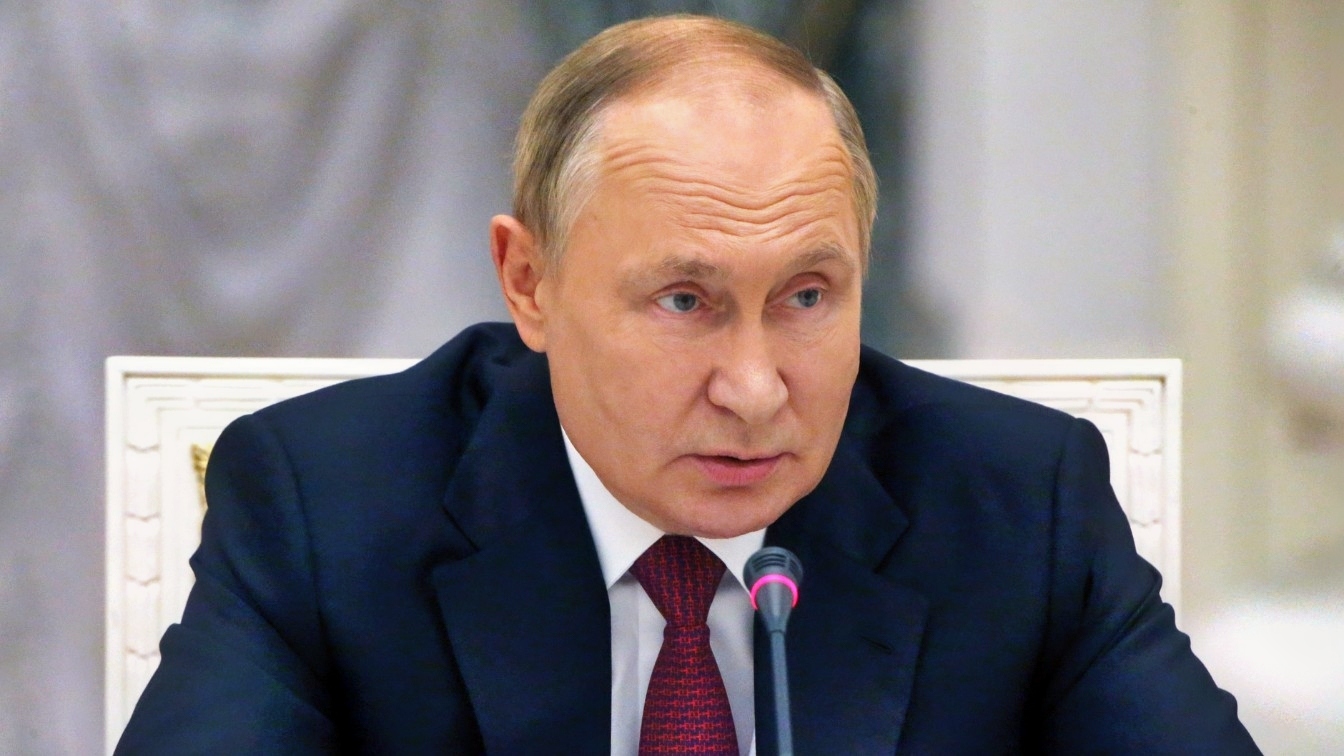
Putin in September 2022 Russian State Media Photo
Here is where things stand at the moment in a war that seems to just have no end.
The Numbers Out Of Kyiv Are Brutal
A Kyiv School of Economics study cited in the column found that Russian air attacks on Kyiv have more than tripled this year. They went from 2.6 a day in the first half of 2026 to 9.8 a day in October.
The city also spent 172 hours under air-raid alert in October alone. That’s more than a full week of a single month spent listening to sirens.
Much of that comes from Russia’s new jet-powered drones. As the Post reported in September, they fly nearly twice as fast as the older Shahed-type models and are launched in numbers meant to saturate air defenses.
When they rip across the Kyiv night sky at hundreds of kilometers per hour, air-defense crews have only moments to react. It’s rarely enough time.
In September, Kyiv topped the list of hardest-hit regions for the first time since the air war began in the fall of 2022. That’s according to the Konrad Adenauer Foundation’s air war monitor.
Ukraine Is Hitting Back Where It Hurts
However, this isn’t a one-way street. Ukraine has spent the last month dismantling Russia’s refining sector, one plant at a time. Industry estimates reported by Reuters show Ukrainian strikes have cut the combined crude processing of Russian refineries by about 45 percent since late October.
Volumes have dropped to roughly 400,000 tonnes per day from more than 700,000. Ignatius notes that Ukraine has hit 15 of Russia’s 35 largest refineries this month.
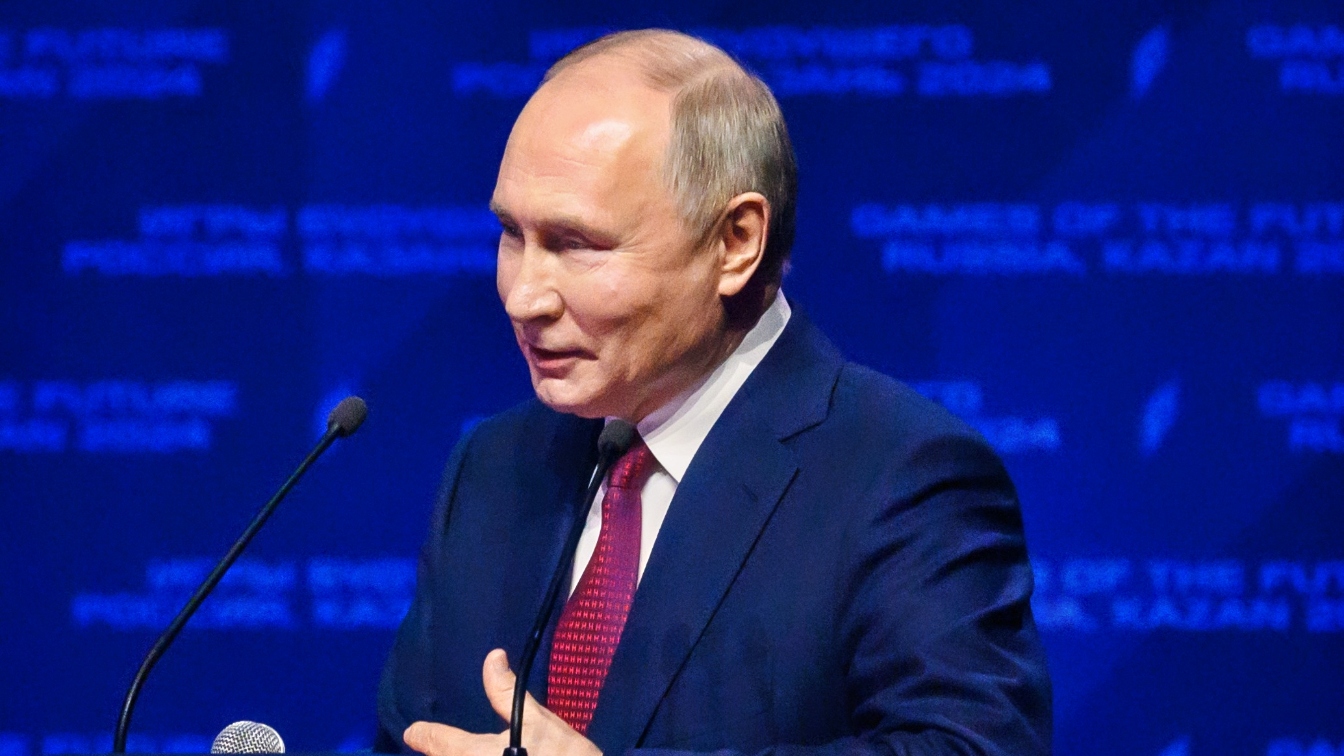
Putin Speaking Russian Federation Photo
Then came the big one. Ukraine launched the largest overnight drone attack on Russia of the entire war, hitting the strategically important Kerch Bridge along with refineries.
Moscow’s mayor said roughly 600 drones targeted the capital region alone.
That attack came right on the heels of the Abu Dhabi talks, the first trilateral meeting in nine months.
Kyiv already tried the restraint route. When President Trump announced an energy ceasefire on Oct. 11, Ukraine paused the refinery campaign for about two weeks.
Russia kept hitting Ukrainian power plants, and the strikes resumed. Ukrainian President Zelenskyy even offered to halt them again in exchange for more Patriot systems. No takers so far. This tactic is textbook leverage.
The Framework Is Real
So is there anything to be encouraged about? Possibly, yes. The outline of a deal exists. Witkoff and Kushner brokered two days of talks in Abu Dhabi. Then they flew straight to the Kremlin to brief Putin before meeting Zelenskyy outside Dublin.
Kushner says Washington is now focused on facilitating direct engagement between Russia and the Europeans.
The envoys have also reportedly warned both sides that this round may be the last realistic window before political conditions in Washington change.
According to Ignatius, the security piece is taking shape. Putin rejects NATO troops inside Ukraine. So U.S. officials proposed that Russia pull its forces back from the border after a ceasefire.
If Russian troops moved forward again, NATO forces would fly into Ukraine immediately, and sanctions would snap back.
One source told him Putin has privately, but not publicly, accepted a security commitment for Ukraine.
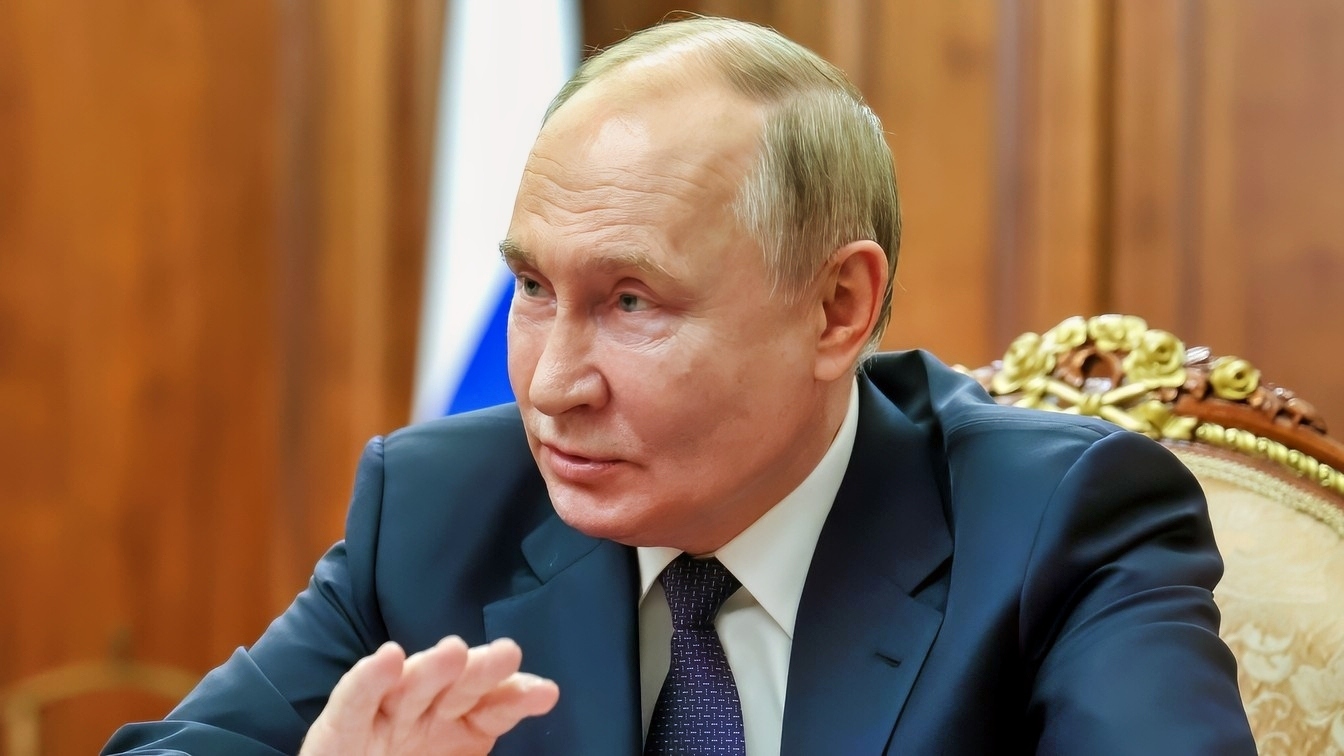
Vladimir Putin Back in 20224 Russian Federation Photo
A senior official described the process as being 250 yards down a par 5, needing only to reach the green and putt out.
The golf metaphor may be fitting. However, nobody has ever tried to finish a round with Geran drones landing on the fairway. And let’s not forget, getting Russia to agree is one thing…getting them to abide by the agreement is another.
The Donbas Is A Major Sticking Point
Territory is still the sticking point. Putin wants all of the Donbas, including the parts of Donetsk his army hasn’t been able to take in years of trying.
Zelenskyy refuses to hand over any ground, especially ground he hasn’t lost.
Putin, for his part, repeated his opposition to foreign troops and demilitarized zones in Ukraine, even as Witkoff announced that the Europeans would join the next round.
Kushner’s theory, as Ignatius relays it, is that neither side will stop shooting until it has guarantees the fighting won’t resume. That’s plausible.
It’s also very convenient for Moscow.
Every week of talks without a ceasefire is another week for Russia to pound Ukraine’s power grid heading into winter and grab another village or two in the east.
The negotiators want to avoid a scenario in which both sides keep negotiating while the war quietly writes the terms on the ground.
Ignatius reported that after the bridge strike, Putin briefly considered a partial ceasefire covering Black Sea shipping or energy facilities.
Then he announced Russia would not be negotiating.

President Donald Trump poses for a photo with Russian president Vladimir Putin in the Billy Mitchell Room at Joint Base Elmendorf Richardson in Anchorage, Alaska, Friday, August 15, 2025. (Official White House Photo by Daniel Torok)
Can Diplomacy Catch Up?
What would actually help? A partial ceasefire on energy infrastructure, enforced on both sides, would take the most destructive part of this campaign off the board.
It would also give the negotiators room to work. It’s the one piece that benefits both parties immediately. Russia gets its refineries back online.
Ukraine keeps the lights and the heat on through the winter.
Getting there requires Washington to lean on Moscow as hard as it leaned on Kyiv in October. Fill the Patriot request. Make the cost of stalling higher than the cost of signing.
Putin has shown repeatedly that he responds to pressure and treats patience as weakness.
But President Trump has not played hardball with Putin and Russia. At the meeting with Xi and Putin, he called them his “friends.” And even lessened sanctions on Russia for diesel fuel shipments. That seems like a mistake he might regret.
About the Author: Steve Balestrieri
Steve Balestrieri is a National Security Columnist. He served as a US Army Special Forces NCO and Warrant Officer. In addition to writing on defense, he covers the NFL for PatsFans.com and is a member of the Pro Football Writers of America (PFWA). His work was regularly featured in many military publications.


