
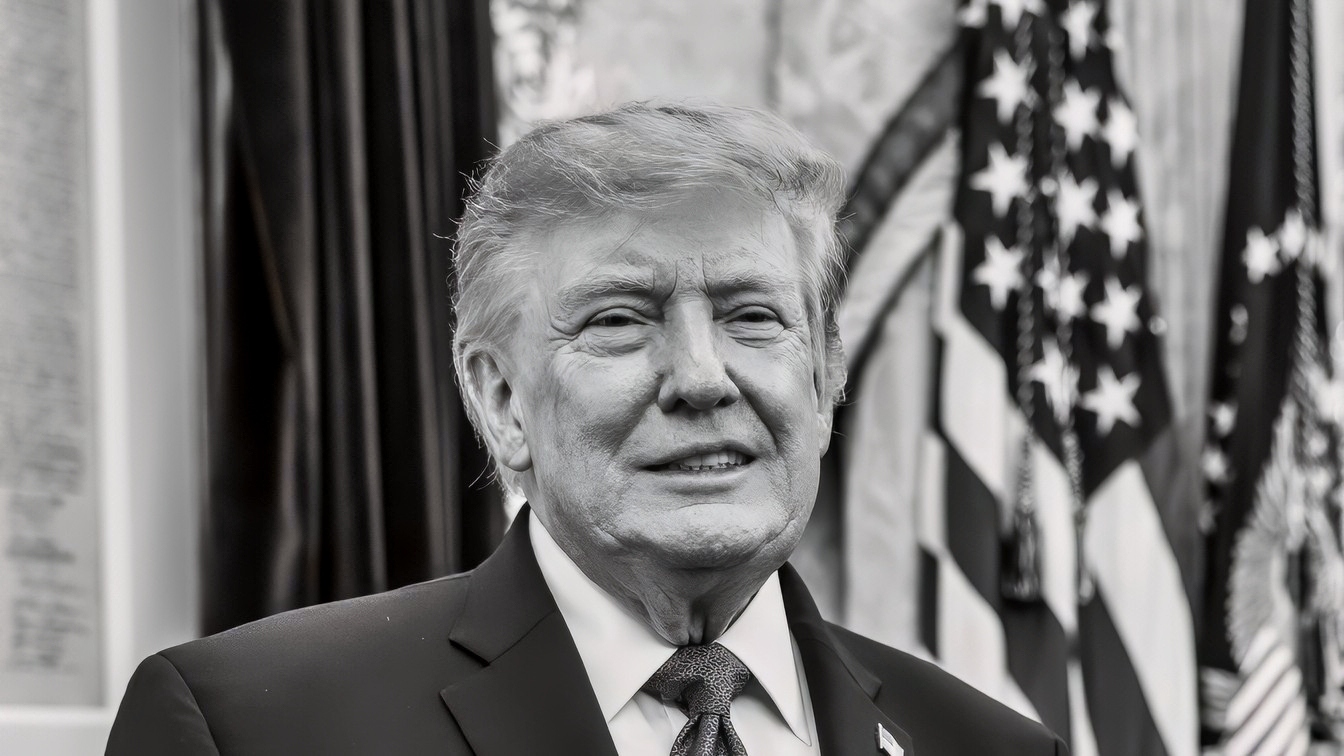
President Donald Trump’s influence over the Republican Party and his ability to drive out voters in elections aren’t quite what they used to be.
In the wake of the November 3 midterm defeats, the numbers show that even President Trump’s endorsements failed to deliver, with a significant share of those he backed losing their races.
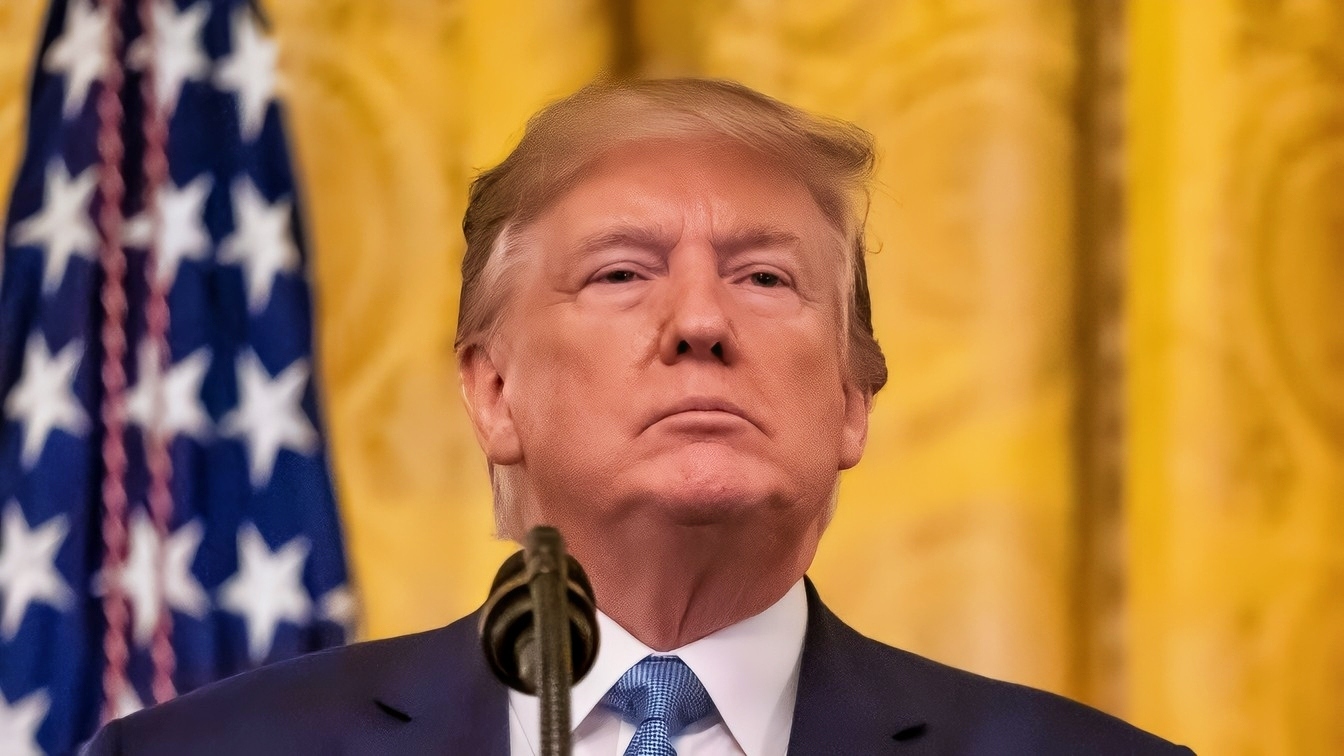
President Donald J. Trump delivers remarks on America’s environmental leadership Monday, July 8, 2019, in the East Room of the White House. (Official White House Photo by Tia Dufour)
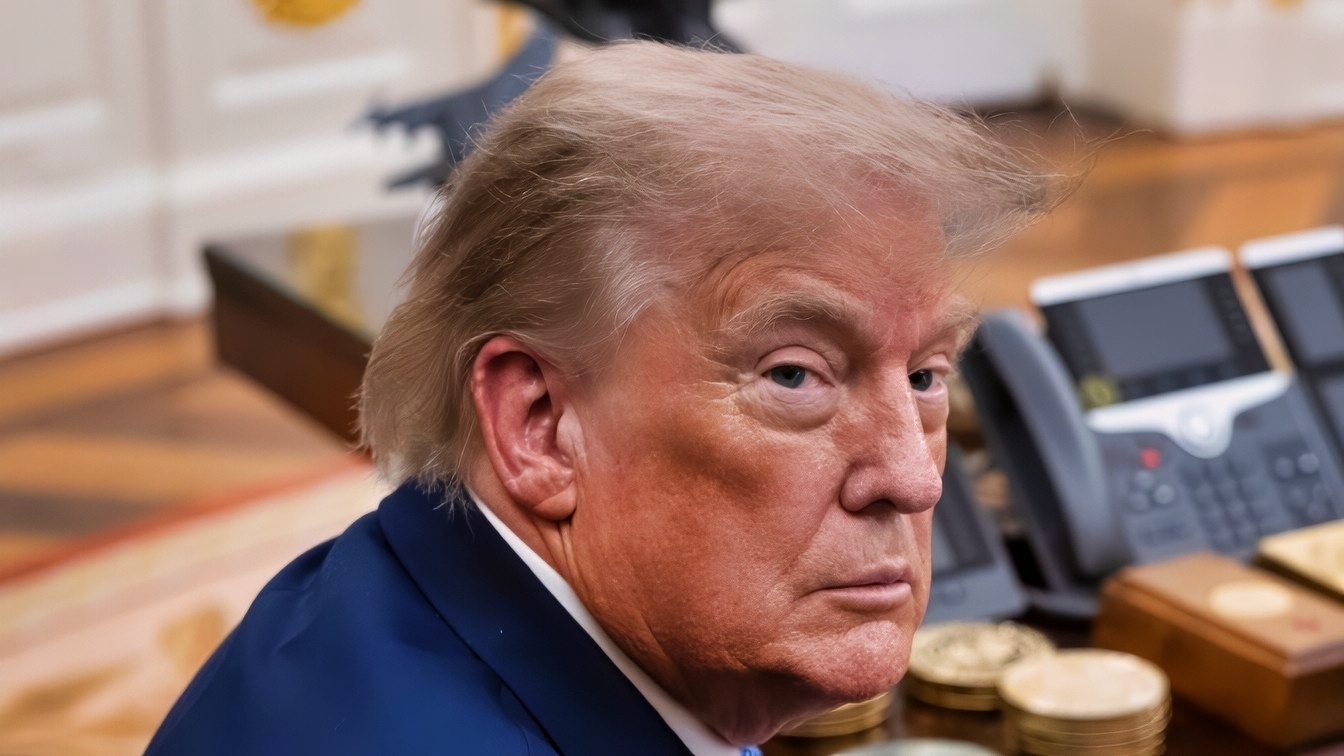
President Donald J. Trump speaks to the press during a presentation of the Religious Liberty Commission Report in the Oval Office, Friday, June 26, 2026. (Official White House Photo by Joyce N. Boghosian)
It’s a blow for Trump, who has spent years using his endorsement power to influence Republican primaries and help select candidates for major offices.
Half of the president’s preferred Senate candidates were defeated in the recent elections, along with most of the gubernatorial candidates he publicly backed.
The Guardian published an analysis on November 21, in which the results of the midterms were contrasted with President Trump’s endorsement record in previous elections.
The findings are troubling for the president, who — according to ongoing fundraising activity for his MAGA Inc. Super PAC — appears to be interested in maintaining his influence over the Republican Party.
The findings also come as Republicans prepare to hand over control of both chambers of Congress to Democrats in January, amid disagreements within the Party over its ideological and political future.
Trump’s Senate Endorsements Suffer Major Defeats
According to The Guardian’s analysis, 50% of the Senate candidates Trump endorsed lost their elections, compared with 35% in 2024.
The defeats included several candidates whom the president had personally chosen or supported over more established, and even popular, Republican figures.
In Texas, for example, Attorney General Ken Paxton lost to Democrat James Talarico.
The high-profile Democrat became the first Democrat to be elected to represent Texas in the Senate since 1988.
President Trump had backed Paxton over incumbent Senator John Cornyn, despite many Republicans arguing that Cornyn would have been a stronger candidate.
Talarico’s victory in the state was historic, ending almost four decades of Republican victories in Texas Senate elections.
Trump-backed candidates also saw major defeats in South Carolina, where Darline Graham, the sister of the late Senator Lindsey Graham, lost to Democrat Annie Andrews.
Trump personally endorsed Darline Graham, despite Republican backlash over her lack of experience.
There were problems in North Carolina, too, where former Republican National Committee Chairman Michael Whatley lost to former Governor Roy Cooper.
Republican Governors Lose Ground
The president didn’t fare much better in terms of his gubernatorial endorsements. In fact, his record was much worse.
Of the 23 Republican candidates that Trump endorsed for governor, only nine won their elections. Four of those nine winners were also already serving as governors.
That’s a worse performance than in the 2022 midterms, when 10 of Trump’s 21 endorsed gubernatorial candidates won their elections.
In Iowa and Texas, the losses were particularly bad, with Democrats overcoming longstanding and significant Republican advantages.
Democrat Gina Hinojosa won the governorship in Texas, ending over three decades of Republican control of the state.
The results suggest Republicans have lost support, or at least the enthusiasm of their base, but they also suggest the president’s support was insufficient to protect Republican candidates.
The Trump endorsement, it seems, doesn’t mean very much — at least, when Republicans are overseeing rising prices and struggling to end a highly unpopular war.
House Candidates Struggled In Competitive Districts
The House candidates Trump endorsed performed better overall, but the results still showed major weaknesses.
Roughly 70% of the candidates Trump backed won their races, down from 86% in 2024.
However, many of those successful candidates were incumbents representing already reliably Republican districts. President Trump’s endorsements in these cases, therefore, mattered less.
More significantly, though, every one of the Trump-endorsed candidates in toss-up districts, according to the Cook Political Report, lost. Additionally, nine endorsed candidates lost their races in 18 districts considered “lean Republican.” Eight won.
On November 4, USA Today published its own report, finding that Trump’s endorsements had failed to deliver in several important competitive races.
What Does It Say About Trump’s Future?
The results should give the president reason to pause and consider how much influence he can realistically retain over the Republican Party, as his MAGA Inc. super PAC continues to raise funds.
While the president cannot seek another term, he can continue endorsing candidates and attempt to influence the party’s 2028 presidential nomination.
But the midterm results present a difficult choice for the Republican Party.
Had Trump helped them maintain control of Congress, or at least even just the House, they may still have considered the president’s support helpful in 2028.
But after those results, and with rising prices and two wars still raging overseas, it’s hard to imagine what exactly the Republicans might want from the president as they prepare to move on from his leadership.
About the Author: Jack Buckby
Jack Buckby is a British researcher and analyst specializing in defense and national security, based in New York. His work focuses on military capability, procurement, and strategic competition, and he produces and edits analysis for policy and defense audiences. He brings extensive editorial experience, with a career output spanning over 1,000 articles at National Security Journal, and has previously authored books and papers on extremism and deradicalization.


