
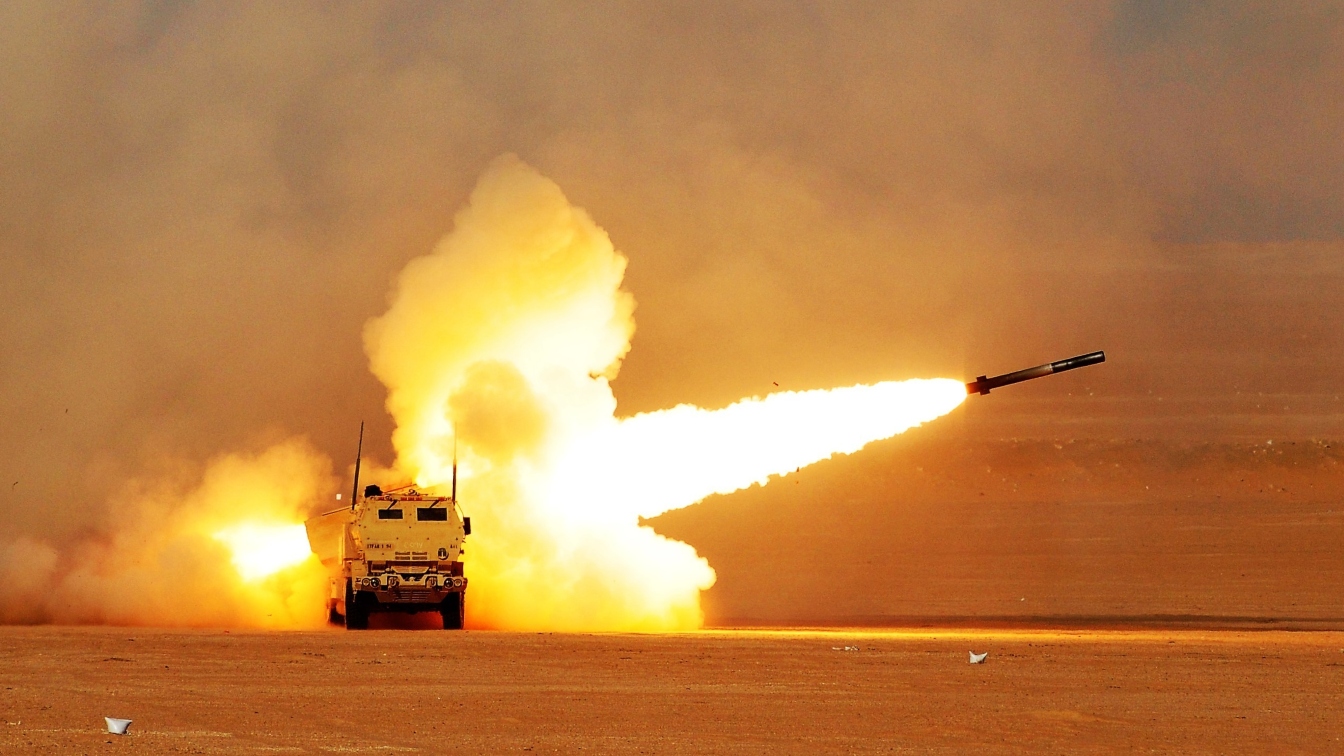
Ukraine has again expanded the scope of its long-range strike campaign against Russian infrastructure, targeting more oil refineries and industrial facilities in recent weeks that Moscow depends on to keep fighting.
Ukraine has also begun striking Russian military assets stationed overseas.

Ukraine Switchblade Drone. Image Credit: Creative Commons.
Kyiv believes that the economic consequences of its ongoing long-range campaign will eventually force Moscow to make concessions. Still, in recent weeks and months, Moscow has shown no sign of backing down.
On Saturday, November 28, the Russian Ministry of Defense announced that its forces intercepted 1,246 Ukrainian drones overnight. Reports also described how Russian oil infrastructure was hit in two separate regions.
The strikes come as Ukrainian President Volodymyr Zelenskyy faces criticism from some European allies over a military operation that targeted Russian vessels operating off the coast of Libya, with Zelenskyy confirming this weekend that Kyiv did not coordinate the attack with its partners beforehand.
Ukraine’s Long-Range Campaign Expands
The New York Times reported on November 28 that Ukraine hit 40 Russian oil and military-industrial sites over the last 50 days, with Kyiv proving it is capable of targeting Russian infrastructure located as far away as Siberia.
While long-range strikes against Russia are no longer new, the scale of the attacks is increasing. Russia said that 1,441 Ukrainian drones were intercepted on November 17 — a new record that beat one established just the day before.
And even if Russia intercepts the vast majority of Ukrainian drones, the impact is becoming serious.
Moscow must contend not only with the rising financial cost of defending its infrastructure, but also with the complex repairs needed to bring damaged infrastructure back online as it struggles to maintain control over its domestic energy industry.
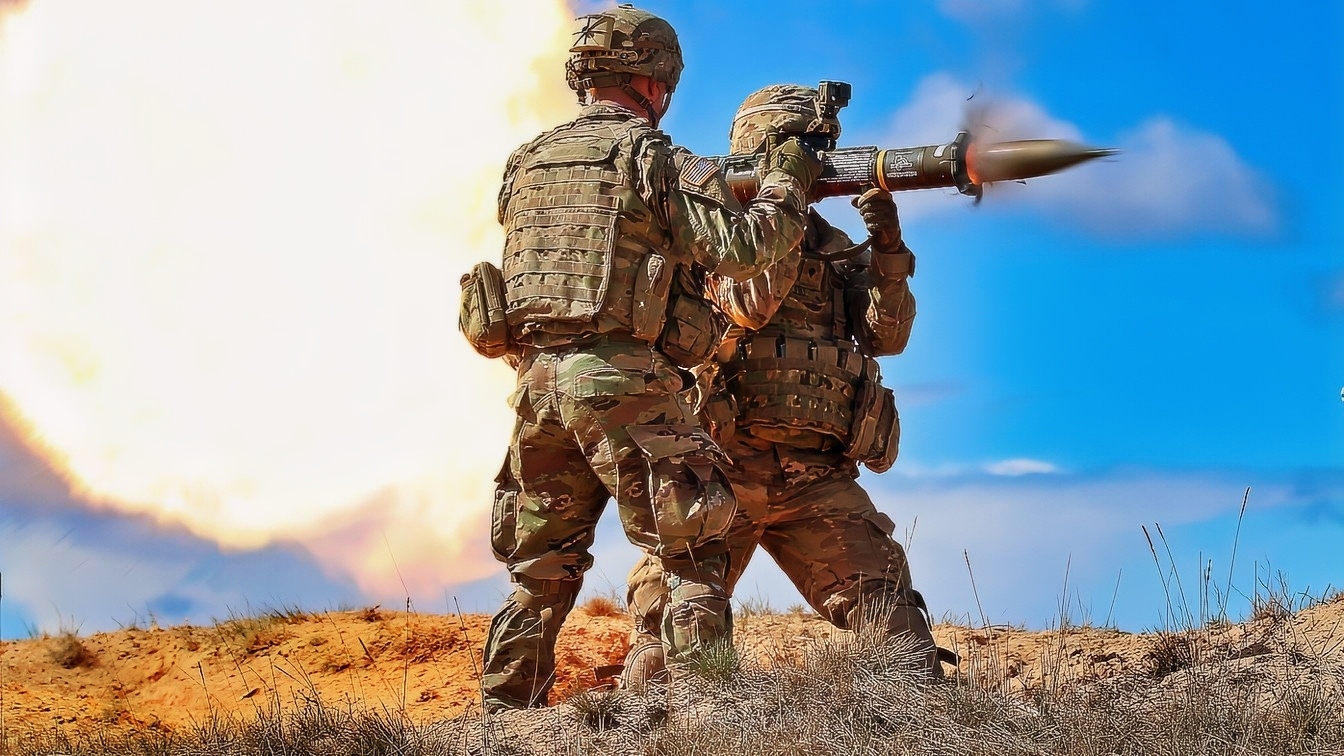
Carl Gustaf Rocket Like Used in Ukraine Creative Commons Image
Russia’s Oil Industry Under Pressure
Ukrainian defense news site Militarnyi reported this weekend that fires broke out at the Novoshakhtinsk oil refinery in the Rostov region of Russia.
Fires were also reported at an oil pumping station in the Samara region. It’s also not the first time that the Novoshakhtinsk refinery has been hit.
Meanwhile, Russia struggles to continue supplying its domestic fuel market and produce enough petroleum products to meet export demands. The International Energy Agency says that Russian refinery output is now 30% lower than it was just a year ago.
At present, Russia is still capable of exporting substantial quantities of crude oil. Still, the country is struggling to refine sufficient volumes of fuel for its own domestic market — and the strikes aren’t expected to slow down any time soon.
Ukraine Targets Overseas Russian Military Operations
And while Ukraine proves it can pile the pressure on Russia, Zelenskyy risks angering his allies in Europe if he continues on his current trajectory.
On November 22, Ukrainian naval drones successfully struck two Russian vessels operating in and around the Libyan port of Benghazi — where Russian forces maintain a military presence.
Zelenskyy confirmed on November 23 that Ukrainian forces sank the Russian Navy’s Merkury corvette, and that its drones damaged the MV Angara, a cargo ship used by Russia to transport weapons. The operation followed a drone attack on the Russian military cargo ship Sparta II a day earlier in international waters in the Gulf of Finland.
The strikes have also disrupted Russian military logistics and forced a convoy of Russian ships transporting military vehicles to Libya to abandon its journey.
While successful for Ukraine, the strikes have also caused a diplomatic headache for Kyiv.
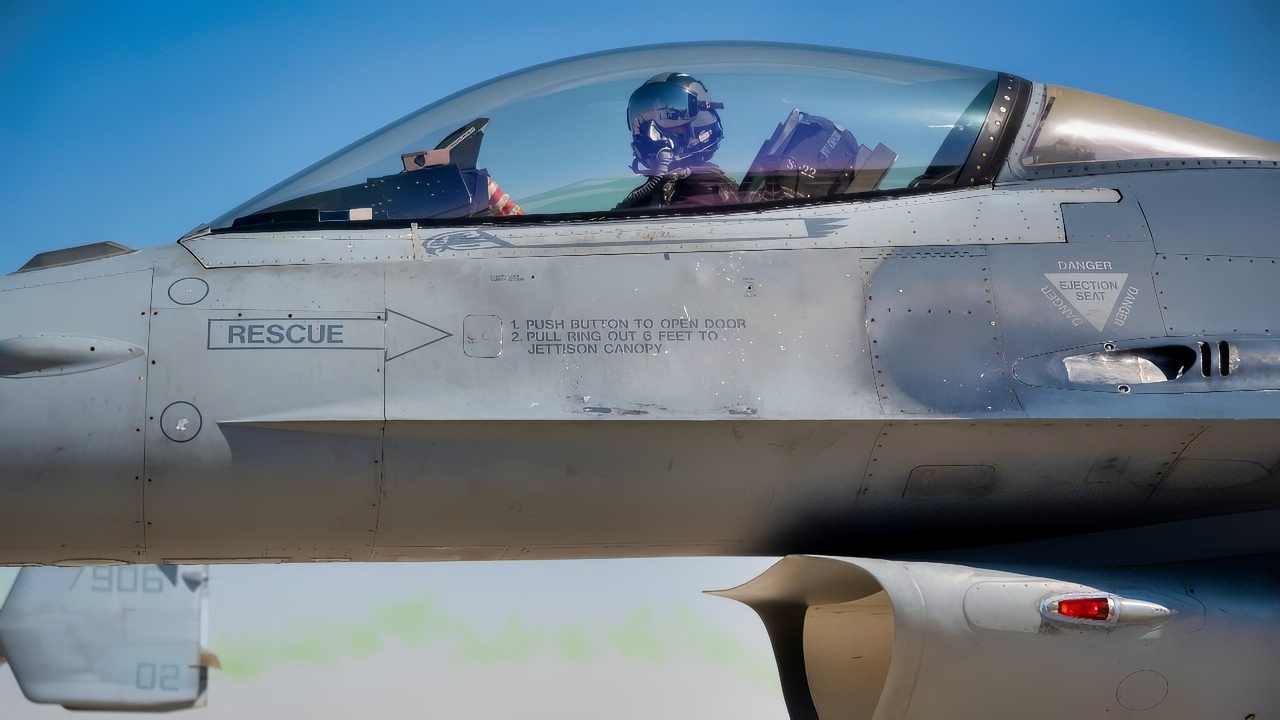
U.S. Air Force Maj. Josiah “Sirius” Gaffney, Pacific Air Forces Demonstration Team commander, prepares to fly a practice sortie before the Dubai Airshow in Dubai, United Arab Emirates, Nov. 11, 2021. In addition to the PACAF F-16 Demonstration Team routine, the air show will highlight a variety of U.S. Air Force, Navy and Marine Corps aircraft showcasing the range of U.S. military airpower capabilities. (U.S. Air Force photo by Staff Sgt. Matthew Kakaris)
Zelenskyy told BBC News on November 26 that Kyiv coordinates with international partners before conducting overseas military operations, but Italian Foreign Minister Antonio Tajani has since disputed that claim. The Italian official told Sky TG24 that European partners were not informed.
“None of us were informed; no one knew anything about what the Ukrainians were doing in Libya. So what Zelenskyy said is not true,” Tajani said.
Italian Prime Minister Giorgia Meloni also spoke about the attack between meetings in Brussels on November 26, insisting that the war should not extend to the Mediterranean.
“I believe the war must not and cannot spread to the Mediterranean,” she said. “I believe we must be very clear on this point with our Ukrainian friends, and we must also be clear with our partners.”
Ukraine Expands Weapons Production
While the diplomatic fallout unfolds, Ukraine continues to prepare for more long-range strikes by building its domestic weapons manufacturing capabilities.
Today, Kyiv is producing heavy cruise missiles with ranges that exceed 1,800 miles. It is also continuing work to develop its own ballistic missiles and securing agreements with Germany to manufacture reconnaissance drones jointly.
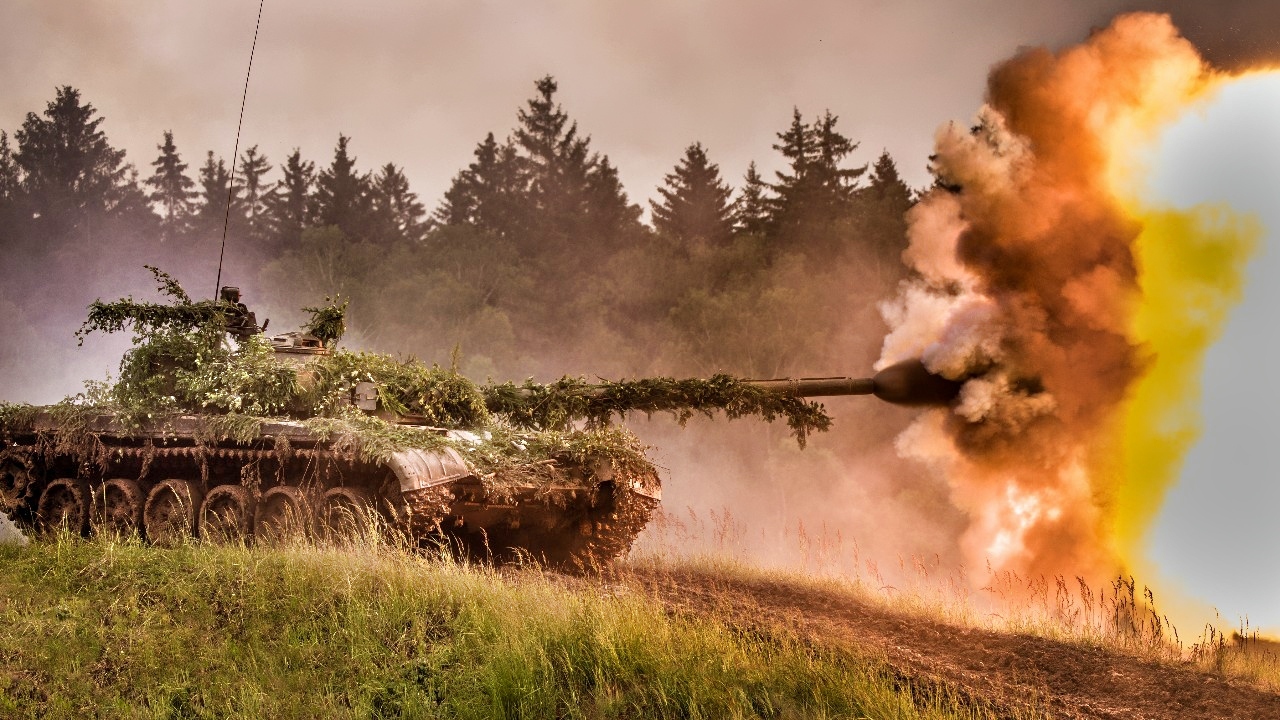
T-72 Like Those Fighting in Ukraine.
Ukraine has also secured a deal with Britain to produce over 1,000 long-range strike drones, with a view to reducing its medium-term dependence on American military support.
About the Author: Jack Buckby
Jack Buckby is a British researcher and analyst specializing in defense and national security, based in New York. His work focuses on military capability, procurement, and strategic competition, and he produces and edits analysis for policy and defense audiences. He brings extensive editorial experience, with a career output spanning over 1,000 articles at National Security Journal, and has previously authored books and papers on extremism and deradicalization.


