

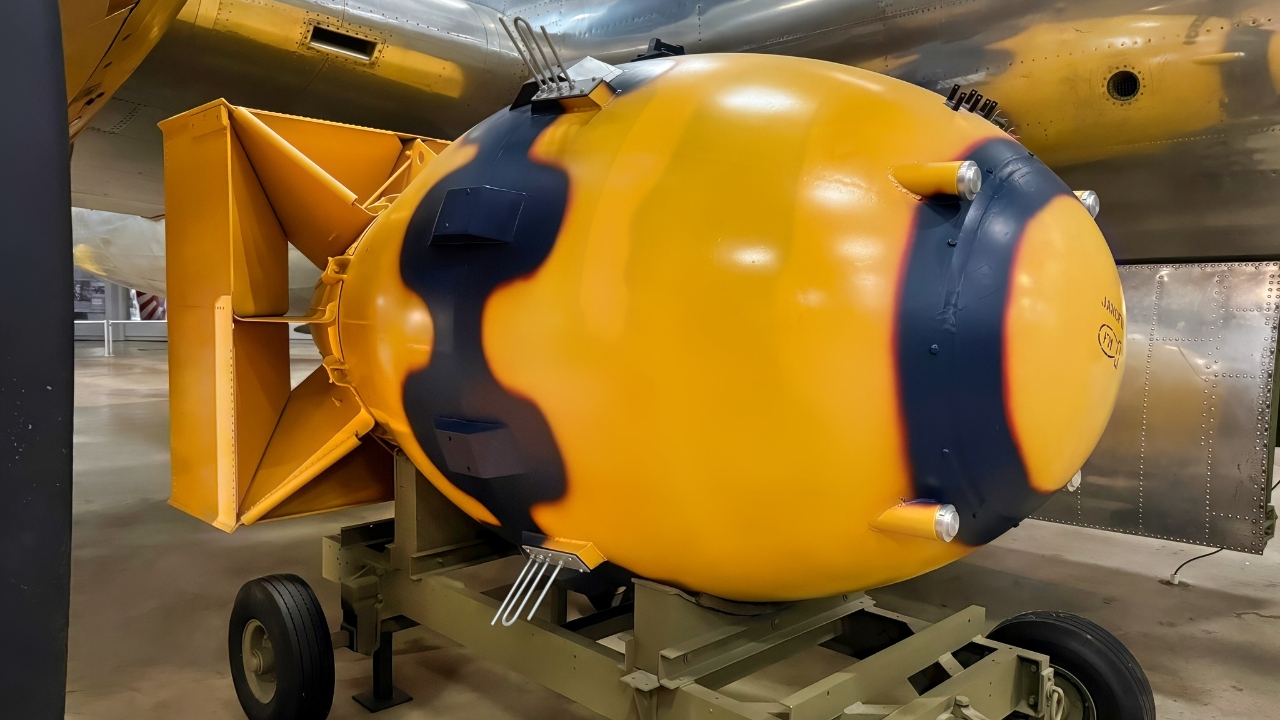
Key Points and Summary – In 1956, Britain, France, and Israel struck Egypt after Nasser nationalized the Suez Canal, seeking to preserve Western leverage and blunt his regional ambitions.
-A secret plan sent Israel into Sinai, then London and Paris intervened as supposed peacekeepers, bombing and landing at Port Said.
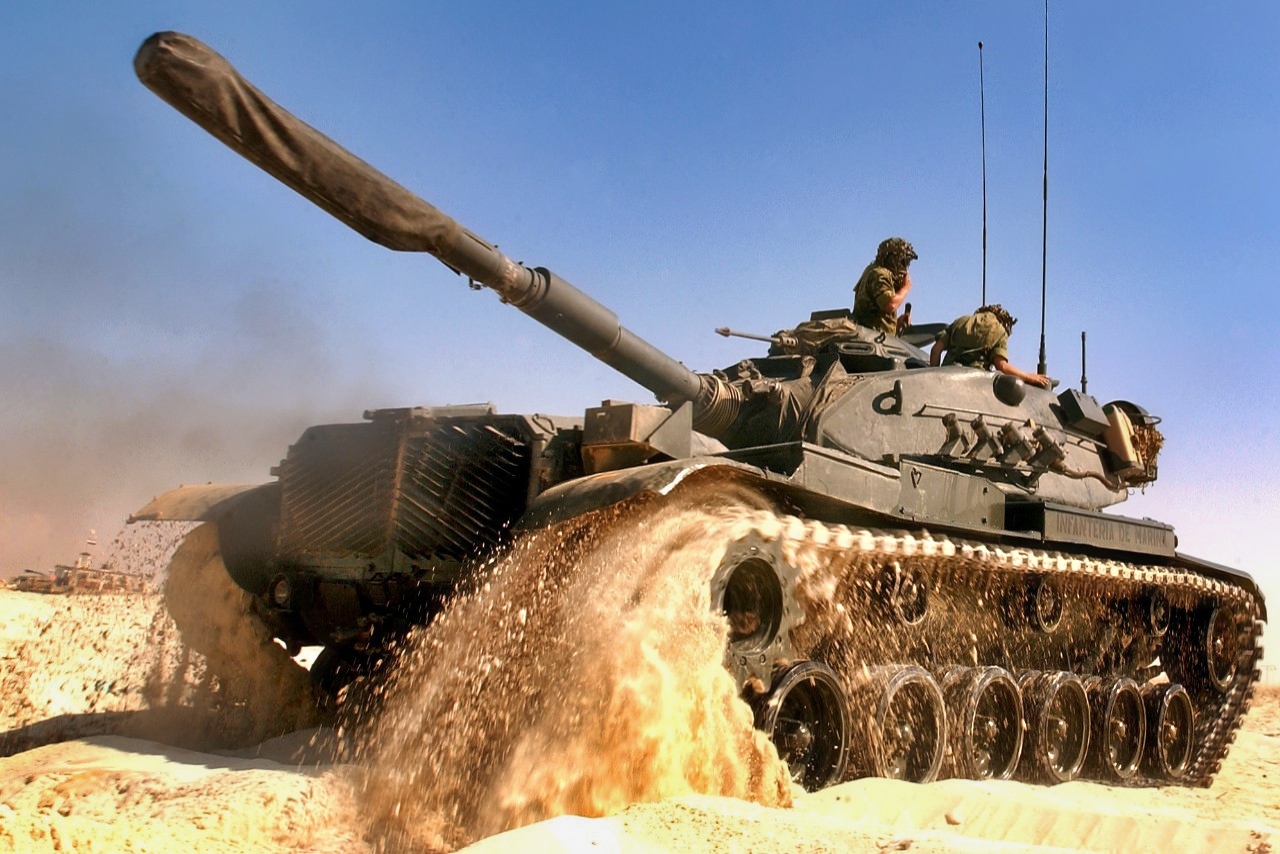
M60A3 Tank. Image Credit: Creative Commons.
-The campaign moved quickly, but diplomacy ended it faster: Washington, the U.N., and Soviet nuclear bluffing forced a cease-fire and withdrawal.
-Nasser kept the canal and gained stature, while Britain and France saw their imperial reach exposed and reduced.
-Moscow gained prestige across the Arab world, and Israel proved it could reshape the region’s balance.
When Khrushchev Threatened Nuclear War Over Suez
In October 1956, a coalition of Britain, France, and Israel launched a military invasion against Egypt, which was under the leadership of Gamal Abdel Nasser Hussein at the time. The invasion was launched to retain Western control of the Suez Canal, which Egypt had threatened to nationalize, among other reasons.
The military incursion received condemnation from both the U.S. and the USSR, the latter of which threatened to nuke everyone involved. Fearing the outbreak of WWIII, the U.S. and the U.N. managed to force all parties into a settlement more than a week after hostilities had started.
Background: Egypt and Two Empires in Decline
A key flashpoint was Nasser’s plan to build the Aswan High Dam on the Nile, an ambitious project requiring substantial financial resources. Initially, the United States and Britain offered to help fund the dam, but relations deteriorated when Nasser purchased arms from Czechoslovakia, a Soviet ally, in 1955 and recognized Communist China.
These moves signaled Egypt’s willingness to engage with the Eastern bloc, which angered Western powers.
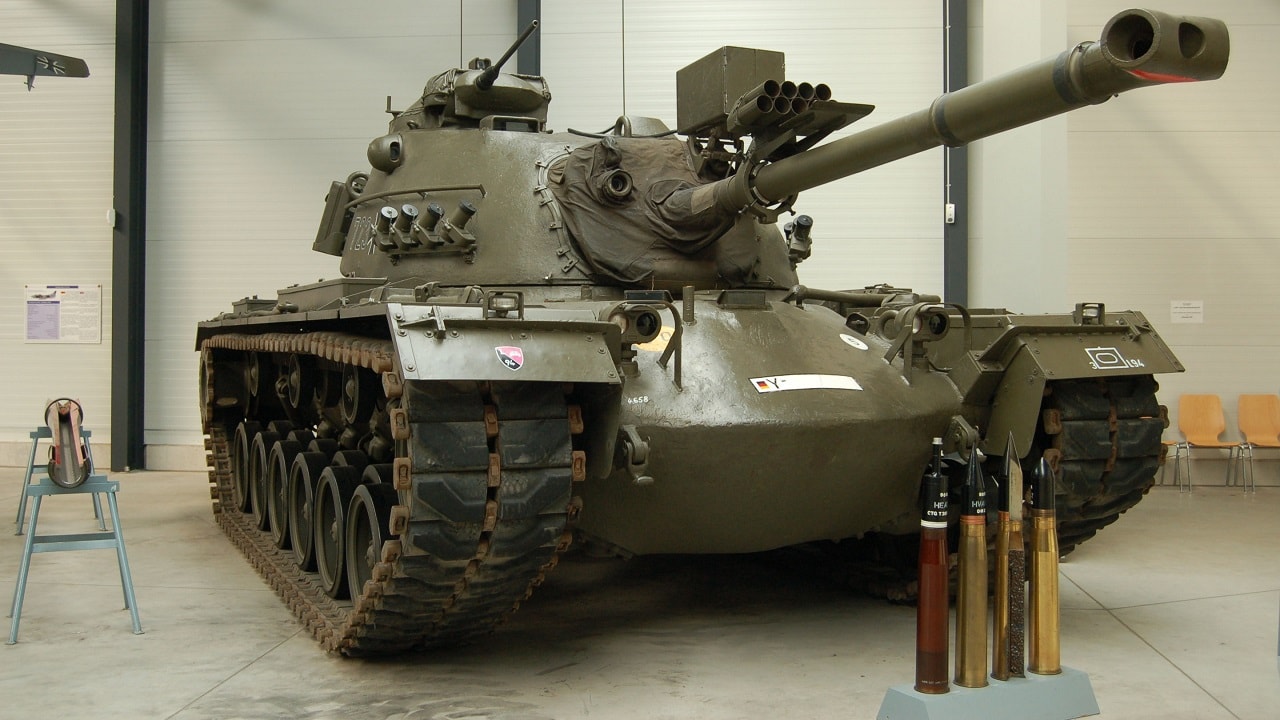
M48 Patton. Image Credit: Creative Commons.
In July 1956, the United States and Britain withdrew their funding offer, prompting Nasser to nationalize the Suez Canal Company on July 26, 1956. This bold move was intended to use canal revenues to finance the dam but was perceived by Britain and France as a direct challenge to their economic and strategic interests.
France had additional grievances against Nasser, whom it accused of supporting Algerian rebels fighting for independence from French rule. Both Britain and France feared that Nasser’s pan-Arab ideology would destabilize their remaining colonial holdings.
In the midst of it all, Israel was growing increasingly paranoid of Egypt. Since its creation in 1948, Israel has faced constant hostility from Egypt and other Arab states.
Nasser’s blockade of the Straits of Tiran and his support for Palestinian fedayeen raids into Israeli territory heightened tensions.
Egypt’s military procurement from Czechoslovakia also posed an immediate military threat. Israel saw an opportunity to weaken Egypt militarily, secure freedom of navigation, and strike a blow against its most formidable regional adversary.
The Coalition Invades
The crisis unfolded dramatically in late 1956. Britain, France, and Israel secretly conspired to launch a military operation against Egypt. Under the Protocol of Sèvres, agreed upon in October 1956, Israel would invade the Sinai Peninsula, giving Britain and France a pretext to intervene as “peacekeepers” and seize control of the canal. On October 29, Israel attacked Sinai, rapidly advancing toward the canal. Britain and France issued an ultimatum demanding that both sides withdraw from the canal zone, knowing Egypt would refuse.
Afterward, Anglo-French forces began bombing Egyptian airfields and military installations to gain air superiority. Within days, British and French troops landed near Port Said and Port Fuad, aiming to capture the canal and topple Nasser’s regime.
Militarily, the operation was highly effective; Egyptian forces were overwhelmed, and the canal zone was nearly under Western control. However, the campaign was abruptly halted due to intense international pressure, particularly from the United States and the Soviet Union, which condemned the invasion and threatened severe repercussions.
The Soviets Get Involved…
The Soviet Union was furious at the news of the invasion. Under the leadership of Nikita Krushchev and Nikolai Bulganin, the Soviets threatened to intervene militarily on Egypt’s behalf. The USSR went so far as to threaten France and Britain with nuclear war (at the time, the Soviets did not have the ICBMs to carry out such threats, but the West did not need to know that).
At the time, the USSR was deepening its alliance with Nasser and wanted to expand its influence in the region. The Suez Crisis was the perfect opportunity to condemn the imperialist West and build up good graces with the Third World.
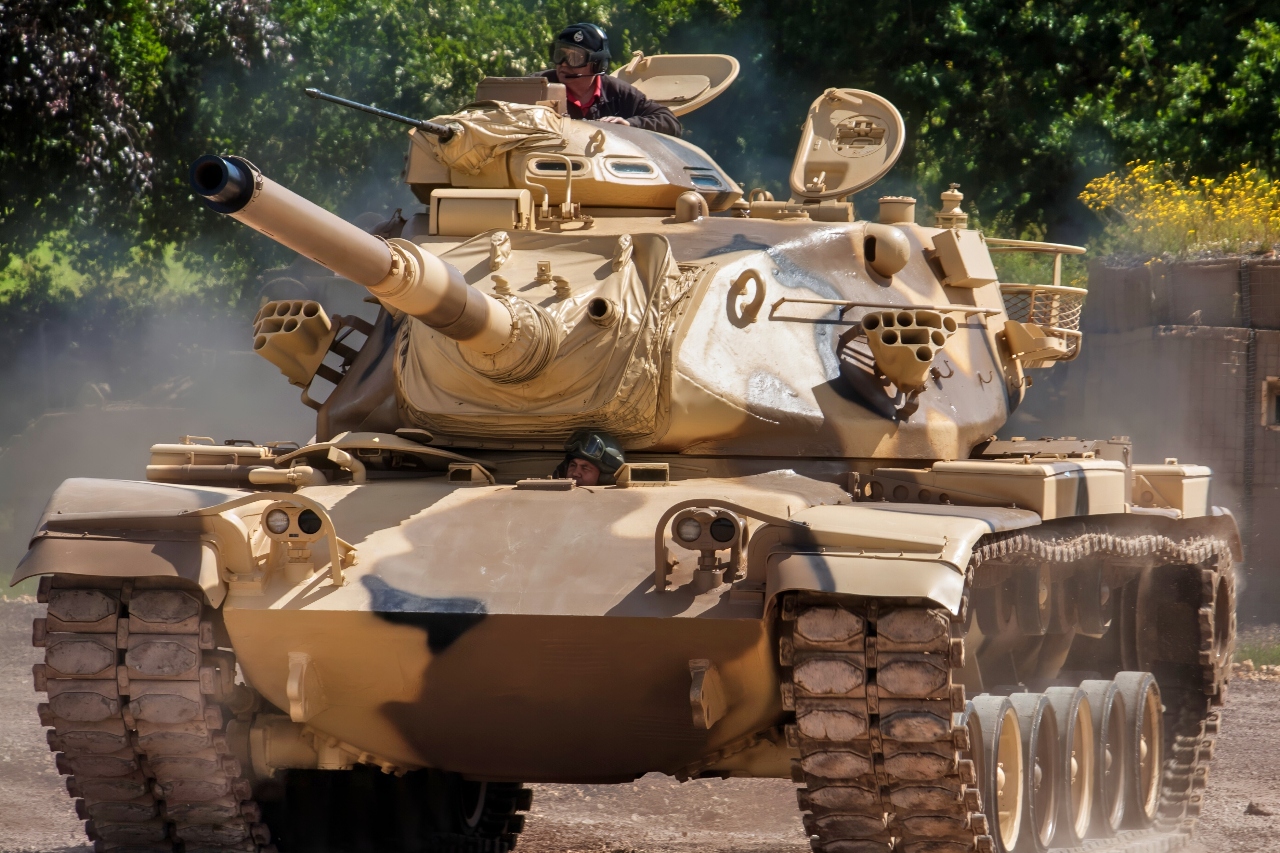
M60 Tank U.S. Army. Image Credit: Creative Commons.
The Crisis put the U.S. in a tough spot diplomatically.
While America wanted to support its allies, it had just condemned the Soviets for their intervention in Hungary.
The U.S. also wanted to win over the Arab world, and thus siding with Israel was a guaranteed way to hand the Middle East over to the Soviets. The Soviet threats sparked immense fear from Washington D.C. under Eisenhower’s administration, who ordered U-2 spy plane flights over Soviet bases in Syria to see if the threats held any water (they ultimately did not).
Aftermath
The combined pressure from both the U.S. and the USSR eventually forced the alliance to enter into peace talks. Despite suffering a military defeat, Egypt emerged as the political victor, retaining control of the Suez Canal and giving Nasser a huge ego boost.
For the Soviets, the event was a resounding diplomatic success.
The threats made against the West had given the USSR significant respect in the Arab world, and the Soviets were able to spread their influence in the Middle East and Africa as a result.
For Britain and France, the message was clear: do not act without permission from the United States. Once powerful superpowers, France and Britain became loyal vassals of the U.S., relying on American military protection from the Soviet threat.
For France especially, the result was a cruel wakeup call. After the end of the Suez crisis, France began to pursue its own nuclear weapons instead of relying on the Americans.
For Israel, the Suez Crisis cemented the still-young nation as a major player in Middle Eastern politics.
From then on, the U.S. and UK would make no political decisions in the region without considering Israel’s security needs.
About the Author: Isaac Seitz
Isaac Seitz, a Defense Columnist, graduated from Patrick Henry College’s Strategic Intelligence and National Security program. He has also studied Russian at Middlebury Language Schools and has worked as an intelligence Analyst in the private sector.


