

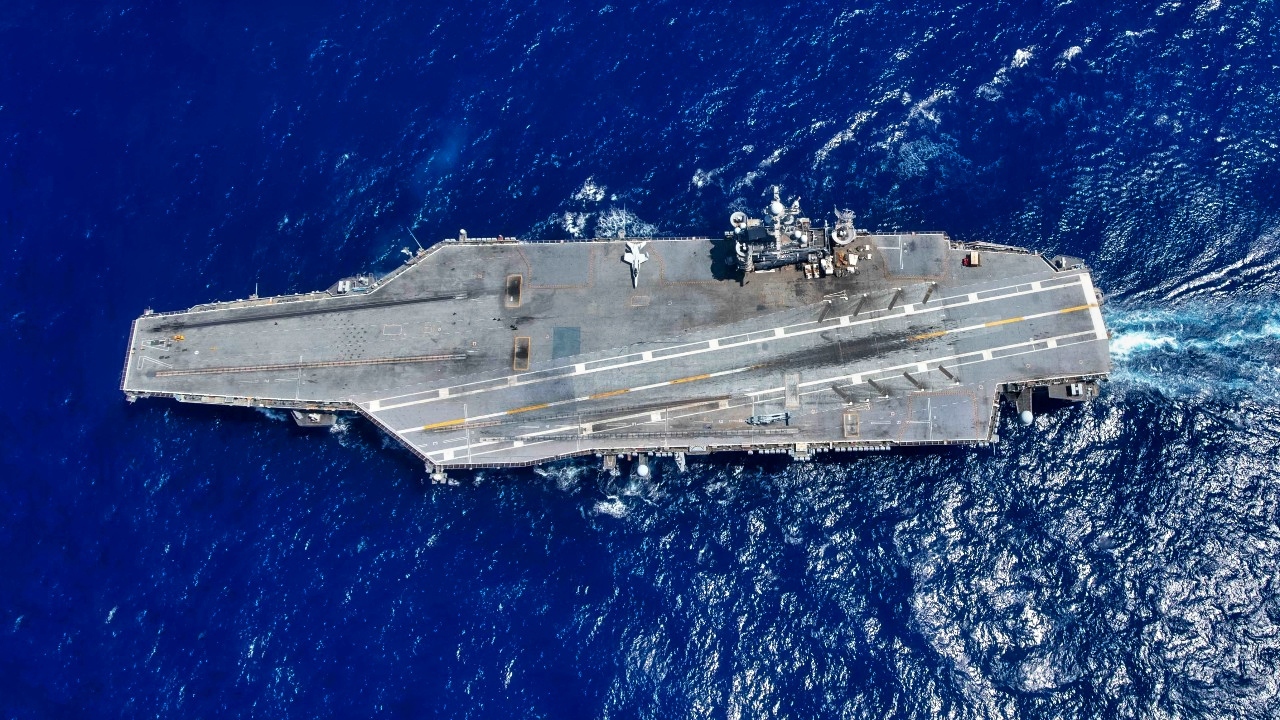
The Two Chokepoints Strategy: Iran Expands the Energy War Beyond Hormuz – For months, the world’s attention has been fixated on the Strait of Hormuz (SoH). Roughly one-fifth of globally traded oil normally passes through this waterway that separates Iran from Oman. Since the United States (and Israel) initiated the war against the Islamic Republic of Iran, though, that waterway has been shut down. And it will not reopen unless either the Americans can forcibly reopen it (thus far, that has not been possible) or the US and Iran agree to a new framework governing the SoH in which Iran has permanent effective control over it.
But the Iran War is now evolving to include the Red Sea. You see, the Houthis of Yemen announced recently that the Bab el-Mandeb Strait and the Red Sea were to be blockaded. If successful, Tehran would effectively place serious pressure on both ends of the Arabian Peninsula, threatening the two most important maritime energy corridors linking the Persian Gulf to global markets.
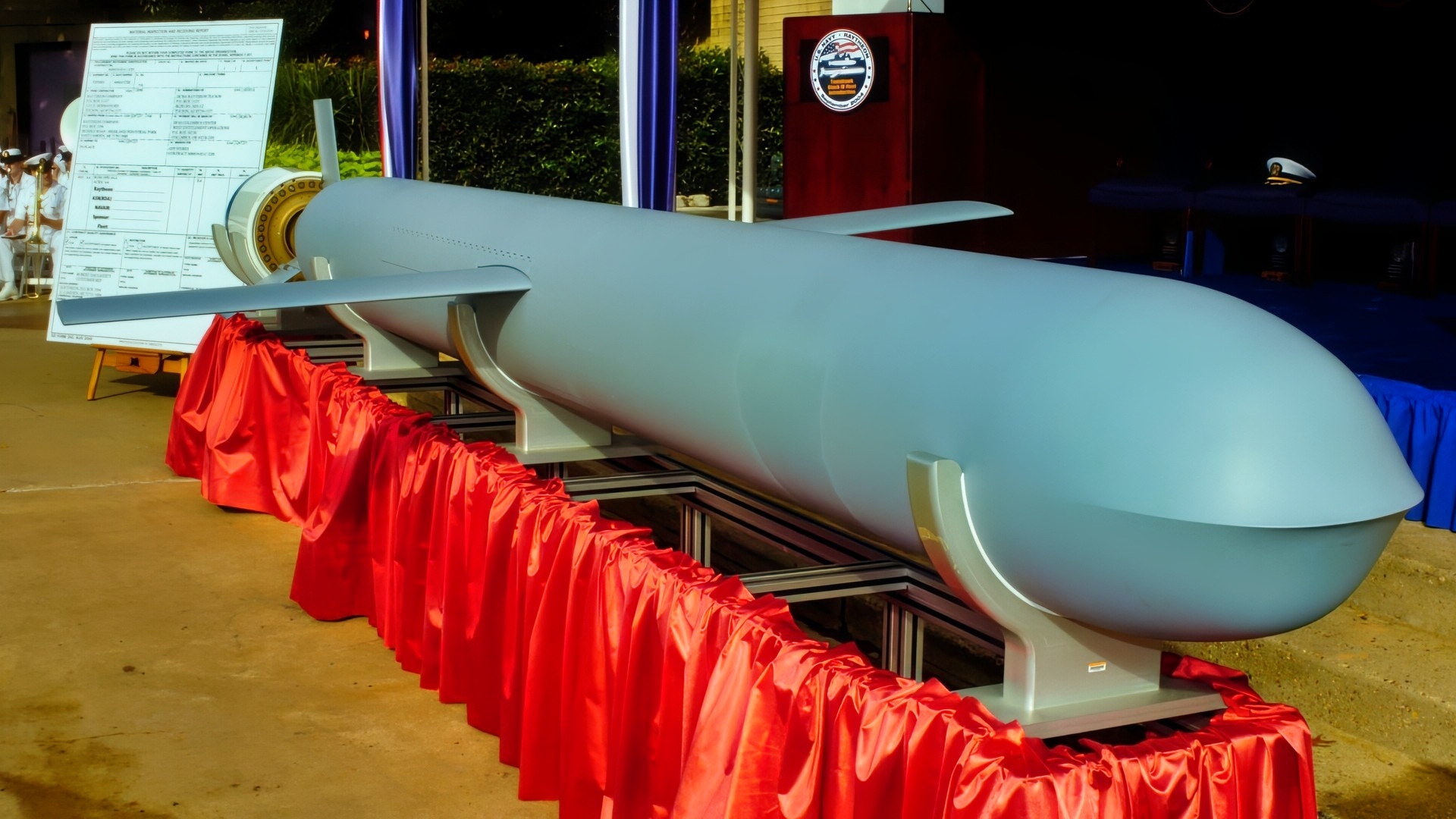
Tomahawk Block IV Missile. Image Credit: Creative Commons.

Tomahawk Launch. Image Credit: Creative Commons.
Hormuz is Iran’s Primary Weapon
Despite nearly two weeks of sustained American airstrikes against Iranian military targets, Washington failed to achieve one of its principal objectives: reopening the SoH.
Instead, Iranian officials are becoming explicit. The Iranian Revolutionary Guards Corps (IRGC) declared that, “As long as American hostilities continue, the Strait of Hormuz will remain closed.” And thus far, the Iranians have made good on their promise. The only thing the Americans have been able to do is to reimpose their already ineffective counter-blockade on ships entering and exiting the SoH.
The IRGC’s statement is important, though, because it confirms what has become increasingly clear over the last few months of the war: Iran no longer views the SoH as merely leverage in potential negotiations with the West. Instead, Tehran sees the SoH as its primary weapon against the United States, underscoring the vulnerability of global trade and regional stability.
The SoH is something that the United States, and indeed the world economy, cannot simply bomb into submission or reopen with brute force. Geography overwhelmingly favors Iran there. Mines, anti-ship ballistic missiles (ASBMs), drone attacks, fast-attack craft, submarines, and the constant threat posed to commercial shipping have effectively deterred normal maritime traffic despite repeated American military operations.
Recent attacks on tankers transiting near Oman demonstrate that commercial shipping remains extraordinarily vulnerable (and that Tehran, not Washington, is dictating terms in the SoH).
Every additional incident reinforces the perception among insurers and shipping firms–as well as commodity traders–that the waterway is essentially unusable, irrespective of how many Iranian military targets the US successfully destroys.
Bab el-Mandeb and the Second Maritime Front
The newest development involving the Houthis’ blockade of the Strait of Bab el-Mandeb and the Red Sea is even more consequential, given the way in which the SoH is closed. Iran’s Houthi partners in Yemen are ensuring that the Kingdom of Saudi Arabia, which spent years establishing alternatives to the SoH in the Red Sea, now feels the pinch.
Before the Houthi involvement, the Saudis could backstop whatever issues arose from the Iranian SoH closure by utilizing their alternative paths in the Red Sea and Bab el-Mandeb. With the Houthis now involved, however, those alternatives are closed to Riyadh.
America’s Regional Partners Face Real, Growing Pressure
The latest Iranian drone strikes against American facilities across the Greater Middle East fit neatly within Iran’s expanding war effort. Tehran understands that America’s forward military posture depends heavily on host-nation support. The Gulf Arab monarchies, like Saudi Arabia, have long welcomed US security guarantees.
Yet, those same governments remain deeply vulnerable to Iranian attack and prolonged disruptions of trade flows out of the region, thanks to the SoH closure. If the Saudi alternatives are shut down now by the Houthis, the Gulf Arab states may feel increasing pressure to reconsider their reliance on US support, highlighting the risk to regional stability.
After all, the Saudis and other Gulf Arab states require their economies to thrive for their regimes to survive. And those economies are heavily dependent on free trade. Trade that the Iranians and their proxies are now killing. The pressure, therefore, will likely mount on Washington from the Gulf Arab states to end the war quickly, regardless of what strategic objectives have been achieved.
The US Loses an Economic War with Iran
The real danger is not just that the SoH remains closed to shipping. The expansion of Iran’s economic war-by sealing off both the SoH and Bab el-Mandeb-threatens to disrupt global trade flows significantly, which helps international relations students understand the potential for widespread economic fallout.
Under these conditions, then, with the price of everything exploding due to the restrictions imposed by Iran on global trade flows, Washington and Tel Aviv face a far more complex strategic problem than simply reopening the SoH.
The economic war could easily destroy the global economy as we understand it, sending the United States and its partners into a sociopolitical tailspin, all while Iran rides out that particular storm (since they are one of the most heavily sanctioned regimes in the world anyway).
About the Author: Brandon J. Weichert
Brandon J. Weichert is Senior National Security Editor at. He also manages The Weichert Brief on Substack. Weichert also hosts “National Security Talk” on Rumble. He is the author of four bestselling national security books, the most recent of which is A Disaster of Our Own Making: How the West Lost Ukraine (Encounter Books). Follow him via Twitter/X @WeTheBrandon.


