


Brazil deliberately scuttled its aircraft carrier 350 kilometers off the Atlantic coast in February 2023. The carrier was loaded with asbestos and other hazardous materials. Turkey had refused to accept the ship at port. Ports in Brazil also refused to accept the ship back. The carrier was originally built by France as the Foch in 1963. The Foch was one of two Clemenceau-class aircraft carriers. Brazil purchased the ship in 2000 and renamed it São Paulo. A 2005 boiler room explosion aboard the carrier killed 3 Brazilian sailors.
Brazil Destroyed Its Own Aircraft Carrier
The aircraft carrier São Paulo ended its life in an unusual manner, one that angered environmental groups, embarrassed two governments on different continents, and reopened a long-running dispute about how old warships should be disposed of.
Before it served in the Brazilian Navy, the São Paulo began its life in France, as the French Navy aircraft carrier Foch. Commissioned into the French Navy in 1963, the Foch was one of two Clemenceau-class aircraft carriers built during the Cold War.
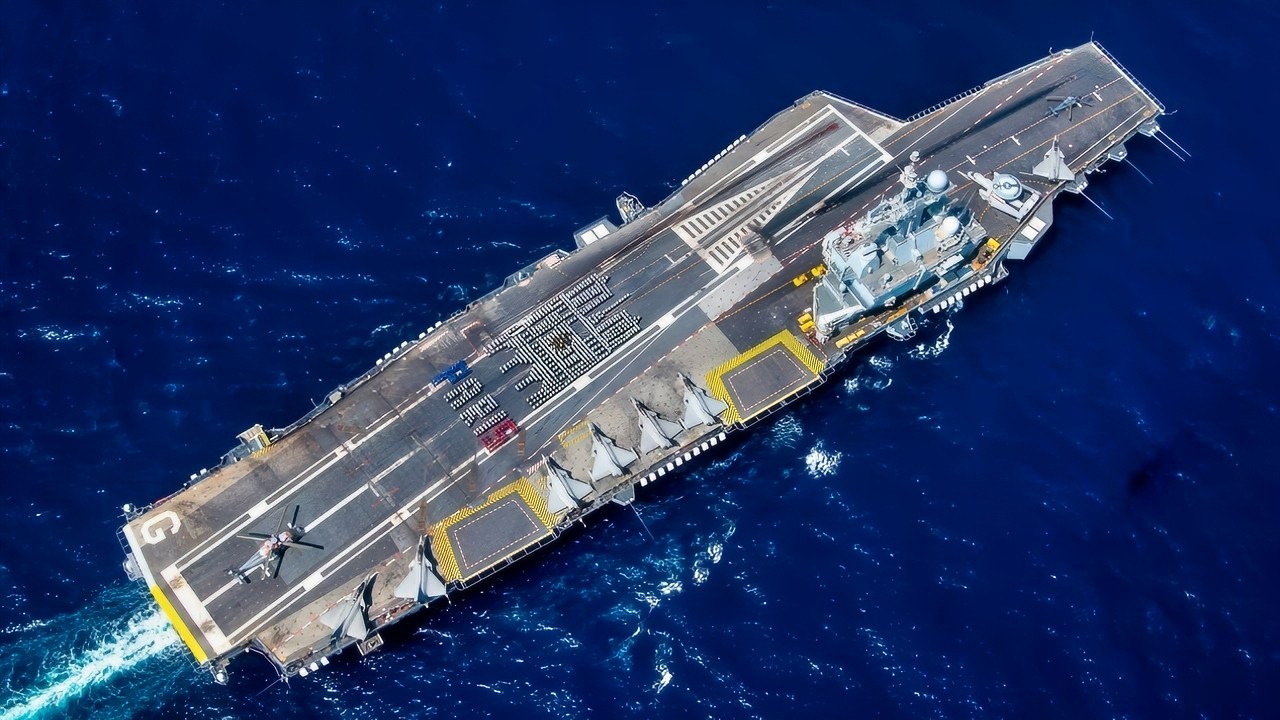
Charles de Gaulle Aircraft Carrier France. Image Credit: Creative Commons.
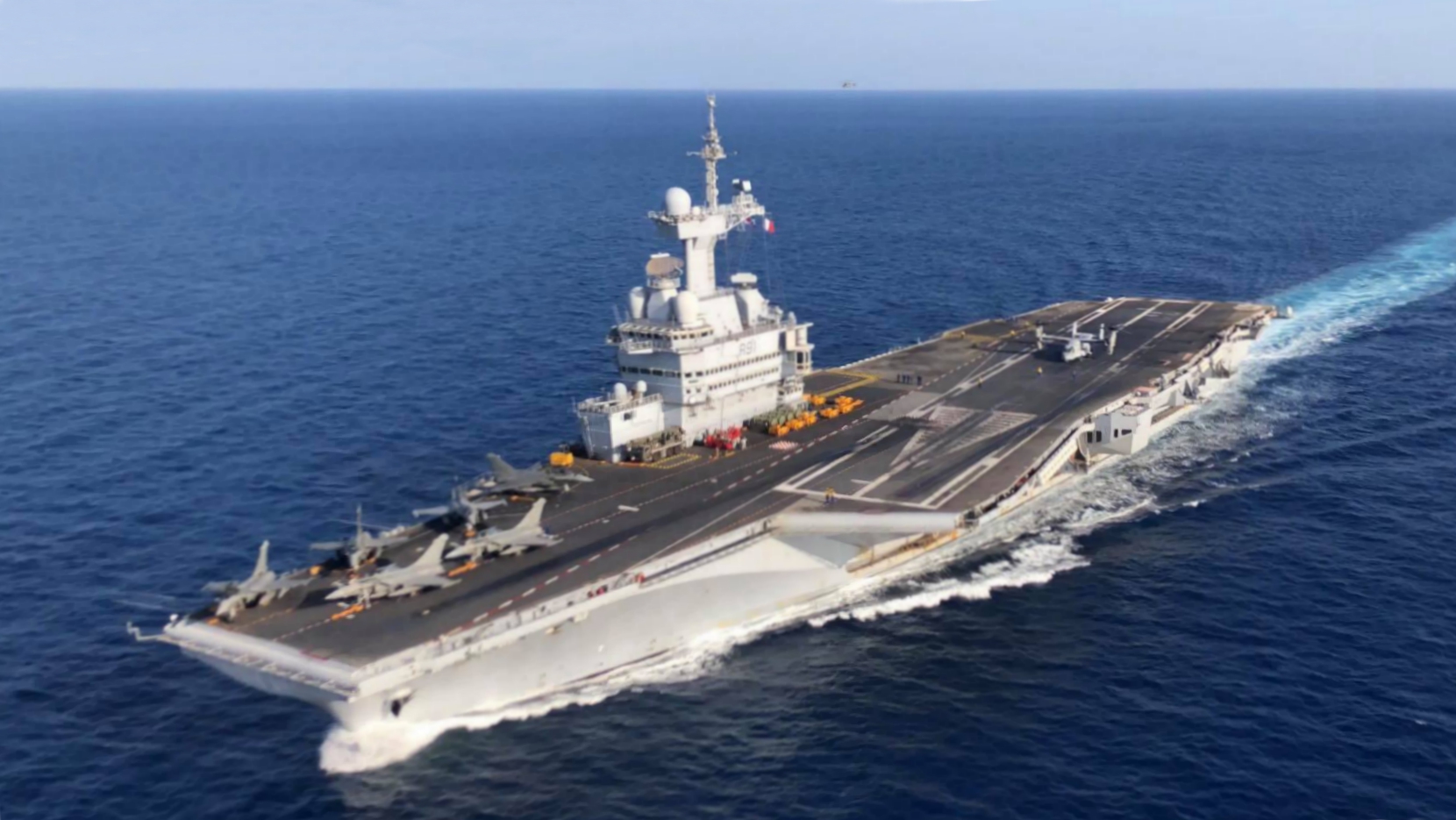
190424-M-BP588-1005 U.S. 5TH FLEET AREA OF OPERATIONS (April 24, 2019) A U.S. Marine MV-22 Osprey assigned to the 22nd Marine Expeditionary Unit sits on the flight deck of France’s Marine Nationale aircraft carrier FS Charles De Gaulle (R 91). This was the second time that Ospreys have landed aboard the French vessel. Marines and Sailors assigned to the 22nd MEU and Kearsarge Amphibious Ready Group are currently deployed to the U.S. 5th Fleet area of operations in support of naval operations to ensure maritime stability and security in the Central region, connecting the Mediterranean and the Pacific through the western Indian Ocean and three strategic choke points. (U.S. Marine Corps photo by Maj. Joshua Smith/Released)
The ship spent decades in operations with French naval aviation around the Mediterranean, Atlantic, and Indian Oceans, as well as the Persian Gulf. French aircraft flew combat missions from the Foch during operations in Lebanon in the 1980s and the former Yugoslavia in the 1990s. But by the late 1990s, the French Navy was transitioning from legacy carriers to larger, more capable nuclear-powered aircraft carriers, and the Foch was no longer needed.
To South America
Brazil ultimately purchased the ship in 2000 for a relatively modest sum and renamed her São Paulo. Initially, it appeared like the Brazilian Navy was poised for a significant leap in operational capabilities.
The county wanted to maintain its fixed-wing naval aviation capability after the carrier Minas Gerais left service. Practically speaking, however, the newly-named São Paulo quickly earned a reputation for mechanical problems, maintenance delays, and lengthy port stays.
In 2005, a boiler room explosion killed three Brazilian sailors and underscored how badly the ship had deteriorated.
A series of other mishaps, including fires, electrical problems, and propulsion issues, followed. Keeping a conventionally-powered aircraft carrier from the early 1960s in fighting form was a tall order even for the world’s larger, more established navies.
For Brazil, however, it was very difficult. By the 2010s, the carrier spent much more time undergoing repairs than it did at sea, leading to its decommissioning in 2017.
International Sales, International Controversies
Brazil sold the São Paulo to a Turkish company for scrap in 2021. And while that should have been the final chapter of a long and torturous saga for the ship, the ship’s story took a longer turn, one that mired its rusty hull in controversy.
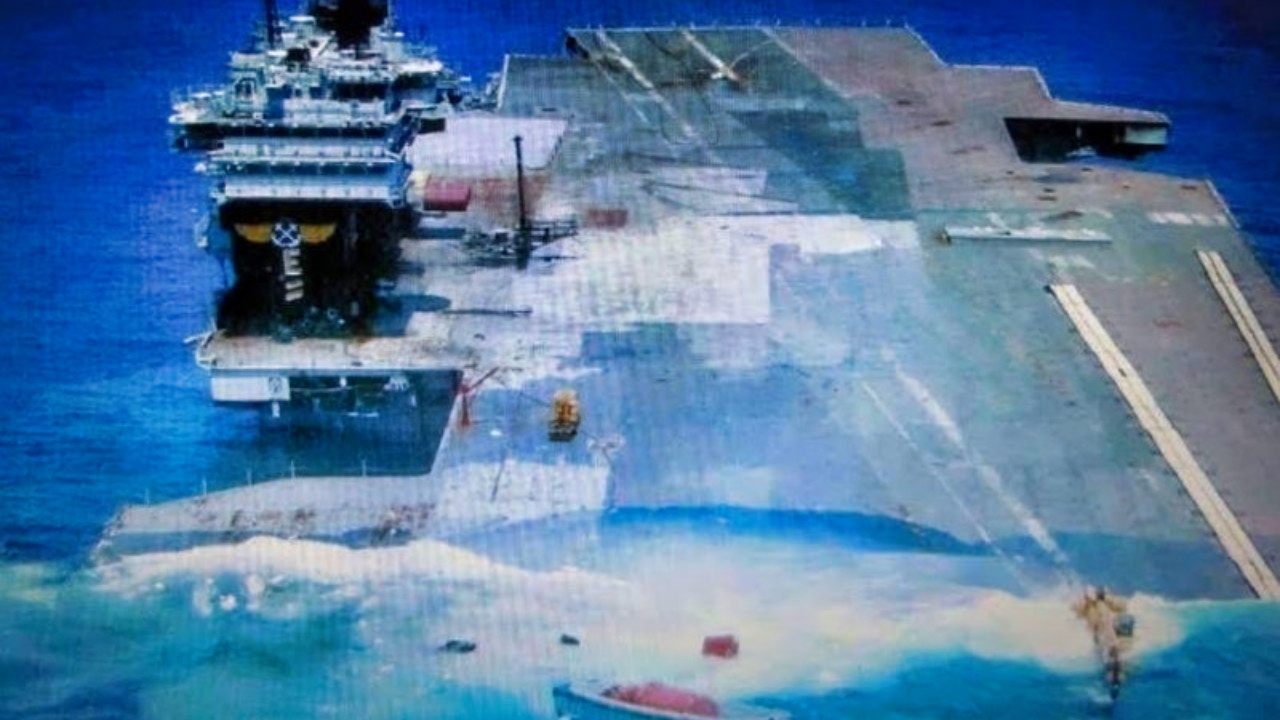
Navy Aircraft Carrier USS America is sinking in a controlled detonation. Image Credit: U.S. Navy.
Environmental groups began sounding the alarm over many tons of hazardous material onboard the ship. Like many warships built in the 1950s and 1960s, the São Paulo contained asbestos and other toxic substances. Estimates of how much hazardous material was actually on the ship varied significantly. Authorities in Brazen said the ship contained less than ten tons of asbestos, but environmental groups claimed that the actual amount was significantly higher.
In 2022, the ex-São Paulo was towed to Turkey, sparking protests.
Pressured by the public and activist groups, Turkish authorities eventually blocked the ship from entering port, forcing it to turn back and retransit the Mediterranean and the Atlantic. But again, this would create another strange chapter in the carrier’s long and tortured history.
No Entry
Ports in Brazil refused to accept the ship, and a number of disparate groups, including local officials, prosecutors, environmental groups, and activists, all became involved in the ship’s fate. But in the meantime, the ship’s hull continued to deteriorate.
Reports surfaced that the ship was taking on water, and the Brazilian Navy argued that the carrier risked sinking uncontrollably if left adrift or brought close to shore.
In 2023, Brazilian authorities decided that the best bad option they had was to scuttle the ship deep in the Atlantic Ocean, about 350 kilometers off the Brazilian coast, which they assured the public would minimize the environmental risks posed by the hazardous material aboard.
But critics of the move were livid. Greenpeace, federal prosecutors in Brazil, and other environmental organizations accused the government of, in essence, dumping toxic waste into the ocean, and that the ship’s controlled sinking violated international environmental agreements to which Brazil was a party.
No Good Options
Ultimately, the Brazilian Navy’s argument that it had no good options prevailed. Officials argued that it was only a matter of time before the ship sank, and that it would have been much more destructive to let it sink at port or near the coast rather than in deep water.
On February 3rd, 2023, the ship sank permanently into the depths after demolition charges opened new holes in the ship’s hull.
The ex-São Paulo now rests thousands of meters below the ship’s surface, far away from human activity, though critics still maintain that the Brazilian Navy handled the situation poorly.
About the Author: Caleb Larson
Caleb Larson is an American multiformat journalist based in Berlin, Germany. His work covers the intersection of conflict and society, focusing on American foreign policy and European security. He has reported from Germany, Russia, and the United States. Most recently, he covered the war in Ukraine, reporting extensively on the shifting battle lines in Donbas and writing about the war’s civilian and humanitarian toll. Previously, he worked as a Defense Reporter for POLITICO Europe. You can follow his latest work on X.


