

Chinese AI software identified weaknesses in the U.S. Air Force’s $750,000,000 B-21 Raider stealth bomber. Chinese scientists at the China Aerodynamics Research and Development Center (CARDC) used a new AI-driven simulation platform called PADJ-X. The scientists analyzed publicly available B-21 schematics. PADJ-X is an “all-in-one” AI program that analyzes aerodynamics, propulsion, and stealth characteristics.
China Is Studying the B-21 Raider Stealth Bomber

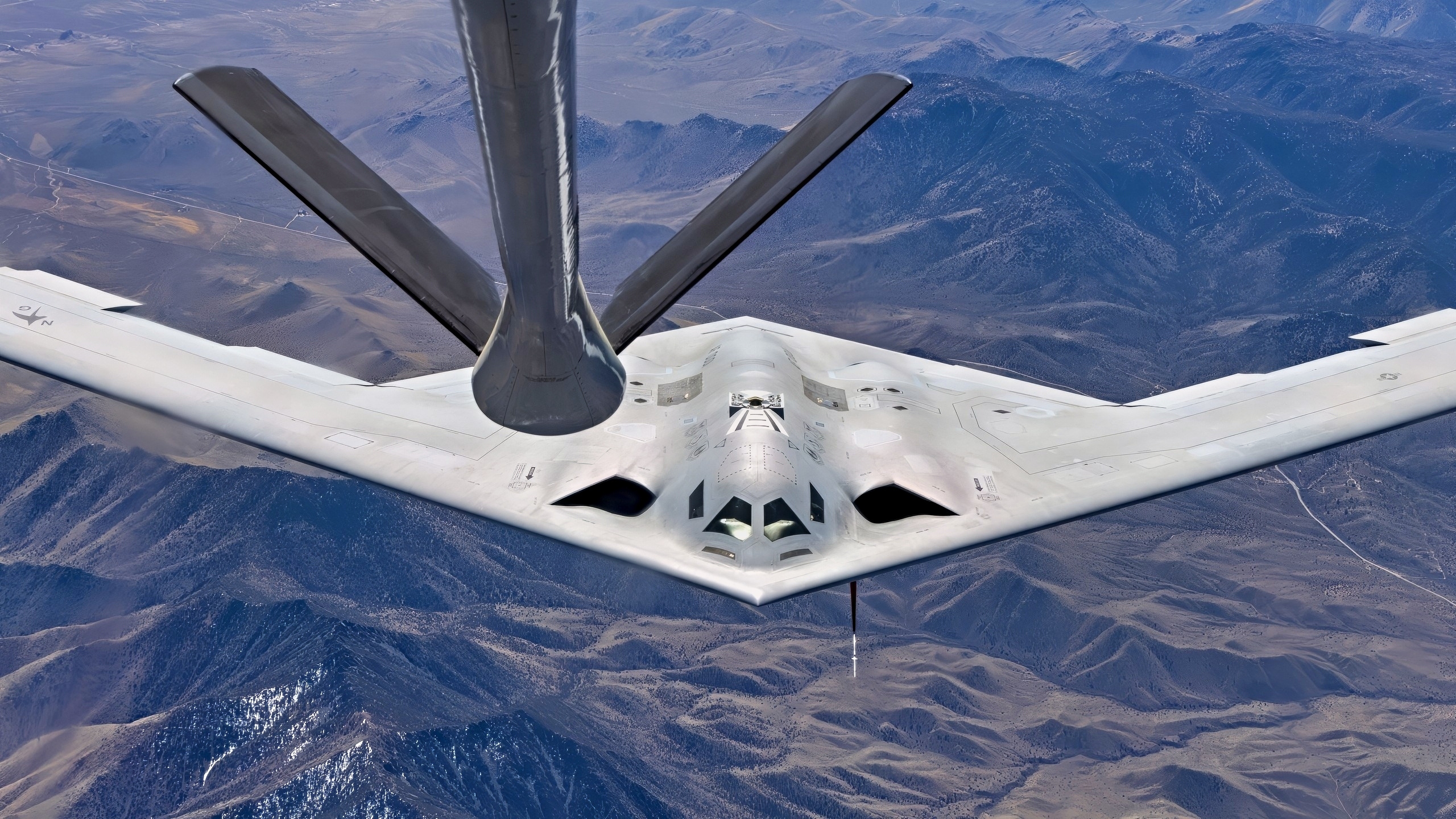
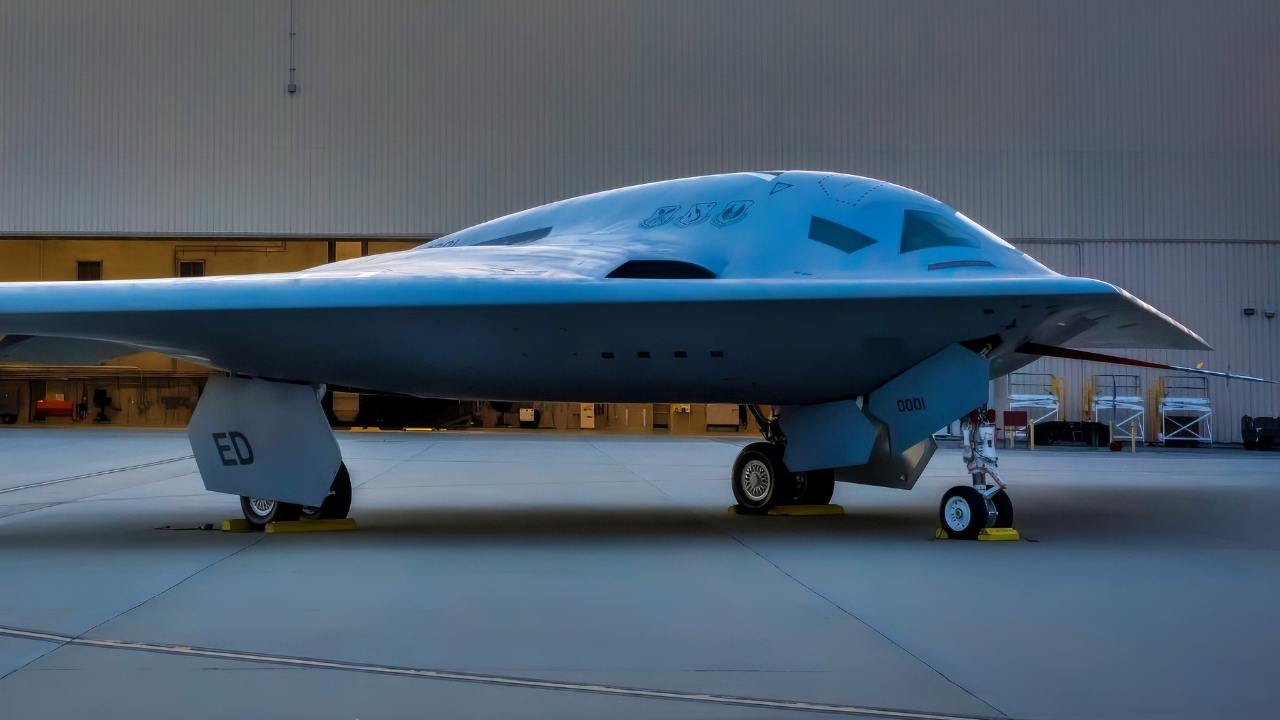
B-21 Raider Up Close. Image Credit: U.S. Air Force.

A second B-21 Raider test aircraft takes off, Sept. 11, from Palmdale, Calif., to join the Air Force’s flight test campaign at Edwards Air Force Base, Calif. The addition of the second test aircraft expands mission systems and weapons integration testing, advancing the program toward operational readiness. (Courtesy photo)
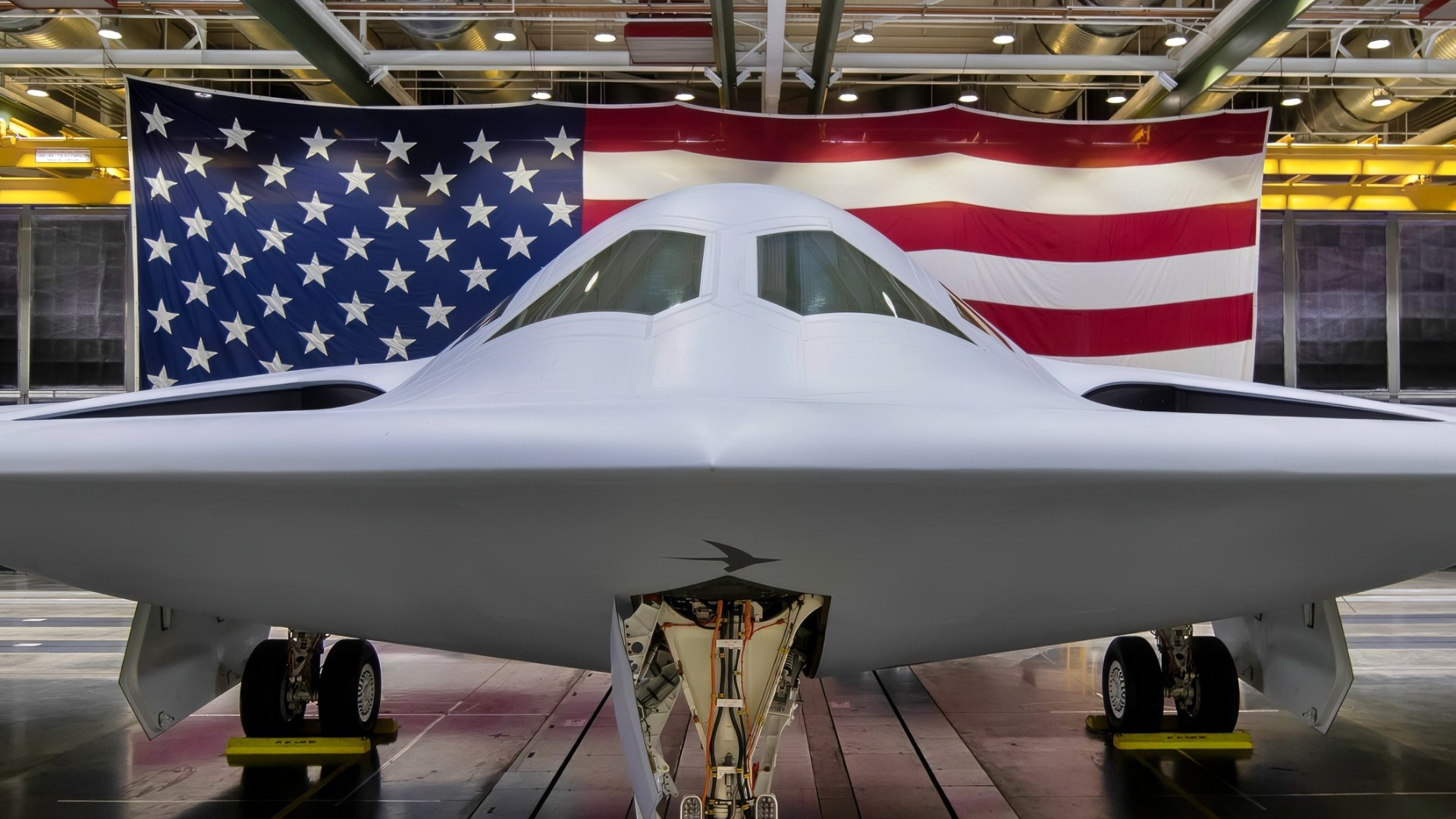
The B-21 Raider was unveiled to the public at a ceremony December 2, 2022 in
Palmdale, Calif. Designed to operate in tomorrow’s high-end threat environment, the B-21 will play a critical role in ensuring America’s enduring airpower capability. (U.S. Air Force photo)
America finds itself in a bit of a bind, as its nearly $1 trillion per year defense budget is clearly not producing the kind of results its supporters believe it should. In a race against time with the People’s Republic of China (PRC), the second-largest economy in GDP terms and the world’s manufacturing superpower, the United States is discovering that it can no longer rest on the notion that its military technology surpasses everyone else’s.
The days of inherent US military technological supremacy are at an end. This is becoming increasingly clear as even the newest long-range stealth bombers, such as the B-21 Raider, which will cost an astonishing $750 million per plane, are now rendered vulnerable by advances in Chinese detection technology.
China’s Claim: Cracking the B-21
Chinese scientists say they’ve identified “aerodynamic and stability weaknesses” in the B-21’s flying-wing stealth design. PADJ-X is a new simulation platform developed by the China Aerodynamics Research and Development Center (CARDC).
Marketed as an “all-in-one” artificial intelligence-driven software program, it supposedly analyzes the aerodynamics, propulsion, and stealth of a given aircraft. In this case, Chinese scientists asked the PADJ-X program to analyze the B-21’s open-source schematics to identify any weaknesses that could be exploited by the Chinese military.
The scientists at CARDC published their findings in a scientific paper. This artificial intelligence program is designed to speed up the design process for future aircraft and drones by improving flight efficiency and stealth characteristics of a given plane or drone.
By using this tool to assess the design of a rival’s long-range stealth bomber, the scientists at CARDC are demonstrating a unique capability that China’s military could apply to multiple enemy planes.
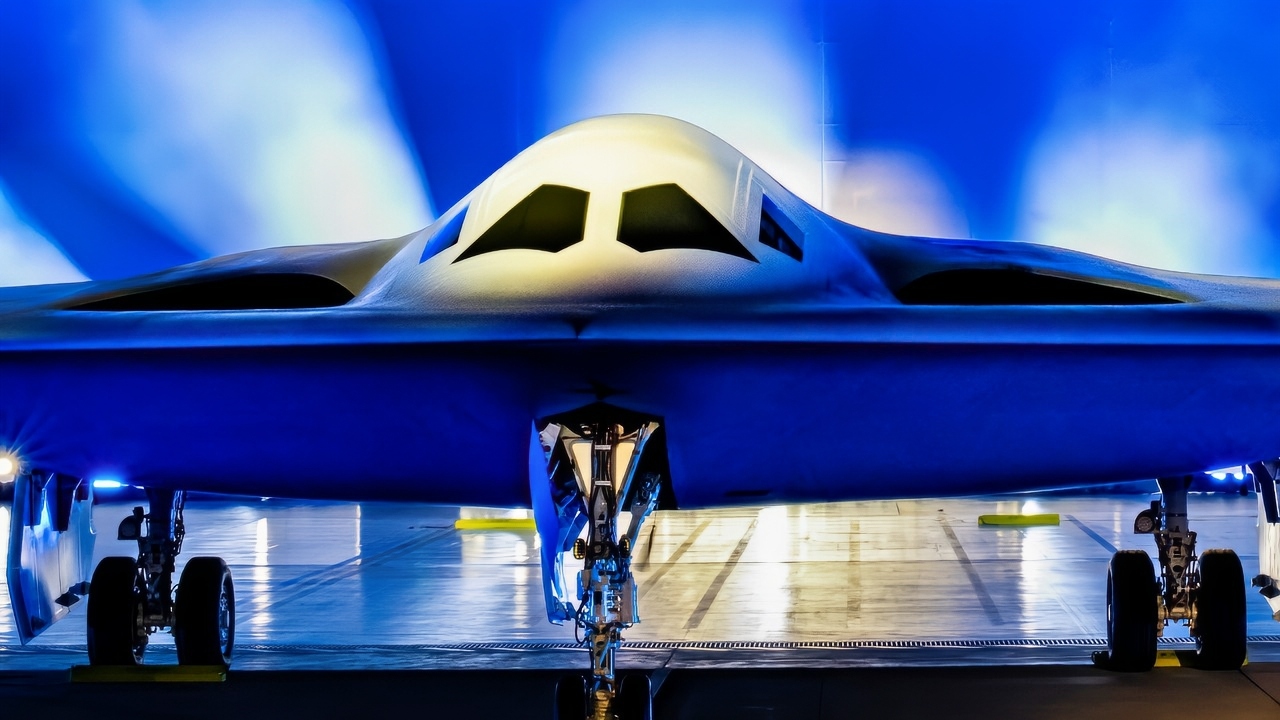
A B-21 Raider is unveiled at Northrop Grumman’s manufacturing facility on Air Force Plant 42 in Palmdale, California, Dec. 2, 2022. The B-21 will be a long-range, highly survivable, penetrating strike stealth bomber capable of delivering both conventional and nuclear munitions. (U.S. Air Force photo by Airman 1st Class Joshua M. Carroll)
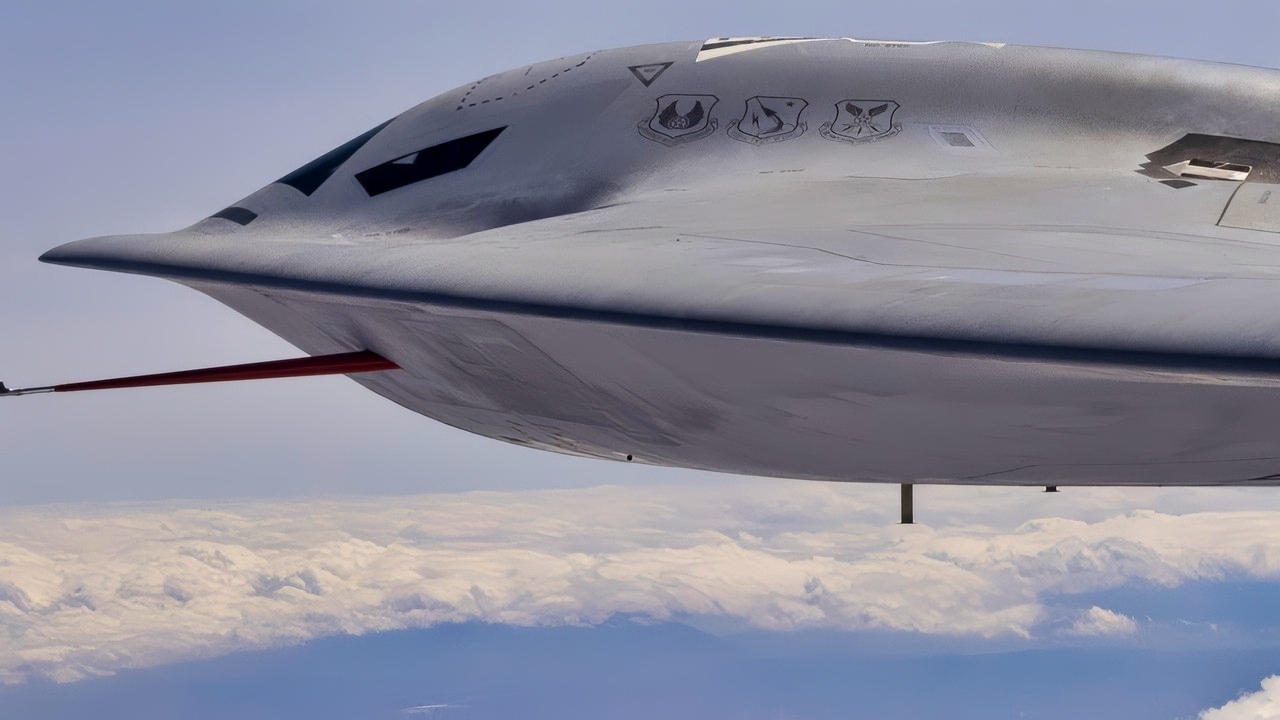
B-21 Raider. Image Credit: U.S. Air Force.
The B-21 Raider is designed with an open systems architecture, enabling rapid insertion of mature technologies and allowing the aircraft to be effective as threats evolve. The bomber was designed up front for supportability and maintainability-based upon decades of lessons learned and best practices from prior aircraft programs-to improve long-term affordability and outcomes in operations and sustainment. The B-21 first flight is anticipated to take place in calendar year 2023. (U.S. Air Force photo)
More Than Analysis—Optimization and Countermeasures
What CARDC’s scientists are saying is that they can optimize the B-21. It is known that the Chinese have been developing their own flying-wing long-range stealth bomber, the H-20 Xi’an.
In doing so, the Chinese can better optimize their plane’s stealth. At the same time, of course, these findings might assist the Chinese in developing their own countermeasures to America’s newest flying-wing stealth bomber.
The Limits of Open-Source Intelligence
It’s important to understand that, unless there was cyber espionage we don’t yet know about, China had access only to publicly available B-21 designs. The B-21 is a highly secretive aircraft program.
Its design includes highly classified intricacies. Without that knowledge, the Chinese cannot be certain they detected all the weaknesses in the B-21 design—or that those weaknesses still exist in the final versions that will take to the unfriendly skies.
The “Flaw” Might Not Be a Flaw
Interestingly, the Chinese findings might not surprise American engineers. Indeed, they might even be part of the final design. That’s because flying-wing designs, paradoxically, are meant to be somewhat unstable.
It’s the essential tradeoff required for reliable stealth.
The stability of a flying-wing aircraft is managed by advanced flight computers, most of which remain classified. In other words, China’s enterprising scientists might be uncovering problems with the B-21’s flying-wing design that American scientists already solved decades ago during the design and operation of the Air Force’s B-2 Spirit long-range flying-wing stealth bomber.
The B-21 is built with digital engineering from the ground up, too. So, it is likely that this known design trade-off was accounted for during the development of the B-21 Raider.
Simulations vs. Real War
What’s more, simulations cannot replicate real combat conditions. While the B-21 is still being developed and tested in America’s deserts, the B-2 Spirit long-range stealth bombers have seen extensive combat, and the hard lessons learned from operating those aircraft have been applied to the B-21.
There is also the matter of electronic warfare (EW) and its role in degrading rivals’ ability to detect and target US stealth bombers. Lastly, American stealth bomber pilots are among the most experienced in the world. One must never discount the power that experienced pilots bring to a system like the B-21.
The Real Story: An Algorithmic Arms Race
Still, the fact that the Chinese are employing these unique methods indicates a rival advancing at breakneck speed. This is yet another example of the unpredictable nature of the new arms race defining Sino-American relations today. It also shows that the battlefield has shifted to the arena of algorithms, modeling, and simulations.
China did not necessarily need to steal secret American schematics for the B-21.
They found publicly available designs and used them to infer critical information, with the help of a next-generation open data and AI modeling system, the PADJ-X.
Why This Should Worry Washington
That alone should give Pentagon war planners pause. It indicates that the Americans face a wealthy, technologically advanced foe in Beijing. Sure, there are many secrets the Chinese have not yet uncovered about the B-21.
Clearly, though, China is becoming very adept at digitally reverse-engineering US weapons.
Even from a propaganda perspective, that’s bad. From a capabilities perspective, however, that could lead to disaster for the United States, which pours far more money and finite resources into developing its advanced systems than does China.
About the Author: Brandon J. Weichert
Brandon J. Weichert is a Senior National Security Editor. Recently, Weichert became the editor of the “NatSec Guy” section at Emerald.TV. He was previously the senior national security editor at The National Interest. Weichert is the host of The National Security Hour on iHeartRadio, where he discusses national security policy every Wednesday at 8pm Eastern. He hosts a companion show on Rumble entitled “National Security Talk.” Weichert consults regularly with various government institutions and private organizations on geopolitical issues. His writings have appeared in numerous publications, among them Popular Mechanics, National Review, MSN, and The American Spectator. And his books include Winning Space: How America Remains a Superpower, Biohacked: China’s Race to Control Life, and The Shadow War: Iran’s Quest for Supremacy. Weichert’s newest book, A Disaster of Our Own Making: How the West Lost Ukraine, is available for purchase wherever books are sold. He can be followed via Twitter/X @WeTheBrandon.


