

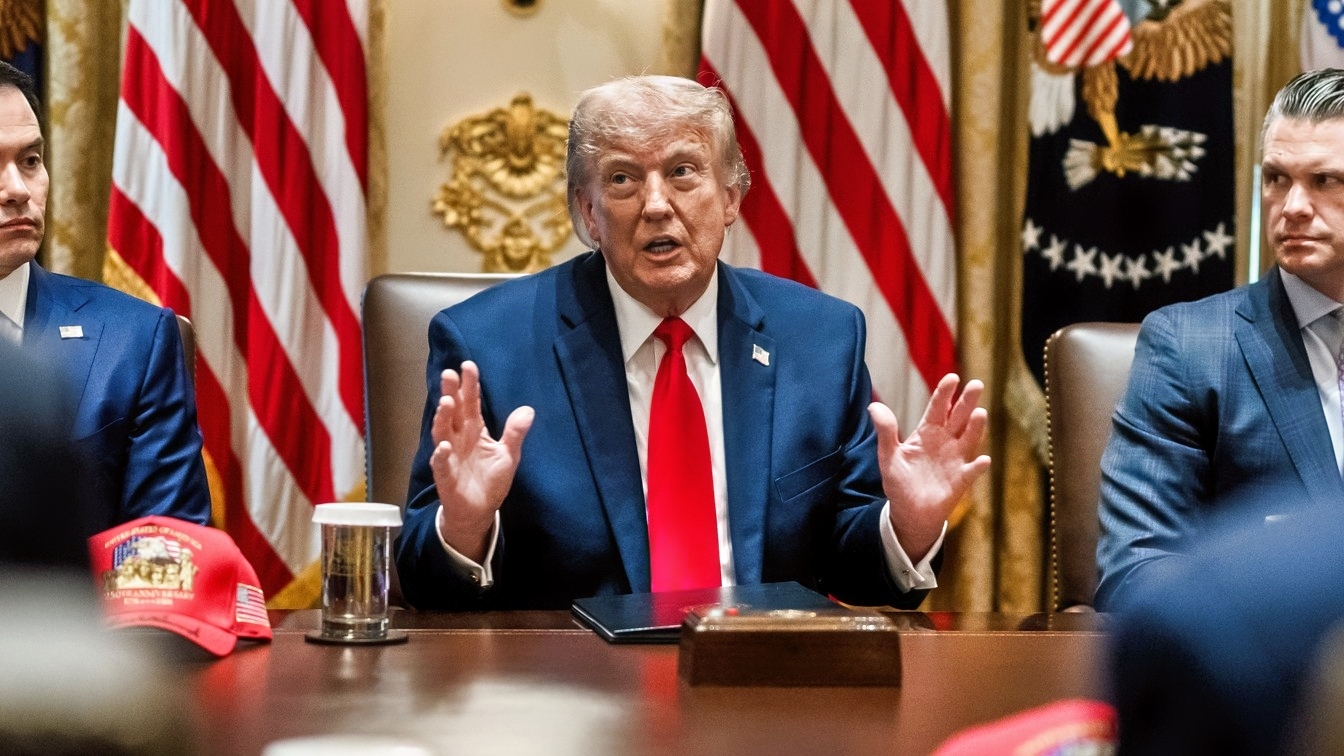
Summary and Key Points: Strip away the politics, and Trump’s war on Iran reads like two completely different stories. In one, it’s a stunning military success: Iran’s air force, navy, and missile brigades shattered, its nuclear program crippled, its supreme leader dead. In the other, it’s a looming disaster — illegal in critics’ eyes, opposed by most Americans, fought without allies, and unable to deliver the one thing that would justify it: a real peace. Dr. Brent Eastwood lays both ledgers side by side and reaches an uncomfortable conclusion. Whether history records this as Trump’s vindication or his undoing comes down to a single outcome still hanging in the balance — and the cruelest twist is the bar he’ll be measured against. It’s the same deal he went to war to destroy. To win, he may have to beat it.
Donald Trump, the Iran War, and History
It is difficult to surmise at this point how history will judge President Donald Trump’s war against Iran. On the one hand, critics believe it is illegal and inconsistent with the War Powers Resolution, and dismiss the requirement for congressional consent. It is expensive and has cost perhaps over $100 billion. There have been casualties. The majority of Americans are against it. It has also sent gasoline prices soaring.
Some Good Things Happened

A-10 Warthog. Image Credit: Creative Commons.

A-10 Warthog. Image Credit: Creative Commons.
On the other hand, the war has been a rousing military success. Nearly all facets of Iran’s defense forces, its air force, navy, and missile brigades have mostly been decimated. Trump is the first president to take the fight to the enemy in an operation that will reduce the Iranian regime’s ability to produce a nuclear device. Iran will also not be a successful state sponsor of terror for the foreseeable future.
Peacemaking Is Not as Easy as Trump Thought
Winning the peace has been elusive. Trump does have an experienced negotiating team with Special Envoy Steve Witkoff and the president’s son-in-law, Jared Kushner. Vice President JD Vance and Secretary of State Marco Rubio have done their part. But overall, lasting, and just peace has not been achieved. The Iranians are tough negotiators and seem to want to move the goal posts at every opportunity. A broader deal with Tehran has not been forthcoming at this point despite monumental efforts by the Americans and the Pakistani mediators.
Was Obama’s Peace Effort Better?
Detractors of the war point to the Joint Comprehensive Plan of Action (JCPOA) fashioned by President Barack Obama that was designed to make sure Iran did not acquire a nuclear weapon. The Iranians promised not to enrich uranium and to allow international agencies to inspect the nuclear infrastructure. In exchange, the United States and its allies would stop financial sanctions against Tehran.
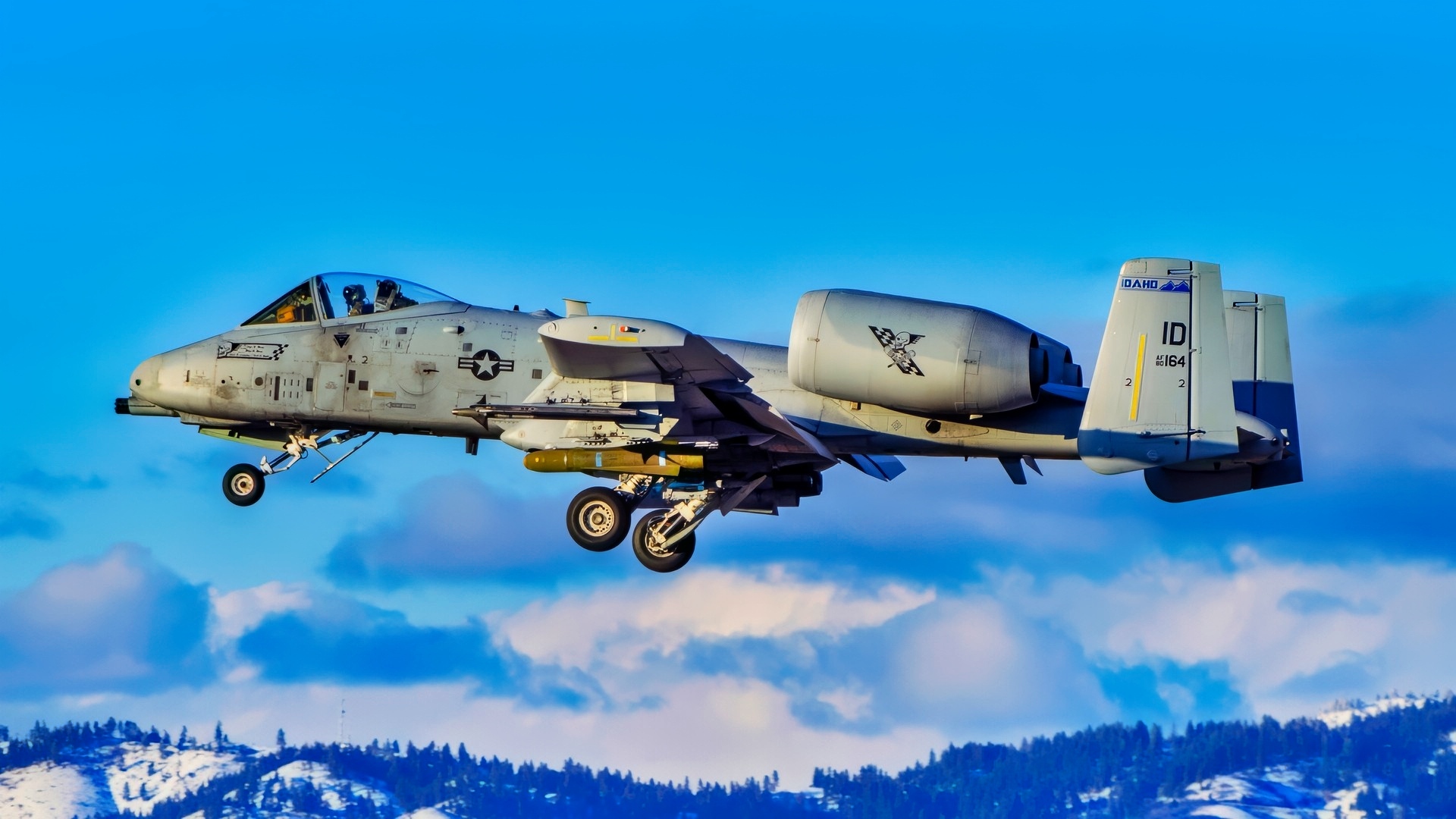
Idaho National Guard pilots land A-10 Thunderbolt IIs after a flight mission near Gowen Field on March 15, 2023 with the Boise foothills in the background. (U.S. National Guard photo by Master Sgt. Becky Vanshur)
But Trump withdrew from the JCPOA. Trump thought that the deal negotiated by Obama was too weak to stand the test of time. JCPOA would only last 10 to 15 years and then sunset, allowing the Iranians to begin work on a nuclear device again. The deal also did not address Iran’s strong ballistic missile program. It did not have stipulations for Iran’s malign and dangerous support for proxies and terrorists in the Middle East.
Why Not Build on the JCPOA Framework?
JCPOA was certainly flawed, but the main effort was working. Iran never produced a nuclear weapon, and Obama never had to deploy troops. Trump critics say that if the mercurial president had stayed within the JCPOA framework, he could have addressed other shortcomings of the plan without waging a shooting war.
Regime Change Efforts Failed
Another mistake on Trump’s part was the prediction that the Iranian regime would fall after Operation Epic Fury, but that has not happened. People did not take to the streets to overthrow the government. This shows the limits of air power and ballistic missile launches aimed at military targets. While Supreme Leader Ali Khamenei was killed, this did not spark a revolution. And his son, Mojtaba, took the reins of power and is considered just as extreme and oppressive as his father.
IRGC Was Stronger Than Ever
Trump also did not foresee that the Islamic Revolutionary Guard Corps (IRGC) would be so influential after Operation Epic Fury. This entity is full of hardliners and dead-enders who have no desire to negotiate in good faith with the Americans. Some IRGC members are likely calling the shots since Mojtaba is probably wounded and is not 100 percent in charge of the country.
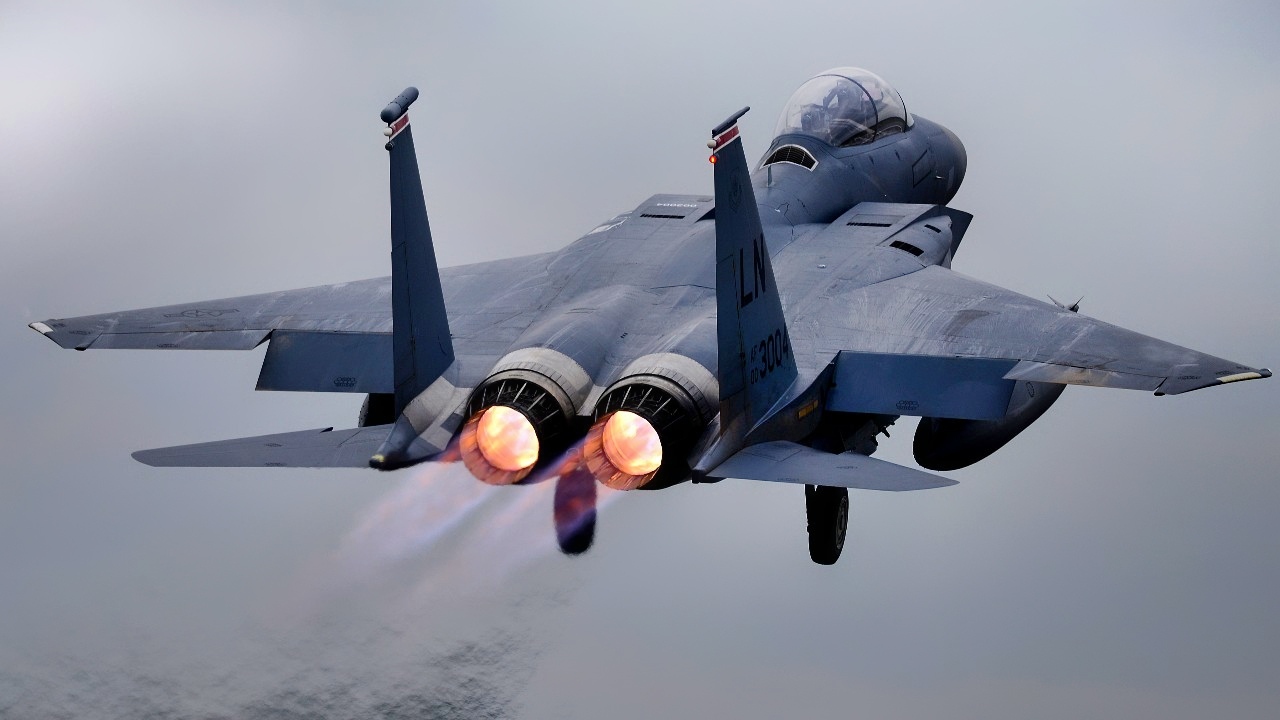
An F-15E Strike Eagle assigned to the 494th Fighter Squadron takes off for a training sortie at Royal Air Force Lakenheath, England, Oct. 26, 2018. The 494th trains regularly to ensure RAF Lakenheath brings unique air combat capabilities to the fight. (U.S. Air Force photo/ Tech. Sgt. Matthew Plew)

The F-15EX, the Air Force’s newest fighter aircraft, arrives to Eglin Air Force Base, Florida March 11. The aircraft will be the first Air Force aircraft to be tested and fielded from beginning to end through combined developmental and operational tests. The 40th Flight Test Squadron and the 85th Test and Evaluation Squadron personnel are responsible for testing the aircraft. (U.S. Air Force photo/1st Lt. Karissa Rodriguez)
No Support From Allies
Trump also made a mistake by failing to form an international coalition to support the war. He decided to begin bombing without telling many allied countries. NATO was not a factor. The United Nations was kicked to the curb. As a result, key allies like the United Kingdom, France, and Germany did not support the war effort.
Failure to Get the American People’s Support
The president also made a fateful mistake that hurt his chances for domestic political support. He did not make a good enough case to the American people that Iran needed to be attacked. For many Americans, the Middle East is out of sight and out of mind.
Some people were not even alive during the Iranian hostage crisis, or did not know that Iranian proxies helped kill hundreds of American soldiers and marines during the Second Gulf War. Trump assumed that everyone was on the same page with him. He also did not use the bully pulpit to make his case for war. Operation Epic Fury had too many strategic objectives that muddied the message. Trump should have made a lengthy prime-time address from the Oval Office like President Ronald Reagan to convince the voters that war was necessary.
Perhaps This Was Israel’s War In the First Place
Others believed that Trump was doing the bidding of Israel and fighting an “Israeli War.” These naysayers also pointed out that the president campaigned on ending “forever wars” in the region.
Few Democrats On Board
Trump also did not make this a bipartisan effort. Democrats think the war is illegal and in violation of the War Powers Resolution, which eventually requires Congressional support for an authorization of military force by lawmakers. Trump appeared not to care about the law and used flawed logic to refuse compliance with the statute.
Snatching Diplomatic Victory From the Jaws of Defeat
However, despite all of these mistakes, the Commander-in-Chief could still win a victory. If he gets everything that he is demanding of the Iranians – no nuclear program or enriched uranium – then that could be a main objective met. If Iran no longer supports terrorism or rebuilds its ballistic missile program, there would be more examples that show Trump was right to wage war.
Public opinion could change over time, and historians could recognize that the Americans had no choice but to attack. But as it stands right now, many consider that the operation against Iran was an unnecessary war of choice. Trump had promised no wars in the Middle East, and he broke that promise. This may be the undoing of his presidency if no peace is achieved on terms better than those of the JCPOA.
About the Author: Brent M. Eastwood, PhD
Author of now over 3,500 articles on defense issues, Brent M. Eastwood, PhD, is the author of Don’t Turn Your Back On the World: A Conservative Foreign Policy and Humans, Machines, and Data: Future Trends in Warfare, plus two other books. Brent was the founder and CEO of a tech firm that predicted world events using artificial intelligence. He served as a legislative fellow for US Senator Tim Scott and advised the senator on defense and foreign policy issues. He has taught at American University, George Washington University, and George Mason University. Brent is a former US Army Infantry officer. He can be followed on X @BMEastwood.


Steve
July 2, 2026 at 10:45 pm
How do I know you would be sticking up for someone like Donald Trump who has trashed our closest allies diving headfirst into a war that made absolutely no sense. I think you need to read some of your books before supporting this nitwit