

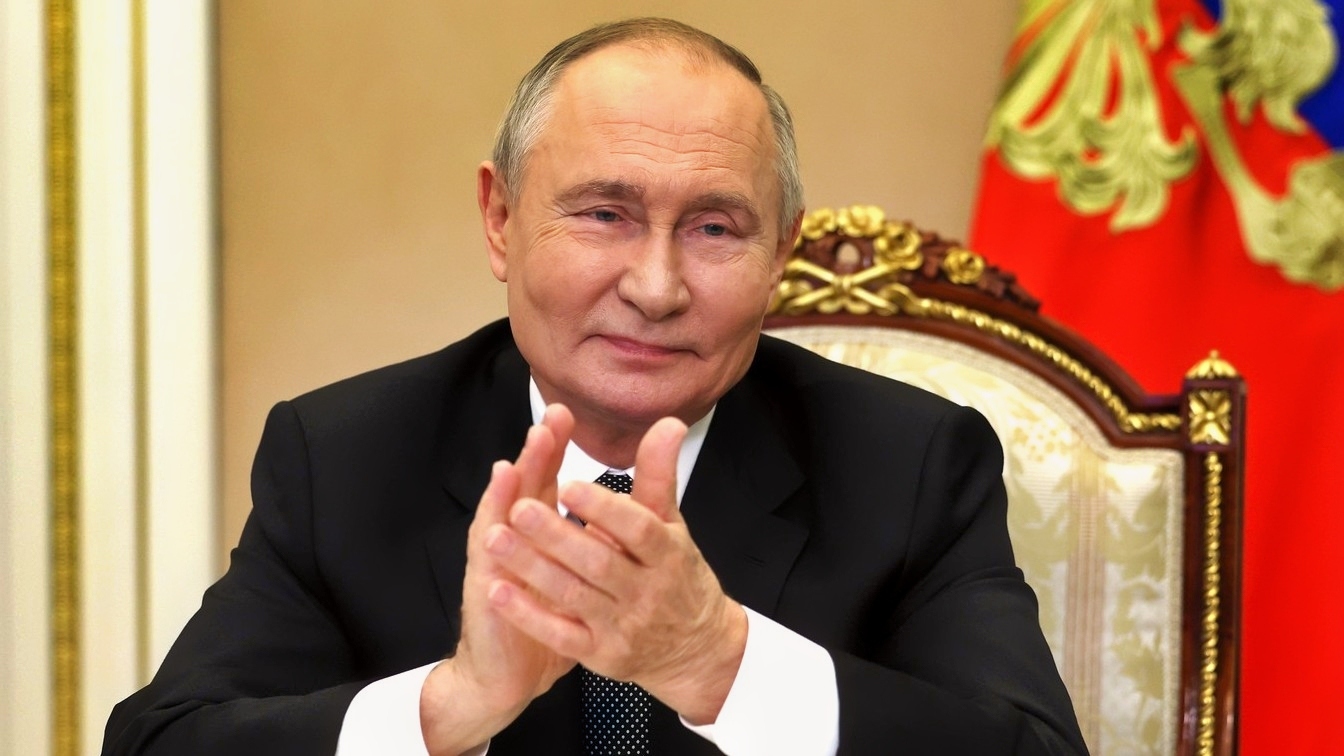
In his first term as president, Donald Trump was frequently accused of being overly close with Russian President Vladimir Putin.
While the most lurid conspiracy theories about Trump being a full-on agent of Moscow, and the stuff in the Steele dossier, proved baseless, Trump has indeed taken a much friendlier posture towards the Russian leader than has been the case with previous U.S. presidents.
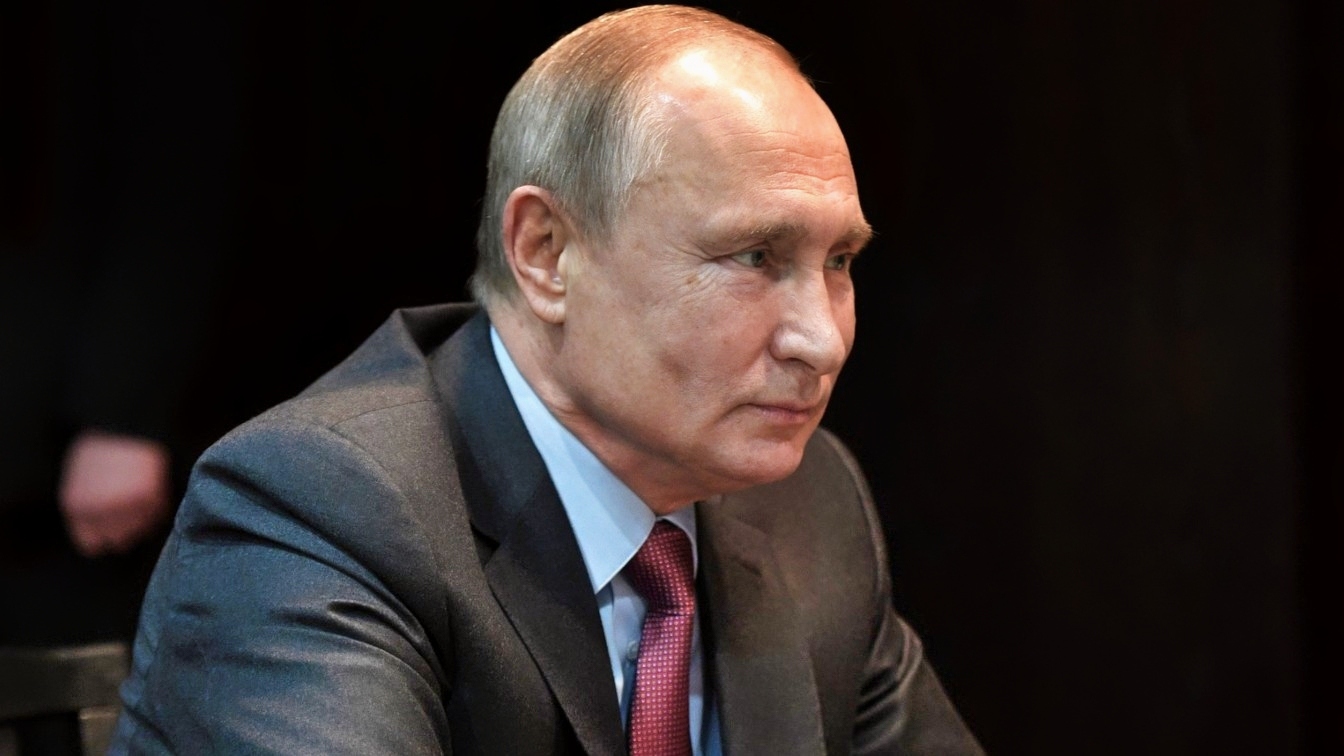
Putin in 2018 Russian Federation Photo
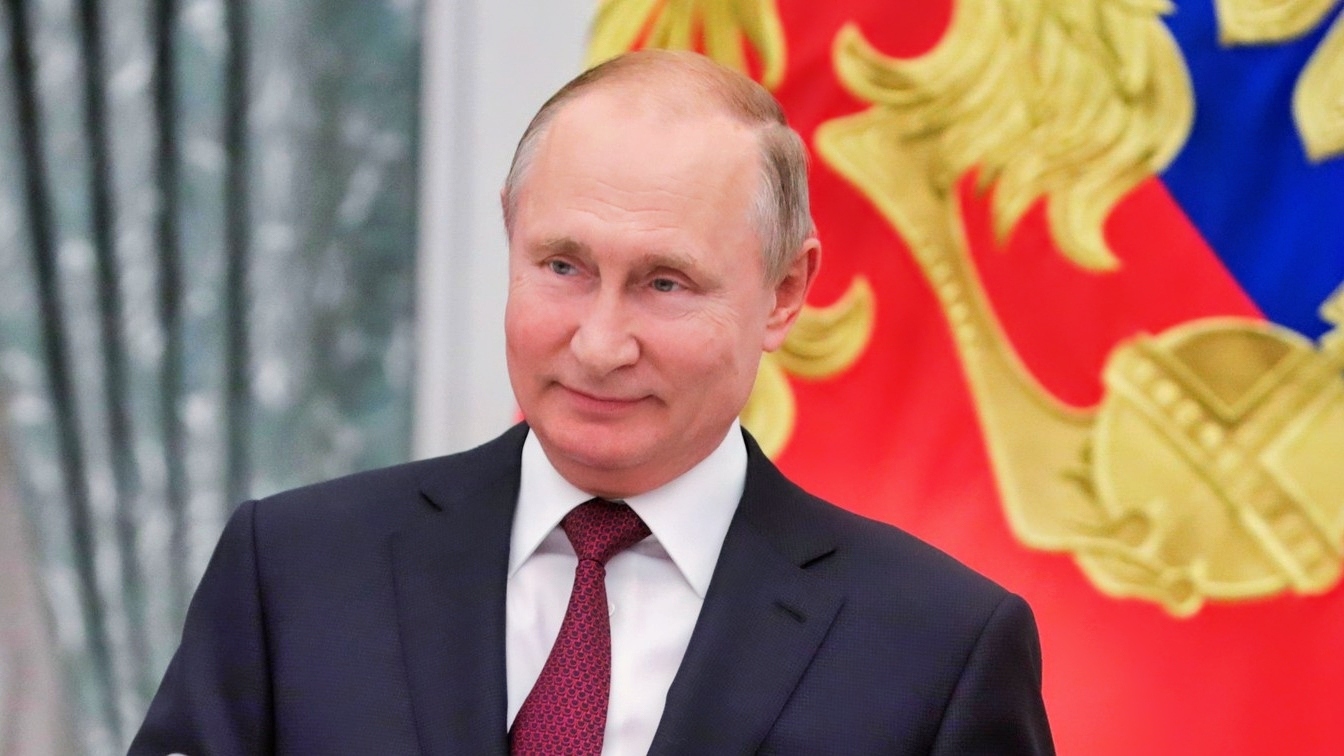
Putin in January 2019 Russian Federation Image
Before he became president, Trump expressed a desire for Putin to become his “best friend,” and pushed to build a Trump Tower in Moscow. Some associated with Trump, in the early days of his first presidency, pushed a “Ukraine peace plan” widely seen as tilted towards Russia.
Russia invaded Ukraine in 2022, while Trump was out of office, starting a war that continues to this day. In his second term, Trump vowed to end the war on his first day back in the White House, but that hasn’t happened.
While Trump has indicated at times that he was tilting towards Ukraine, more recently he agreed to lift sanctions and buy diesel from Russia, indicating a tilt towards Moscow.
That was certainly the case again last week, when Trump met publicly in China with both Putin and Chinese President Xi Jinping. Afterward, Trump posted more than 20 photos of the meeting to Truth Social.
One was a photo of Trump and Putin shaking hands, with the president appearing to whisper something to his Russian counterpart, captioned “my friend.”
“I can’t speak to America,” Trump said in an interview after the meeting in China. “I consider him to be somebody with whom I have a very good relationship. And it’s very good.
According to MS NOW, Democrats are criticizing Trump for his renewed close relationship with the Russian leader.
Democrats Pounce
Democrats have been less likely of late to declare Trump an agent of Russia or Putin.
But they have frequently pointed out that the president seems to have a built-in affinity for dictators and strongmen.
Rep. Gregory Meeks (D-NY), likely the incoming chairman of the House Foreign Affairs Committee, said on MS NOW this weekend that Trump’s renewed cozying up to Putin is part of a pattern of his love of autocrats, and his implicit wish that he could govern that way himself, if given his druthers.
“He doesn’t believe in democracy because every word that comes out of his mouth is anti-democracy,” Meeks said of the president in the TV appearance.
“He loves, as he said, his friend Vladimir Putin, Xi, (North Korean dictator) Kim Jong Un, all of those individuals who do not believe in democracies.”
Meeks also drew what sounded like an analogy to the Yalta summit at the end of World War II, even though the China summit did not result in any agreement or treaty.
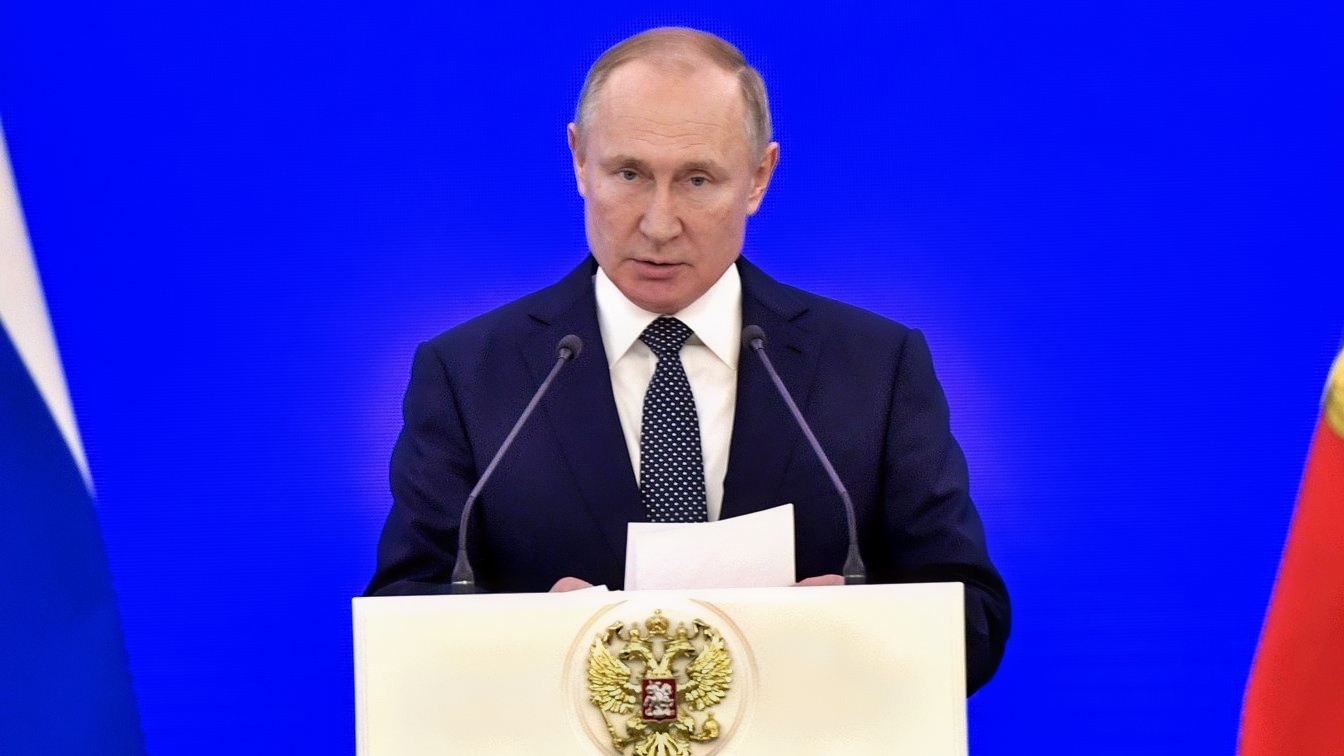
Putin Back in 2019 Russia Federation Photo
“You know he wants to dominate the Western Hemisphere,” Meeks said of what happened in Shenzhen. “He’s saying that Putin could dominate Europe and Xi could dominate Asia. That’s crazy.”
Even a Republican senator, in an appearance on “Meet the Press” over the weekend, had some limited criticism for the president.
Kennedy and Lecter
Sen. John Kennedy (R-LA) pointed out that it wasn’t worth flattering the Chinese and Russian leaders.
“Putin and Xi are predators,” Kennedy said. “They want to eat America’s liver with some fava beans and a nice Chianti. Pretty talk doesn’t help.”
Kennedy was quoting a speech in the movie The Silence of the Lambs, possibly as a nod to Trump’s inexplicable tendency to reference “the late great Hannibal Lecter,” the film’s cannibal serial-killer villain, who said the line about fava beans and Chianti.
Intelligence Chief Agrees
However, Director of National Intelligence Jay Clayton calls it “entirely appropriate” that the president described the Russian leader as a friend.
“In that circle — in that circle of that conversation, using the term ‘friend’ is entirely appropriate,” the DNI chief said in a Sunday appearance on ABC’s “This Week.” In a separate interview on CNN, also this weekend, Clayton called the meeting “historic” and “remarkable.”
“In that context, whatever language the president wants to use, I trust him completely,” Clayton added.
About the Author: Stephen Silver
Stephen Silver is an award-winning journalist, essayist, and film critic, and contributor to the Philadelphia Inquirer, the Jewish Telegraphic Agency, Broad Street Review, and Splice Today. The co-founder of the Philadelphia Film Critics Circle, Stephen lives in suburban Philadelphia with his wife and two sons. For over a decade, Stephen has written thousands of articles on politics, national security, technology, and the economy. Follow him on X (formerly Twitter) at @StephenSilver, and subscribe to his Substack newsletter.


