
Iran War Exposes Major Pentagon Medical Gaps – The war with Iran has exposed a series of major weaknesses for the U.S. military — not just in terms of its missile stockpile and ability to maintain a constant presence throughout the Middle East, but in regard to its ability to provide emergency medical care to wounded American troops.
Military History No One Wants to Make
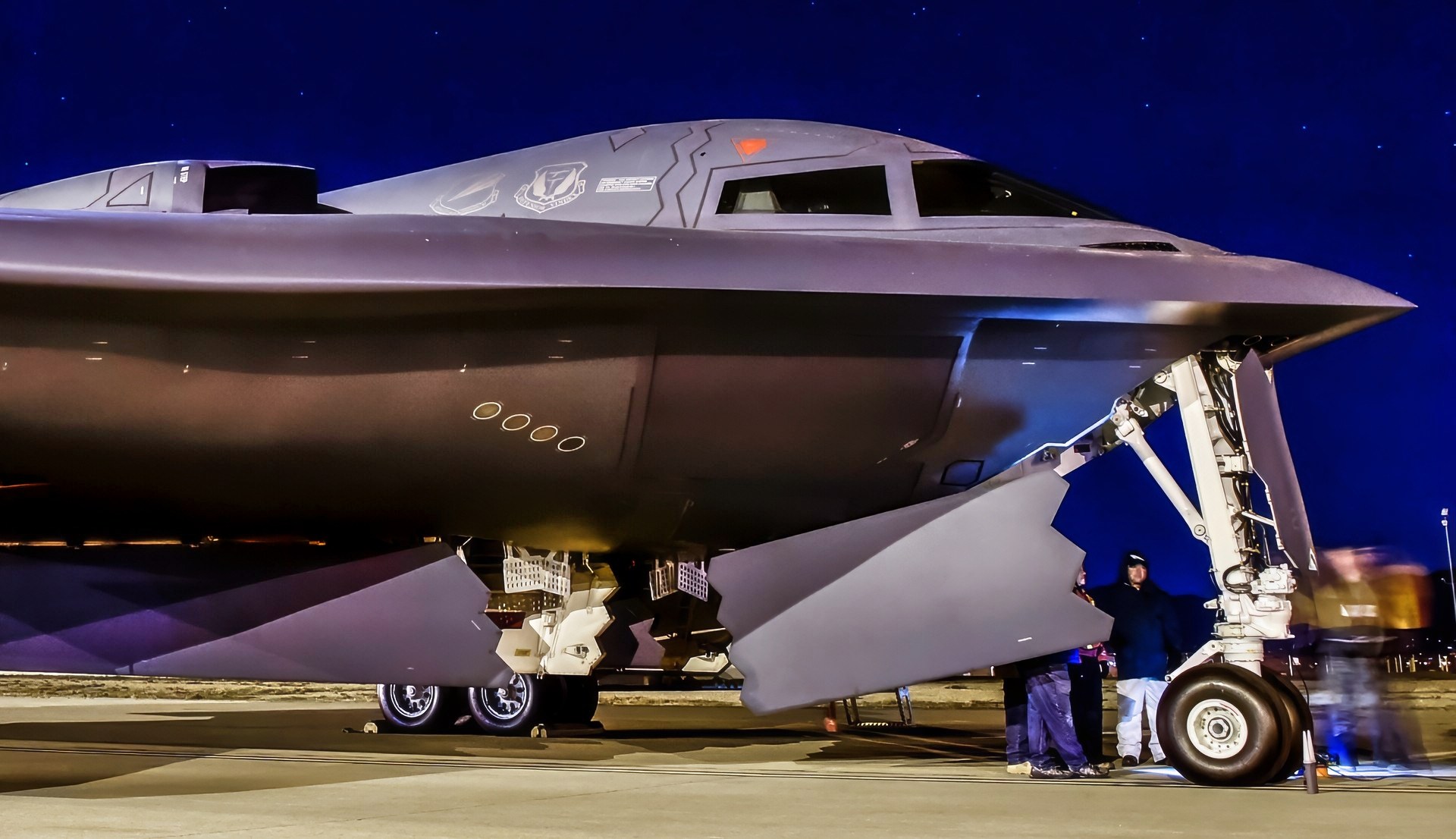
B-2 Spirit Stealth Bomber on Runway. Image Credit: Creative Commons.
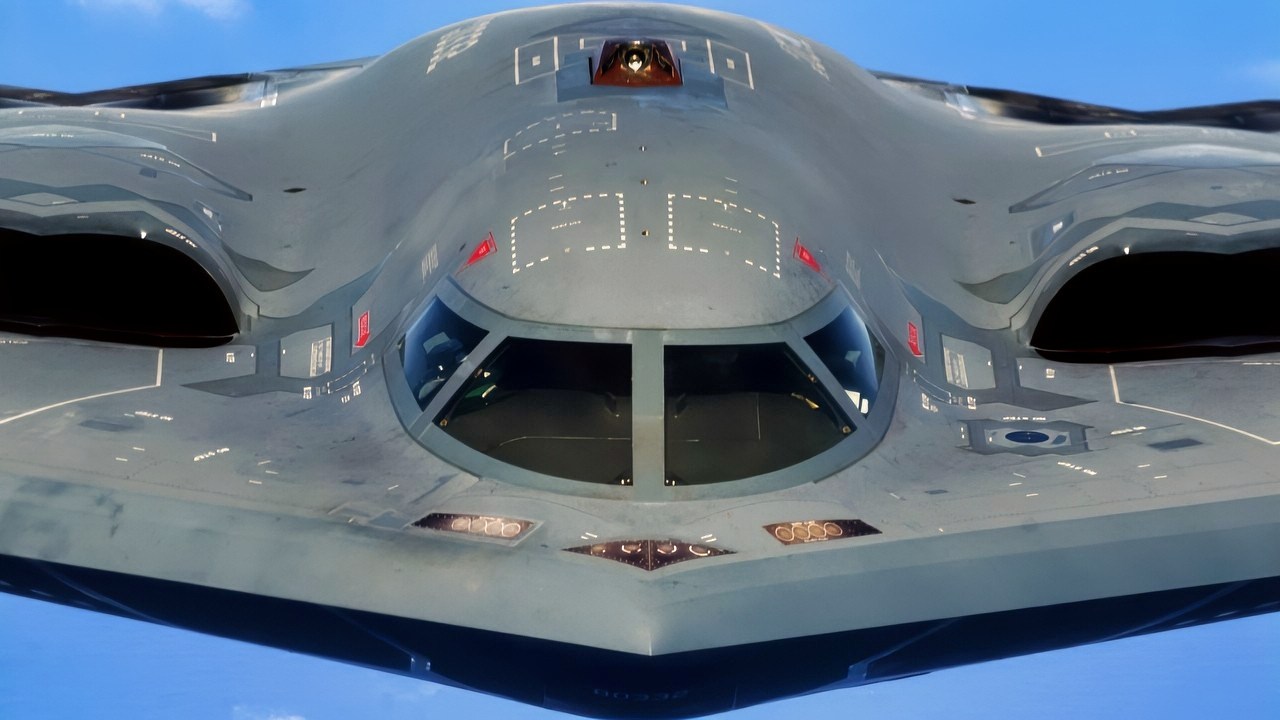
B-2 Spirit Stealth Bomber Flying. Image Credit: Creative Commons.
Today, military medical officials are warning that systems developed during the wars in Iraq and Afghanistan are no longer sufficient to deal with modern and changing battlefield threats, including the proliferation of sophisticated drones and missiles.
A new investigation published by Business Insider on Saturday, October 10, reveals how American troops injured during the conflict have faced difficulties in accessing emergency medical treatment. Military doctors describe shortcomings in virtually every stage of medical support for troops, starting with evacuation procedures. Problems also exist with advanced surgical facilities.
The findings come after other investigations documented the experiences of American soldiers who were wounded during Iranian attacks earlier in the year.
Military Doctors Warn Of Shortfalls
According to the Business Insider investigation, military medical officials have raised concerns about the Pentagon’s ability to provide wounded troops with the same standard of treatment as during previous American military campaigns. The investigation cites testimony from military medical professionals, including U.S. Army Col. Jennifer Gurney, who previously served as director of the Pentagon’s Joint Trauma System.
Speaking during a medical conference in August, Gurney described an incident that involved an American service member whose limb was severely injured during an equipment accident on a ship in March.
The individual was treated at a regional hospital before being transferred to the Landstuhl Regional Medical Center in Germany, but by the time an American doctor examined the patient, the injured limb had significantly deteriorated and the patient was at risk of life-threatening illness.
Other officials in the piece described broader problems, largely because major American-operated hospitals are not near where the fighting takes place.
U.S. Central Command (CENTCOM) has dismissed suggestions that its medical system is failing, and it told Business Insider that it maintains arrangements with regional hospitals and follows patients throughout their treatment. CENTCOM also claimed that 95% of wounded personnel, most of whom suffered concussion-related injuries, return to duty within hours or days.
Wounded Soldiers Describe Experiences
The findings come only days after an Associated Press investigation, published on Monday, October 5, revealed complaints made by nine American soldiers who were wounded during Iranian drone strikes on March 1. The attack targeted U.S. military personnel stationed at Port Shuaiba in Kuwait and killed six service members. Dozens of service members were also injured.
Among those who survived was Army Lt. Col. Arturo Lincón, who suffered extensive shrapnel injuries, including damage caused to an artery supplying blood to his brain.
Even though his injuries were serious, Lincón said that he was not admitted to the American military hospital in Landstuhl once he arrived in Germany. Instead, he was transported to the nearby military barracks and instructed to arrange outpatient treatment.
“I was just kind of on my own, at least it felt like that,” he told the AP.
Another survivor, Maj. Stephen Ramsbottom, described waiting more than four months to receive the results of an MRI examination following treatment for a head injury.
The investigation also revealed that soldiers initially struggled to arrange emergency transportation after the attack, leaving some to search online for nearby hospitals.
The Pentagon, however, maintains that it provided appropriate care for all wounded soldiers. The Army declined to comment on specific allegations.
Pentagon Report Reveals Evacuation Problems
A Pentagon inspector general report published on September 14 also documented difficulties in maintaining medical evacuation capabilities during Operation Epic Fury, the American military campaign launched against Iran on February 28. The report, which covered operations from April 1 through June 30, found that Iranian attacks were enough to force American medical evacuation helicopters to relocate, leaving wounded soldiers at risk.
As a result, military personnel became dependent on ground transportation, ambulances, and hospitals run by regional allies.
The findings pose a problem for the U.S. military and for individual soldiers fighting the war, with the facilities and personnel responsible for treating casualties also vulnerable to Iranian attacks. But the solution isn’t simple, because establishing large military hospitals close to potential targets presents extra security challenges — particularly when Iranian forces have the ability to launch drones and missiles across the region.
A Growing Challenge
The latest revelations have caused debate about the Pentagon’s preparedness for a prolonged conflict with Iran — particularly if American casualties continue to mount.
CENTCOM insists that its medical system is functioning properly, but the experiences being described by wounded soldiers suggest otherwise. With no immediate end to the war in sight, pressure on the region’s military medical services could grow substantially.
About the Author: Jack Buckby
Jack Buckby is a British researcher and analyst specializing in defense and national security, based in New York. His work focuses on military capability, procurement, and strategic competition, and he produces and edits analysis for policy and defense audiences. He brings extensive editorial experience, with a career output spanning over 1,000 articles at National Security Journal, and has previously authored books and papers on extremism and deradicalization.


