
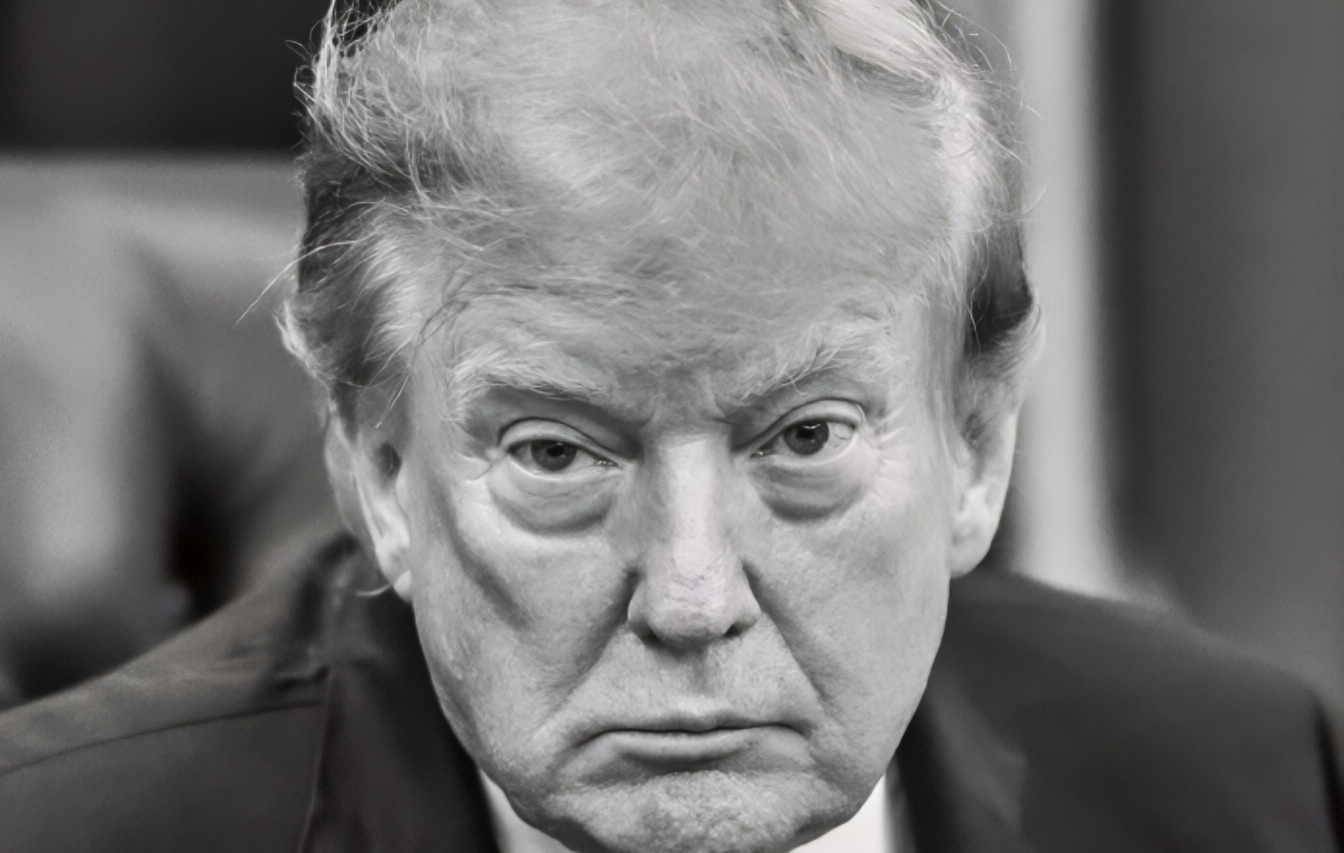
President Donald Trump has said that Iran has significantly intensified its missile and drone attacks against U.S. forces and its allies in the Middle East.
Trump also warned that Tehran has become more aggressive since Democrats won control of Congress in the November 3 midterm elections, claiming that Iranian forces have launched more missiles and drones over the last week than at any point in more than a year.
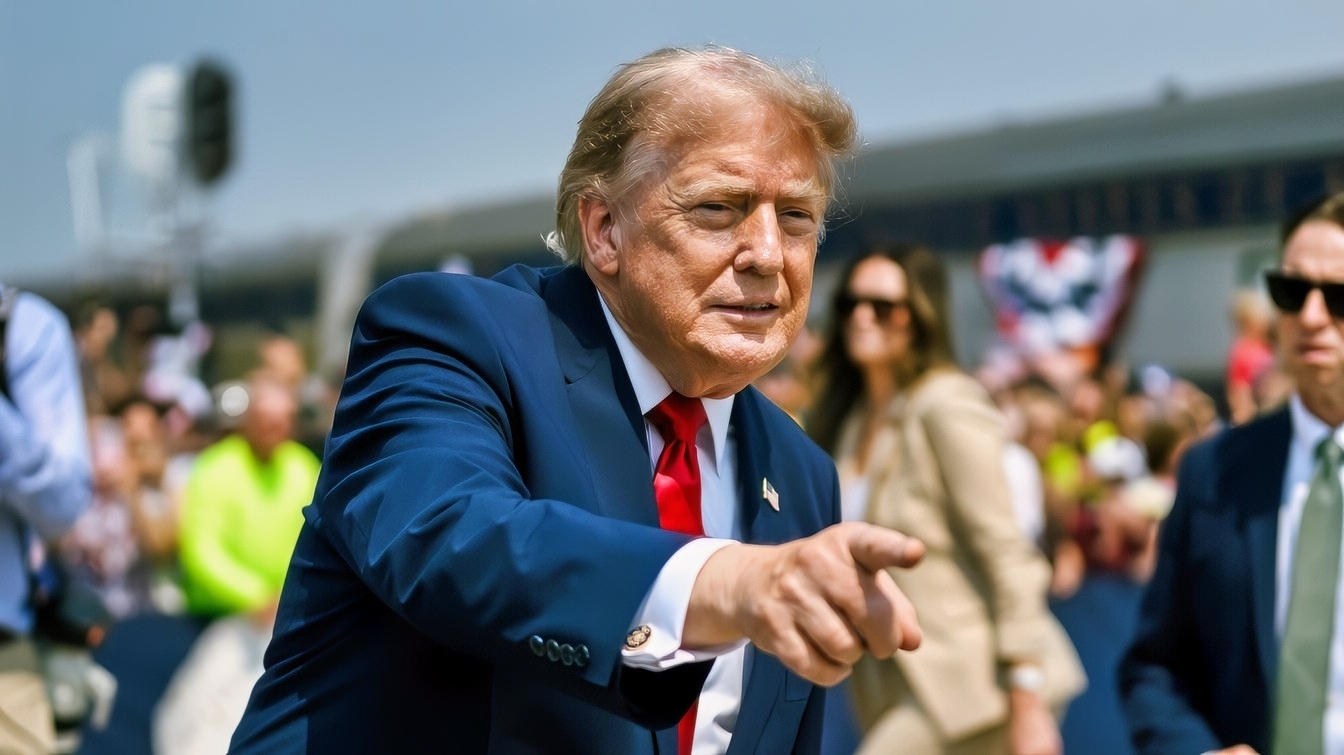
President Donald J. Trump greets the crowd in Medora, North Dakota, after arriving on the Freedom 250 Train en route to the grand opening of the Theodore Roosevelt Presidential Library, Wednesday, July 1, 2026. (Official White House Photo by Daniel Torok)
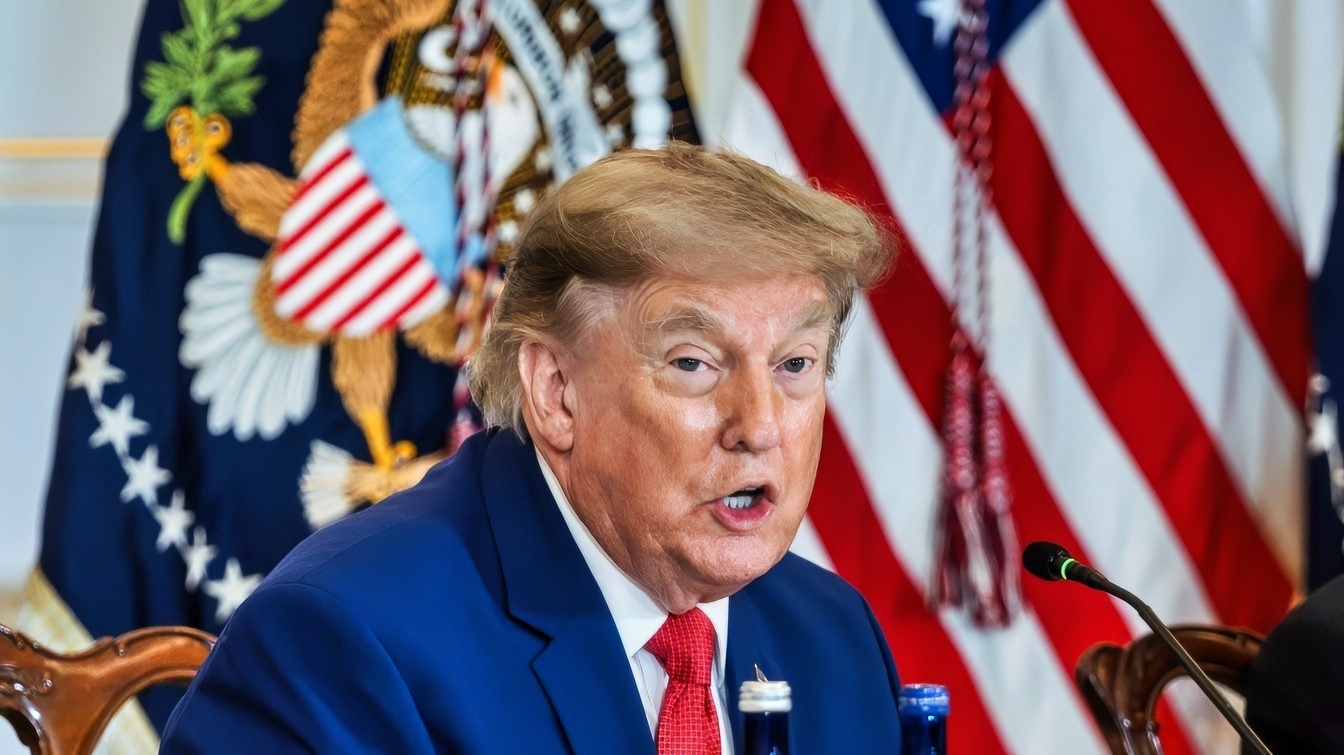
President Donald J. Trump, flanked by Secretary of State Marco Rubio and Secretary of Interior Doug Burgum, attends a roundtable for the American mining industry, Friday, August 7, 2026, at the U.S. Department of State in Washington, D.C. (Official White House Photo by Joyce N. Boghosian)
He did, however, insist that U.S. defenses have successfully intercepted the attempted strikes.
The comments come as Iran continues to target military installations and infrastructure sites across the Persian Gulf, with new attacks recently reported in Bahrain and attacks on commercial shipping through the Strait of Hormuz ongoing.
On Monday, November 23, Reuters reported that Tehran was threatening to use any means necessary to challenge the U.S. naval blockade against Iranian ports, with reports claiming that the regime was considering sending a convoy of oil tankers through the Strait of Hormuz.
Trump Says Iranian Attacks Have Increased
Writing to Truth Social on Sunday, November 22, President Trump argued that the Democrats’ sweeping victories on November 3 had encouraged Iran to escalate its military strikes.
“As everyone remembers, I predicted two things concerning the November 3rd Midterm Elections. One, that if the Democrats win, the Stock Markets would go down substantially, which they have, and two, that the Islamic Republic of Iran, which has killed 81,000 protesters as of today, will grow more aggressive in their attacks, which has also occurred,” Trump wrote.
He went on to claim that Iran has launched more drones and missiles in the last week than at any time for over a year.
“Don’t worry, they’ve all been knocked down, and done no damage,” he continued.
Trump then argued that Iranian leaders see the Democrats as “weak, ineffective, and country-destroying.”
Iran Strikes Bahrain
Despite months of U.S. and Israeli strikes against Iranian military infrastructure, Iran appears to retain much of its missile capabilities, with reports on November 22 describing how Bahrain’s military intercepted several Iranian projectiles over the weekend.
Falling debris caused property damage, and a separate Iranian attack also reportedly caused a fire at a civilian industrial facility.
On November 23, Bahraini authorities confirmed that two people were injured during Saturday’s attack.
Iran’s Islamic Revolutionary Guard Corps claimed that its operations targeted American Patriot air defense systems at military installations in Bahrain.
Those attacks quickly prompted condemnation from Saudi Arabia, Qatar, and Kuwait, whose governments all warned that Tehran’s continued military operations posed a threat to regional security.
Saudi forces also intercepted attacks launched by Iran-backed Houthis in Yemen over the weekend, including one ballistic missile that was directed at western Saudi Arabia.
Will Iran Threaten the Naval Blockade?
As Iran becomes increasingly aggressive, the regime is also reportedly exploring ways to break the U.S. naval blockade to move oil shipments out to the international market.
Speaking at a weekly press conference on Monday, November 23, Iranian Foreign Ministry spokesman Esmaeil Baghaei warned that Tehran would use all resources at its disposal to challenge the blockade, which has prevented the country from exporting oil since July.
“We will definitely not tolerate it, and we will use all our tools to confront this U.S. aggression,” he said.
The comments come after reports revealed that more than 14 Iranian oil tankers had assembled at Kharg Island, Iran’s main export terminal.
Analysts and reports suggest the ships are being prepared as part of a convoy plan, with Iranian officials said to be considering sending them through the Strait of Hormuz to test the U.S. blockade.
Baghaei dismissed reports about the convoy as speculation, however, and said that Tehran has not yet confirmed any plans to proceed.
Maritime monitoring organization United Against Nuclear Iran also documented a transfer of around 200,000 barrels of Iranian crude oil between the tankers OLYM and HAO FAN near Kharg Island on November 17, suggesting that Iran is, at the very least, preparing to move oil one way or the other.
Trump Threatens to Sink Ships
On Wednesday, November 18, U.S. Central Command (CENTCOM) built on the existing blockade enforcement rules.
The blockade now prevents vessels from receiving Iranian cargo through ship-to-ship transfers, even if the vessels never actually enter Iranian waters.
Any ship suspected of circumventing the blockade now faces the possibility of being boarded and diverted.
Speaking by telephone to Fox News correspondent Trey Yingst on Sunday, the president was asked about the regime’s reported plans to test the blockade.
“I hope they do; they’ll all be at the bottom of the sea like the rest of the navy,” Trump said. He also suggested that major strikes against Iran could resume in the new year.
About the Author: Jack Buckby
Jack Buckby is a British researcher and analyst specializing in defense and national security, based in New York. His work focuses on military capability, procurement, and strategic competition, and he produces and edits analysis for policy and defense audiences. He brings extensive editorial experience, with a career output spanning over 1,000 articles at National Security Journal, and has previously authored books and papers on extremism and deradicalization.


