
The Clock Is Against Trump and His Two Economic Wars – U.S. President Donald Trump is fighting economic wars on two fronts. On the one front, he is attempting to force concessions from one of America’s closest allies. On the other hand, he is trying to economically isolate one of the country’s most ideologically determined adversaries.
In both cases, the methods differ — but they are similar in the sense that, in true Trump style, he is attempting to force concessions by brute force. Canada is facing extreme tariffs intended to extract trade concessions and reshape the deeply integrated North American economy.
Iran, meanwhile, is looking down the barrel of a gun, with sweeping secondary sanctions being threatened against any country or financial institution that continues to do business with Tehran, potentially blocking Tehran’s remaining access to international markets.
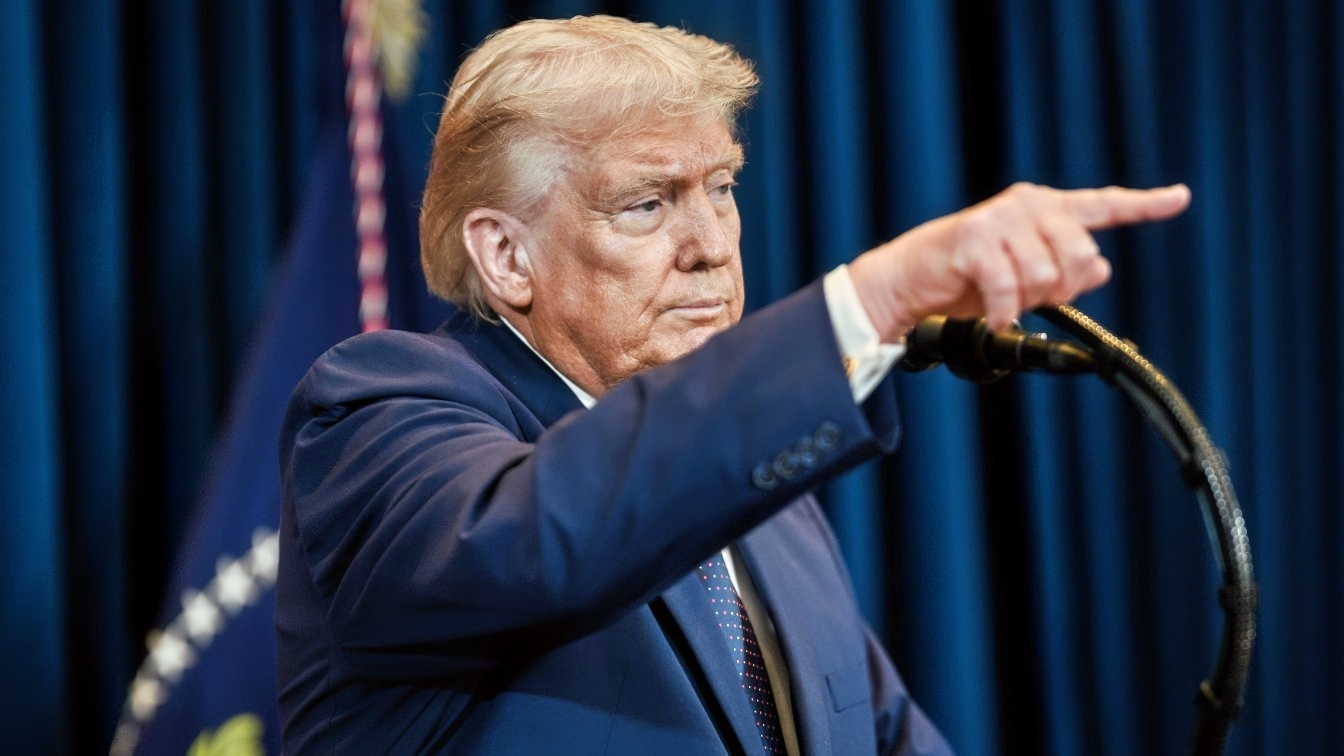
President Donald J. Trump visits the El Arepazo Doral restaurant, Monday, March 9, 2026, in Miami, Florida. (Official White House Photo by Daniel Torok)
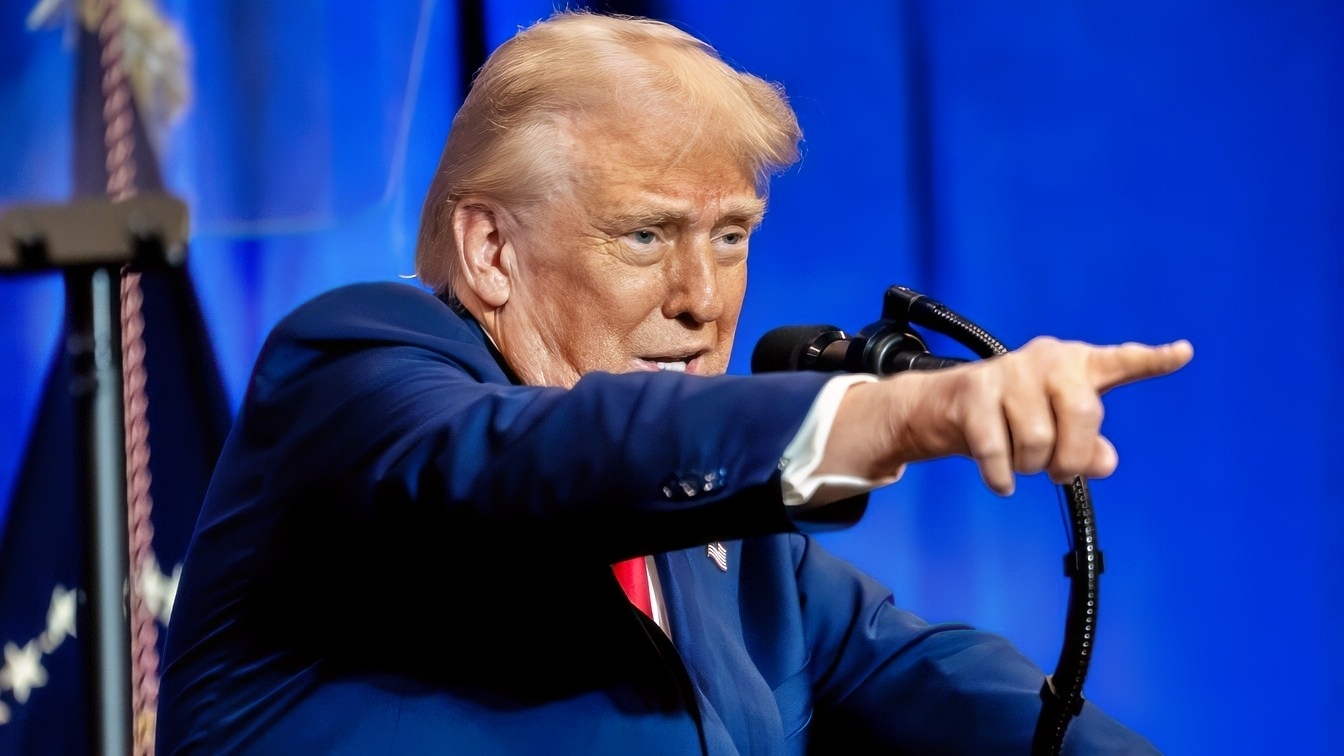
President Donald Trump delivers remarks at the Department of Justice in Washington, D.C., Friday, March 14, 2025. (Official White House Photo by Joyce N. Boghosian)
But both campaigns are facing the same problem: time. President Trump is nearing the second half of his second term, and two milestones are coming up that both Canada and Iran can use against him. In November, American voters will go to the polls and decide who they want to control Congress. And two years later, they’ll decide who could potentially be president for the next eight years.
Why Trump Is Fighting Two Economic Wars
Trump’s conflict with Canada is economic. The U.S. president is looking to rewrite the terms of North American trade, with his administration complaining about Canadian dairy restrictions and barriers to U.S. alcohol and automotive trade. Trump is also pushing to bring back as much manufacturing to the United States as he can.
In July, the White House accused Canada of discriminating against American businesses and invoked Section 338 of the Tariff Act of 1930 to impose new duties.
Iran, however, is a national security issue — not an economic one. When U.S. and Israeli strikes took out the country’s leaders and military infrastructure in February, it was an effort to bring the country’s nuclear program to an end and to encourage the Iranian people to overthrow their government.
But six months later, the regime is more hardline; its nuclear program could still be rebuilt in the long term, and Iran continues to hold the global economy hostage by using the Strait of Hormuz as leverage. Trump is also facing record-low approval ratings, with only 31% of the American public approving of the conflict.
Those problems have encouraged the president to use financial pressure over military escalation, with new sanctions outlined under Operation Economic Outcast intended to isolate Tehran.
The Economic War With Canada Escalates
Negotiations with Ottawa collapsed on August 21, 2026, prompting Washington to announce 50% tariffs on around $20 billion of Canadian goods. And, Trump has also threatened 50% tariffs on Canadian vehicles and parts beginning on January 1.
Despite being a smaller economic force, Canada bet that it could retaliate — and it did. Prime Minister Mark Carney announced tariffs ranging from 15% to 50% on approximately $20 billion worth of American goods.
But Canada is vulnerable, with roughly 70% of its exports going to the United States. A prolonged trade war is not feasible for Canada and will threaten jobs and economic growth. But for now, Carney has some political wiggle room, with 76% of Canadians supporting his handling of President Trump. The other reason Carney is fighting back?
Time is on his side. Just as it is for Iran.
Trump Tried to Suffocate Iran
Meanwhile, Trump is trying to suffocate Iran economically with Operation Economic Outcast – a new measure launched on August 24 that saw sanctions imposed on more than 60 Iran-linked entities. The White House is also threatening secondary sanctions against foreign companies and major banks that continue to trade with Tehran — even as U.S. Treasury Secretary Scott Bessent admits that the measures, if enacted, could “blow up” the global financial system.
Iran is already struggling, too. Food inflation reached 128% year-on-year in July, and Chinese imports of Iranian oil, while still moving, fell to around 534,000 barrels per day in August. China, however, is still Tehran’s primary economic lifeline. If China does not concede and cease doing business with Tehran, the regime retains a major source of revenue and trade. Fully isolating Iran would mean following through on Bessent’s threat to the global financial system, and there’s no telling yet whether the Trump administration is actually willing to do.
Time Is Working Against Him
Trump possesses huge economic leverage, but time is working against him. The November 3 midterms give both Tehran and Ottawa an obvious incentive to keep pushing back, at least for the time being. Trump’s approval rating is low, and Republicans are defending narrow congressional majorities. Canada can hurt the Republicans in the meantime — enough to leave the president governing without legislative power for the final two years of his time in the White House.
Iran can make the same calculation. If Democrats take control of either chamber, Trump would face greater congressional scrutiny and resistance, and could be forced to make concessions on the war.
But then there’s the other deadline: Trump must leave office in January 2029. Canada and Iran know that whatever economic damage they endure today may end when a new U.S. administration arrives post-Trump. The next president could well be a Democrat, and that’s good news for both Tehran and Ottawa.
About the Author: Jack Buckby
Jack Buckby is a British researcher and analyst specializing in defense and national security, based in New York. His work focuses on military capability, procurement, and strategic competition, producing and editing analysis for policy and defense audiences. He brings extensive editorial experience, with a career output spanning over 1,000 articles at 19FortyFive and National Security Journal, and has previously authored books and papers on extremism and deradicalization.


