

Iran is fortifying nuclear sites and preparing for the possibility of a renewed offensive by the United States and Israel, according to satellite imagery and Western assessments.
The country is “fortifying its defenses, rallying loyalists and threatening a wider, harsher response against the U.S. and its Gulf allies as it prepares for potential American attacks after the midterms and seeks to deter them,” according to a Wall Street Journal article published Monday, 12th October.

Israel F-16I Fighters IDF. Image Credit: IDF.
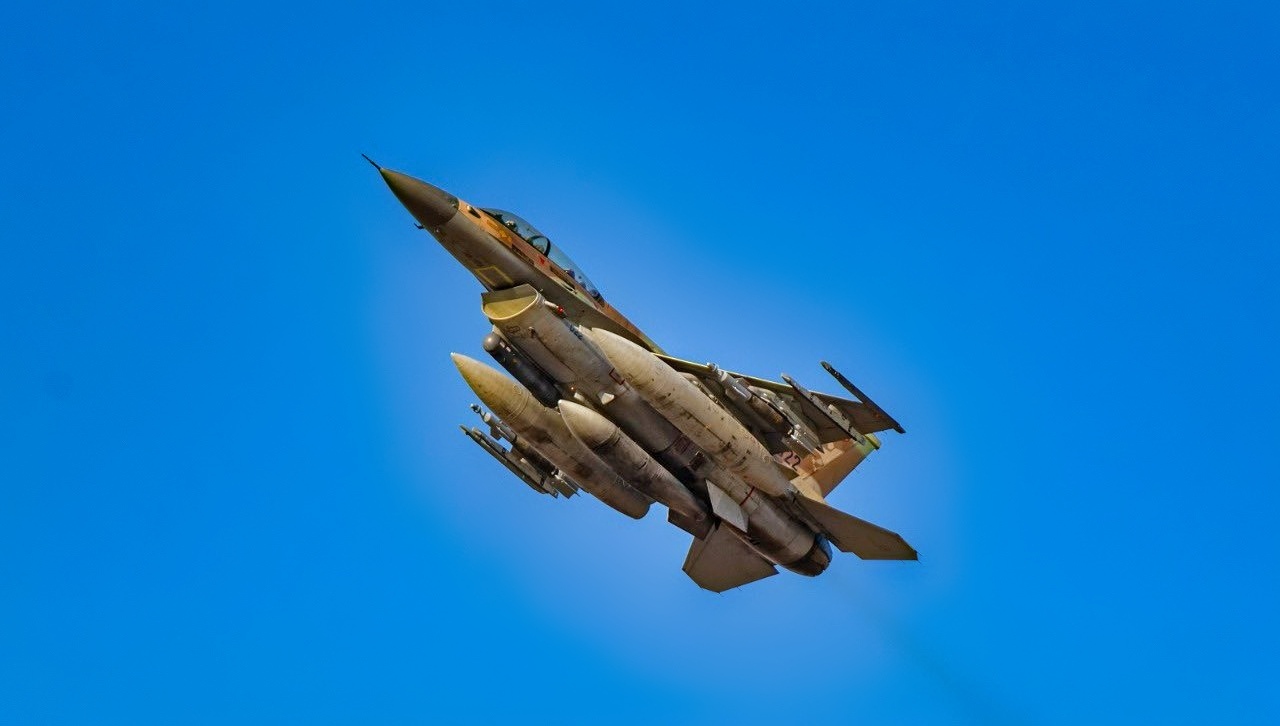
F-16I from Israeli Air Force. Image Credit: Creative Commons.

F-16I Sufa Fighter. Image Credit: Creative Commons.
U.S. President Donald Trump has repeatedly raised the prospect of a renewed offensive against Iran after next month’s midterm elections, having ruled out any further strikes until the vote on Tuesday, 3rd November.
Sites Strengthened
The clearest evidence of Iran’s preparations for a forthcoming U.S.-Israeli offensive can be seen around its nuclear infrastructure, with satellite imagery from the Institute for Science and International Security showing new earthworks and other passive defenses around Natanz and Pickaxe Mountain.
These measures appear to be defensive preparations against a future ground operation against the sites, rather than to prevent substantial damage from an airstrike.
Iran, according to the Wall Street Journal, has also strengthened protection around other security-related bunkers, suggesting Tehran expects such facilities to be once again targeted should strikes resume.
Missile bunkers were among those targeted by the U.S. and Israel at the beginning of the conflict, with Iran forced to repair and reinforce sites that had been damaged in the war’s opening weeks.
Production Restored
Iran is also trying to rebuild its missile and drone arsenal, with production well below pre-war levels after months of sustained attacks.
Both missiles and drones are key assets for Iran, which regularly uses both projectiles to target commercial shipping in the Strait of Hormuz and U.S. military bases across the Middle East.
Tehran’s use of these weapons was the key cause of much of the damage sustained by U.S. weaponry throughout the conflict’s first seven months.
A recent Congressional Research Service report found that the U.S. lost or damaged 81 aircraft, helicopters, and drones from February to September, costing as much as $3.3 billion.
Domestic and International Preparations
According to the Journal, Iranian authorities have sent paramilitary forces into schools to read war stories to children as part of a domestic campaign to ready the country for a renewed wave of fighting.
Advertisements have also been seen offering training in firing anti-aircraft missiles, while pro-government rallies have also stepped up.
Tehran is also threatening a wider response should the U.S. and Israel resume a major bombing campaign, threatening nations across the Middle East.
Iranian officials have reportedly warned their Gulf counterparts that the country could strike regional targets, including Saudi oil facilities, if fighting returns to the intensity seen at the start of the conflict.
Reports also say Iran has threatened land incursions into neighboring countries, though it has not revealed which countries or circumstances would provoke such action.
It’s a particularly significant warning for Saudi Arabia, with the Kingdom facing threats from the Iranian-backed Houthi rebels in Yemen.
Riyadh’s largest airport was attacked by the militia group over the weekend, killing 13 people.
Iranian-backed proxies across the Middle East have also targeted the country’s oil facilities.

F-16 from Israel. Image Credit: Creative Commons.
Better Prepared
Iran’s preparations and strengthened defensive sites do not suggest a renewed major bombing campaign is inevitable.
Unlike Moscow and Kyiv, Washington and Tehran have discussed a potential agreement to end hostilities in recent weeks, even if progress is slow with neither side willing to budge from its original position.
Instead, Iran has learned the lessons that wiped out much of its infrastructure earlier this year.
While relations with the U.S. and Israel were far from amicable, Operation Epic Fury surprised Iran as much as it did the world.
This time, Iran is better prepared. It is aware of what to expect, and what facilities will likely be targeted should airstrikes resume.
The circumstances across the Middle East are also different.
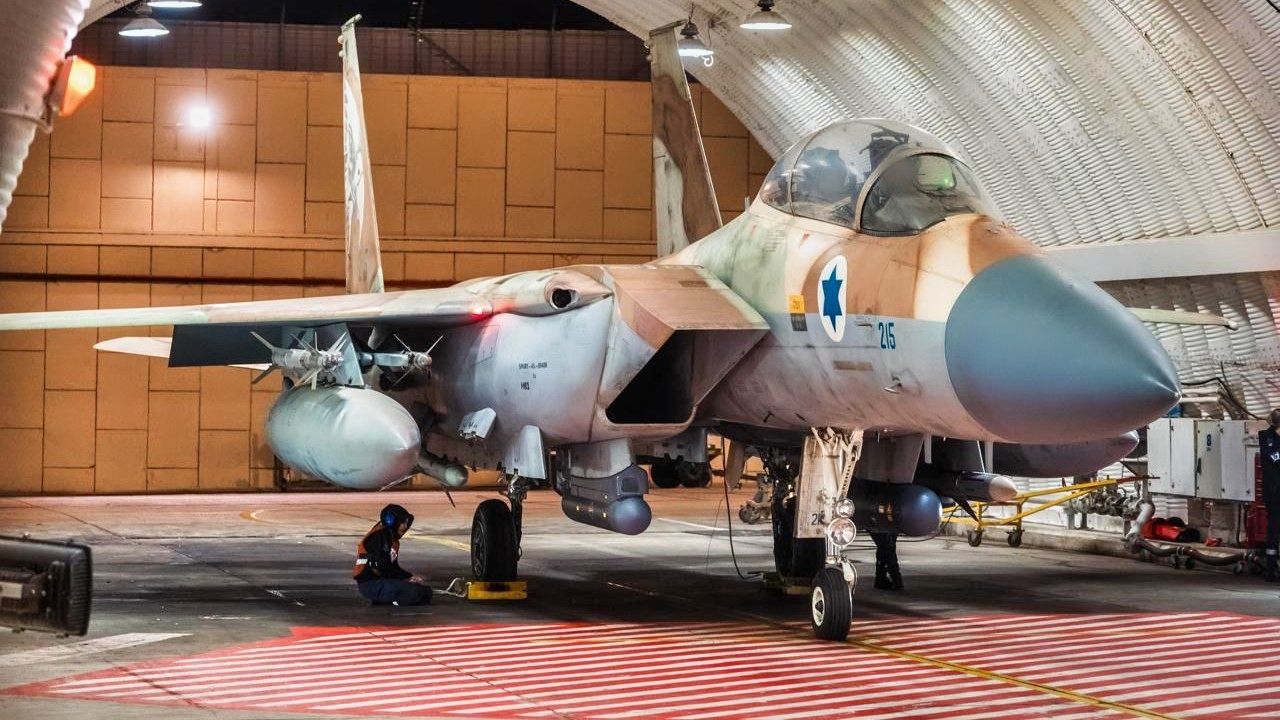
F-15I Fighter Israeli Air Force. Image Credit: Creative Commons.
Gulf allies are aware that Iran will not hesitate to target U.S. bases within their borders, and the economic shock of the Strait of Hormuz’s closure will not be as dramatic this time around.
The regional situation is different, too, with Saudi Arabia contemplating the prospect of a war on two fronts with the Houthis advancing in Yemen.
About the Author: Shay Bottomley
Shay Bottomley is a British journalist. He has written for the Western Standard, Business Insider, Maidenhead Advertiser, Slough Express, Windsor Express, Berkshire Live and many other outlets.