

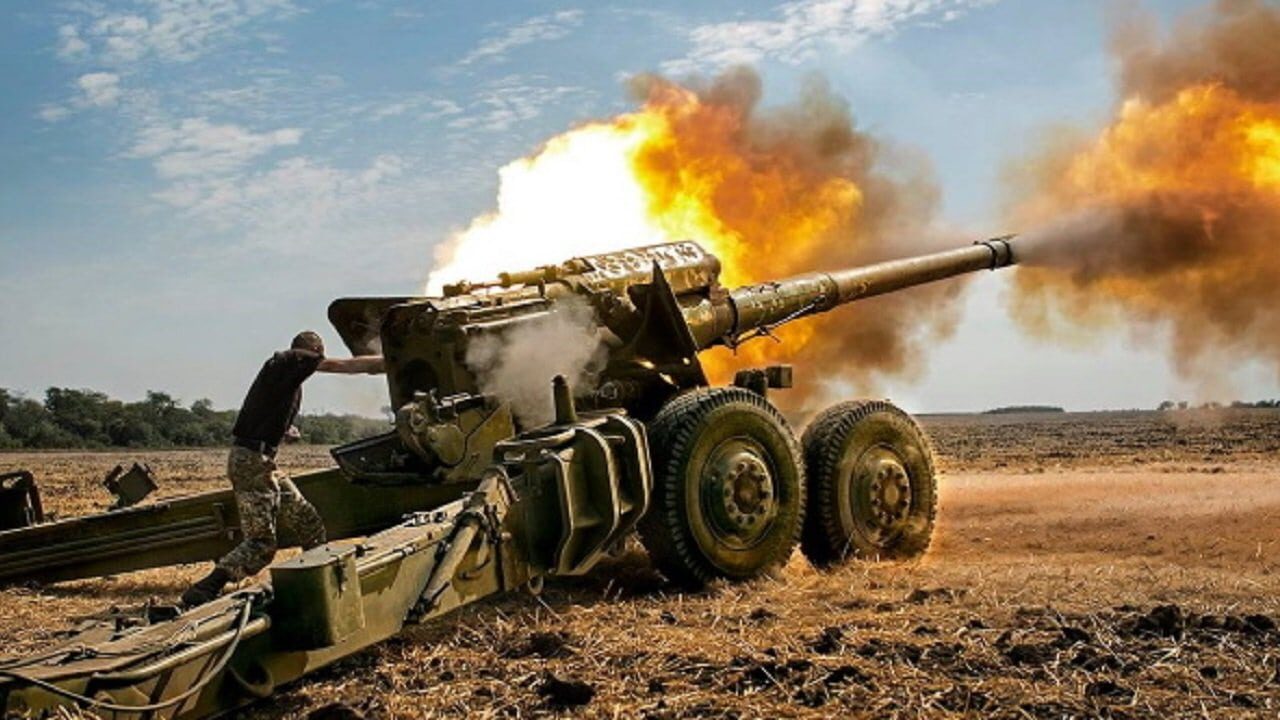
Ukraine Takes the Data Center War to Sberbank – Russia wanted a digital war against Ukraine’s data centers. Now it’s paying the price for that at home.
Overnight on October 14, Ukrainian drones targeted and hit Sberbank’s mega data center in Balakovo, in Russia’s Saratov region. Sberbank First Deputy Chairman Alexander Vedyakhin confirmed the attack to TASS a few hours later.
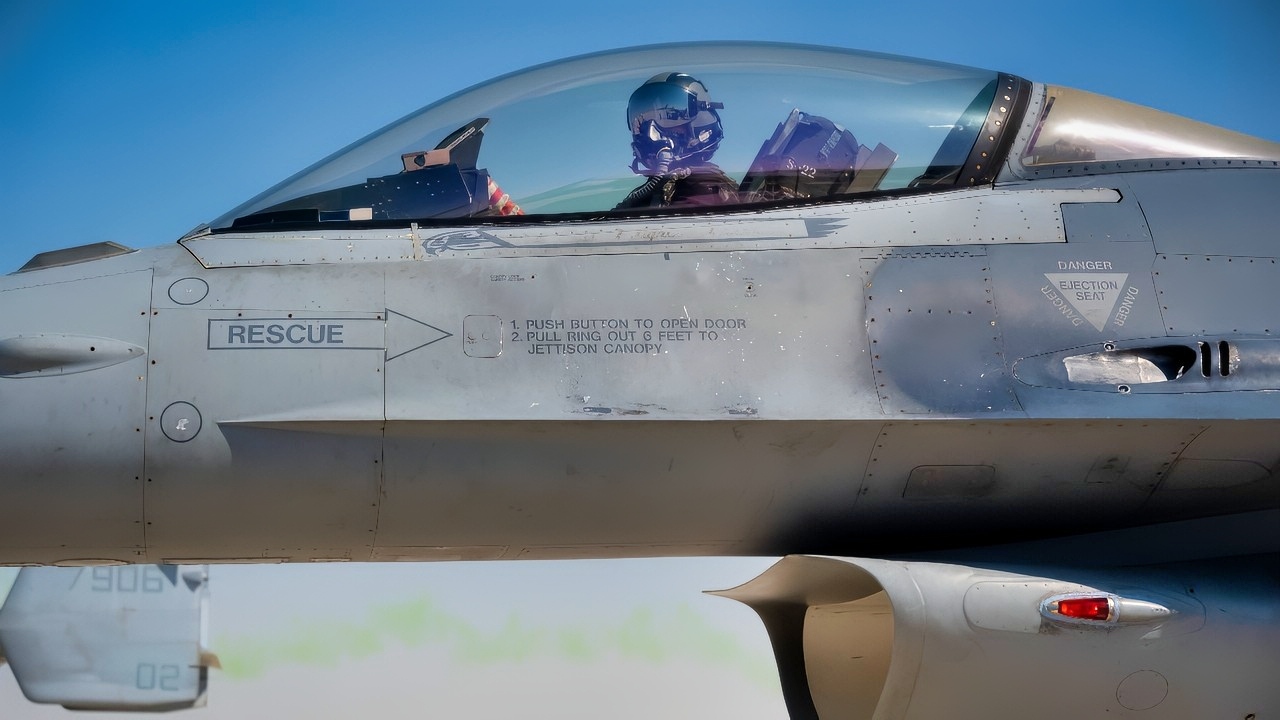
U.S. Air Force Maj. Josiah “Sirius” Gaffney, Pacific Air Forces Demonstration Team commander, prepares to fly a practice sortie before the Dubai Airshow in Dubai, United Arab Emirates, Nov. 11, 2021. In addition to the PACAF F-16 Demonstration Team routine, the air show will highlight a variety of U.S. Air Force, Navy and Marine Corps aircraft showcasing the range of U.S. military airpower capabilities. (U.S. Air Force photo by Staff Sgt. Matthew Kakaris)

Bohdan, a drone pilot from the Unmanned Systems Battalion of Ukraine’s 110th Separate Mechanized Brigade, pilots an FPV drone in Donetsk Oblast during active battle operations. Photo: David Kirichenko
The attack also targeted a Russian transport terminal located in the city’s industrial zone.
Fire Point, the Ukrainian company that builds the FP-1 long-range strike drone, skipped the diplomatic language. Its social media post simply asked, “You didn’t think it would stop with just Yandex, did you?”
Nobody did.
Balakovo Isn’t Just Another Bank Branch
Sberbank is Russia’s largest bank by assets and customers, and Balakovo is the crown jewel of its digital marketplace. The bank announced the project in 2020, broke ground in 2021, and Russian authorities billed it as Europe’s largest data center. This is the first time Ukraine has pursued a Sberbank data center, but it probably won’t be the last.
The numbers are big. According to Militarnyi, the project is valued at 122.2 billion rubles, or more than $1 billion. It’s designed for about 3,000 server racks, up to 120,000 servers, and 82 megawatts of capacity.
It was also slated to host services for GosTech, the Kremlin’s state digital platform. Russian state media reported in 2024 that the site would house the country’s biggest supercomputer, scheduled to go live in 2027.
The facility is still under construction and is being built in stages, so some sections may already be operational. Satellite fire-detection data from NASA’s FIRMS system showed active fires in Balakovo’s industrial zone after the strikes, and the drones reportedly hit a nearby logistics terminal as well.
The Kremlin Said Everything Is Fine
Of course it did. Vedyakhin insisted that “All Sberbank systems and services are operating normally.” Saratov Governor Roman Busargin said the region’s infrastructure was working normally too, while reporting that one woman was killed and several homes were damaged in Balakovo.
However, the truth came out shortly thereafter. Russian users told a completely different story. Outage-monitoring services logged disruptions to Sberbank’s apps, its GigaChat AI platform, and the Samokat grocery delivery service shortly after the attack.
However, nothing has independently tied those outages directly to the drone strikes. The timing of the outages and the strikes isn’t helping Moscow’s case, though.
Even if the physical damage is limited, the message isn’t. A $1 billion project that hasn’t fully opened is now a target, and every Russian company with a server farm just got the memo. The Ukrainian drone attacks have severely impacted Russia’s gas and oil industries (much to the chagrin of the White House), its online shopping warehouses (Wildberries), and are now targeting its data centers.
Russia Started This Data Center Tit-for-Tat
Say what you will about attacking banks and data centers. Russia set this target first.
Since late September, Russian missiles and drones have damaged or destroyed data centers belonging to at least eight Ukrainian companies, and Moscow’s Defense Ministry called the campaign “a forced digital detox.”
Even on the same night Ukraine hit Balakovo, Russia’s Defense Ministry claimed it struck another Ukrainian data center along with seven energy facilities.
Ukrainian President Zelenskyy warned that Kyiv would answer in kind. It did. On October 8, Ukrainian drones knocked out Yandex’s hub in Sasovo, where two of the three supercomputers used to build its AI models were housed. The next day they hit Yandex’s facility in Kaluga. Then the data center at Vladimir. By this week, they had disabled half of Yandex’s data centers.
Yandex shares dropped more than 4 percent on the Moscow exchange after the second strike. The company, which calls its data centers its “iron heart,” even removed its facilities from its own map. That’s not a company that feels safe.
Are Data Centers Legitimate Military Targets?
Is a data center a legitimate military target? It’s a fair question.
However, in this war, the line between civilian and military is razor-thin. Sberbank moves the money that funds Russia’s economy and its war machine. GosTech runs state services. Yandex’s cloud and AI infrastructure supports businesses and government alike.
Russia didn’t hesitate to hit Ukraine’s equivalents and therefore has no right to claim aggrieved status.
From a targeting standpoint, data centers check every box. They’re big, fixed, power-hungry, and nearly impossible to hide. Blurring them on a map doesn’t change the coordinates. They also take months to rebuild, and that’s where Russia’s real problem lies.
Sberbank has been cut off from SWIFT and sits under heavy Western sanctions. High-end servers and GPUs no longer arrive by the pallet. Every rack that burns has to be smuggled back in at a premium.
This is where the lasting damage is. Not the fire, though it can be devastating. But the supply chain, or in this case the lack of one.
Moscow called its campaign a digital detox. Turns out the treatment works both ways.
About the Author: Steve Balestrieri
Steve Balestrieri is a National Security Columnist. He served as a US Army Special Forces NCO and Warrant Officer. In addition to writing on defense, he covers the NFL for PatsFans.com and is a member of the Pro Football Writers of America (PFWA). His work was regularly featured in many military publications.


