
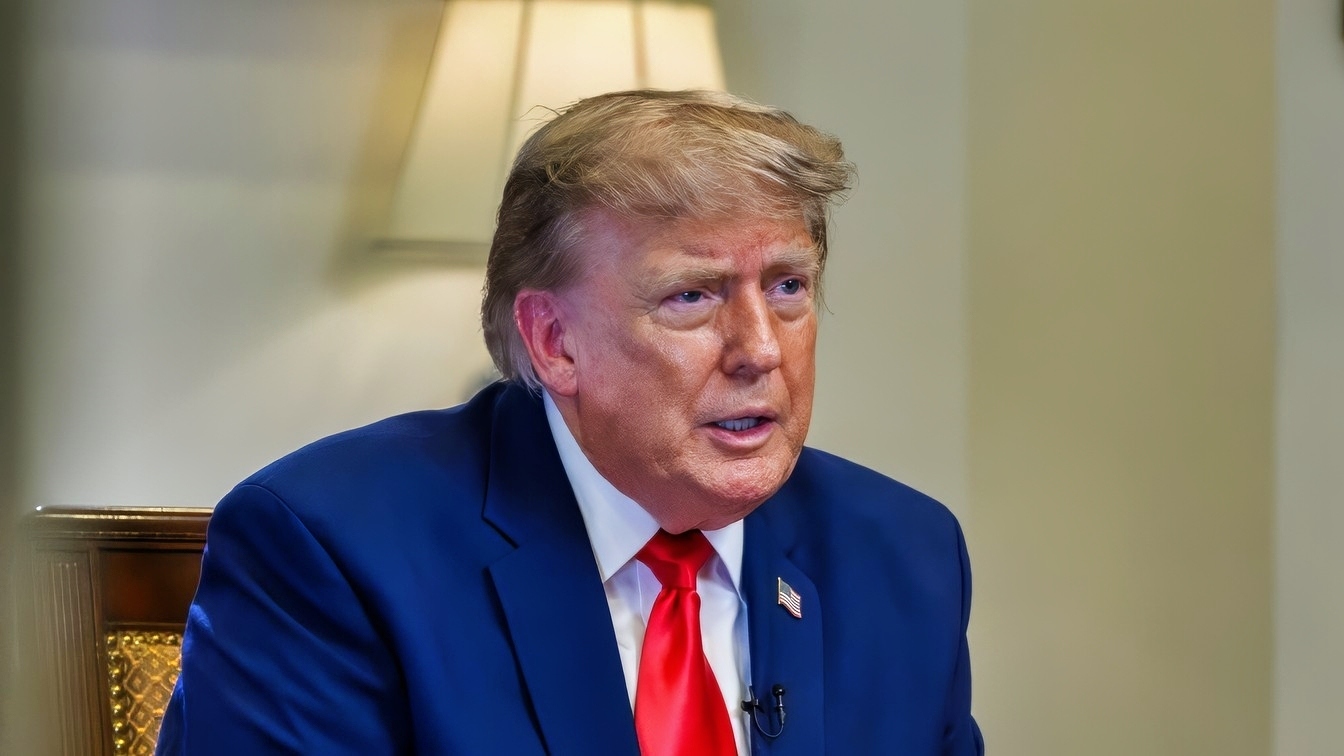
President Donald Trump is warning that Russia could increase its support for Iran if Washington continues to impose new economic sanctions against Moscow.
In recent comments, the U.S. president defended his recent controversial decision to ease pressure on Russian President Vladimir Putin as the war in Ukraine rages and drones and missiles hit refineries regularly.

T-90 Tank. Image Credit: Creative Commons.

Russian T-90 Tank. Image Credit: Creative Commons.
Writing on Truth Social on Sunday, October 18, President Trump defended his decision to suspend new sanctions against Russia, arguing that continuing to pile economic pressure on Moscow would undermine negotiations to end the war in Ukraine.
He also encouraged Moscow to become more involved in the United States-Iran conflict, seemingly to use a large, friendly nation to pressure Tehran into conceding to American demands.
The comments come just days after President Trump signed an executive order suspending the implementation of sweeping new sanctions against Russia, despite signing the underlying legislation into law just a month earlier.
Trump Says Russia Could Help Iran
In his Truth Social statement, the president explained the thinking behind his recent easing of restrictions on Russian oil sales.
“My decision on Russia is a very simple one. I am in the process of negotiating Peace in the war between Russia and Ukraine, and don’t want to do anything that will drive, foolishly, Russia away from the bargaining table,” Trump said.
He added that “great progress” is being made, specifically on hostage negotiations.
Referring to the proposed new economic sanctions on Russia, Trump said signing the document would drive Russia away from negotiations, but he can sign it at any time.
He also suggested that Russia is not working closely with Iran, but that Moscow could opt to do more.
“Russia is doing very little, if anything, to help the Islamic Republic of Iran, compared to what they could be doing, and I want to keep it that way, and will, unless stupid people get in the way. Lastly, Zelenskyy is using Diesel Refineries in Russia as a target, knowing that these attacks are seriously hurting the world diesel markets, including those in the United States,” Trump said.
The president went on to describe the economic fallout of the diesel shortage, which is affecting “farmers, ranchers, and businesses of all kinds.” He added that Russia is sending millions of barrels of diesel to the international market at a “low price.” He claimed Zelenskyy “doesn’t care” about ensuring the rest of the world isn’t impacted by his long-range strikes against Russian refineries.
“Zelenskyy doesn’t care, and frankly, with all of the money that Europe is famously giving him, and that Crooked Joe Biden gave him in the past, he doesn’t want to end this war, and probably never did,” he said, adding that he “could have made a better deal two years ago than he can now.”
The comments ended with a call to end the war immediately.
They suggested the U.S. president is looking for ways to incentivize Russia to make a deal while also pressuring Ukraine to give up some of its core demands.
The Backlash
President Trump is facing a backlash from both Republicans and Democrats for his approach to ending the war and easing pressure caused by the diesel shortage, with lawmakers accusing the Trump administration of rewarding Putin.
At the same time, Russian forces continue to strike Ukrainian cities.
Republican Senators Rick Scott and Thom Tillis are among those criticizing Trump’s decision to suspend sanctions.
Other lawmakers are also calling for the administration to reverse course and cancel its agreement to allow Russian diesel onto international markets.
But on Sunday, Energy Secretary Chris Wright defended the agreement, saying it could encourage Moscow to reduce its military operations and stop funding its expansion.
“This is an incentive to Russia that if they can reduce the conflict with Ukraine, [if] they can get an energy ceasefire or reduce the conflict such that they have diesel to export, it will allow it to flow to world markets,” Wright told ABC News’s “This Week.”
“This is a carrot to try to end the war…it’s not an economic lifeline for Russia,” he said.
Russia and Iran Hold Talks
Meanwhile, Moscow is continuing to engage with Tehran, despite President Trump’s suggestion that the Kremlin is doing very little to assist the regime.
On Monday, October 19, Russian Foreign Minister Sergei Lavrov held talks with Iranian Foreign Minister Abbas Araghchi in Tehran.
The two diplomats discussed the ongoing conflict and the security situation in the Strait of Hormuz.
In a joint televised press conference, Araghchi blamed Washington for the instability affecting commercial shipping through the waterway and called for a regional security arrangement and the withdrawal of U.S. troops and forces from the region.
About the Author: Jack Buckby
Jack Buckby is a British researcher and analyst specializing in defense and national security, based in New York. His work focuses on military capability, procurement, and strategic competition, and he produces and edits analysis for policy and defense audiences. He brings extensive editorial experience, with a career output spanning over 1,000 articles at National Security Journal, and has previously authored books and papers on extremism and deradicalization.


