
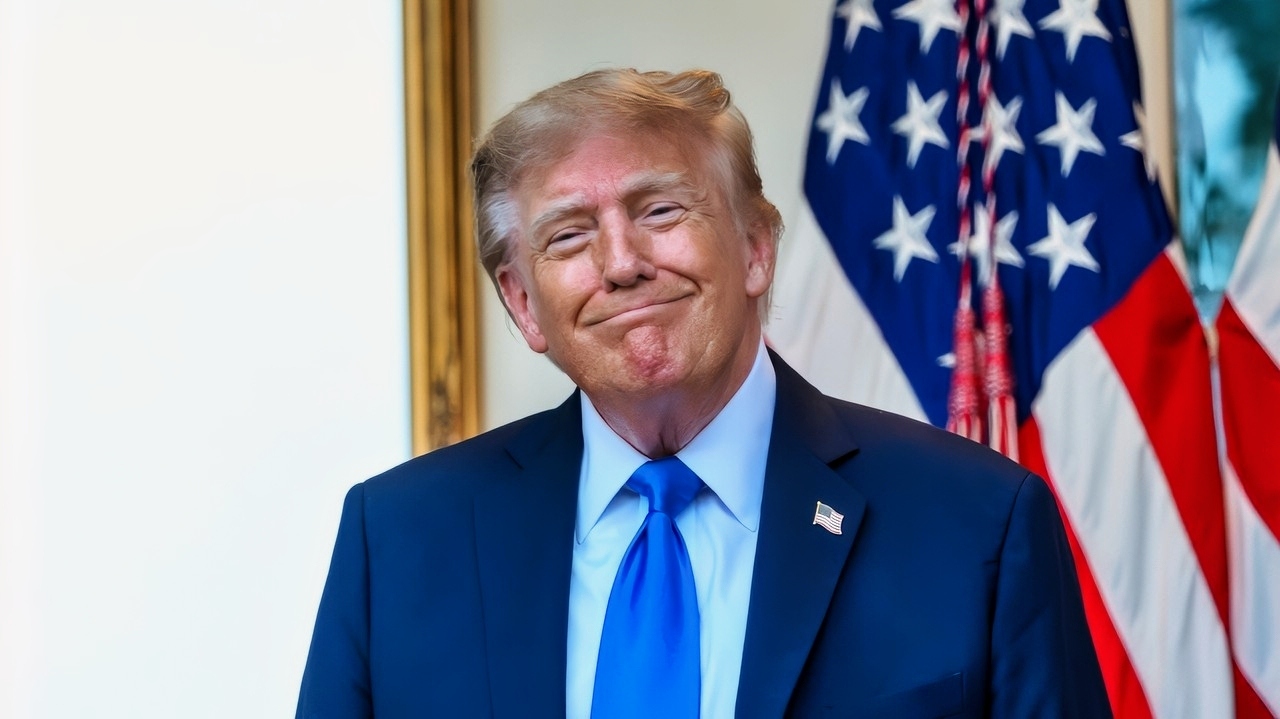
President Donald Trump has offered Russian President Vladimir Putin another lifeline and new incentives to wind down the war in Ukraine, effectively suspending sweeping new sanctions against the country. The president signed an executive order just weeks after signing the new legislation into law, and the fresh easing of sanctions against Russia comes as Trump faces growing criticism over his recent suggestion that Ukrainian leader Volodymyr Zelenskyy should be replaced with someone willing to make a deal.
Trump signed the executive order on Friday, October 16, just two days before new restrictions were scheduled to take effect, easing restrictions on Russia and citing national security interests as his justification for preventing their implementation.
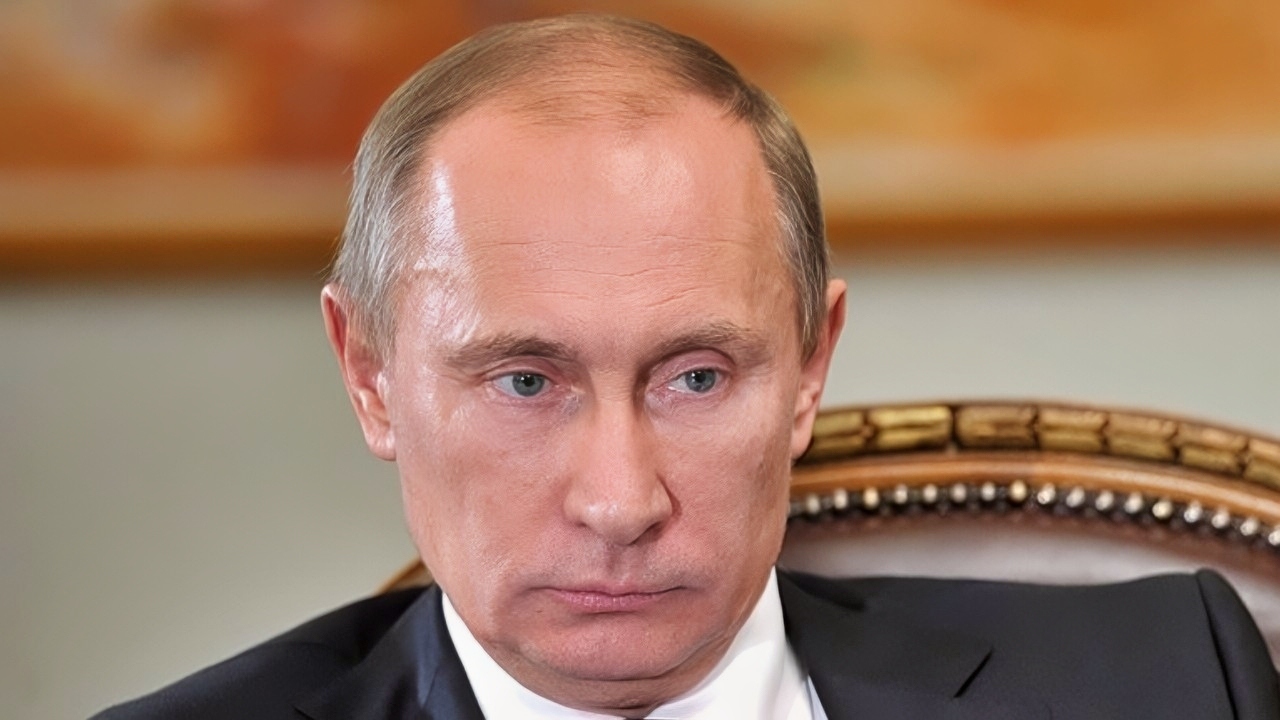
Putin in 2012 Creative Commons Photo
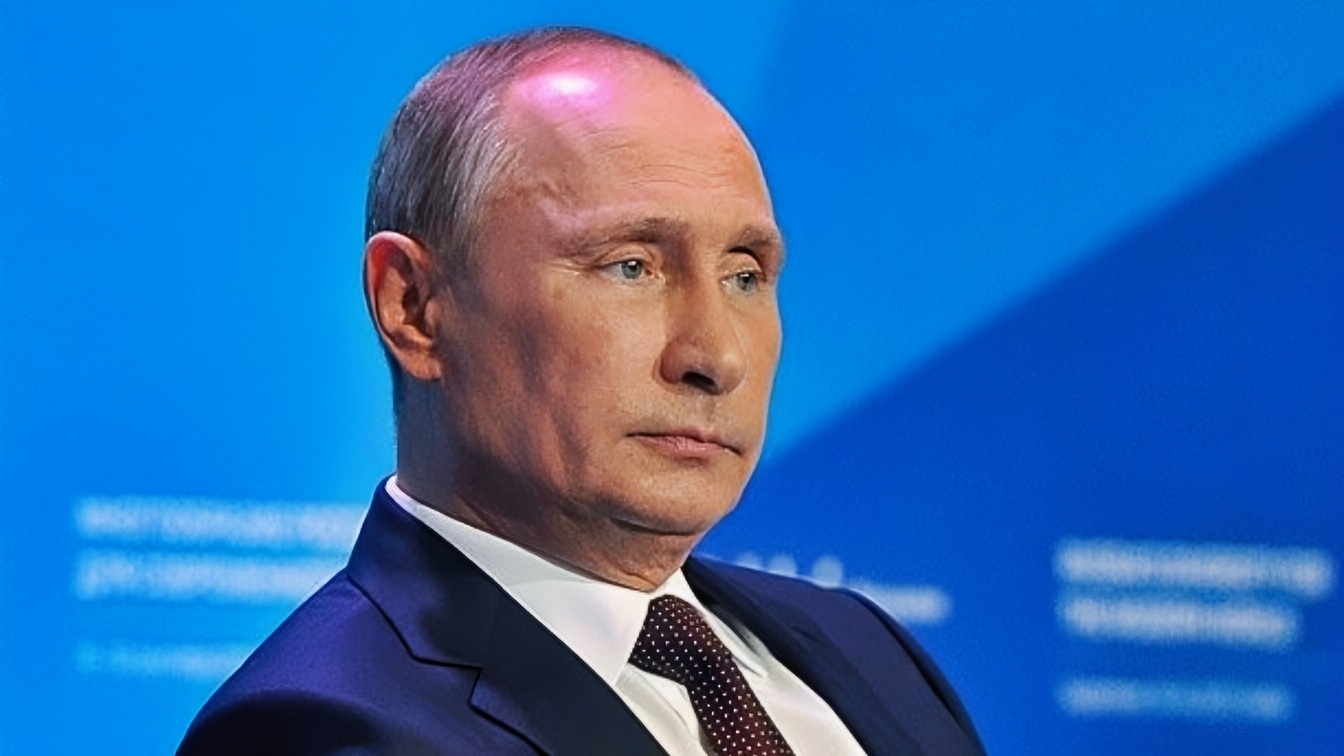
Putin at Valdai Club in 2013. Image Credit: Creative Commons.
It is just the latest in a recent series of concessions to the Russian president, who has been attempting to sustain his country’s war against Ukraine while also navigating Western sanctions that have restricted access to international financial markets and reduced Russian energy revenues.
The move also comes shortly after the Trump administration controversially reached an agreement with Moscow that allows Russia to sell diesel exports on international markets, as part of an effort to reduce energy prices ahead of the November 3 midterm elections.
The new executive order reportedly prevents sanctions targeting Russian government officials, wealthy individuals, financial institutions, and similar entities from going into effect.
Trump has already drawn criticism from legislators who believe that the president is undermining efforts to pressure Moscow to end the war — but the president’s logic is different.
Trump Suspends Sanctions He Approved
The new executive order effectively neutralizes major provisions of the Lindsay O. Graham Sanctioning Russia and Iran Act of 2026, which Congress passed with bipartisan support and the president signed into law on September 18.
The legislation was named in memory of Senator Lindsey Graham, the South Carolina Republican legislator who died in July after spending more than a year pushing for much tougher sanctions against Russia and countries that did business with Moscow.
Under the legislation, Washington was preparing to impose additional penalties on Russian financial institutions and entities supporting military operations against Ukraine. The law also provided for 500% tariffs on imports from Russia and an additional 100% tariffs on goods from the five largest importers of Russian oil and natural gas. But on Friday, Trump invoked a provision in the legislation that lets the president waive the measures if he believes doing so would serve American national interests.
Trump confirmed he submitted the required certification to Congress, although the publicly released executive order provided no additional reasoning or details behind his decision.
Those details did not need to be released, however, for Trump’s logic to be understood. President Trump has been very vocal about his views on the war, both during his campaign for a second term and during his time as president.
He has repeatedly criticized Ukrainian President Volodymyr Zelenskyy for making demands his manpower and military cannot back up, suggested Ukraine simply doesn’t have the “cards” to win the war, and even suggested Zelenskyy is harder to negotiate with than Putin.
Washington appears to hope Russia will respond to financial incentives and the chance to normalize relations in Western markets, potentially becoming a trading partner with the United States or other large, willing Western countries, in exchange for a ceasefire or a peace deal.
The latest decision does not remove all previously imposed sanctions against Russia, but it does prevent major new penalties that could cause extreme economic harm to Moscow and its partners from taking effect. However, Trump retains the right to implement those policies in the future.
Congress Is Furious
The decision has prompted public backlash in Congress, including from Connecticut Senator Richard Blumenthal, who helped develop the legislation with Senator Graham.
In a statement released shortly after the president confirmed the executive order had been signed, Blumenthal accused Trump of disregarding the wishes of Congress and America’s allies in Europe.
“These waivers have nothing to do with our national security, & everything to do with sucking up to Vladimir Putin,” Blumenthal said.
The criticism isn’t coming only from Democrats. On October 13, Reuters reported that 12 senators, including six Republicans, signed a letter urging the president to reverse his diesel agreement with Russia and enforce the new sanctions legislation. Republicans who backed the law included Mitch McConnell, Susan Collins, Lisa Murkowski, Thom Tillis, Alan Armstrong, and John Cornyn.
Russia Welcomes the News
Moscow has already welcomed the decision.
Russian presidential envoy Kirill Dmitriev described the move as a “significant and truly historic moment.”
Russian officials see the suspension as an important diplomatic victory, and President Donald Trump now presumably awaits a sign from Moscow that there is openness to beginning negotiations to end the war in Ukraine.
However, the sticking points that have prevented a deal so far remain.
About the Author: Jack Buckby
Jack Buckby is a British researcher and analyst specializing in defense and national security, based in New York. His work focuses on military capability, procurement, and strategic competition, and he produces and edits analysis for policy and defense audiences. He brings extensive editorial experience, with a career output spanning over 1,000 articles at National Security Journal, and has previously authored books and papers on extremism and deradicalization.


