

The United States and Iran are once again moving closer to an agreement that will reopen the Strait of Hormuz and pave the way to end the conflict, according to two regional governments involved in mediation efforts.
It’s not the first time such a claim has been made in recent weeks, but it is once again injecting some optimism into global oil markets and leaving Gulf governments hopeful that military action in the region may soon cease.
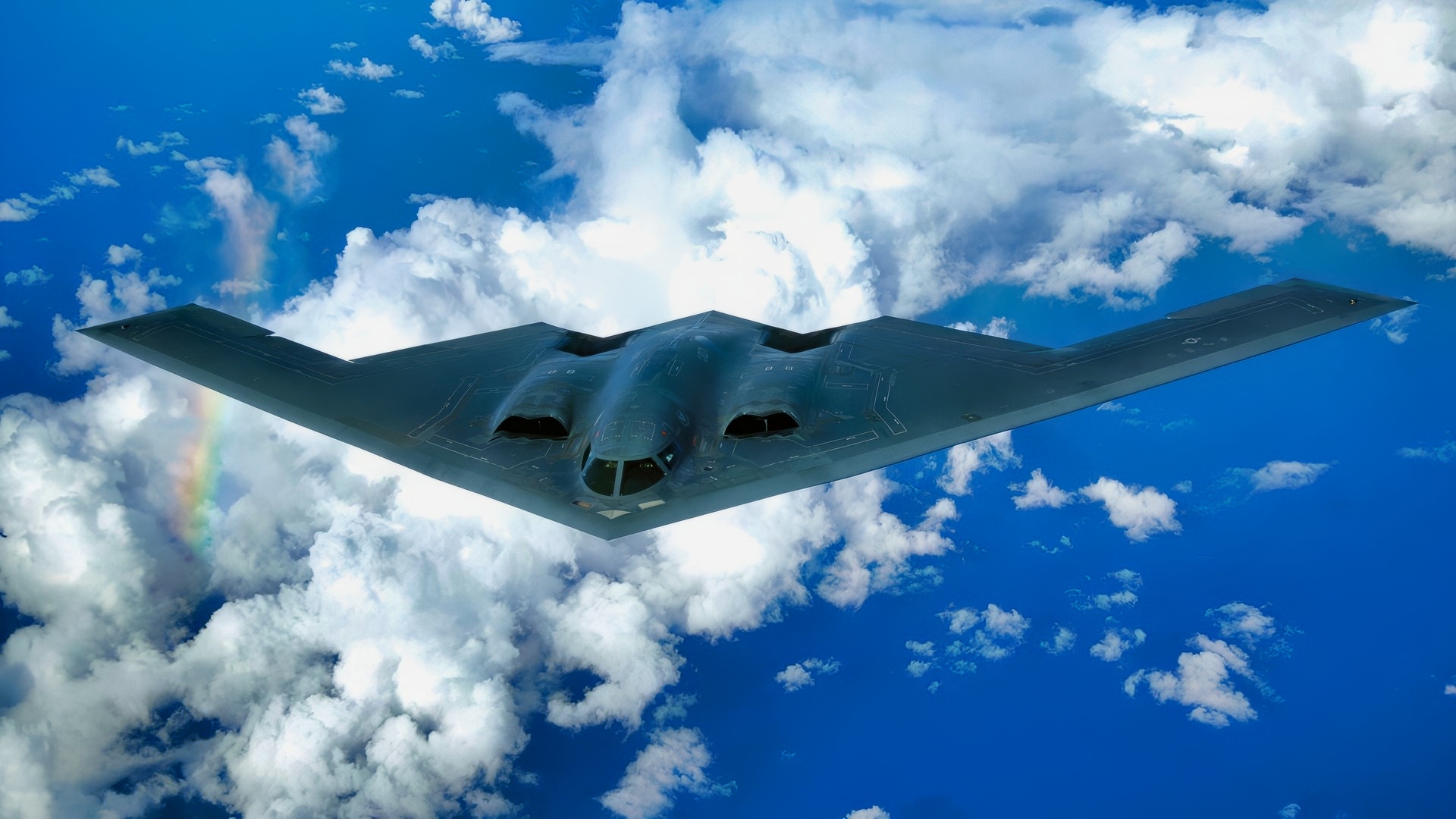
A B-2 Spirit soars after a refueling mission over the Pacific Ocean on Tuesday, May 30, 2006. The B-2, from the 509th Bomb Wing at Whiteman Air Force Base, Mo., is part of a continuous bomber presence in the Asia-Pacific region. (U.S. Air Force photo/Staff Sgt. Bennie J. Davis III)
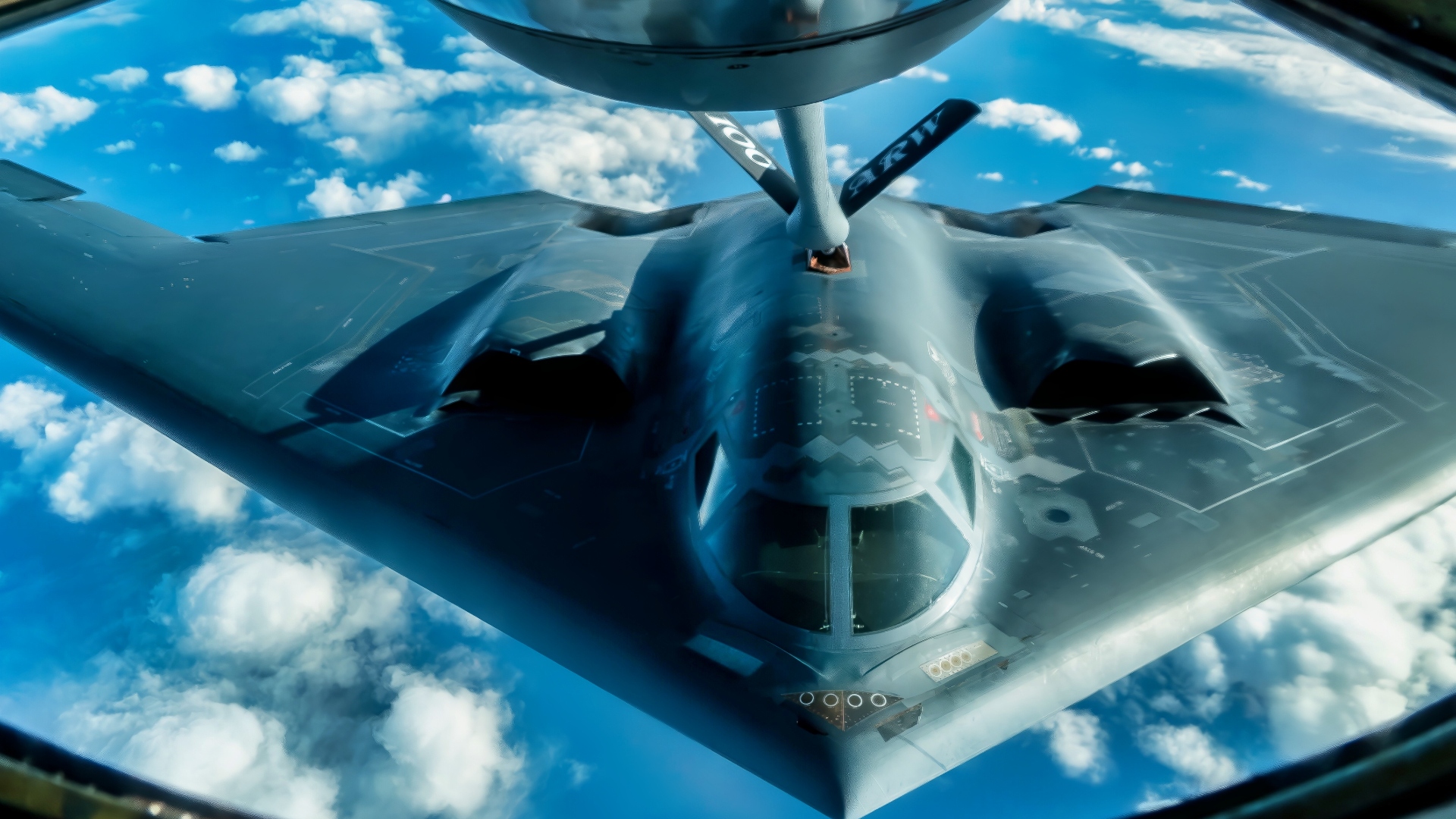
A U.S. Air Force B-2 Spirit assigned to the 509th Bomb Wing from Whiteman Air Force Base, Missouri, receives fuel from a 100th Air Refueling Wing KC-135 Stratotanker during Global Thunder 20, Oct. 28, 2019. Global Thunder is an annual command and control exercise that provides training opportunities for all of U.S. Strategic Command’s mission areas, tests joint and field training operations, and has a specific focus on nuclear readiness. (U.S. Air Force photo by Staff Sgt. Trevor T. McBride)
Pakistan’s Defense Minister Khawaja Asif said on Tuesday, August 11, that there were some diplomatic signals in recent days that suggest Washington and Tehran are approaching “some sort of an arrangement.”
“Things are shaping up again in favor of a peace arrangement or a deal,” Asif told Bloomberg News in Islamabad, adding that developments over the last several days suggest that an agreement is now possible and is getting closer.
Qatar, another important regional intermediary, was more cautious but also indicated that progress was being made, with officials saying that negotiations involving Iran and Oman over governance of the Strait of Hormuz have reached an advanced stage.
Iran and U.S. Still Aren’t Talking
While Pakistan believes that a deal may be emerging, American and Iranian negotiators still do not appear to be in direct talks over the future governance of the Strait of Hormuz or the Iranian nuclear program.
Reports indicate that messages are still being passed between U.S. and Iranian negotiators via intermediaries from Pakistan, Oman, and Qatar.
Pakistan’s role in the current negotiations is to be expected, given its previous instrumental role in cease-fire negotiations leading up to the failed June memorandum of understanding.
Oman, meanwhile, has largely focused on managing the technical and political arrangements for governing passage through Hormuz—a matter that does not immediately resolve the problems between the U.S. and Iran but could ensure the regular flow of oil through one of the most important waterways on the planet.
Oman and Iran have spent weeks discussing a new temporary navigation system for the waterway that would remain in place while the larger political and legal questions are resolved.
A deal between the two countries was expected last week, when U.S. Treasury Secretary Scott Bessent suggested it was imminent.
That deal has not yet been reached, but reports suggest the countries have agreed on geographic coordinates.
Tehran, meanwhile, continues to insist that the arrangement would not itself open the Strait of Hormuz, and that opening the waterway would depend on the U.S. agreeing to a number of major concessions, including the unfreezing of billions of dollars in frozen assets and an end to the U.S. military presence in the Gulf.
Iran and U.S. Trade Reparations Demands
Iran laid out its demands on Saturday, August 8. Mohammad Bagher Zolghadr, secretary of Iran’s Supreme National Security Council, said that the Strait of Hormuz would not fully reopen unless Washington agreed to make a series of major concessions that would effectively deny it the victory Trump defined when he launched the campaign against Iran in February.
Zolghadr said the United States must end its naval blockade of Iranian ports, lift sanctions, release frozen Iranian assets, and compensate Iran for damage inflicted during the war.
Tehran has also demanded the withdrawal of U.S. military forces from around Iran and an end to American attacks against Iran and its regional allies.
The demand for compensation prompted a direct response from President Donald Trump on Monday, even as the White House appears to have taken a step back from daily public statements about deals or military strikes.
President Trump said that if reparations were to become part of negotiations, Washington should make its own demands.
In a Truth Social post, the president said that he was “likewise demanding compensation from Iran,” including for the families of Iranians killed by the government over the past 50 years, and said he had instructed his representatives to raise the issue in future negotiations.
“If there’s damages to be paid, I think Iran should pay those damages,” Trump later told reporters.
There is little indication, however, that Tehran is treating Trump’s counter-demand as a serious negotiating position at all, and it seems unlikely that Washington genuinely believes it possesses enough leverage to force it to abandon its own demands.
Iran Keeps Lashing Out
Despite renewed optimism about a deal, events in the Strait of Hormuz suggest that a full settlement may still be some time away.
Mohsen Rezaei, the newest secretary of Iran’s Supreme National Security Council, reiterated on Tuesday that Hormuz would remain closed unless Washington changed its behavior and accepted Iran’s conditions.
Meanwhile, shipping remains disrupted in the strait, with only six vessels passing through on Monday, compared with roughly 140 per day before the war.
For now, it seems that many demands are being exchanged, but the Strait of Hormuz is likely to reopen only if the United States begins making concessions.
About the Author: Jack Buckby
Jack Buckby is a British researcher and analyst specializing in defense and national security, based in New York. His work focuses on military capability, procurement, and strategic competition, producing and editing analysis for policy and defense audiences. He brings extensive editorial experience, with a career output spanning over 1,000 articles at 19FortyFive and National Security Journal, and has previously authored books and papers on extremism and deradicalization.


