
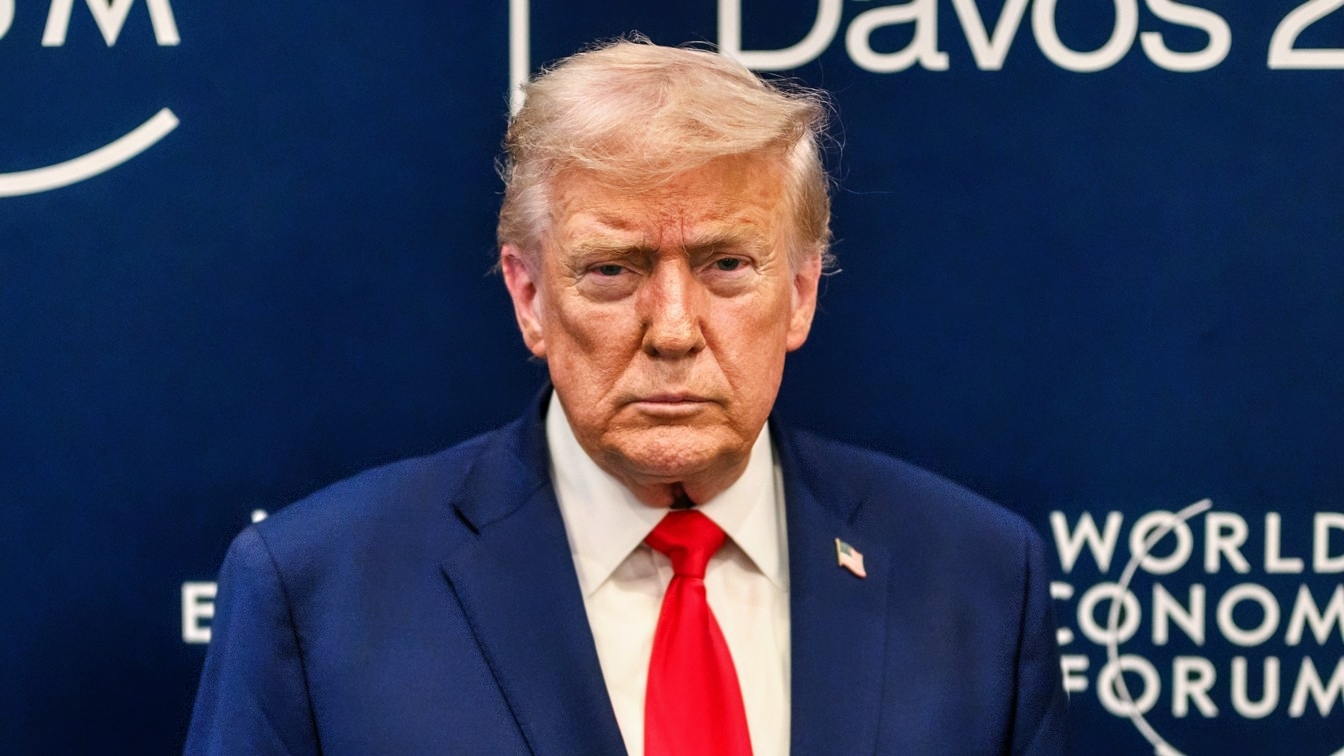
After securing an historic military agreement with Greenland, U.S. President Donald Trump is looking to capitalize on the deal and begin exploiting the Arctic island’s enormous natural resources – but his recent comments about American companies drilling for oil in Greenland are facing competition from European Union figures who are preparing to change the political bloc’s approach to oil and gas exploration in the region.
According to a Financial Times report on October 19, the European Union is preparing to abandon its campaign for an international ban on oil and gas drilling in the Arctic, reflecting concerns about security and geopolitical competition in the region.
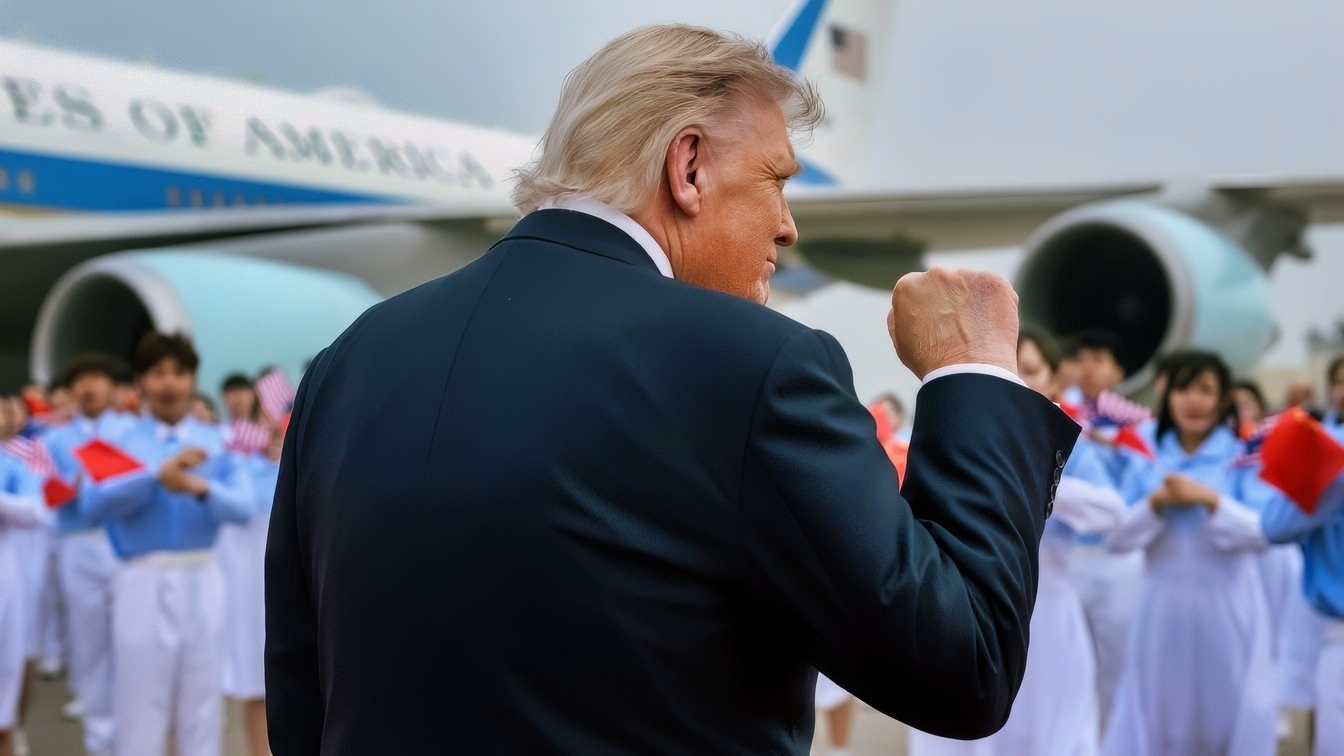
President Donald J. Trump greets Ambassadors David Perdue and Xie Feng, Executive Vice Minister of Foreign Affairs Ma Zhaoxu and Minister of Foreign Affairs Wang Yi at Beijing Capital International Airport, China on Friday, May 15, 2025, before boarding Air Force One en route Washington, D.C. (Official White House Photo by Daniel Torok)
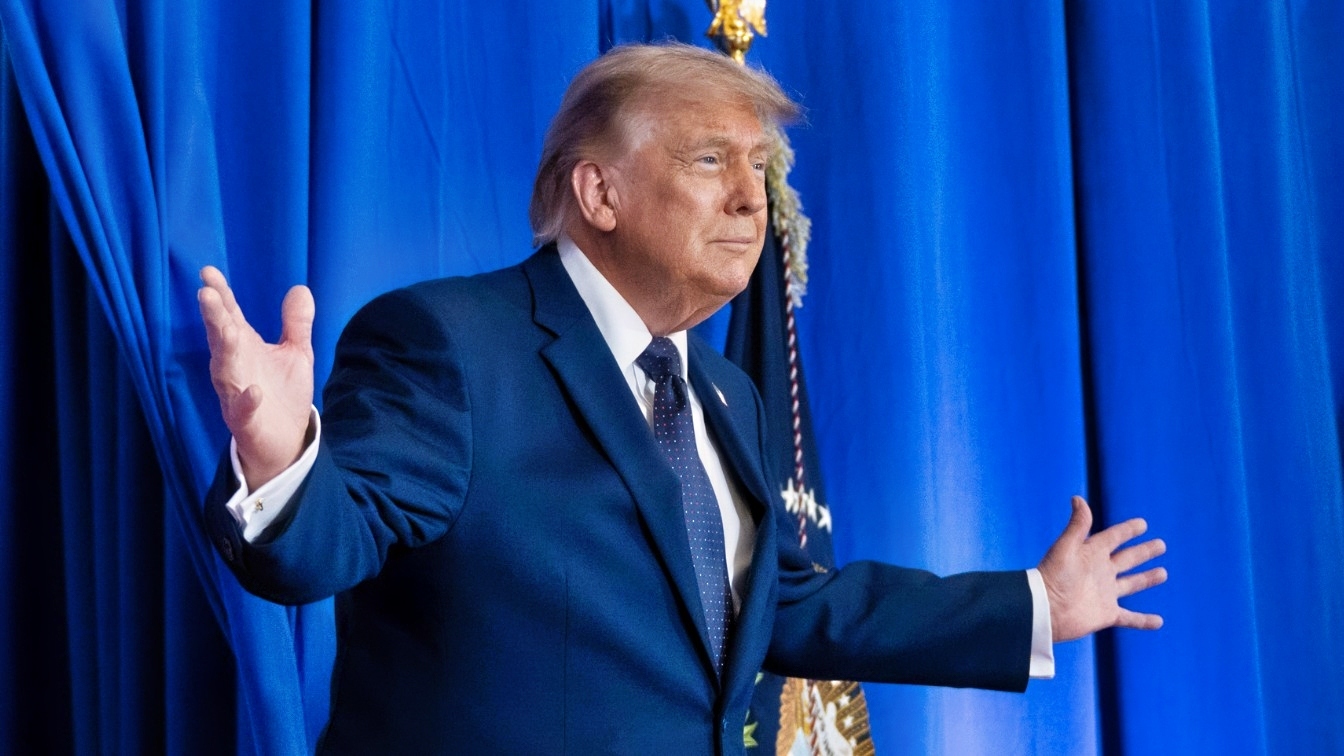
President Donald J. Trump delivers remarks on the economy at Rockland Community College in Suffern, New York on Friday, May 22, 2026.(Official White House Photo by Joyce N. Boghosian)
And it could undercut President Trump’s aims.
The proposed change does not mean European officials now firmly back unrestricted drilling, but it suggests EU governments are prioritizing security interests over climate-related policies.
Meanwhile, President Trump faces an energy crisis at home, with oil prices still elevated and strikes on commercial ships in the Strait of Hormuz becoming more frequent.
Europe’s Arctic Strategy Is Changing
According to the Financial Times, the European Union’s new Arctic strategy will not include its previous ambition to establish an international ban on oil and gas exploration in the region.
Now, European officials are looking at ways to strengthen surveillance capabilities and expand security cooperation, in light of new geopolitical conditions and the global oil supply crisis.
Europe is also seeking to improve its ability to operate in contested Arctic waters, potentially competing with the United States.
The proposed strategy reportedly includes increased use of European satellites and the potential joint procurement of icebreakers to enable drilling and exploration.
The report cites European officials concerned about rising Russian and Chinese influence in the Arctic, with EU foreign policy chief Kaja Kallas warning on Monday, October 19, about the strategic consequences of letting Beijing and Moscow dominate the emerging Arctic shipping routes.
It’s an enormous shift in European priorities. Just ten years ago, such a move would seem unthinkable, with most European Union governments focused on reducing their reliance on fossil fuels.
Two new wars appear to have changed their thinking.
Trump Wants Greenland’s Oil
Europe will face competition from President Trump, however, or whoever replaces him in 2029.
On October 14, President Trump announced that Greenland was preparing extensive oil, gas, and mineral exploration operations.
Writing on Truth Social, the president described the island as “our new and beautiful Greenland”, a claim that drew criticism for dramatically overstating the nature of the recently signed military and security deal.
Trump said that enormous quantities of oil could be extracted from Greenland. Danish officials quickly rejected those suggestions and publicly corrected the record over the nature of the agreement, which they say did not give American companies any special rights to exploit Greenland’s natural resources.
Greenland has also prohibited new oil and gas exploration licenses since 2021, although projects under older licenses continue to operate in the region.
One such project involves the Texas-based Greenland Energy firm and its partners, which have been pursuing exploration in eastern Greenland.
The company plans to begin drilling in 2027, but regulators have not yet approved it.
Oil Markets Facing Crisis
Trump’s focus on Greenland is largely driven by the same reasons Europe is now looking to the Arctic island: the global oil crisis.
On October 19, reports revealed that crude oil shipments out of the Persian Gulf have again fallen dramatically following a period of increased traffic through the Strait of Hormuz in late September and early October.
Kpler data show daily Gulf crude oil flows dropping from more than 20 million barrels to around 8.5 million barrels. On Monday, Brent crude was also trading above $108 per barrel. U.S. crude is still above $100.
The Trump administration is looking for ways to ease that pressure in the short and long term, recently announcing eased restrictions on Russian fuel exports that allow millions of tons of diesel from Russian refineries onto U.S. and international markets.
But Greenland Doesn’t Solve the Problem
Can Greenland solve Trump’s problems?
Most analysts would say no.
Even if American companies are eventually allowed to extract substantial volumes of oil from Greenland, those operations will offer little immediate relief from the ongoing global energy crisis.
Greenland has never established large-scale commercial oil production, and its remote location creates enormous logistical challenges for any company that wants to build a drilling operation there.
Add the regulatory approval and massive infrastructure investment required, and drilling for oil in Greenland won’t immediately fix America’s, or the world’s, problems.
About the Author: Jack Buckby
Jack Buckby is a British researcher and analyst specializing in defense and national security, based in New York. His work focuses on military capability, procurement, and strategic competition, and he produces and edits analysis for policy and defense audiences. He brings extensive editorial experience, with a career output spanning over 1,000 articles at 19FortyFive and National Security Journal, and has previously authored books and papers on extremism and deradicalization.


