


Key Points and Summary – It’s “déjà vu all over again” for Europe’s defense ambitions. The €100 billion Future Combat Air System (FCAS) program, meant to unite France and Germany in building a 6th-gen fighter, is threatening to fall apart.
-Just like in the 1980s, France’s Dassault is demanding it lead the project, refusing to be an equal partner with Germany’s Airbus.
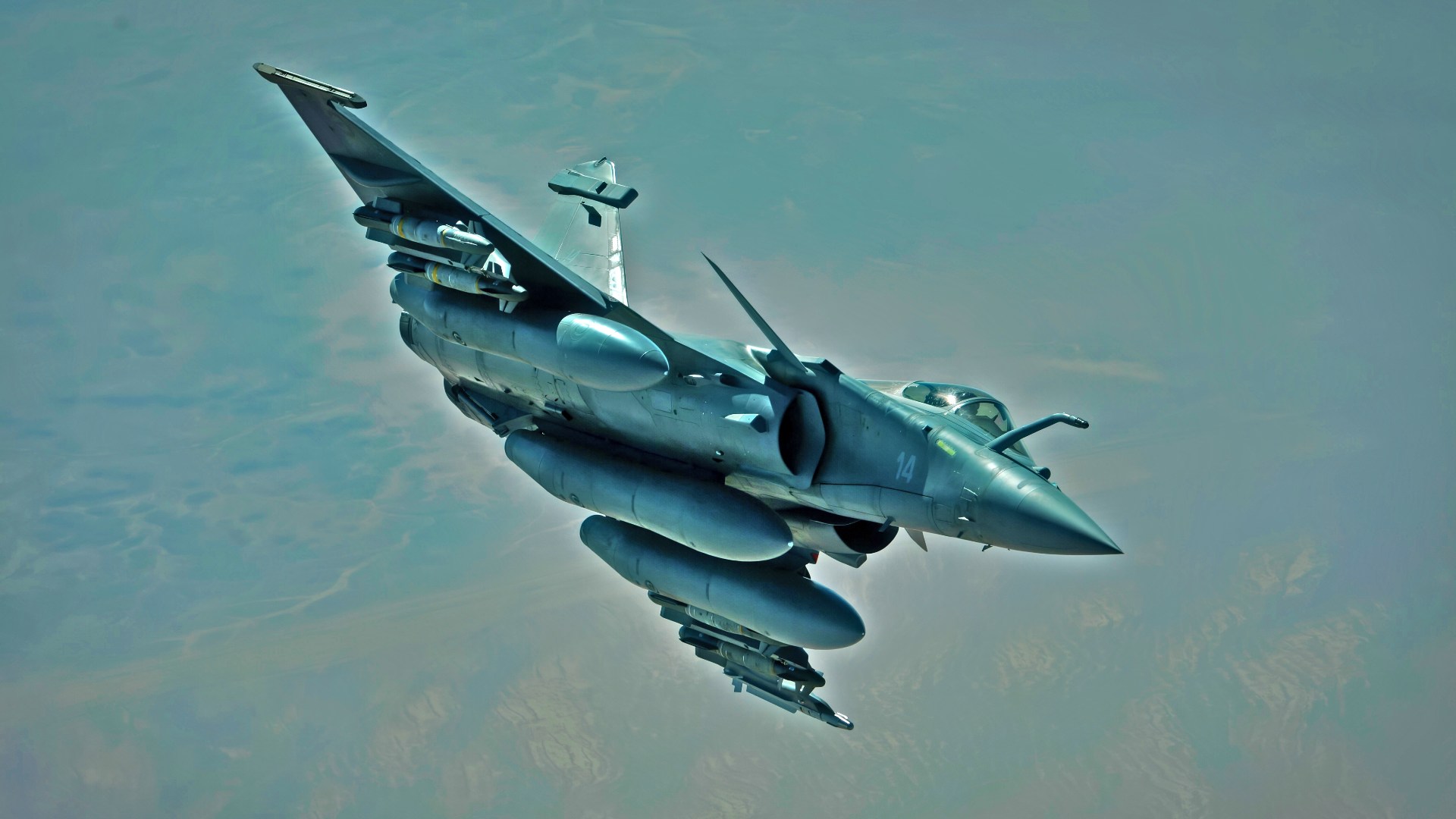
Dassault Rafale vs. JAS 39 Gripen E: Which European Fighter Jet Is Better?
-With a German-imposed deadline looming by the end of the year and high-level talks stalled, the historic partnership is on the brink of a very public and costly ‘divorce.’
Will The French and Germans Go Their Separate Ways on FCAS?
As Yogi Berra would have said were he alive today, “it’s déjà vu all over again.”
France and Germany began developing a next-generation fighter aircraft together in 2017.
But the seeds of what is a breakup of this partnership were likely sown long before the two sides signed agreements and began trading computer-aided design drawings of their concepts for the program.
They tried this “let’s make a fighter aircraft together” once before, for those who remember the 1980s story of the Eurofighter program.
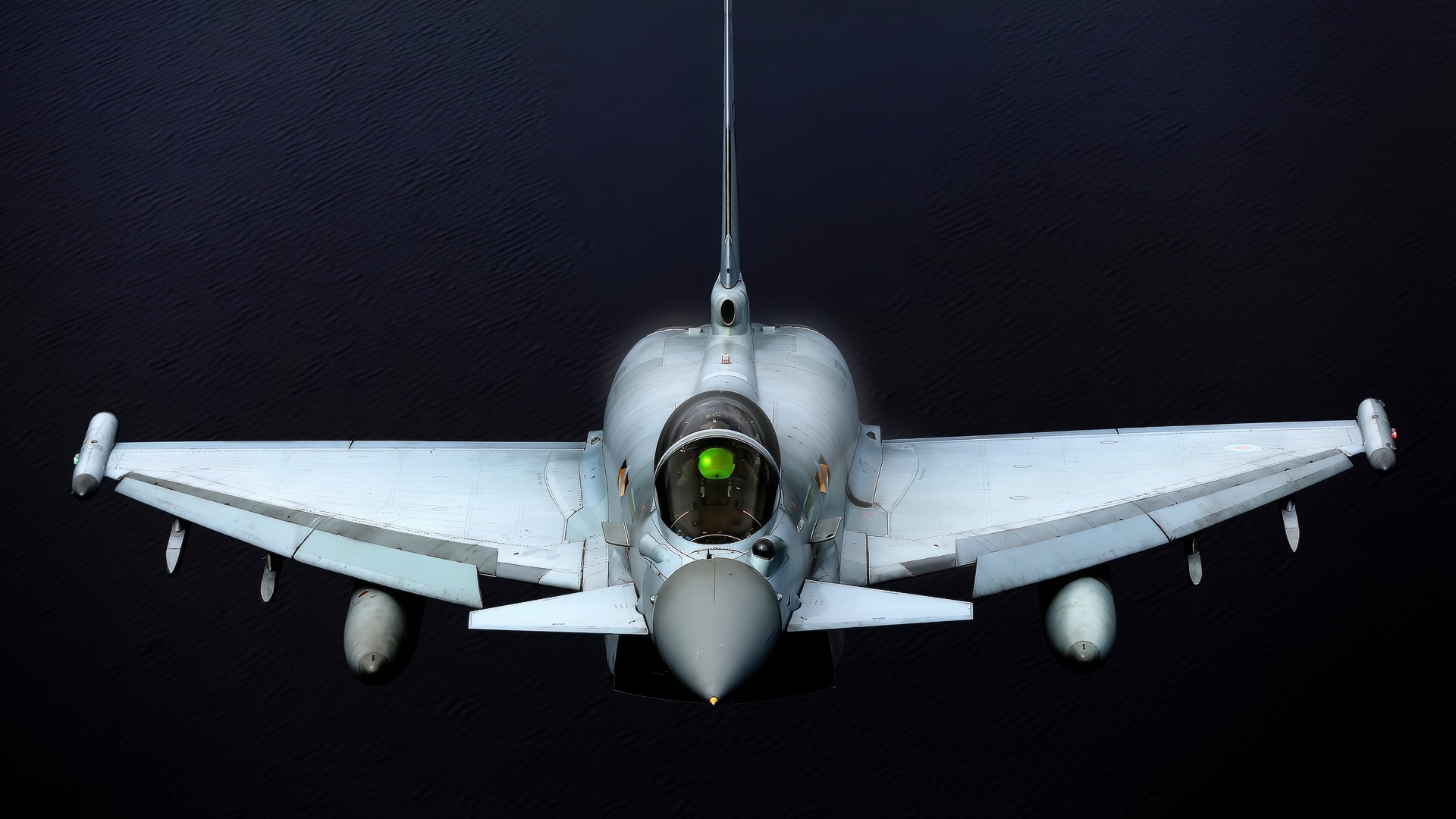
Eurofighter Typhoon over the Water. Image Credit: Creative Commons.
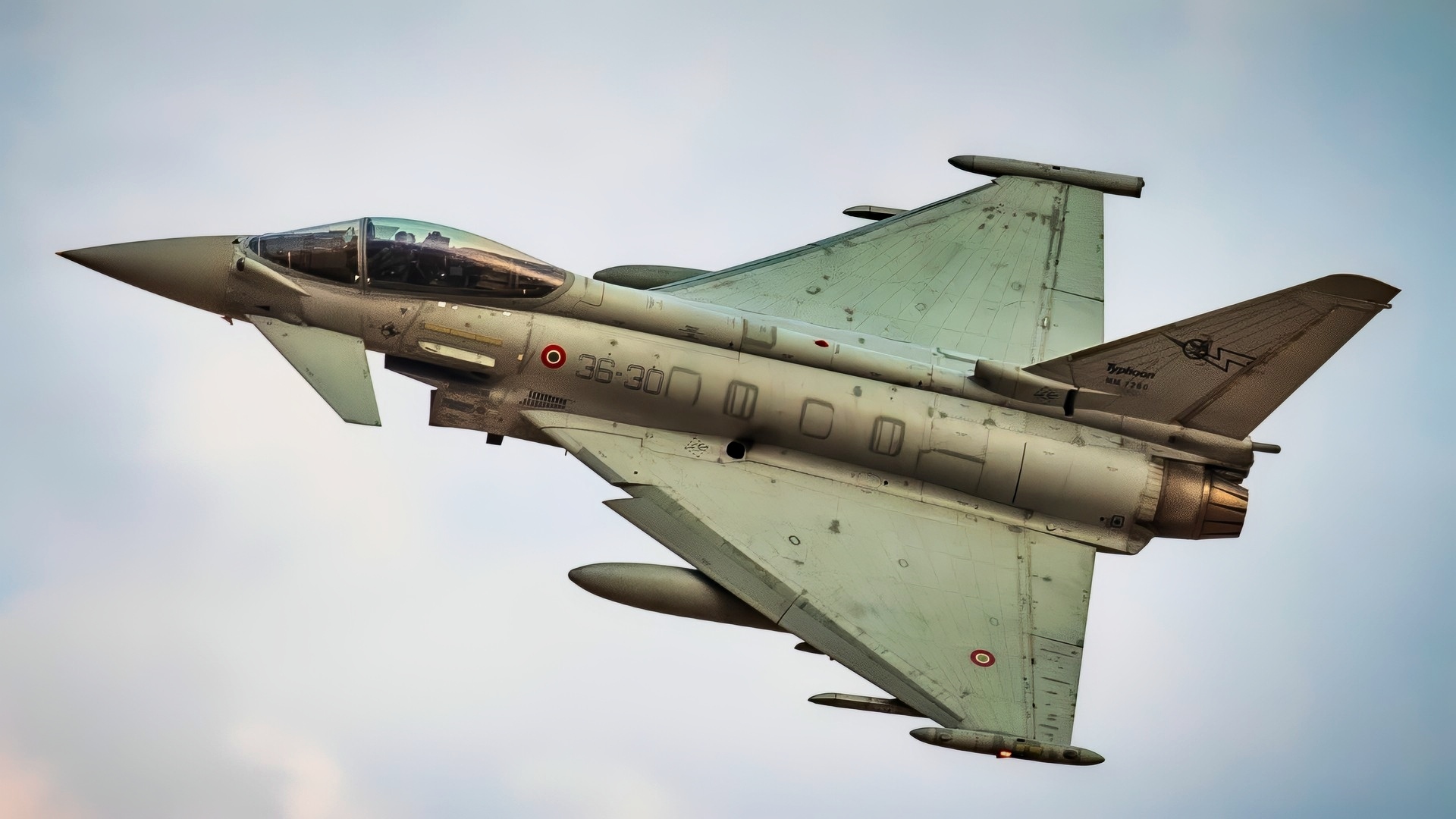
An Italian Air Force Eurofighter Typhoon maneuvers during a joint close air support exercise with U.S. Marines attached to the Special Purpose Marine Air-Ground Task Force – Crisis Response – Central Command (SPMAGTF-CR-CC) 19.2, and service members with the Italian Air Force in Kuwait, Oct. 14, 2019. The SPMAGTF-CR-CC works with partner nations on maintaining regional security. (U.S. Marine Corps photo by Sgt. Kyle C. Talbot)
France failed to reach an agreement with the other partners, so it went on to develop the Rafale on its own.
Dassault, France’s prime contractor in the €100 billion project, has staked out the position that it will only accept a dominant role in developing the actual manned aircraft part of the aviation combat system.
The company has even said it would rather develop a next-generation fighter on its own than continue on its current track of developing the aircraft in collaboration with Germany’s Airbus Defence.
Tellingly, neither the two major partners nor the second-tier participants could agree on a name for the program.
To the English-speaking world, it is the Future Combat Air System (FCAS), but in French it is the Système de Combat Aérien du Futur or SCAF, in German the Zukünftiges Luftkampfsystem, and in Spanish the Futuro Sistema Aéreo de Combate.
Looming Deadline
Germany is still planning to decide on the future of the FCAS project – and whether the partnership will continue – by the end of the year, as the Defence Minister, Boris Pistorius, said on Friday, 7 November.
At the same time, the French MoD says there was greater urgency to move forward with the project.
Berlin has consistently criticized Dassault and other French industry parties for holding back movement to the programme’s next phase by demanding that they alone be the lead entity in the project.
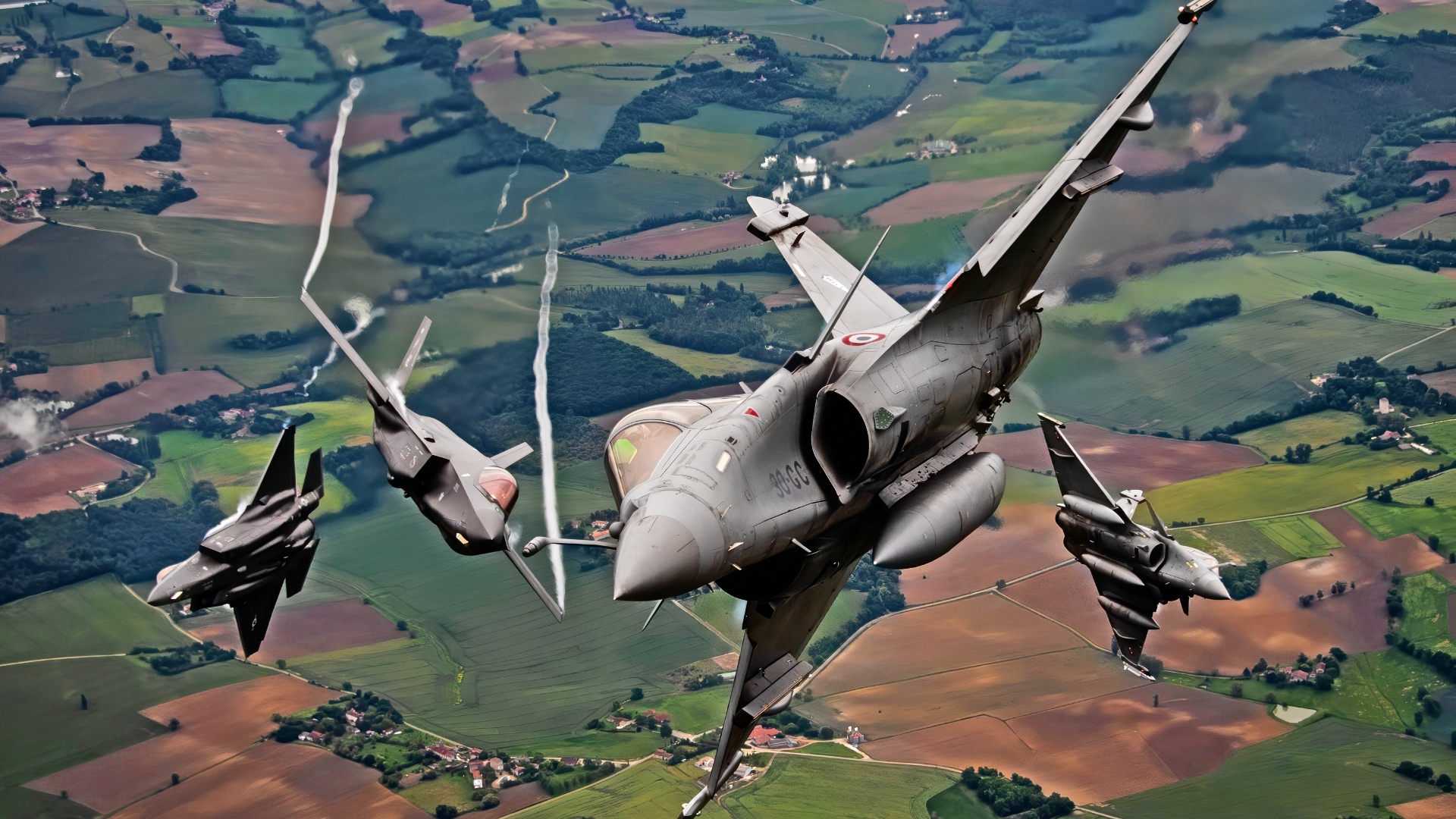
Two U.S. Air Force F-35A Lightning IIs assigned to the 4th Fighter Squadron, Hill Air Force Base, Utah, and two Dassault Rafales assigned to the 1/4 Gascogne Fighter Squadron, 113 Saint-Dizier-Robinson air base, France, break formation during flight May 18, 2021 over France. The flight was apart of the Atlantic Trident 21 exercise which is a joint, multinational exercise involving service members from the U.S., France and the U.K., and is aimed at enhancing fourth and fifth generation integration, combat readiness and fighting capabilities, through conducting complex air operations in a contested multinational joint force environment. (U.S. Air Force photo by Staff Sgt. Alexander Cook)

A joint test team including the Flight Test Division of the French Directorate General of Armaments (DGA/EV), the French Naval Aeronautics Experimentation Center (CEPA/10S), and the U.S. Navy’s Air Test and Evaluation Squadron (VX) 23 are leading flight tests that will enable the French fighter jet Dassault Rafale to aerial refuel with naval aviation’s F/A-18 Hornet and Super Hornet and EA-18G Growler. The tanker qualification partnership paves the way for an extended reach and enhanced interoperability for allied airpower. (U.S. Navy photo by Erik Hildebrandt) Erik_Hildebrandt
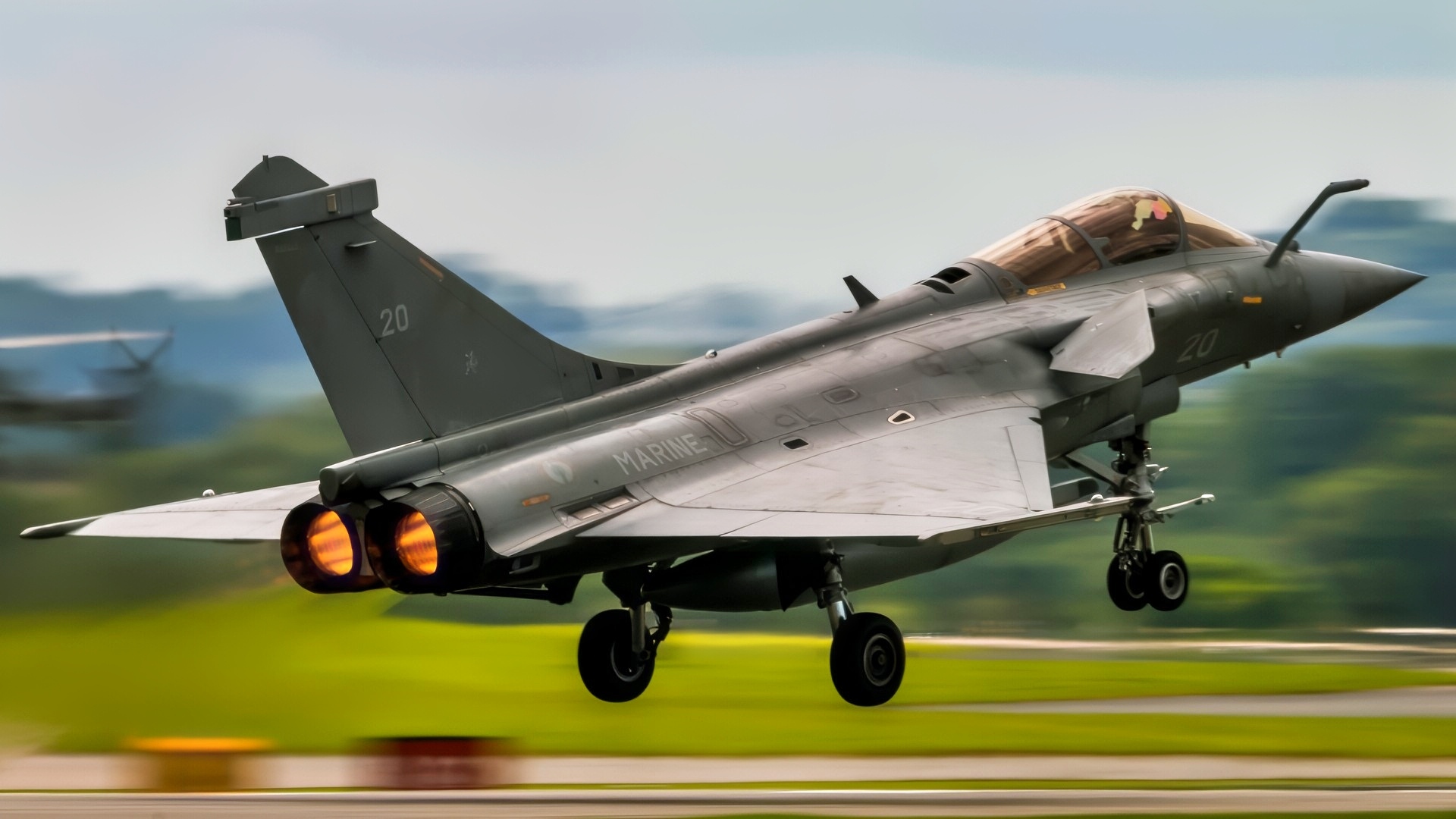
Dassault Rafale. Image Credit: Creative Commons.
The two governments have also been unable to meet or reach an agreement, as recent political instability in France has made high-level talks between the two nations impossible to convene.
Speaking to reporters in Berlin, Pistorius said that at present, there was no new date for a trilateral ministers’ meeting that will include Spanish defense officials.
“We stick with the plan to take a decision by the end of the year, no matter what this decision will look like,” Pistorius said. He additionally revealed that he had already spoken with German Chancellor Friedrich Merz on the topic earlier in the week.
“If and when there will be a (trilateral) meeting, I cannot say,” he said.
Pistorius told the press he had spoken with his French counterpart, Catherine Vautrin, last week, and that her intention was to continue the project in cooperation with Berlin.
Blaming It All on Dassault
“But, as we all know, this is not a question which is decided by the French government alone,” said Pistorius. Mr. [Eric] Trappier of [CEO of French defence company] Dassault is obviously playing a key role here, at least as regards public communication.”
Just before a meeting with Spanish Defence Minister Margarita Robles in Madrid on Friday as well, Vautrin said there was an urgent requirement to move ahead now because the French military’s current main workhorse fighter, the Rafale, would need to be replaced by 2040.
“France needs a carrier [fighter jet] and the system, which is the SCAF innovation,” she said.
This point was made to distinguish FCAS from other 6th-generation programs that do not require carrier-capability in their design.
“We are three countries involved in this project and it’s logical that the three countries work together and their industries are part of the SCAF construction. There is urgency,” she said.
She also said that all three countries would need to hold talks on the subject, but she provided no date for the discussions.
About the Author: Reuben F. Johnson
Reuben F. Johnson has thirty-six years of experience analyzing and reporting on foreign weapons systems, defense technologies, and international arms export policy. Johnson is the Director of the Asia Research Centre at the Casimir Pulaski Foundation. He is also a survivor of the Russian invasion of Ukraine in February 2022. He worked for years in the American defense industry as a foreign technology analyst and later as a consultant for the U.S. Department of Defense, the Departments of the Navy and Air Force, and the governments of the United Kingdom and Australia. In 2022-2023, he won two awards in a row for his defense reporting. He holds a bachelor’s degree from DePauw University and a master’s degree from Miami University in Ohio, specializing in Soviet and Russian studies. He lives in Warsaw.
More Military
China Might Have a Way to ‘Swarm’ U.S. Navy Aircraft Carriers
India Leases Russia’s ‘Stealth’ Nuclear Attack Submarines
The Mach 3 SR-71 Blackbird Deserves A Better Fate Than This
The F-14 Tomcat Fighter Was ‘Notoriously Difficult and Costly to Keep Operational’


