


Saudi Arabia claims that Iranian-backed Shiite militias in Iraq launched a devastating drone attack against Saudi oil infrastructure.
Fears abound that this is just the start of a new round of warfare in the ever-expanding Iran War.
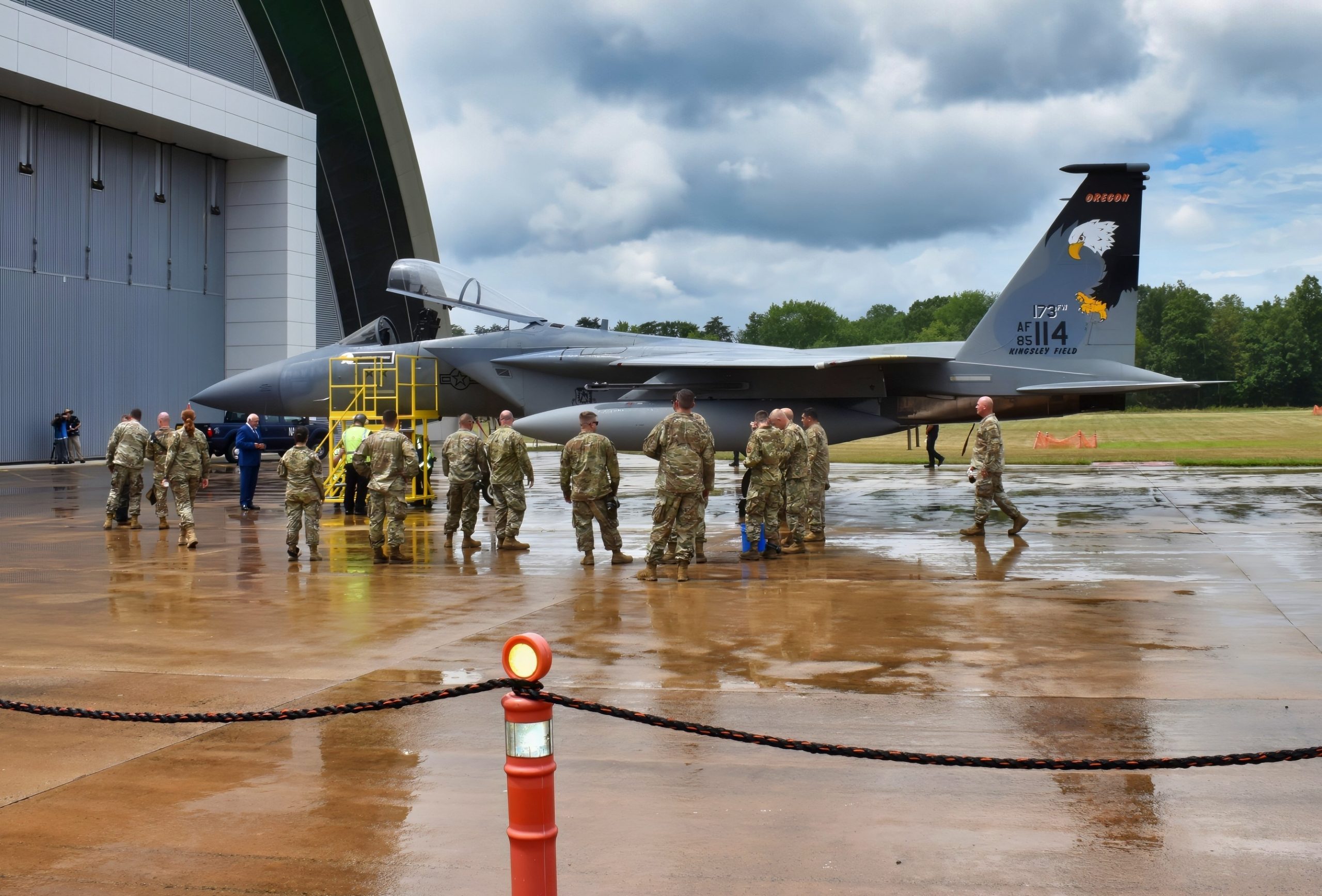
F-15C Fighter Coming in From Last Flight. Image Credit: National Security Journal.
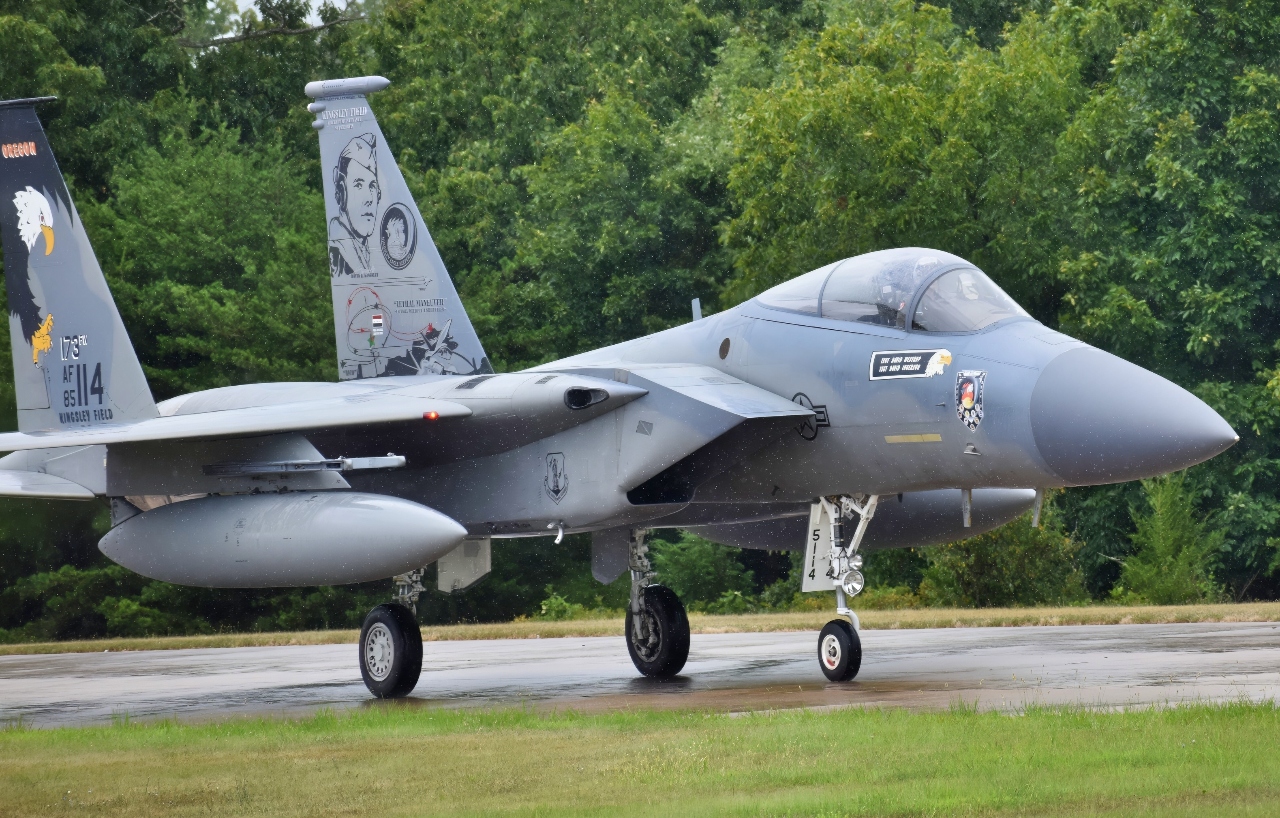
F-15C Fighter on the Tarmac. Image Credit: National Security Journal. Taken on August 13, 2025.
It should be noted that the Iraqi-based Shiite militias did not take credit for the attacks. Nevertheless, the Iraqi government has vowed to prevent such attacks from recurring.
At the same time, though, the Iraqis have struggled for years to rein in these Iranian-backed Shiite militias operating in their territory.
The Role of Iran-Backed Iraqi Militias in the War on Saudi Arabia
The latest drone strike highlights the larger pattern that has erupted since the outbreak of the regional war on February 28.
Iran-backed militias in Iraq have repeatedly launched drones and missiles toward Saudi Arabia (and other Gulf states), creating an additional front beyond the fighting involving Iran itself.
According to people familiar with a Saudi government assessment, roughly half of the nearly 1,000 drone attacks directed at Saudi Arabia since February have originated inside Iraq.
Those attacks have targeted major energy facilities, including a refinery in the Red Sea port city of Yanbu and oil fields in Saudi Arabia’s Eastern Province.
Reports indicate that Saudi Arabia retaliated against those Iran-backed militias inside Iraq. No one in either Riyadh or Baghdad is talking publicly about the extent of those operations.
Clearly, Tehran’s impressive regional network of proxies is aligning with Iran in the ongoing Iran War, all to pressure Iran’s rivals into being more compliant.
Energy Export Routes Face Growing Pressure
The attack also comes as Saudi Arabia faces mounting challenges moving oil to international markets. Since Iran effectively closed the Strait of Hormuz (SoH) to commercial shipping following the outbreak of the war, Saudi Arabia has increasingly relied on its East-West Pipeline, which transports crude across the kingdom to export terminals along the Red Sea.
From there, tankers normally travel through the Bab el-Mandeb Strait before continuing to Asian markets.
That alternative route is now under attack by the Houthis of Yemen.
Thus, additional Saudi oil shipments have reportedly been rerouted through Egypt’s Suez Canal and around the Cape of Good Hope in southern Africa.
Those longer voyages increase transportation costs and shipping times while reducing the efficiency of global oil deliveries.
All the Old, Familiar Places
Monday’s attack echoes one of the most consequential assaults on global energy infrastructure in recent history. Back in 2019, the Houthis claimed responsibility for a major drone and missile attack on the Abqaiq facility.
This facility processes nearly seven million barrels of crude oil per day before that oil is exported.
That 2019 strike on Abqaiq demonstrated how vulnerable even heavily defended energy infrastructure could be to coordinated drone attacks.
Despite having ample time and plenty of investment to establish better defenses around Abqaiq, the facilities in Saudi Arabia charged with producing so much of the world’s energy remain as vulnerable as they were in 2019.
It really doesn’t matter if the attacks on Saudi Arabia came from Iran-backed militias in Iraq or the Iran-supported Houthis of Yemen.
The fact is that the war is expanding, and Iran still has its foot on the jugular of the world’s vital energy flows.
About the Author: Brandon J. Weichert
Brandon J. Weichert is Senior National Security Editor. He also manages The Weichert Brief on Substack. Weichert also hosts “National Security Talk” on Rumble. He is the author of four bestselling national security books, the most recent of which is A Disaster of Our Own Making: How the West Lost Ukraine (Encounter Books). Follow him via Twitter/X @WeTheBrandon.


WuzDatEwe
July 29, 2026 at 9:11 am
Time to turn the Saudi’s loose & all the OPEC countries for that matter, to hire their own mercenaries to take care of the hooties, Iranians, whomever threatens their oil revenues. They’ve had a free ride for decades to spend their money on luxury lifestyles. Now it’s time for them to pay for their products to reach intended markets.