
For some time now, U.S. President Donald Trump has repeatedly warned that the United States is on the verge of dramatically escalating its war with Iran.
Trump has threatened to destroy an “entire civilization,” and analysts generally believed that the logical next step was some form of limited ground invasion.
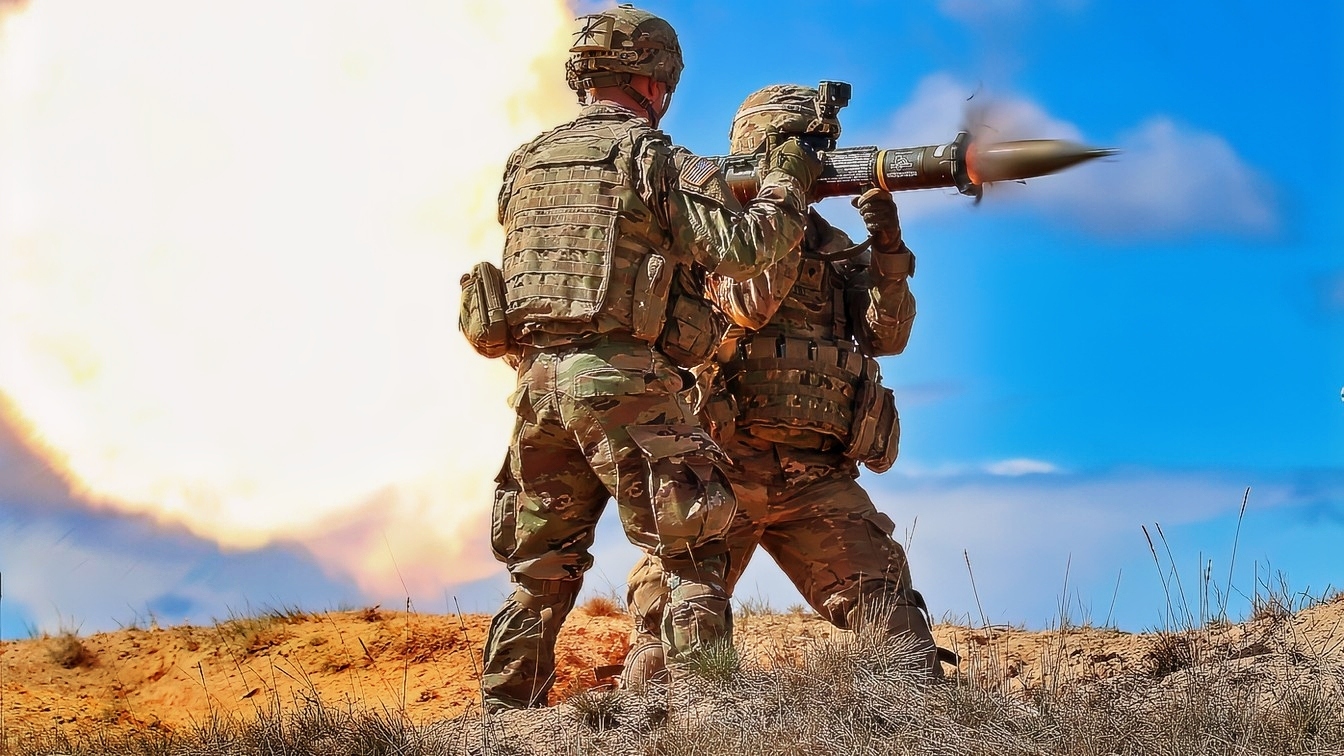
Carl Gustaf Rocket Like Used in Ukraine Creative Commons Image
We haven’t seen an escalation quite like that yet, despite nearly two weeks of consecutive bombing campaigns, but the president came close – before he again called off planned strikes on August 1, 2026.
And after talks he insisted would begin on Monday, August 3, failed to materialize, analysts and regular citizens across the U.S. and beyond are now wondering whether the president is serious at all about following through on any of his threats.
Trump Delays Energy Infrastructure Attacks In March
In March this year, President Trump warned Iran that it had only days to reopen the Strait of Hormuz or face a major expansion of the U.S. air campaign.
At the time, the administration had already been conducting strikes against Iranian military targets, but Trump threatened to broaden the campaign to include critical energy infrastructure if Tehran refused to change course.
The original deadline for Tehran was March 23.

B-1B Lancer Bomber. Image Credit: Creative Commons.

B-1B Lancer Getting Closer. Image Credit: Creative Commons.
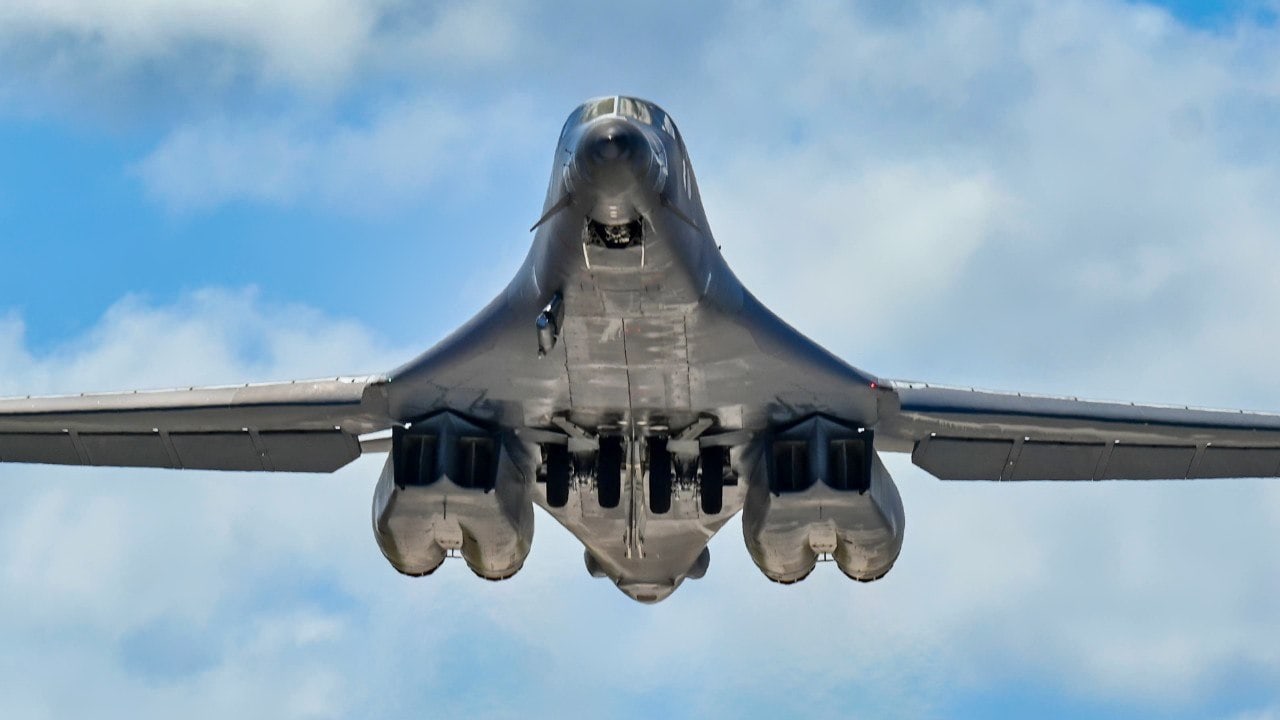
B-1B Lancer Bomber. Image Credit: Creative Commons.
But only hours before that deadline, the president announced that he was extending it by five days after saying Iran had indicated it was prepared to negotiate.
Pakistan, Turkey, and Egypt, acting as regional mediators, had been busy working behind the scenes to establish talks between Washington and Tehran.
At first, the decision eased fears of a wider regional conflict and helped calm energy markets spooked by the prospect of attacks on Iran’s oil and power infrastructure, and the subsequent impact on the flow of oil through the Gulf.
April’s Two-Week Ceasefire
Only weeks later, Trump’s actions started to form a pattern.
On April 7, Trump warned that if Iran failed to meet American demands before his latest deadline, the United States would launch an even larger military operation.
In remarks before the deadline expired, Trump warned that an entire “civilization” could die if Iran refused to cooperate. But rather than authorizing the strikes, Trump announced a new two-week ceasefire less than two hours before the deadline.
The decision was again influenced by regional mediators – this time, Pakistani Prime Minister Shehbaz Sharif, who had been attempting to broker negotiations between Washington and Tehran.
Iran agreed to participate in talks in Islamabad, prompting Trump to suspend military action in the hopes that diplomatic talks would restart.
But when the ceasefire itself was due to expire later that month, Trump again chose not to resume major operations and extended the pause after mediators requested more time.
The ceasefire then collapsed, and U.S. strikes resumed in May.
June’s Memorandum of Understanding
Following renewed strikes and mounting tensions around the Strait of Hormuz, President Trump again threatened further military action against Iran while suggesting the United States could dramatically increase pressure on Tehran’s energy infrastructure.
On June 15, however, the administration announced a “memorandum of understanding” intended to halt hostilities and allow the two sides to work toward a lasting peace deal.
The proposed framework ended major military operations – in theory – and established conditions that would have allowed Tehran and Washington to negotiate a new nuclear deal and international investments to assist with Iran’s reconstruction
But the proposed framework ultimately failed, with both sides accusing each other of violating the agreement within weeks.
Trump Weighs Massive Strike In July
On Friday, July 31, President Trump said negotiations had again broken down and indicated that he had approved another major military operation against Iran.
This time, he said, the attack was expected to be on a scale “not seen since World War II,” describing U.S. forces as “locked and loaded” and ready to carry out an enormous strike on Iran’s energy infrastructure.
It was a return to old threats, but this time, he said, he meant it.
Although the administration did not release details of its plans, the campaign was expected to begin as early as the weekend of August 1 and could last several days.
By the evening of August 1, however, Trump announced that he had canceled the operation following pressure from Saudi Crown Prince Mohammed bin Salman and other regional leaders.
Will This Time Be Different?
It’s hard to say whether this time will be different – and based on how talks have unfolded so far, it seems fair to say that these efforts will also fail.
This time, though, the U.S. is facing different struggles.
The U.S. Strategic Petroleum Reserve (SPR) has fallen to just over 300 million barrels as of late July – the lowest level since 1983. Traffic is also barely moving through the Strait of Hormuz, the Bab el-Mandeb Strait is also under pressure following the announcement of the Houthi blockade against Saudi Arabia, and U.S. stockpiles of Patriot missiles have fallen to dangerously low levels following weeks of strikes.
If this time is different and progress is made, it may only be the result of forced concessions from Washington.
About the Author: Jack Buckby
Jack Buckby is a British researcher and analyst specializing in defense and national security, based in New York. His work focuses on military capability, procurement, and strategic competition, producing and editing analysis for policy and defense audiences. He brings extensive editorial experience, with a career output spanning over 1,000 articles at 19FortyFive and National Security Journal, and has previously authored books and papers on extremism and deradicalization.


