
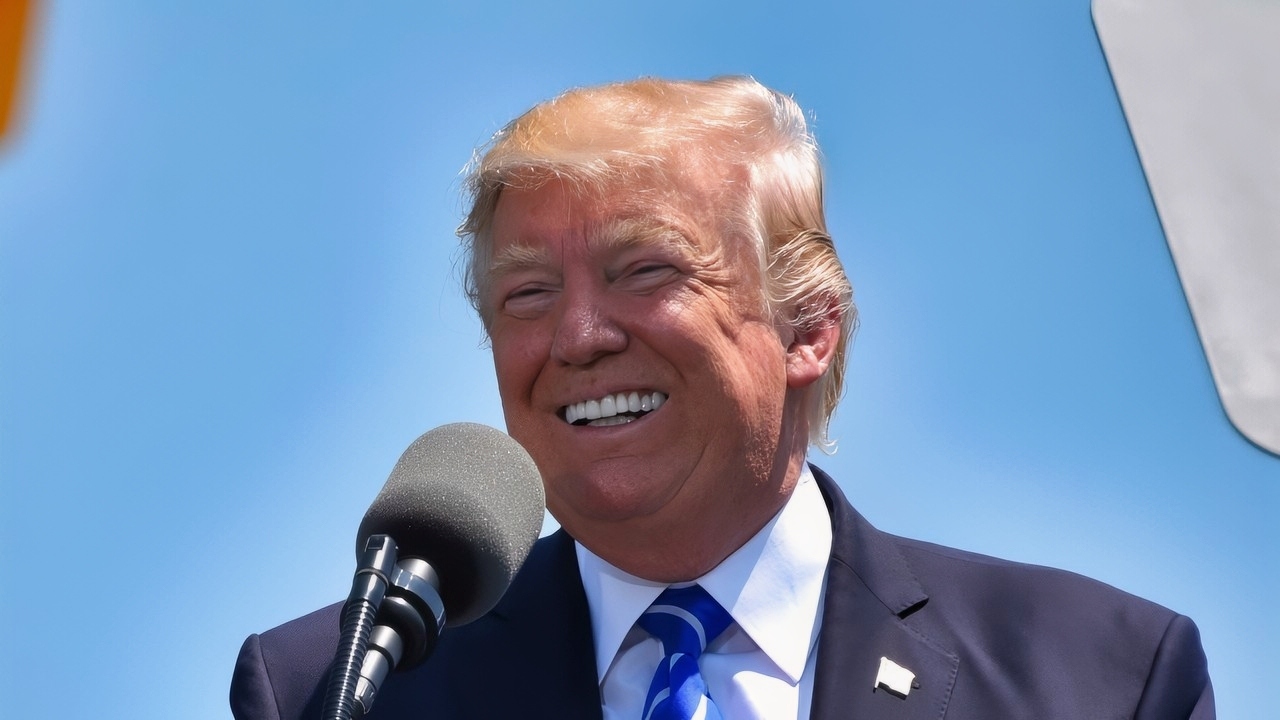
President Donald Trump’s control over Republican candidate selection and personnel decisions has turned the Senate into a competitive battleground, leaving his party defending seats that once seemed comfortably within reach.
A net gain of four seats for the Democratic Party will see the Senate turn blue.
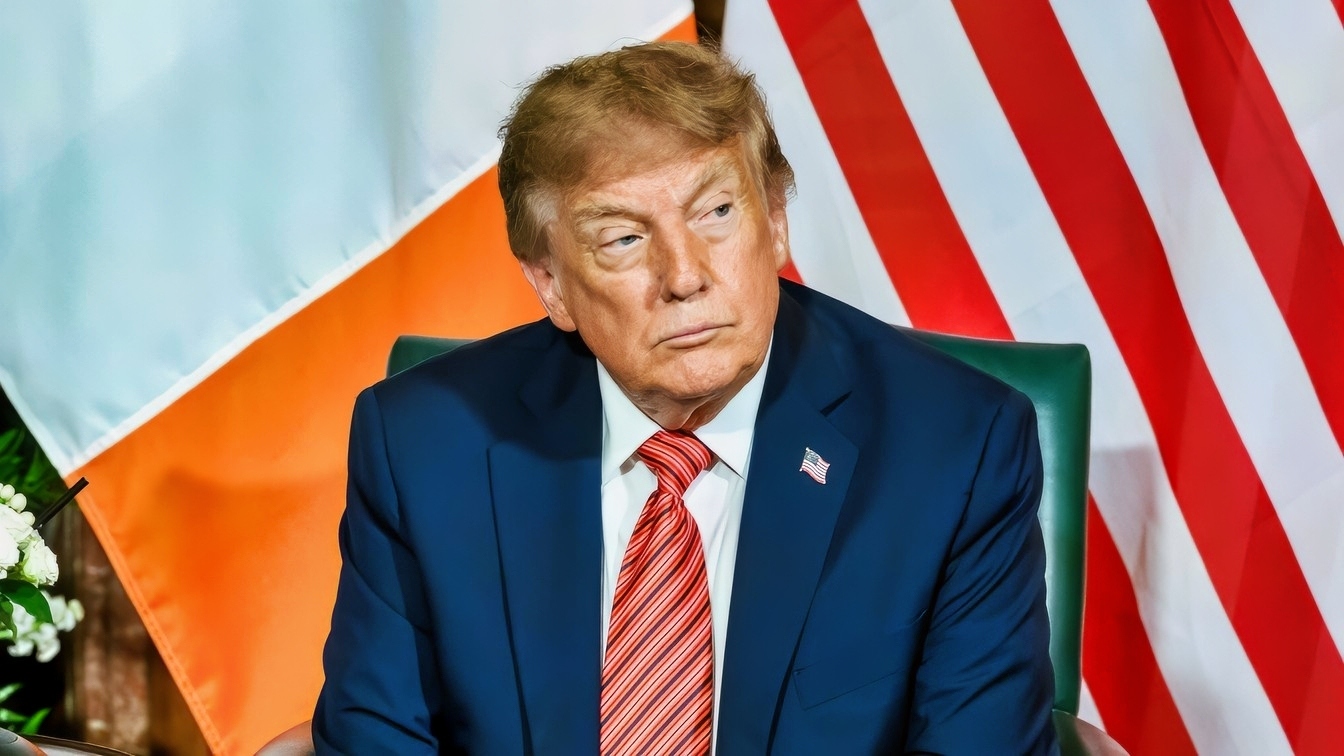
President Donald J. Trump participates in a courtesy call with Taoiseach Michael Martin at Farmleigh House, the official Irish state guest house, Saturday, September 12, 2026, in Dublin. (Official White House Photo by Daniel Torok)
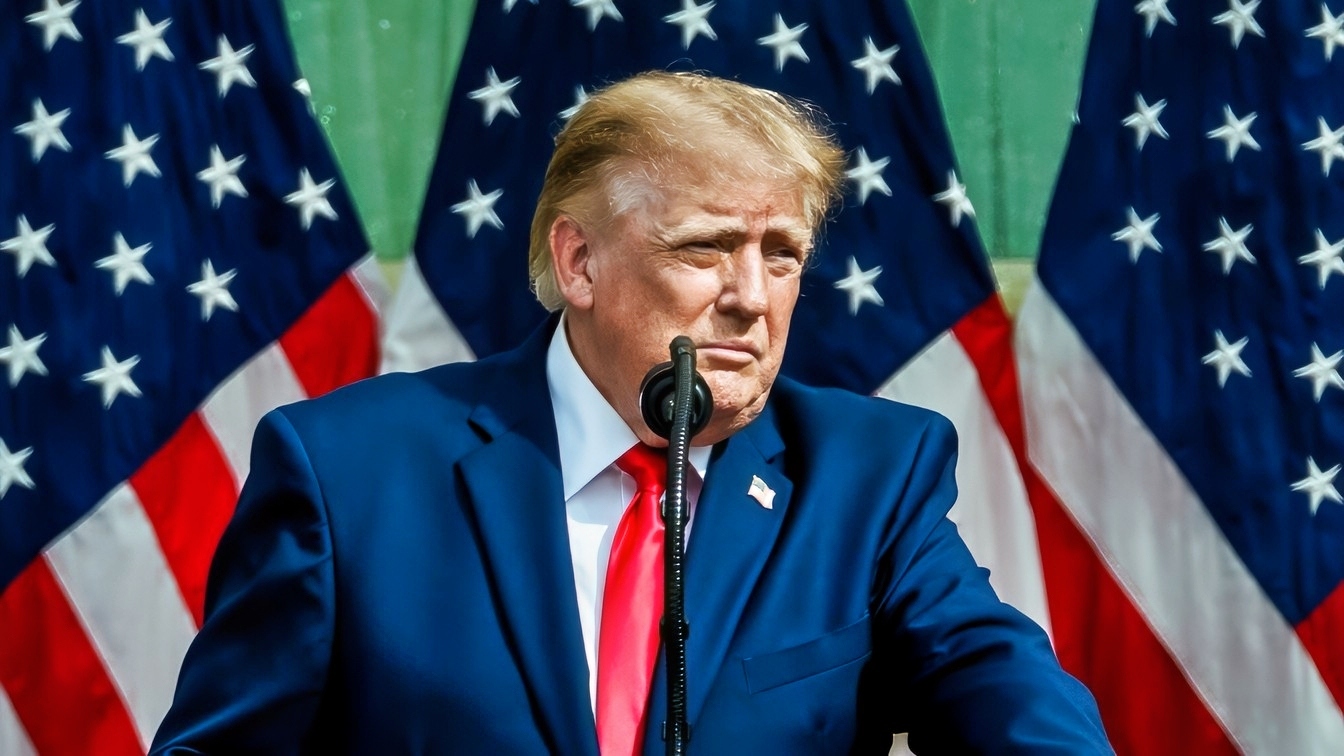
President Donald J. Trump and First Lady Melania Trump attend a ceremony at the Pentagon in observance of the 25th anniversary of the 9/11 terror attacks, Friday, September 11, 2026. (Official White House Photo by Molly Riley)
The House, if opinion polls are correct, is set to be a gain for the Democrats too, with the full 435 seats up for grabs, leaving both chambers under Democrat control for the final two years of Trump’s presidential career.
Voter frustration over the cost of living and the Iran war has put Republican candidates under pressure, while the president’s interventions have shaped who must defend the party’s record.
Ohio’s Unexpected Special Election
Trump’s selection of J.D. Vance as his running mate created an additional Senate contest in Ohio. Vance resigned in January 2025, and state law required a special election to be held alongside the November 2026 midterms.
Governor Mike DeWine appointed Jon Husted to the vacancy, and he now faces former Democratic senator Sherrod Brown.
The winner will serve the final two years of what would have been Vance’s full term.
Despite Trump comfortably winning Ohio by approximately 11 percentage points two years ago, the state has become a battleground.
A Suffolk University and USA Today poll released Wednesday, October 28, found Brown leading his Republican rival by three percentage points among likely voters—within the survey’s margin of error of +/- 4.4 percentage points.
Brown has focused on household costs, linking the Iran war to gasoline prices and attacking Husted’s support for data centers.
Husted said in September that the war needed to end quickly to bring fuel prices down.
The battle had cost the Republican Party and its associated groups almost $270 million in ad spending as of Monday, October 19.
Trump’s decision to select Vance as his running mate may cost the GOP its seat, too.
Presidential Endorsements
Trump’s public disputes with Republican lawmakers have also played a role.
In North Carolina, Sen. Thom Tillis announced his retirement in June 2025 after opposing the president’s tax-and-spending legislation and drawing threats of a primary challenge.
Trump subsequently backed former Republican National Committee Chairman Michael Whatley to replace Tillis, who had served as a senator since 2015.
Whatley’s campaign has struggled, with an ECU poll released on Sunday, November 1, giving former Democratic Governor Roy Cooper a nine-percentage-point lead.
Texas tells a similar story.
Trump endorsed Attorney General Ken Paxton over Sen. John Cornyn in the Republican runoff, favoring a loyal conservative challenger over a longstanding incumbent.
Some Republicans, according to Semafor, believe that the latter would be closer in the polls, with Paxton trailing Democratic Party candidate James Talarico in the traditional Republican stronghold.
South Carolina Concern
Not all the Republican seats up for election are due to Trump’s presidency.
In South Carolina, the death of Sen. Lindsey Graham in July led to his sister, Darline Graham, being appointed to the vacancy.
Trump backed Darline in the special primary runoff over Rep. Ralph Norman, and she now faces Democrat Annie Andrews in an unexpectedly competitive election.
The campaign has exposed questions about Graham’s experience and independence.
During their October debate, Andrews criticized her closeness to Trump, while Graham defended her qualifications and support for the administration.
South Carolina appears more favorable to the GOP than other emerging battlegrounds.
Yet it’s still considered a toss-up in a traditional GOP stronghold, and another example of presidential influence shaping an election.
An Unpopular President
Trump’s heavy influence is arguably the downfall of the candidates he has supported.
An October 26 Reuters/Ipsos poll put Trump’s approval rating at 32%, one point above the previous week’s record low.
A separate NPR/PBS News/Marist survey conducted October 19–20 gave Democrats a 52%–44% advantage among likely voters, with 44% of voters considering their vote retaliatory against the president.
Some Republicans argue that the president is the party’s best asset.
It’s theoretically a fair evaluation, given that Trump has won the presidential election twice and has been his party’s only presidential nominee since 2016.
However, Trump-approved candidates have appeared to suffer when Trump’s approval is as low as it ever has been.
If it costs the GOP the Senate, Trump’s endorsements could prove problematic for his final two years in the White House.
About the Author: Shay Bottomley
Shay Bottomley is a British journalist. He has written for the Western Standard, Business Insider, Maidenhead Advertiser, Slough Express, Windsor Express, Berkshire Live and Southend Echo.