

With the midterm elections now concluded, the stage is set for new strikes against Iran. It is unclear what fresh strikes could achieve, or which targets within Iran could be engaged. Options include Iranian underground nuclear infrastructure, buried within Pickaxe Mountain or at Natanz. Other possibilities include widening attacks on the country’s energy facilities—or perhaps again striking the country’s political or military leadership.
Though the conflict is not over, strikes against Iran have reduced to a low simmer in recent weeks, and American President Donald Trump repeatedly assured that no American strikes against Iran would occur before the American midterm elections — a move that appeared to be aimed at ensuring lower energy prices before the elections — but some strikes, described as limited in nature, have in fact already occurred.
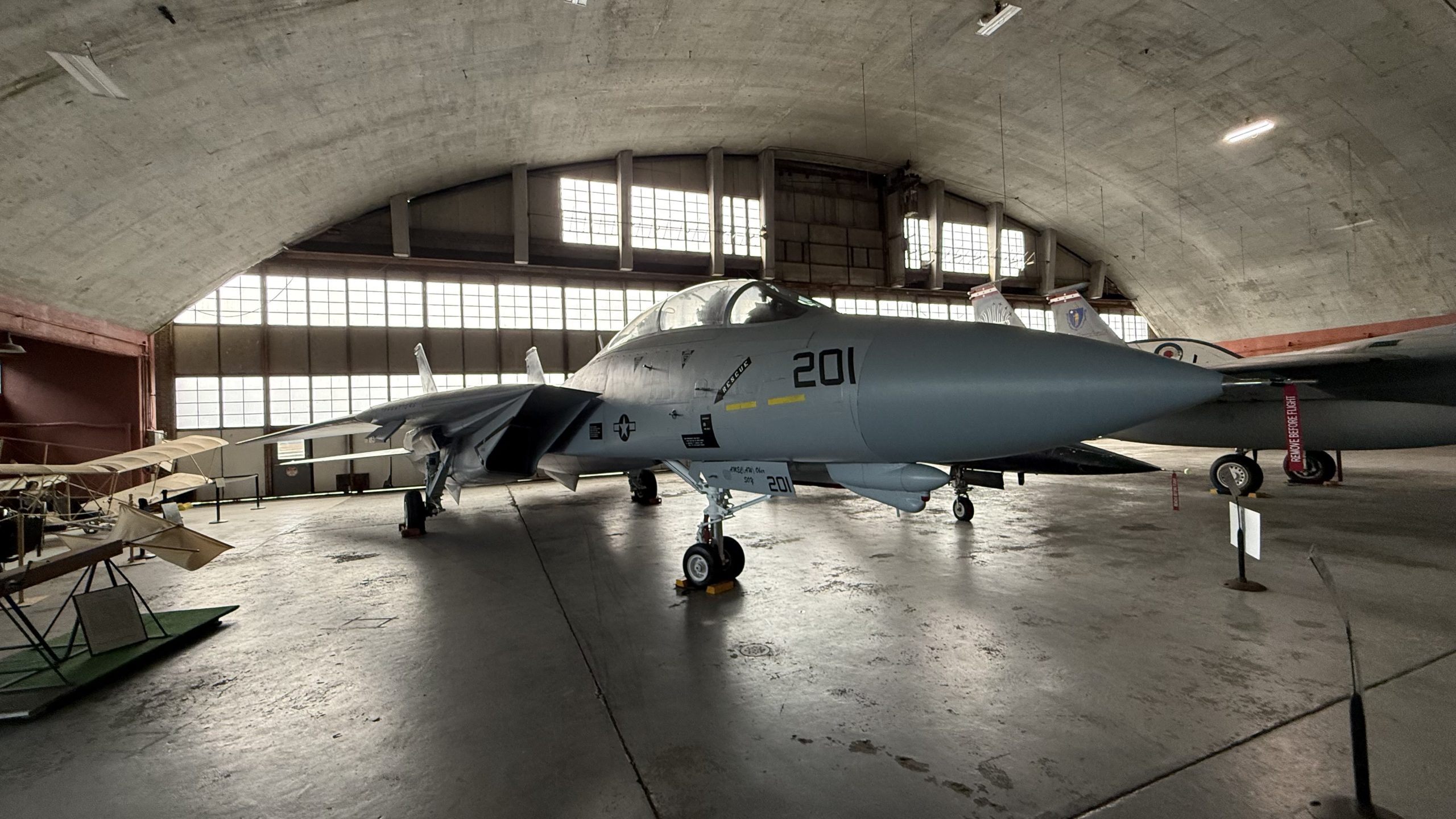
F-14 Tomcat like flown by Iran. 19FortyFive.com photo taken by staff.

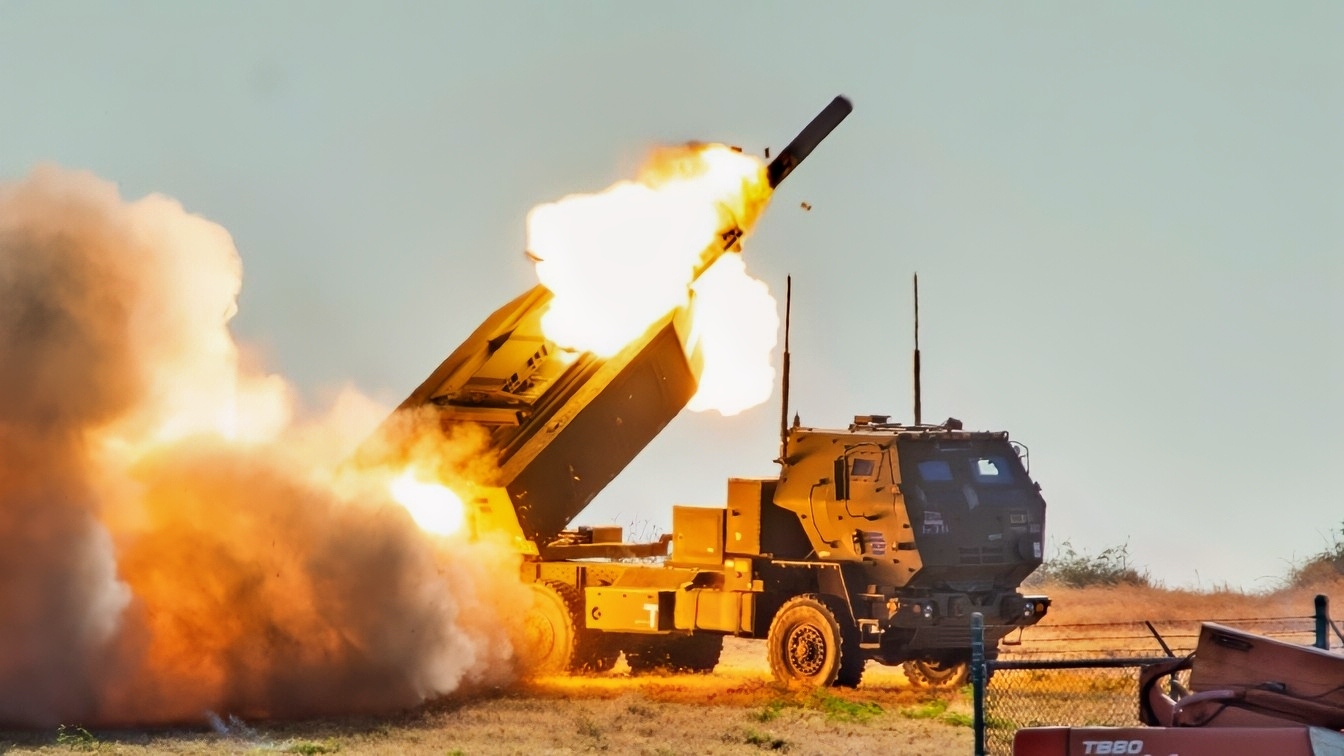
Iran Missiles. Image Credit: Creative Commons.
Strikes on Iran in the Strait of Hormuz
Reporting by The Wall Street Journal earlier this week revealed that, despite the president’s assurances that strikes against Iran would not happen before the midterm elections, the United States had in fact launched several strikes against the Iranian regime’s forces.
Speaking in front of the Reflecting Pool in Washington, the president downplayed the previous rounds of fighting against Iran. “We had a war with Iran. We won,” President Trump said. “I don’t know if you even call it a war because we haven’t been doing any fighting for months.”
But in reality, the United States had indeed been launching strikes against Iran for some time, with at least some air strikes against Iran’s Qeshm Island, located within the Strait of Hormuz. American officials characterized the strikes as defensive in nature, aimed at anti-aircraft platforms that had fired on American warplanes. Other strikes were seemingly to eliminate Iran’s ability to target ships attempting to pass through the Strait of Hormuz en route to the wider world.
Potential Targets?
One possible target for renewed strikes against Iran is the country’s oil-refining capacity. Earlier in the war, President Trump made clear to Israel that Iran’s refining capacity should remain largely intact, a strategy that would have made Iran’s post-war recovery smoother. Instead of Iranian refining facilities, the United States and Israel chose to target the country’s capacity to ship oil from the Persian Gulf to customers abroad, a measure that helped strangle the country’s economy, which depends heavily on fuel sales and exports. Given the relative dearth of strikes against Iranian refining, a long target could be set and struck should large-scale strikes resume.
Iran’s Options
But despite the losses it has absorbed, Iran could still retain options. Data centers in the region, an important potential driver of economic growth and diversification away from the Middle East’s energy-reliant economies, could fall within Iranian crosshairs.
Speaking to Euronews, Ahmad Bakhshayesh Ardestani, a member of the Iranian parliament’s security committee, was unequivocal: Tehran has the capacity—and the willingness—to strike “the heart of Europe.”
“If America uses its bases in Europe, including in Italy and Germany, Iran’s missiles will be fired towards Europe,” he said. “In the two previous wars we did not do this, but this time we will not let Europe’s assistance to America for an attack on Iran go without consequence,” Ardestani also said.
But Iran has already struck significant blows against one of its arch-rivals in the region, even if those strikes were not as explosive as they may have seemed. Multiple Iranian-backed Houthi strikes against Saudi Arabia’s largest international airport in Riyadh shattered the carefully cultivated sense of security in that country.
Often portraying itself as a bastion of peace in a region long wracked by violence, Saudi Arabia relies heavily on tourism and visitors transiting onward to further destinations. The strikes on the airport, which killed and injured dozens, have effectively shuttered Saudi airspace in what is a significant blow to Riyadh.
But the strikes also jeopardize Crown Prince Mohammed bin Salman’s Saudi Vision 2030, his plan to transform the Saudi economy to one less wholly reliant on the export of fossil fuels and pivot to other forms of energy, including potentially renewables and nuclear energy, which could be particularly useful for powering the data centers that artificial intelligence will require in the near future.
Unclear Way Forward
Speaking to the Financial Times, a British print newspaper, the president said that the situation was positive. “We seem to be getting everything we want,” he explained. But when pressed on whether fighting would resume, he said it could be possible. “I’m ready, we’re ready. We’re locked and loaded if we need to go, but there may be no reason for it.”
About the Author: Caleb Larson
Caleb Larson is an American multiformat journalist based in Berlin, Germany. His work covers the intersection of conflict and society, focusing on American foreign policy and European security. He has reported from Germany, Russia, and the United States. Most recently, he covered the war in Ukraine, reporting extensively on the shifting battle lines in the Donbas and the war’s civilian and humanitarian toll. Previously, he worked as a Defense Reporter for POLITICO Europe. You can follow his latest work on X.


