

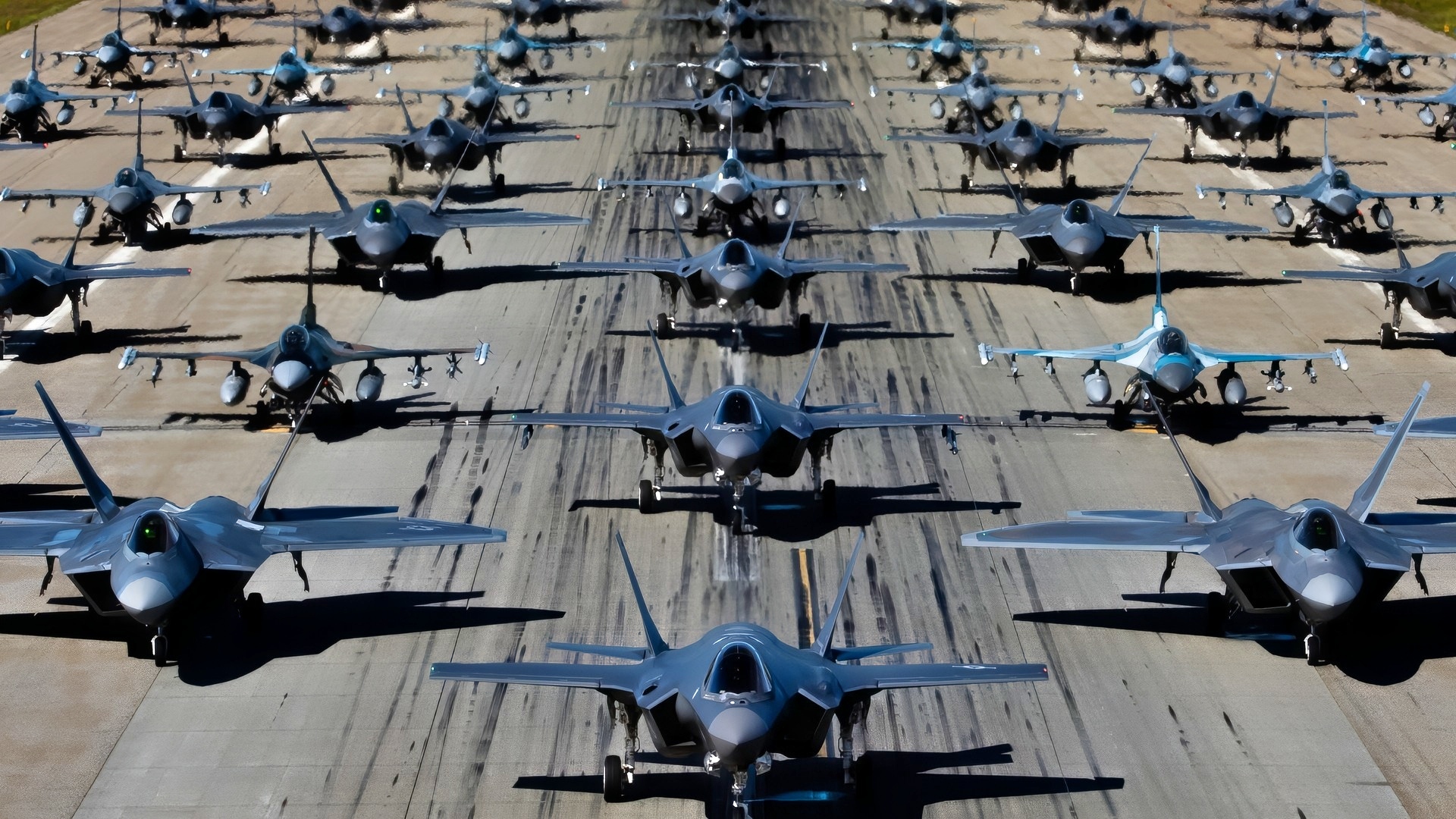
Key Points and Summary – The Air Force has approved a $240.9 million second production batch of Norway’s Joint Strike Missile, giving the F-35A a stealthy, internal standoff weapon for ships and land targets.
-Built by Kongsberg, the deal includes missiles, containers, and support equipment, with work in Norway slated to run through November 2028.

U.S. Air Force Maj. Melanie “Mach” Kluesner, the pilot for the F-35A Demonstration Team, performs aerial maneuvers in a USAF F-35A Lightning II during the practice day before the airshow at Jacksonville Naval Air Station, Florida, on 18 October, 2024. The practice day ensures that the team is able to safely and properly display the power, agility, and lethality of America’s 5th generation fighter jet. (U.S. Air Force photo by Senior Airman Nicholas Rupiper)
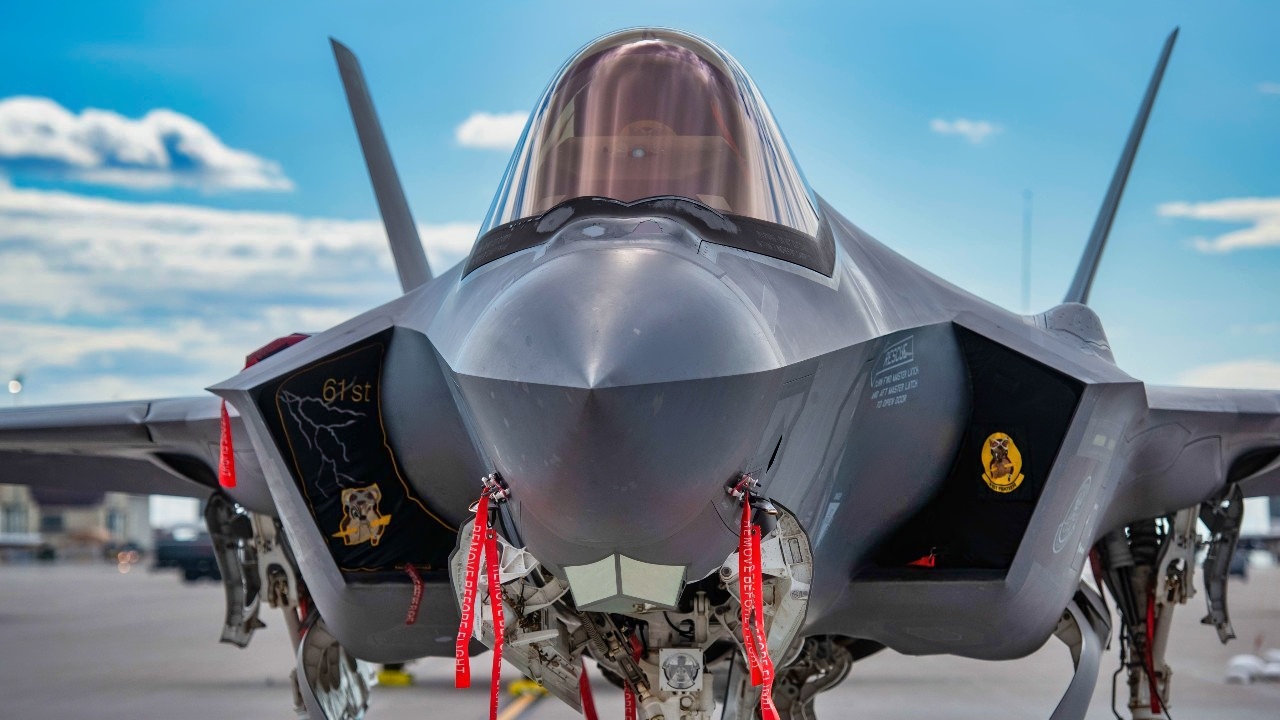
A U.S. Air Force F-35A Lightning II prepares for takeoff at Mountain Home Air Force Base, Idaho, September 22, 2022. The F-35 squadron from Luke Air Force Base, AZ used Mountain Home AFB for the terrain and airspace in order to practice simulated combat scenarios. (U.S. Air Force photo by Senior Airman Cheyenne Bassham)
-Derived from the Naval Strike Missile, JSM uses GPS/INS navigation and an imaging-infrared seeker to fly low and autonomously in defended airspace, with a range above 500 km.
-Testing with U.S. F-35As is expected next year, alongside allied buys.
US Orders Long-Range Missiles from Norway for F-35
The U.S. Air Force has greenlit a $240.9 million order for the second-ever production batch of the Joint Strike Missile.
The contract, announced on December 12, has been handed to Norway’s Kongsberg Defence & Aerospace and concerns what the Air Force calls “Lot Two” of the missile.
It is a firm-fixed-price, sole-source deal that includes not just the missiles themselves, but containers, test equipment, and other support items needed to bring the weapon into service.
The missiles will be manufactured in Norway, with plans to have the order completed by November 2028.
Funding will be spread over two fiscal years. Some $138 million will come out of the 2024 procurement budget, with the remaining $103 million coming from 2025 funds.
The aim of the Joint Strike Missile is to fix one of the F-35’s key flaws. While the aircraft is highly survivable, its internal weapons bay limits the size and type of munitions it can carry if it is to remain stealthy. The JSM is compact enough to fit inside the bay, while still offering a stand-off strike option against both ships and land targets.
The air-launched version based on Kongsberg’s state-of-the-art Naval Strike Missile deploys a combination of inertial navigation, GPS and infrared imaging. The missiles are designed to fly autonomously, at low altitudes in defended airspace. The missiles can travel over 500 kilometres, depending on the launch method.
For the Air Force, the appeal is straightforward. Carrying the missile internally allows F-35s to strike from a distance without dangerously advertising their presence by hanging large weapons under the wings.
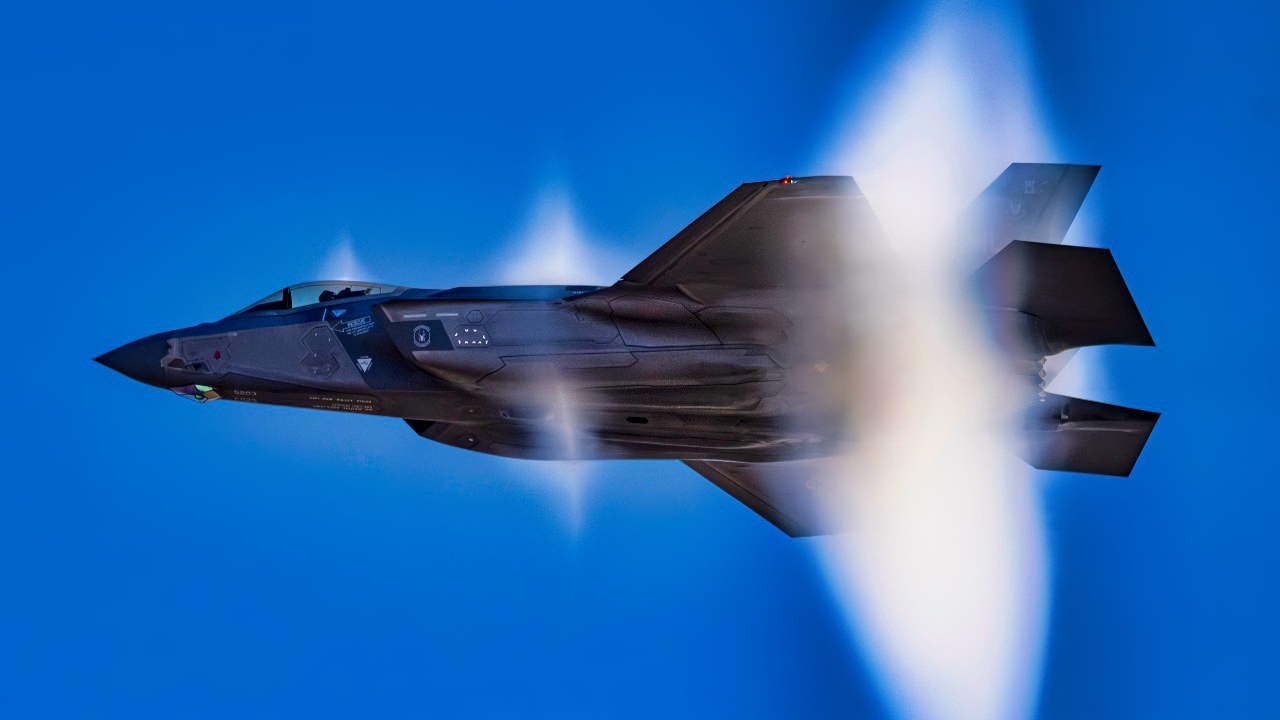
U.S. Air Force Maj. Melanie “Mach” Kluesner, pilot for the F-35A Lightning II Demonstration Team, executes precision aerial maneuvers during a practice airshow at Hill Air Force Base, Utah, Dec. 5, 2024. The practice session helps ensure the team maintains peak performance and readiness during the off-season. (U.S. Air Force photo by Senior Airman Nicholas Rupiper)

A U.S. Air Force F-35A Lightning II assigned to the 355th Fighter Squadron receives fuel from a KC-135 Stratotanker assigned to the 909th Air Refueling Squadron during a bilateral air exercise with Japan Air Self-Defense Force fighters over the Pacific Ocean, April 14, 2023. Bilateral operations exemplify the U.S. and Japan alliance’s ability to quickly and decisively respond to threats within the Indo-Pacific region. (U.S. Air Force photo by Senior Airman Jessi Roth)
Operationally testing with the missiles and the F-35As is anticipated to begin next year. A slew of U.S. allies that use F-35s, including Finland and Japan, have already agreed to purchase the newly commissioned weapons.
By Pentagon standards, this is a small contract, but its broader signal is much more significant. The U.S. is investing in fewer short-range strike capabilities and more in weapons that can covertly target threats further afield.
Rising tensions with Russia likely feature in the strategy behind these fresh contracts, as do Beijing’s war games in the South China Sea.
Just last week, NATO Chief Mark Rutte suggested that a direct confrontation with Moscow could be in store before 2030.
If one thing is clear, it is that NATO and its allies are likely to enter the 2030s with more, rather than less, danger of war on the horizon.
About the Author: Georgia Gilholy
Georgia Gilholy is a journalist based in the United Kingdom who has been published in Newsweek, The Times of Israel, and the Spectator. Gilholy writes about international politics, culture, and education. You can follow her on X: @llggeorgia.


