

Oil prices are rising again after the U.S. rejected Iran’s latest proposal to open the Strait of Hormuz.
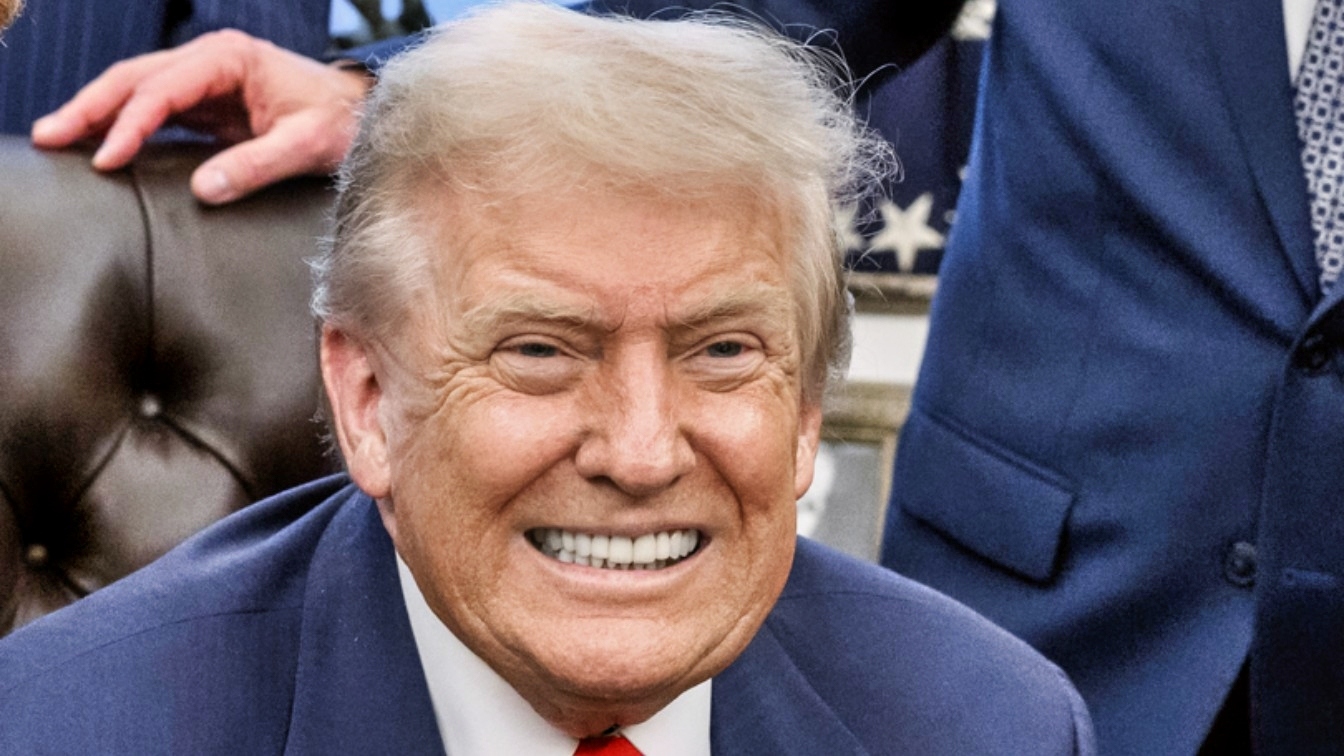
“I reject their proposal…I rejected their deal,” President Donald Trump said on Saturday, claiming that the Islamic Republic was only proposing an agreement because “they’re losing so badly.”
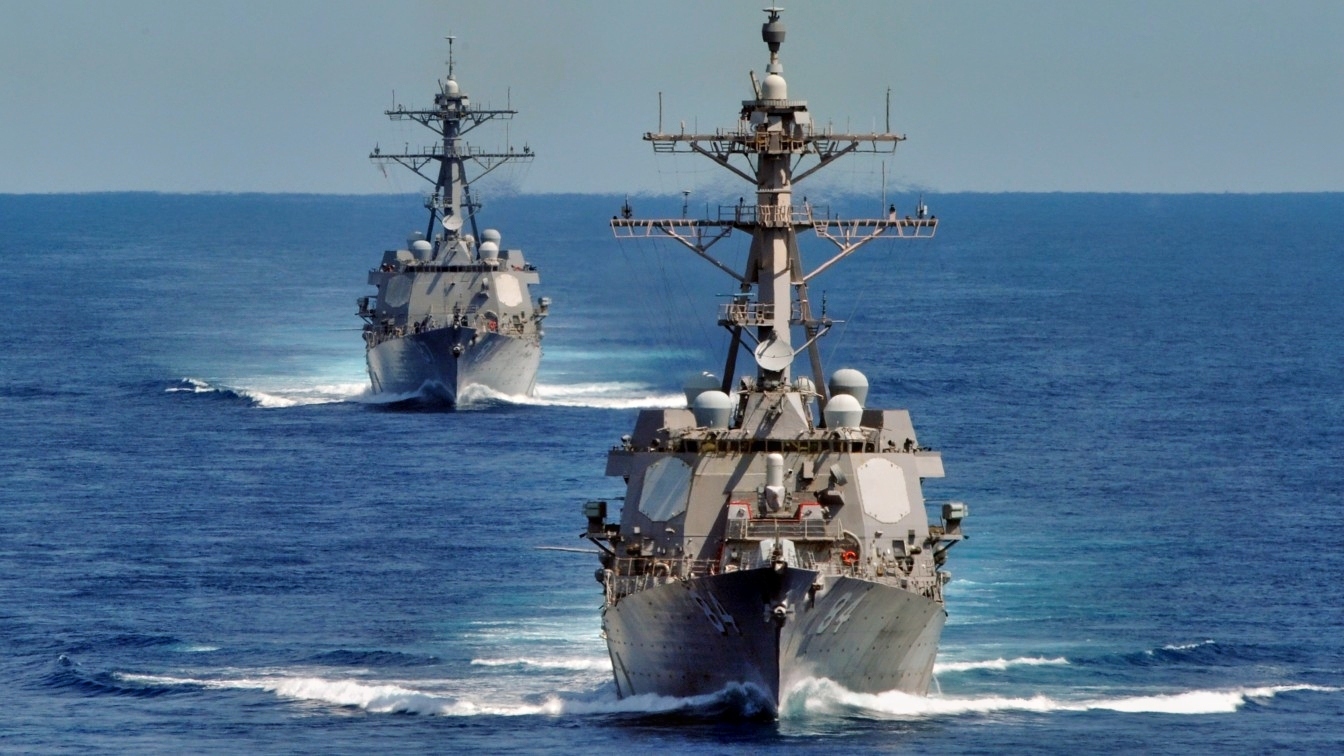
The Arleigh Burke-class guided-missile destroyers USS Bulkeley, right, and USS Mason participate in a strait transit exercise. Bulkeley and Mason are part of the Enterprise Carrier Strike Group and are conducting work-ups and flight operations in preparation for an upcoming deployment. (U.S. Navy photo by Seaman Jared M. King)
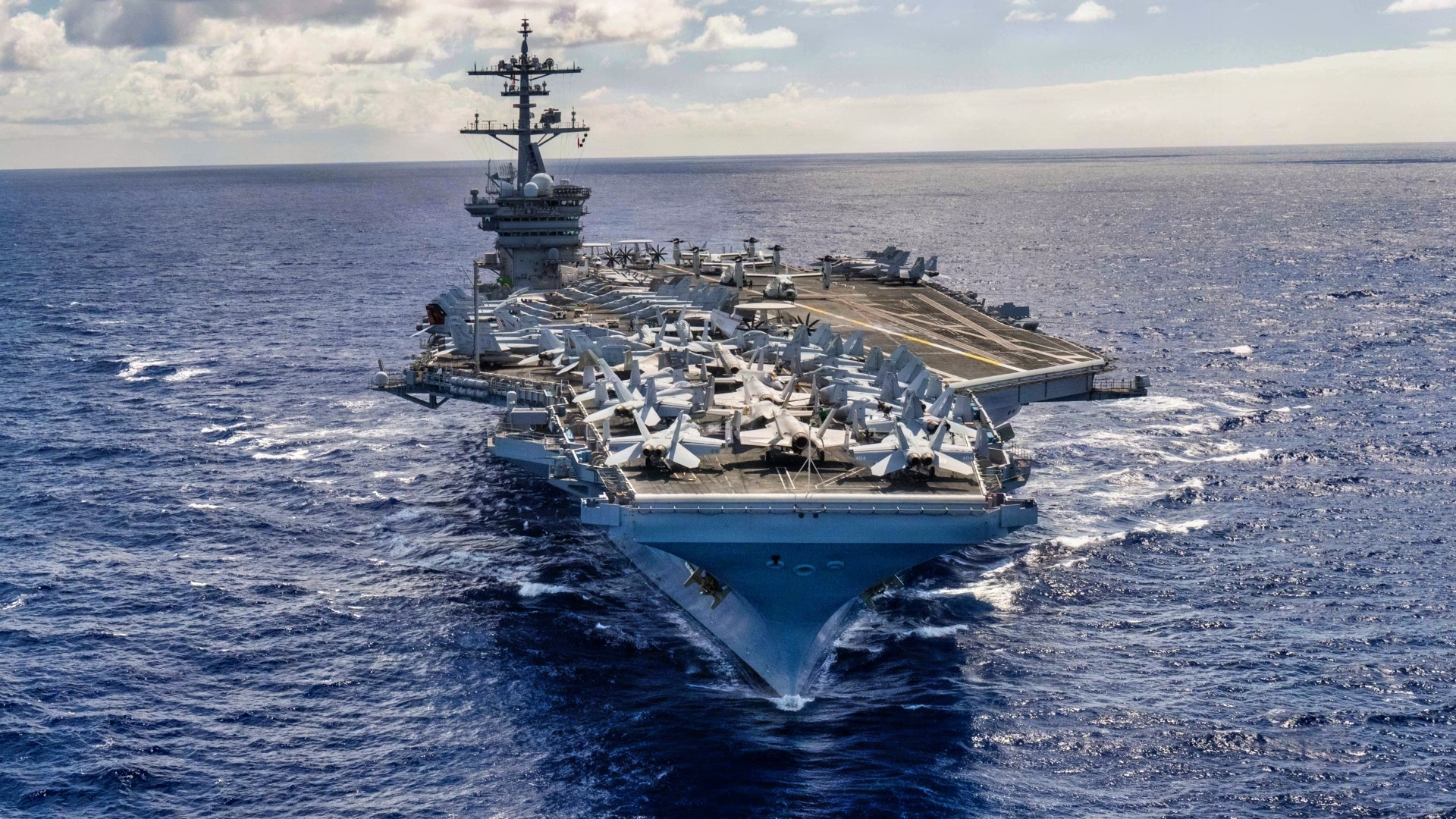
PACIFIC OCEAN (June 22, 2026) –The Nimitz-class aircraft carrier USS Theodore Roosevelt (CVN 71), transits the Pacific Ocean, June 22, 2026. Theodore Roosevelt, flagship of Carrier Strike Group (CSG) 9, is underway conducting exercises to bolster strike group readiness and capability in the U.S. 3rd Fleet area of operations. (U.S. Navy photo by Mass Communication Specialist 3rd Class Aaron Haro Gonzalez)
Under the offer, the Americans would have the first four or five days to take action, the Strait of Hormuz would reopen on day six, and then negotiations on a broader agreement would begin on day seven.
“If there is seriousness on the U.S. side to come to a deal and reopen the Strait of Hormuz, everything is now prepared,” Araghchi said to reporters at the U.N.
Trump: More Talks Are Coming
President Trump’s rejection of the offer does not end the negotiations, as he explained in a phone call with Axios on Sunday.
“I expect more talks with Iran [this week]. They want to make a deal, but it is not the deal that I want to make,” he said.
“It is what we would have maybe agreed to a year ago,” he added, complaining that Iran “overplayed their hand.”
When asked if another attack on Iran was still an option, Trump responded, “I am always thinking about it.” Axios reported that Qatari mediators continued their shuttle diplomacy over the weekend and were set to meet the American and Iranian delegations separately, as soon as Monday.
“We have heard the first reaction from the U.S. president, but nothing has yet been conveyed to us by the mediators,” said Araghchi, quoting Iranian state media.
The Trump administration has complained that Iran’s offer contained too many demands, including the lifting of sanctions and unfreezing of Iranian assets before negotiations began on a broader agreement.
“The Iranians were asking for everything up front with a promise that they would then talk,” said U.S. Ambassador to the United Nations Mike Waltz on CNN’s State of the Union.
He said President Trump was “not confident that the Iranians are coming in good faith” or that they would negotiate an end to their nuclear program.
President Masoud Pezeshkian of Iran has said that Tehran was willing to discuss its nuclear program, but rejected the U.S.’s demands.
“We are doing everything humanly possible, but not through bullying and coercion intended to force us into submission,” said Pezeshkian on CBS’s Face the Nation.
Iran’s military leadership has been just as aggressive.
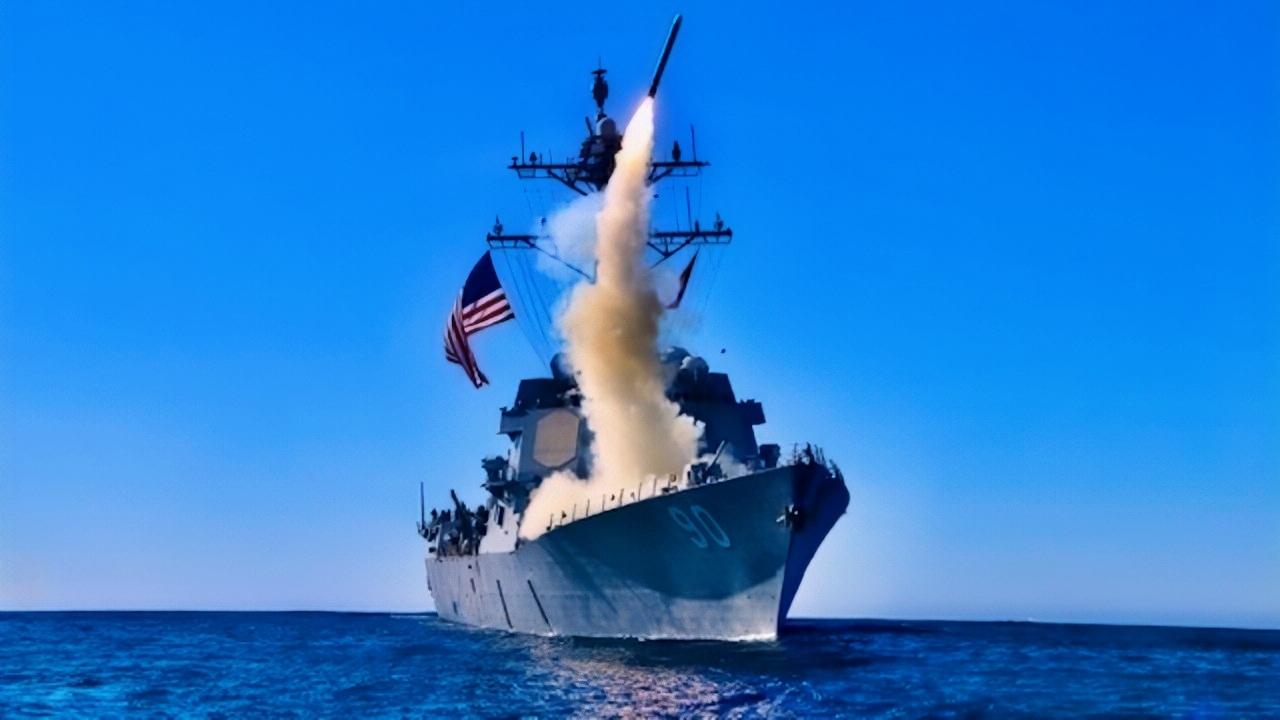
(Dec. 01, 2020) – The guided-missile destroyer USS Chafee (DDG 90) launches a Block V Tomahawk, the weapon’s newest variant, during a missile exercise. This event marked the first time a Block V Tomahawk missile was operationally tested, marking the Navy’s transition to a more advanced capability for the fleet. Block V includes an upgrade that will enhance navigation performance and provide robust and reliable communications. Chafee is currently assigned to Carrier Strike Group ONE and is homeported in Pearl Harbor. (U.S. Navy photo by Ens. Sean Ianno/Released)
Iranian Army Commander-in-Chief Amir Hatami said on Sunday that Iran would continue to use the Strait of Hormuz as leverage: “If Iran cannot trade, if Iran cannot live, no one will be able to trade or live.
“The Strait of Hormuz is the strait of our dignity and honor, and it will not be allowed for the country’s enemies to use this major logistical chokepoint while the Iranian people are deprived,” said Amir Hatami, according to Iranian state media.
Operation Economic Outcast
“Operation Economic Outcast has caused the rial to hit record lows. We will continue to degrade the Iranian regime’s ability to fund terrorism and develop a nuclear weapon,” U.S. Treasury Secretary Scott Bessent tweeted on Monday.
The tightening campaign has seen Turkey and Oman suspend incoming flights by Mahan Air, according to Bessent, while the United Arab Emirates (UAE) has barred Iranian airlines from operating there.
The central bank of the UAE has also blocked Iran-related transactions for Bank Melli, while Turkey has de-licensed Iran’s Bank Mellat.
Meanwhile, Oman has called on Washington and Tehran to “settle their outstanding disputes, through pursuing a policy of self-restraint and far-sightedness and engaging in dialogue, to reach consensual political solutions and sustainable understandings for the benefit of all.”
Prices Rise, But So Do Exports
Following Trump’s rejection of Iran’s demands, Brent crude futures rose by 2.86 percent to $107.30 a barrel by 12:06 GMT on Monday. Meanwhile, West Texas Intermediate jumped 3.04% to $95.22.
Kpler’s preliminary figures suggest that crude exports from seven major Middle East producers hit 12.8 million barrels a day so far this month. These are the highest numbers since February. Of that amount, 7.4 million bpd were set to pass through the Strait of Hormuz this month.
Kpler figures also show that exports from the Persian Gulf remain around six million barrels per day below pre-war levels.
Prior to the war, the Strait of Hormuz typically saw around 125 large commercial ships passing through it every day, carrying roughly 20 percent of global crude-oil and LNG supply
About the Author: Georgia Gilholy
Georgia Gilholy is a journalist based in the United Kingdom who has been published in Newsweek, The Times of Israel, and the Spectator. Gilholy writes about international politics, culture, and education.


