

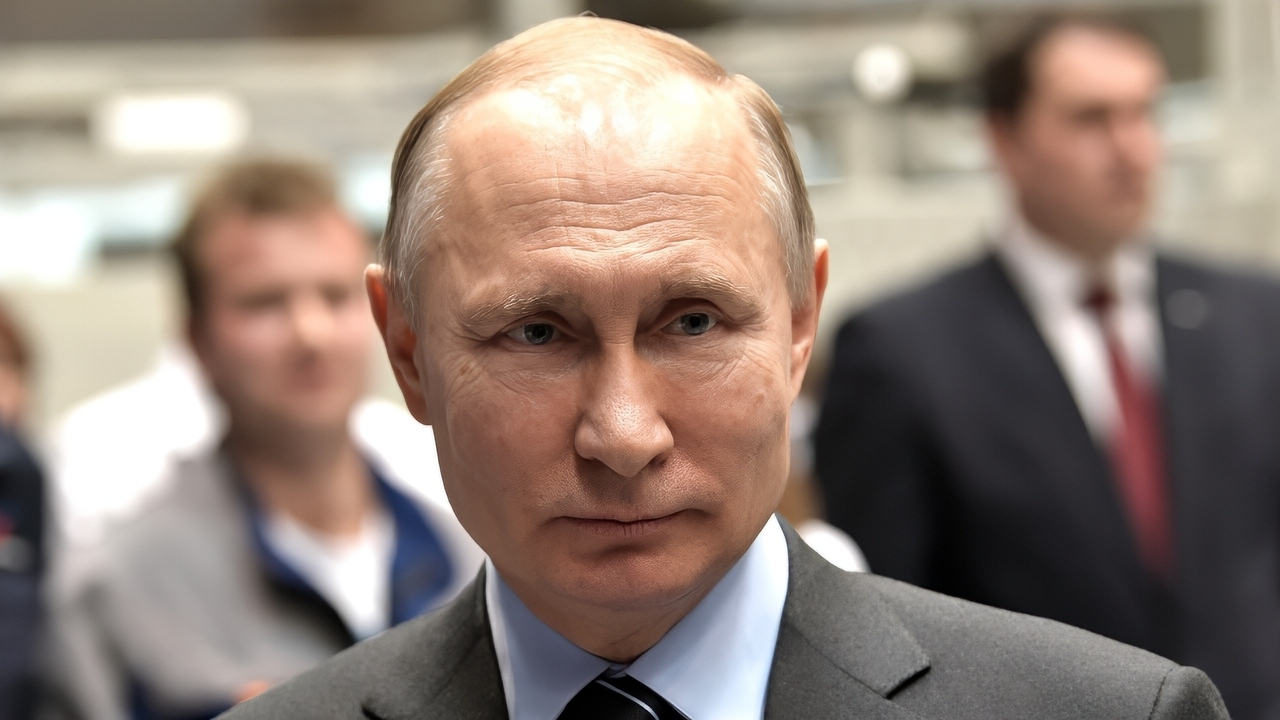
Warsaw, Poland – Between now and the last time Russian President Vladimir Putin and the People’s Republic of China (PRC) Communist Party (CCP) General Secretary Xi Jinping met, developments have not moved in a direction that favors Moscow’s position and national interests.
The question is what the former KGB Lt. Col. will ask for in the way of assistance when the two sit down to speak to one another today in the Kyrgyz capital, Bishkek. The occasion is the annual meeting of the Shanghai Cooperation Treaty Organization (SCTO).
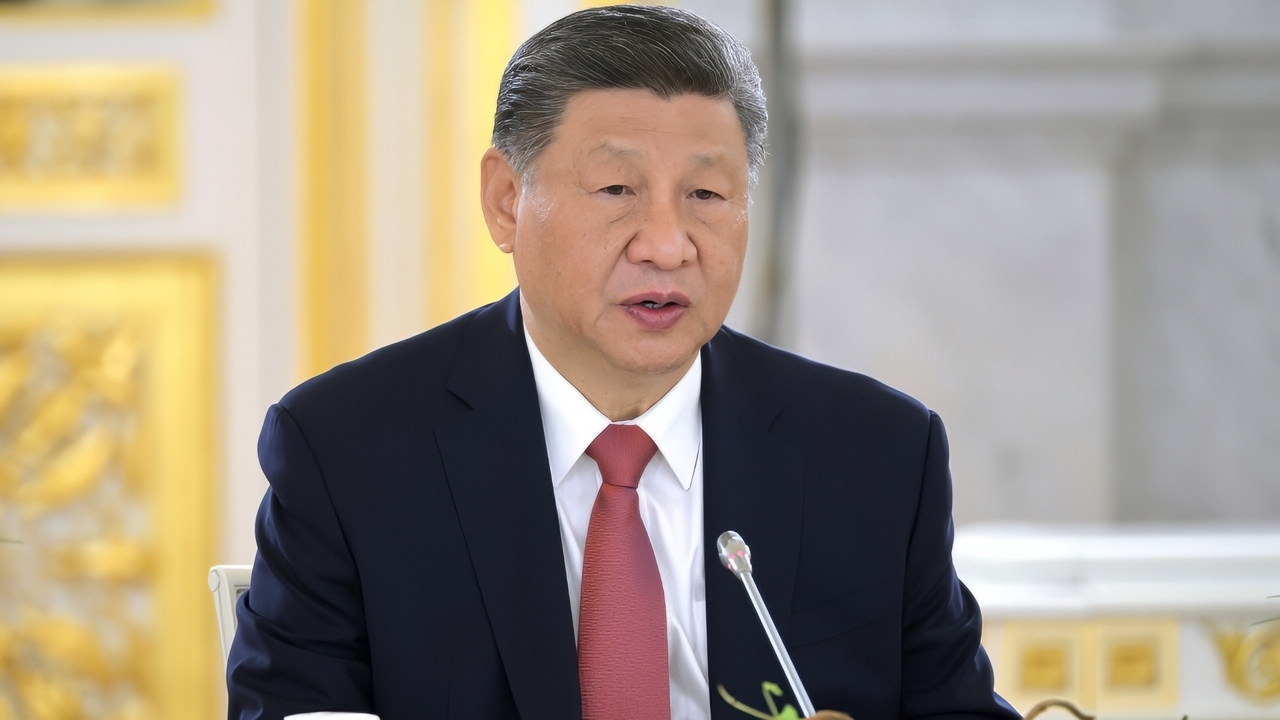
China’s Xi Jinping. Image Credit: Creative Commons.
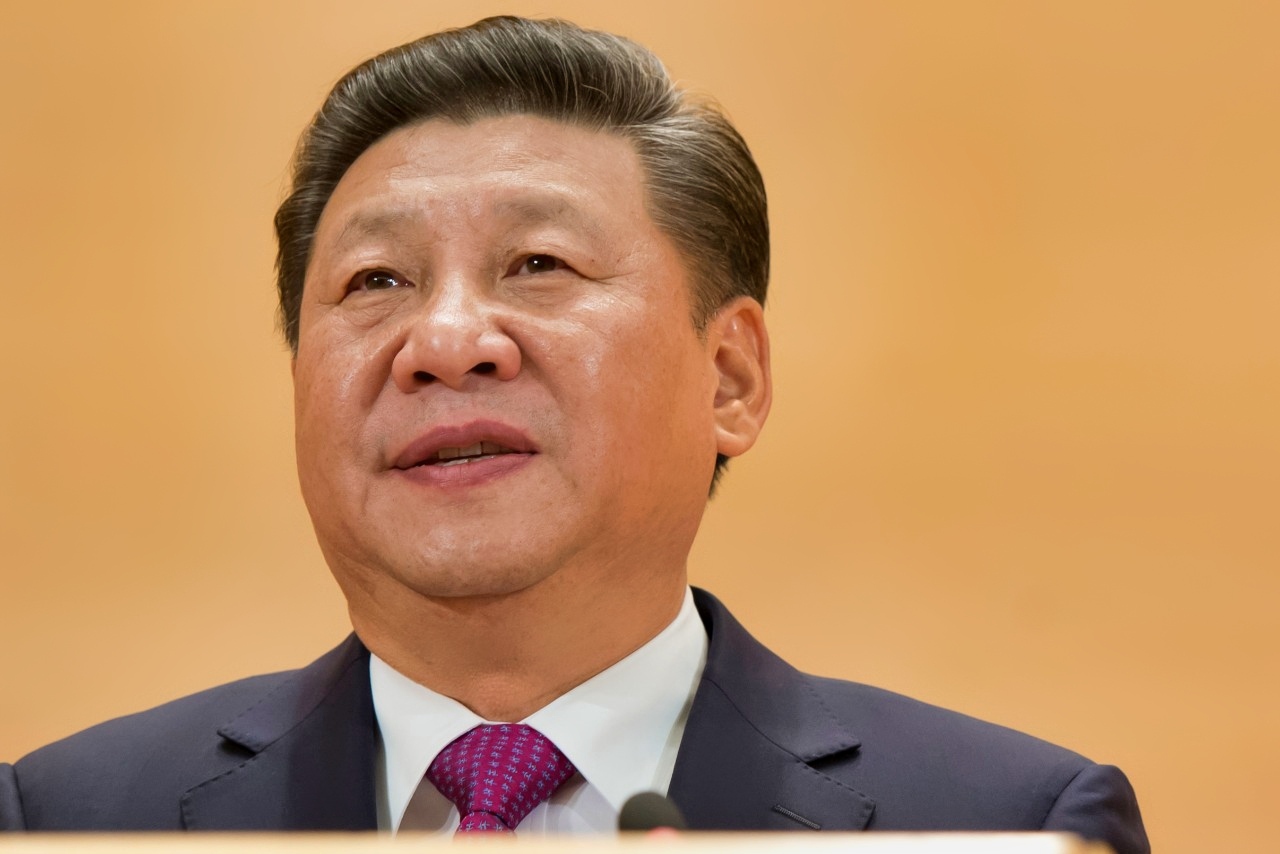
Xi Jinping President of the People’s Republic of China speak’s at a United Nations Office at Geneva. 18 january 2017. UN Photo / Jean-Marc Ferré
This is a 10-nation grouping created as an alliance of Russia, China, and other associated nations — including Iran — that could serve as an analog and counterbalance to NATO. Officially, the main focus of the entity is on regional security, with one of the central issues at this year’s gathering being Iran and its situation in its war with the US and Israel.
Other than providing Tehran with some semblance of relief from its isolated (some would say pariah) status, one issue is how to assist the regime at a time when it is facing pressures on all fronts: military, economic, and internal instability. Xi will likely point to the continuously large purchases of oil that his nation makes from Iran as the PRC’s major contribution to that effort.
Those oil purchases have also become a weapon the PRC now uses to exert leverage in dealings with the West. Beijing is now the buyer for 89 percent of Iran’s exported oil.
Increasingly the Junior Partner
Putin last met with Xi in May 2026 in Beijing, the 25th such trip he has made to the PRC capital during what appears to be his lifetime presidency. Fourteen of these trips have been made since Xi took power in 2013. However, over time, Russia has progressively slipped into the role of the junior partner between the two. Some would say that it is more junior with each passing day.
During this May 2026 visit, he was anxiously trying to finalize a deal that would secure a financial lifeline from the PRC as his war effort in Ukraine continued to sputter. The hoped-for relief never materialized as the two nations failed to reach an agreement on the Power of Siberia 2 gas pipeline deal.
At the time, this was seen as a major setback for Moscow, which is today even more in need of export revenue to keep the Russian war machine running than it was three months ago.
“This is a huge setback for Russia and Putin, who hinted before the visit that a breakthrough was in the works,” Lyle Morris, senior fellow on Chinese national security and foreign policy at Asia Society Policy Institute, told CNBC at the time. Xi, as he explained, is likely “playing hardball at a time when Russia has lost some leverage with the European Union shutting off certain gas flows from Moscow. There is no way to sugarcoat it: Putin was embarrassed by the failure to agree to the pipeline,” Morris said.
What is now on full display is the extent to which Russia has become increasingly beholden to the PRC. Since Russia’s full-scale invasion of Ukraine in February 2022, the country has become so dependent on imports of Chinese-made goods that its economy is now described as being “hostage” to PRC manufacturers for millions of everyday items.
Can Xi Exert Enough Pressure
The great hope has been that, with Moscow now so dependent on its ties with Beijing,, this would give Xi the ability to pressure Putin to end the hostilities. Already, the PRC has warned Russia more than once not to even consider using a nuclear weapon against Ukraine and has encouraged Putin to try and come to a peaceful resolution.
The PRC’s potential ability to restrain Putin is not insignificant. Earlier this year, the head of the US Indo-Pacific Command, Admiral Samuel Paparo, told the US Senate Armed Services Committee the PRC has supplied Russia with 70 percent of the machine tools and 90 percent of its obsolete chips needed to restore Russia’s defense production capacity.
Kaja Kallas, the High Representative of the European Union for Foreign Affairs and Security Policy, singled out the PRC as “the main sponsor of Russian aggression.” She has also added that: “It is clear that China is the key enabler of Russia’s war. Without Chinese support, Russia wouldn’t be able to wage the war to the extent that they are. We know that 80 percent of dual-use goods are routed to Russia through China.”
Forensic dissection of drone system components and fragments of other weapon systems confirms her statements. According to Ukraine’s defense intelligence (HUR) service, the CRP antennas for the Geran-2 suicide drones contain only two American-made chips. The majority of these components, including transceivers, generators, and microchips, are manufactured in the PRC, with the main chip of the CRP antenna made by the Chinese company Beijing Microelectronics Technology Institute (BMTI).
The reality at this point is that if the PRC wants to, it can bring the Russian defense industrial base to its knees. But does Xi have the stamina — in addition to the will — to do so?
Xi In Trouble? What Some Experts Noticed
When he arrived in Bishkek on Sunday, Xi appeared pale, swollen and unsteady on his feet as he descended the stairs from the aircraft to the tarmac. He appeared to cling to his wife, Peng Liyuan, and required her physical support to maintain his balance. The even greater balancing act he has to master now is the one in which the increasing strains in relations with Russia, Iran, and the West intersect.
About the Author: Reuben F. Johnson
Reuben F. Johnson has thirty-six years of experience analyzing and reporting on foreign weapons systems, defense technologies, and international arms export policy. Johnson is the Director of Research at the Casimir Pulaski Foundation. He is also a survivor of the Russian invasion of Ukraine in February 2022. He worked for years in the American defense industry as a foreign technology analyst and later as a consultant for the U.S. Department of Defense, the Departments of the Navy and Air Force, and the governments of the United Kingdom and Australia. In 2022-2023, he won two awards in a row for his defense reporting. He holds a bachelor’s degree from DePauw University and a master’s degree from Miami University in Ohio, specializing in Soviet and Russian studies. He lives in Warsaw.


