

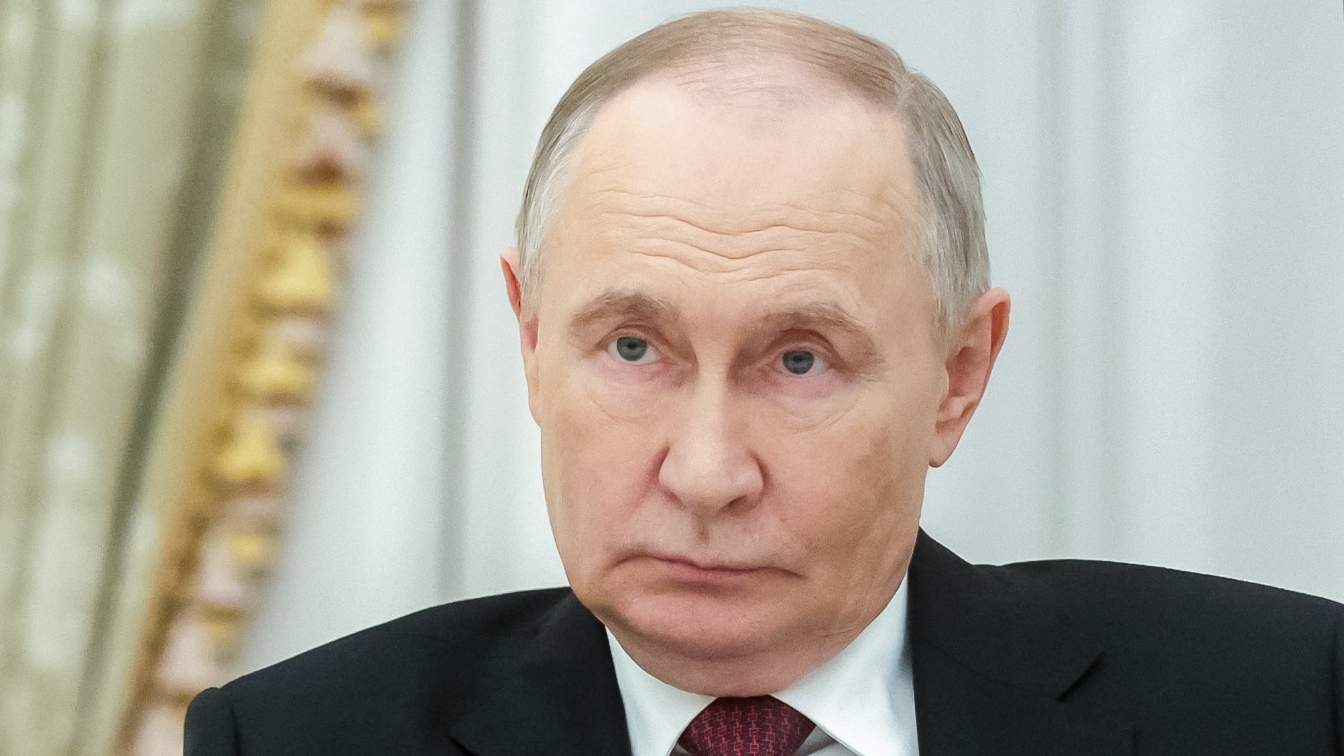
Russian losses in Ukraine have been staggering. According to some estimates, Russia has lost nearly 1.5 million men killed or wounded on the battlefields in Ukraine — more than in all conflicts Russia or the Soviet Union has fought in combined since the end of the Second World War. The Ukrainian General Staff says that September was the deadliest month of the war this year, with over 46,000 Russians killed or wounded. But despite the mind-numbingly enormous scope of the Kremlin’s losses, Russia keeps throwing troops into the field, even as the return on their combat performance, measured in territorial gains, grows increasingly low.
Ukraine’s Third Army Corps
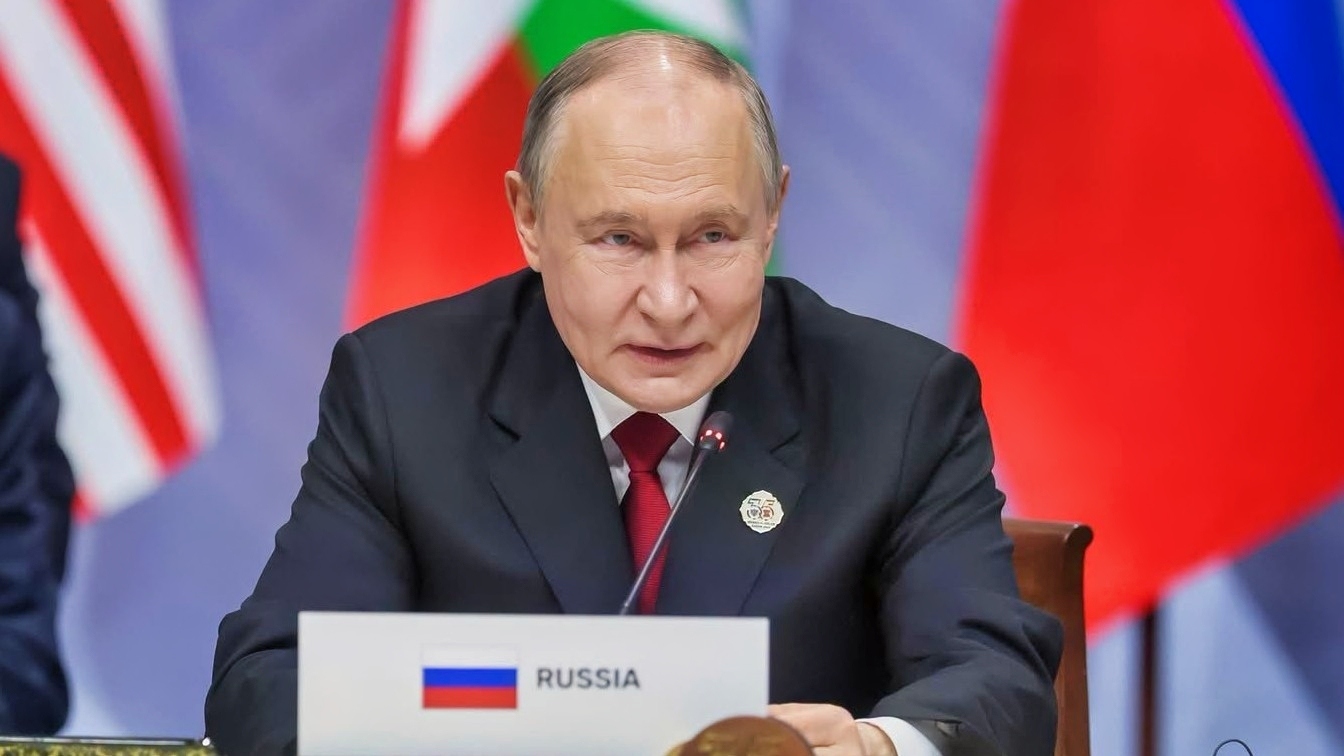
Putin at ASEAN Meeting June 2026 Russian Federation Handout Photo
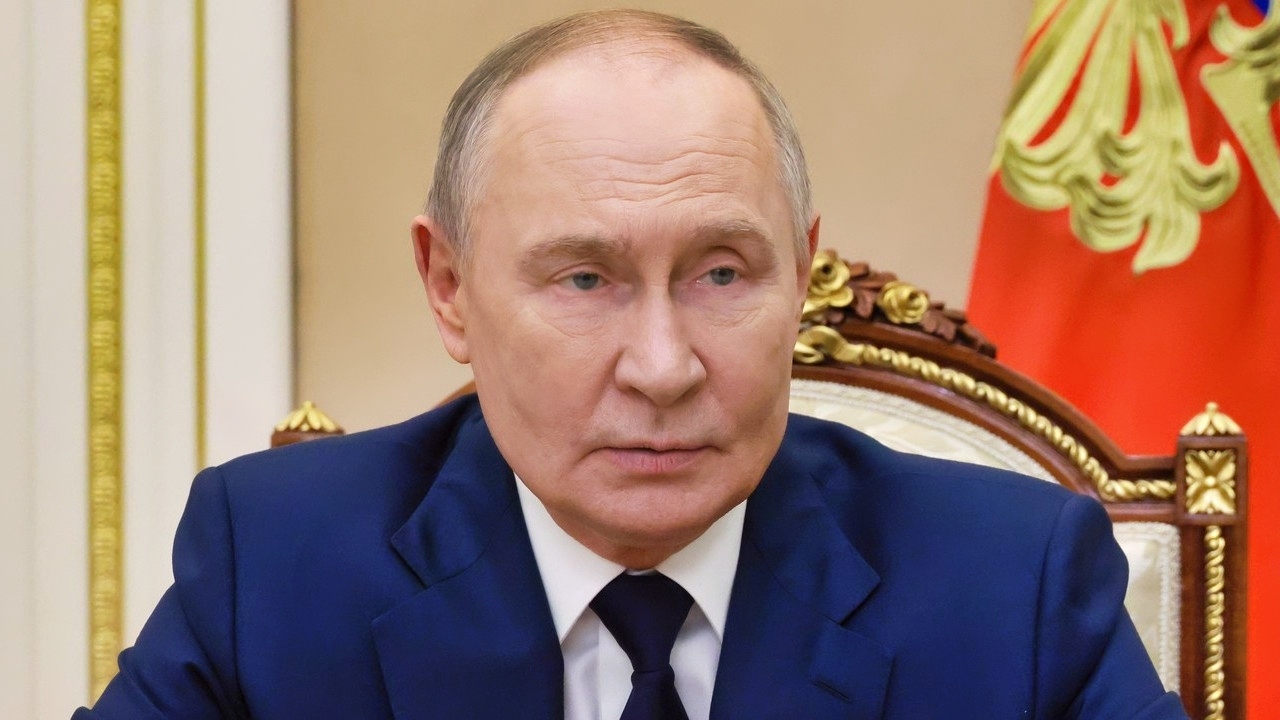
Putin in December 2025 Russian Federation Handout Image
Ukraine’s Third Army Corps has been particularly successful in stymying the Russian onslaught. Posting to X, formerly Twitter, the Third Army Corps explained the results of a Ukrainian counteroffensive in the east called Operation Vivaldi, which has decimated Russian advances and reclaimed modest territorial gains for Ukraine. “The main target… was Nove—a key enemy hub,” Third Army Corps explained. But the enemy was deceived.
“The enemy was convinced that the main direction of the strike was Shandryholove—Zelena Dolyna. This forced it to senselessly burn through its reserves in counterattacks precisely in that direction. The Russians missed the real strike, which was focused on capturing Nove,” Third Army Corps explained.
The Third Army Corps used some rather innovative tactics in order to squeeze Russian forces and create Ukrainian territorial gains, they explained — including massive remote-controlled explosive packages. “To break through the enemy’s defenses,” they detailed, the Third Army Corps “employed its own invention—Soviet BTR-60s converted into robotic kamikaze complexes. They were used to demolish the enemy’s strongest fortifications.”
Russian Attacks Anticipated
Despite the success enjoyed by Ukrainian forces on the battlefield, Ukraine’s civilian population is preparing for perhaps the most brutal winter of the war — and not just because of the bitterly cold temperatures, but because of a concerted Russian effort to make the civilian population suffer.
Ukraine’s Energy Minister, Denys Shmyhal, explained to Ukrainian media that his office came into possession of a document that outlines Russia’s plan to destroy broad swaths of Ukraine’s energy, water, and heating infrastructure, part of a broader plan to exact revenge for Ukraine’s campaign against Russian oil and gas infrastructure earlier this summer.
“Last week, we received information from our intelligence services which they had obtained from the Russian side – the strategy the Russian terrorists will use this winter,” Minister Shmyhal explained. According to the document, Ukraine’s hydroelectric plants, its thermal and energy infrastructure — and its three remaining nuclear power plants — will be subjected to repeated bombardment.
“There are two large documents, written in a very cold and precise manner. They contain tables specifying the amount of weaponry needed to destroy each facility. The types of weapons range from ballistic missiles to jet-powered and conventional drones. Everything has been calculated, with the required strike packages – as they call them – set out for each facility. We understand how they are going to act.”
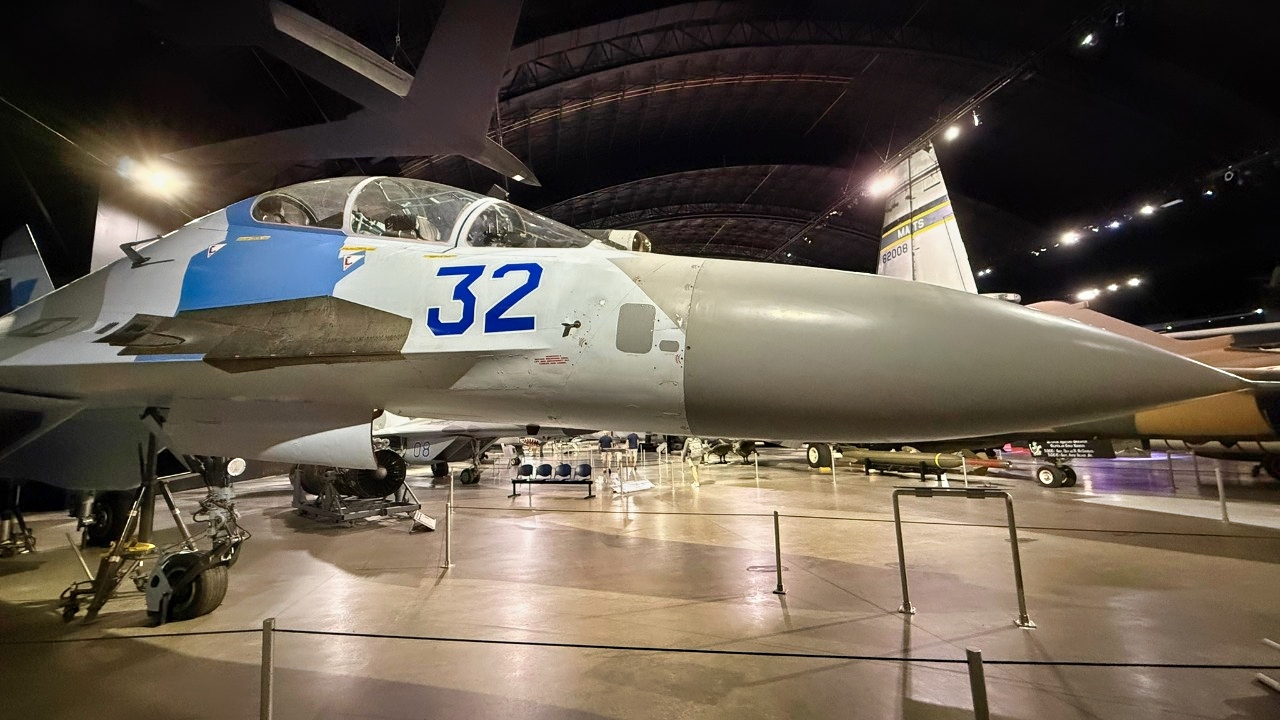
Su-27 Flanker Fighter from Russia. Image Credit: National Security Journal.
“Our partners, like us,” the minister added, “were struck by its cynicism, by this cold, terrorist calculation of how to destroy our energy sector.”
The Opening Stages of the Russian Campaign
The opening salvoes of that campaign have already landed. Early on Saturday, Russian missiles struck a bridge that spans the Dnipro River, which bisects the Ukrainian capital into eastern and western halves. The bridge, one of the city’s largest and busiest, was shut down, but it remained standing, and no casualties were reported.
The attack followed an earlier Russian strike against another Dnipro bridge. Together, the two strikes disrupted the commuting plans of an estimated half million commuters who cross the river daily.
A Shortage of Missile Defense Interceptors
While the Ukrainian capital is the best-protected location within Ukraine, the recent Russian strikes have highlighted the current paucity of air defense interceptors available to Ukraine as well as the recent advances made by Russia’s Geran attack drones. Earlier in the war, those explosive-laden one-way drones were propelled by relatively simple prop engines. But now, Russia is increasingly turning to jet-powered models that can outrun some of Ukraine’s air-defense interceptors.
In tandem, the Patriot air defense interceptors that Ukraine relies on to take down Russian cruise and ballistic missiles are in high demand around the world, desired by American allies in Europe, by Ukraine, and by countries in the Middle East that rely on Patriots to protect from Iran’s substantial arsenal of missiles and drones. Complex and costly to manufacture, Patriots are highly reliable but difficult to scale up.

Buk-M2E Air Defense from Russia. Image Credit: Creative Commons.
Because protecting its critical infrastructure is so difficult, Ukraine is moving away from the Soviet-era model of large, centralized heat and energy facilities in favor of smaller, decentralized, more modern infrastructure.
But winter is approaching, and time is not necessarily on Ukraine’s side.
About the Author: Caleb Larson
Caleb Larson is an American multiformat journalist based in Berlin, Germany. His work covers the intersection of conflict and society, focusing on American foreign policy and European security. He has reported from Germany, Russia, and the United States. Most recently, he covered the war in Ukraine, reporting extensively on the shifting battle lines in Donbas and writing about its civilian and humanitarian toll. Previously, he worked as a Defense Reporter for POLITICO Europe. You can follow his latest work on X.


