

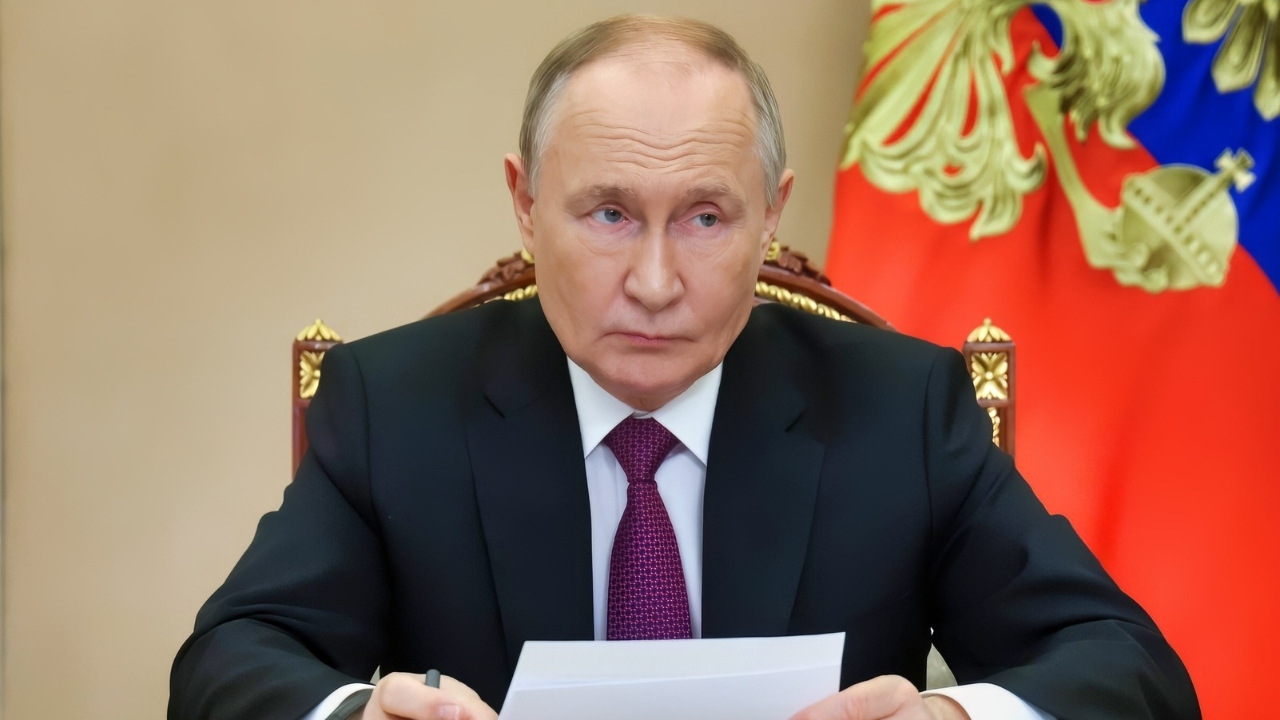
Key Points and Summary – As Washington pushes a new “20-point” peace framework for Ukraine, Moscow is signaling confidence that time favors the Kremlin.
-Vladimir Putin still demands recognition of occupied territory, limits on Ukraine’s military, and an end to any NATO path, betting Western unity and patience will erode first.
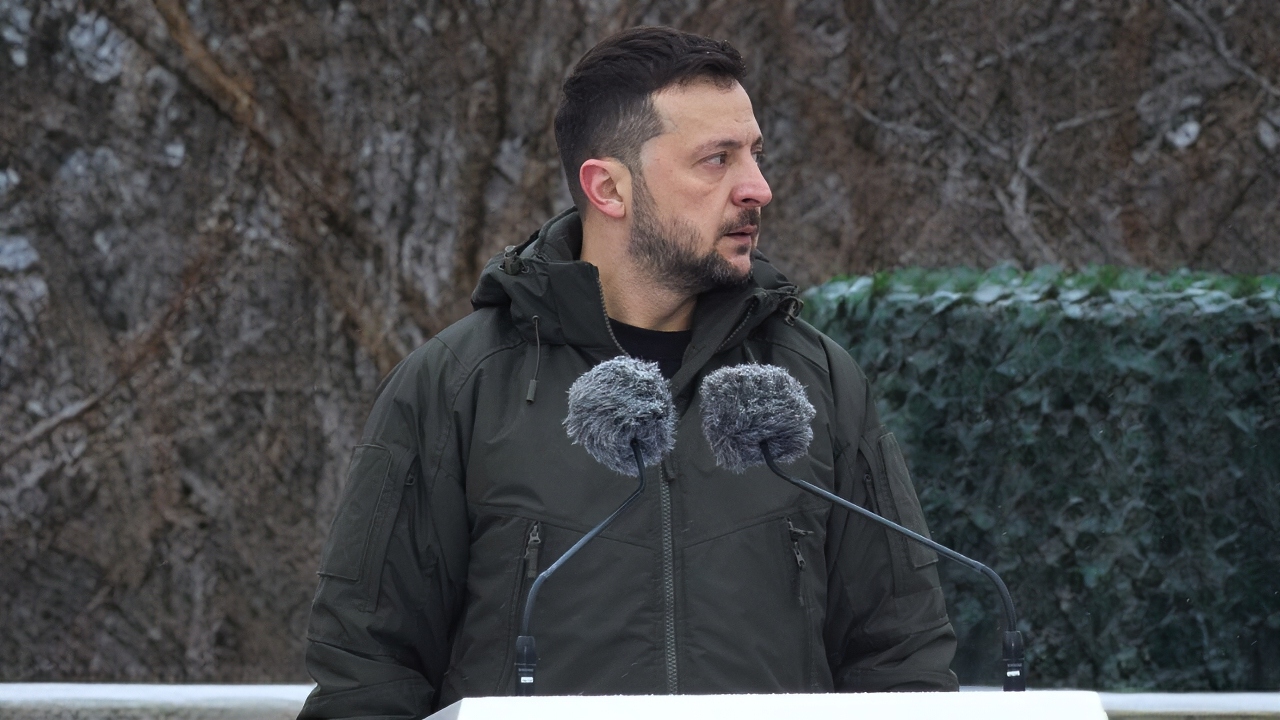
Image Credit: Office the the President, Ukraine.
-Volodymyr Zelenskyy is scrambling to secure security guarantees and avoid de facto territorial concessions that would violate Ukraine’s constitution and political red lines.
-European governments, meanwhile, debate expanded air defenses, troop deployments in non-frontline roles, and long-term rearmament, even as voters tire of costs.
-The emerging struggle is less about a single deal than which side can endure longer.
Ukraine’s 20-Point Peace Gamble vs. Putin’s War of Attrition
Ukraine and its allies are moving fast to keep a Washington peace deal that meets its priorities, but Russian President Vladimir Putin is convinced that time is on his side.
In a recent BBC analysis, its diplomatic correspondent James Landale described the Russian president as looking visibly assured while chatting with U.S. envoys.
The angle fits the Kremlin’s public line that Russia can secure its aims either at the negotiating table or on the battlefield.
The demands widely attributed to Moscow remain maximalist, with the Kremlin continuing to demand international recognition of occupied territory, tighter limits on Ukraine’s armed forces, and a permanent end to any NATO trajectory.
Meanwhile in Berlin, Ukrainian President Volodymyr Zelenskyy has been meeting U.S. envoy Steve Witkoff and other
American officials as talks continue into a second day. Reports from the talks describe a renewed “20-point” framework under discussion and U.S. insistence on momentum, while Kyiv tries to avoid being cornered into de facto territorial concessions without credible security guarantees.
As it stands, the Ukrainian constitution forbids its government from ceding land to any other country, although there are suggestions that a referendum could be held to determine the direction of such a policy in the future.
In European security circles, there has long been talk of expanded air-defense coverage over western Ukraine, deploying European forces in non-frontline roles to free Ukrainian troops, and plans for sustained rearmament within 15 to 20 years.
None of these steps will be easy to market to weary European voters whose living costs and tax burdens have generally been rising sharply since the pandemic.
On Monday, in her first public speech as the UK’s MI6 chief, Blaise Metreweli warned that Russia’s threat is “aggressive” and expansionist, and stressed that Britain had no intention of ending its support for Ukraine.
Her remarks came just days after NATO chief Mark Rutte claimed Russia could attack the alliance within five years, while a French military chief said the public must be prepared for their children to die in war.
Sanctions and money are the other levers, with EU governments still wrestling with how far to go in mobilizing immobilized Russian assets for Ukraine’s needs, as legal, financial, and potential military risks hang over the debate.
The emerging picture is less a single peace plan than a contest of endurance.
Putin is likely betting that the alliance against his invasion will crack first, and Ukraine is betting the West can be persuaded that “support” only matters if it changes Russia’s calculus.
About the Author: Georgia Gilholy
Georgia Gilholy is a journalist based in the United Kingdom who has been published in Newsweek, The Times of Israel, and The Spectator. Gilholy writes about international politics, culture, and education.


