

Early on Wednesday, Ukraine struck one of Russia’s largest oil refineries amid its ongoing campaign against the fuel infrastructure supporting its war on Kyiv.
According to Ukraine’s General Staff, its forces struck the Lukoil-owned NORSI refinery in Kstovo, Nizhny Novgorod Oblast, overnight on August 26, causing a huge fire.
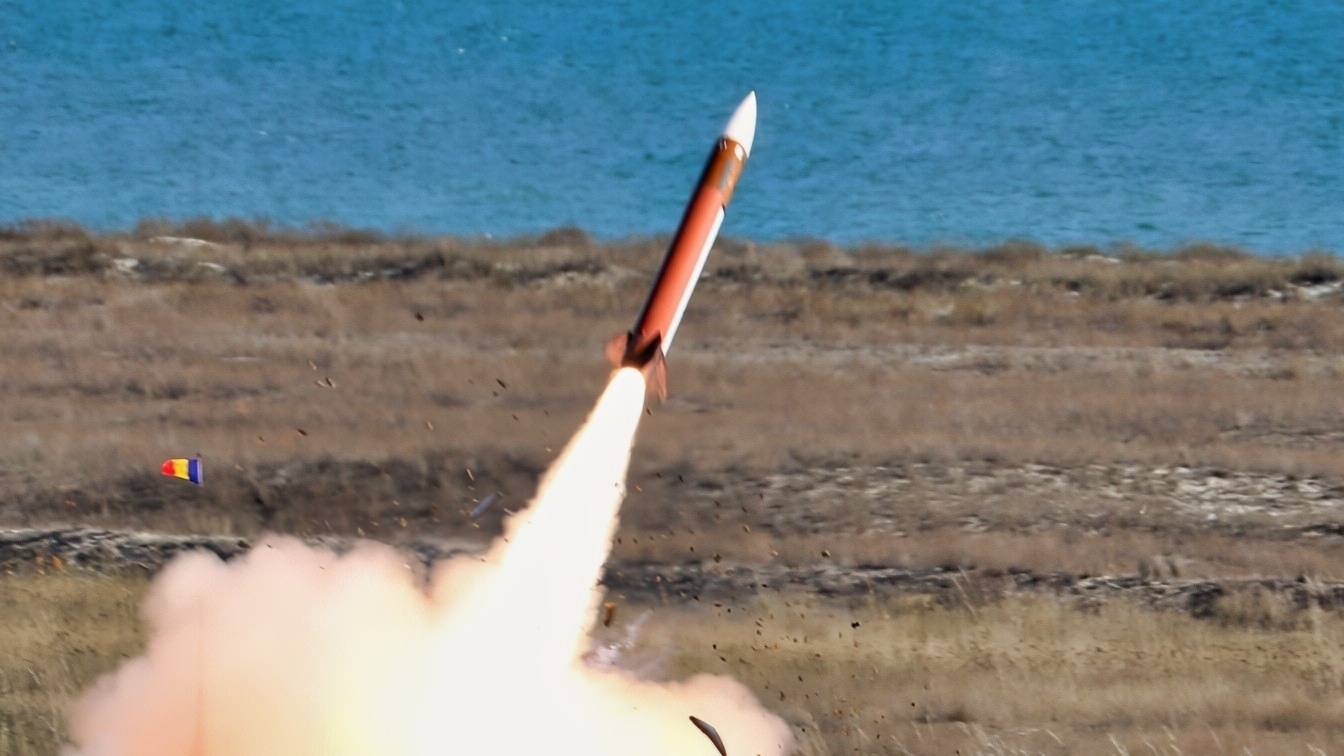
The Romanian Army’s 74th Patriot Regiment conducted the country’s first PATRIOT missile system live-fire exercise at the Capu Midia test firing range in Romania Nov. 14-15, 2023. Romania received the first of seven PATRIOT systems in 2020 through a foreign military sales case executed by the U.S. Army Security Assistance Command. (Courtesy photo)
The plant, sited some 500 miles from the Ukrainian border, is Russia’s fourth-largest refinery and its second-largest gasoline producer, processing around 15 million to 17 million metric tons of crude annually.
Kyiv Hits ‘Russia’s Wallet’
Ukrainian President Volodymyr Zelenskyy said Ukrainian forces struck 16 targets inside Russia over the previous day, including oil facilities, airfields, a missile unit, a military enterprise, and logistics infrastructure.
He described the energy targets as “Russia’s oil wallet that finances the war” and said, “The war must return to where it came from.”
The NORSI strike came only a day after another attack set fire to the Afipsky refinery in Krasnodar Krai.
Regional Governor Veniamin Kondratyev said falling drone debris killed two people and injured two others at the nearby Afipsky railway station. Reuters reported that the largely export-focused refinery processed 7.2 million metric tons of crude, or roughly 144,000 barrels per day, in 2024. Ukraine’s military later confirmed hitting the facility.
Reuters reported that Lukoil’s Perm refinery, Russia’s seventh-largest by processing volume, halted operations after an August 21 drone strike.
One primary crude-distillation unit responsible for about 40% of capacity shut down after the attack, while another unit representing 34% of capacity had already been idle since July 29. Repairs to the latest damage could take up to two weeks.
Dnipro Osint said via Telegram that around 86% of the Perm refinery’s primary crude-processing capacity was now offline due to Ukrainian attacks — amounting to some 11.3 million tons of crude oil annually.
Russia is now expected to extend its diesel export ban through September as domestic fuel shortages persist and refineries remain offline following Ukrainian attacks, Reuters reported.
An extension through the end of 2026 has also been discussed. Russia has already banned motor gasoline exports until January 31, 2027, and jet-fuel exports through November.
Moscow Looks Afar for Fuel
A refinery in western Kazakhstan is expected to process Russian crude and send about 70% of the gasoline and diesel it produces back to Russia.
Under the arrangement, Kazakh Energy Minister Yerlan Akkenzhenov said “up to 30%” of the sought-after fuels will remain in Kazakhstan, with the rest shipped to Russia.
Reuters separately reported last week that at least one cargo of gasoline from India had entered the Russian domestic market, with two more cargoes expected.
Writing for The Jamestown Foundation think tank back in July, Mamie Powers said that Russian officials “are beginning discussions with other countries, including India, about importing oil and claim that the fuel shortages at gas stations are due to Ukrainian strikes, which have led to excessive demand and caused logistical problems.”
Ukraine has also been targeting firms it says are supporting Russia’s war effort. On Monday, Ukrainian drones hit four logistics hubs belonging to Russian online retailer Ozon.
On Wednesday, Kyiv attacked yet another Wildberries logistics center in Russia’s Tambov region. Governor Evgeniy Pervyshov said the roughly 1.1-million-square-foot facility was “completely destroyed by fire.” Ukraine has also widened its attacks to Wildberries rival Ozon, whose shares plunged almost 30% on August 24 after Russia targeted six of its logistics facilities in three days.
Russian State Takes ‘Temporary’ Control of Infrastructure
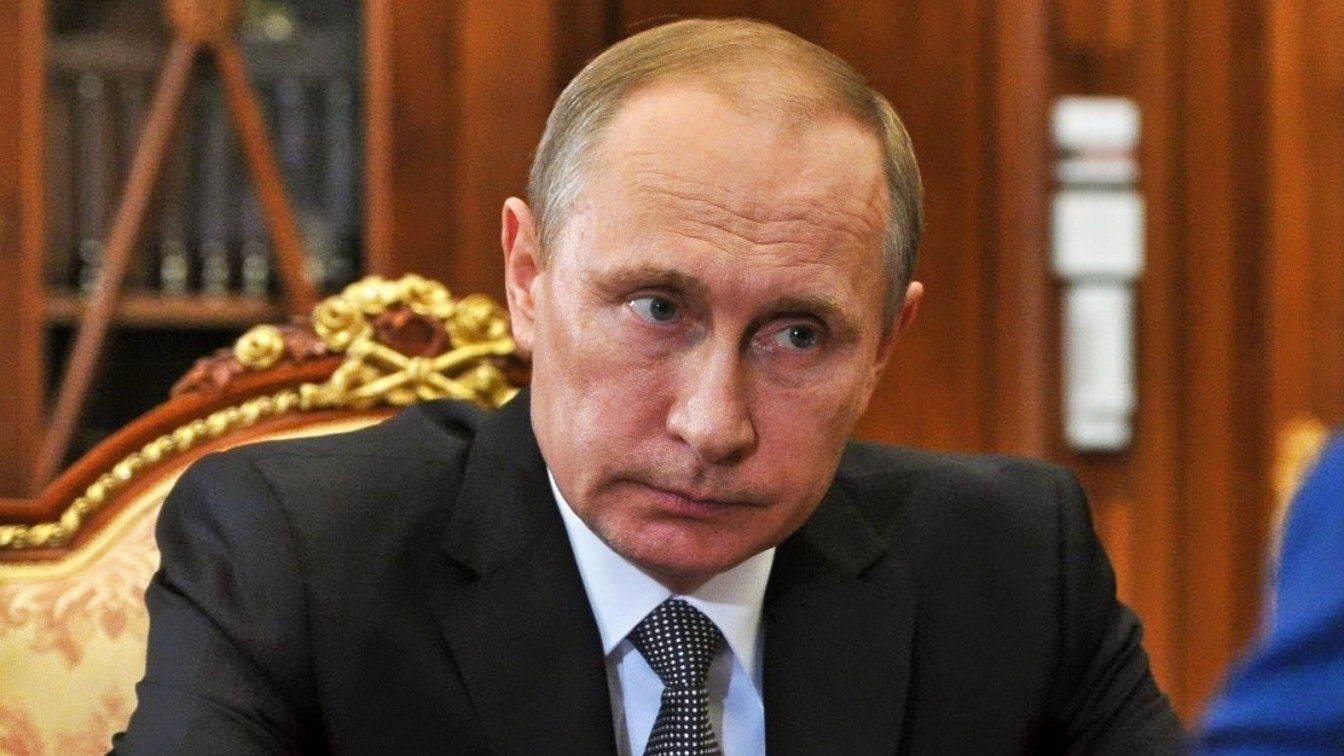
This week, Russian President Vladimir Putin signed a decree allowing the state to assume temporary control of critical infrastructure judged inadequately protected or too slow to recover from attacks.
The move would allow the government to sell off firms it assumes control of.
First Deputy Prime Minister Denis Manturov insisted the move “does not involve nationalization or a change of ownership,” saying it was intended to address security problems.
Putin has nevertheless acknowledged the stakes to some extent. After the attacks expanded to warehouses and other economic targets, he accused Kyiv of opening “Pandora’s box” and warned: “Expect a response targeting your most sensitive economic sectors.”
About the Author: Georgia Gilholy
Georgia Gilholy is a journalist based in the United Kingdom who has been published in Newsweek, The Times of Israel, and the Spectator. Gilholy writes about international politics, culture, and education.


