
Russia is facing a mounting fuel shortage in occupied Crimea and throughout southern regions of the country following a sustained Ukrainian campaign that has targeted its oil depots and fuel storage sites. As key energy and logistical hubs continue to come under attack, the shortages are growing so severe that even the Kremlin is publicly acknowledging the problem. On June 8, Kremlin spokesman Dmitry Peskov admitted that there are “certain problems” with supply.
Ukraine’s Strategy
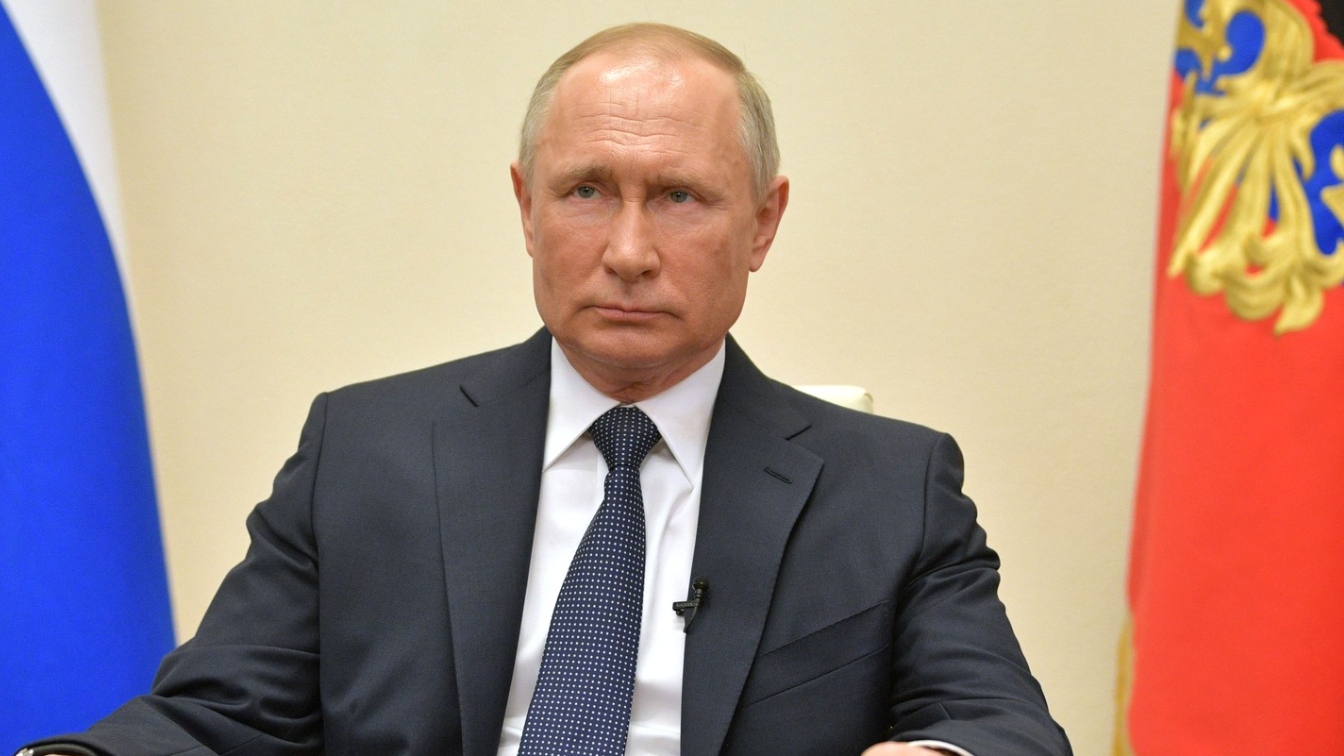
Putin 2020 Address Russian Federation Photo
For as long as Ukraine has been capable of launching strikes inside Russian territory, its drones have targeted oil refineries. Recently, Kyiv appears to have expanded its targets to include transportation and storage infrastructure required to move fuel to the front. It means Ukraine is now disrupting processing, logistics, and transportation operations.
For example, overnight on June 7, Ukrainian forces struck the Semykolodezkaya oil facility in occupied Crimea, which is believed to be a storage site used to support Russia’s military operations in Ukraine. Ukraine has also reported attacks on an oil depot near Feodosia in Crimea and the Grushovaya oil shipment site near Novorossiysk. The Novorossiysk strike was particularly bad, reportedly causing a fire that required more than 100 emergency responders.
The strategy appears to focus not only on reducing Russia’s refining capacity but also on disrupting fuel distribution, thereby affecting the war effort and the national economy.
Crimea’s Shortages Are Becoming A Problem
The consequences of Ukraine’s growing ability to strike deep inside Russia are becoming harder for Moscow to conceal. On June 8, Kremlin spokesman Dmitry Peskov acknowledged that Crimea, in particular, was experiencing problems with fuel distribution.
“There are indeed certain problems at the moment,” Peskov said. “Measures are being taken.”
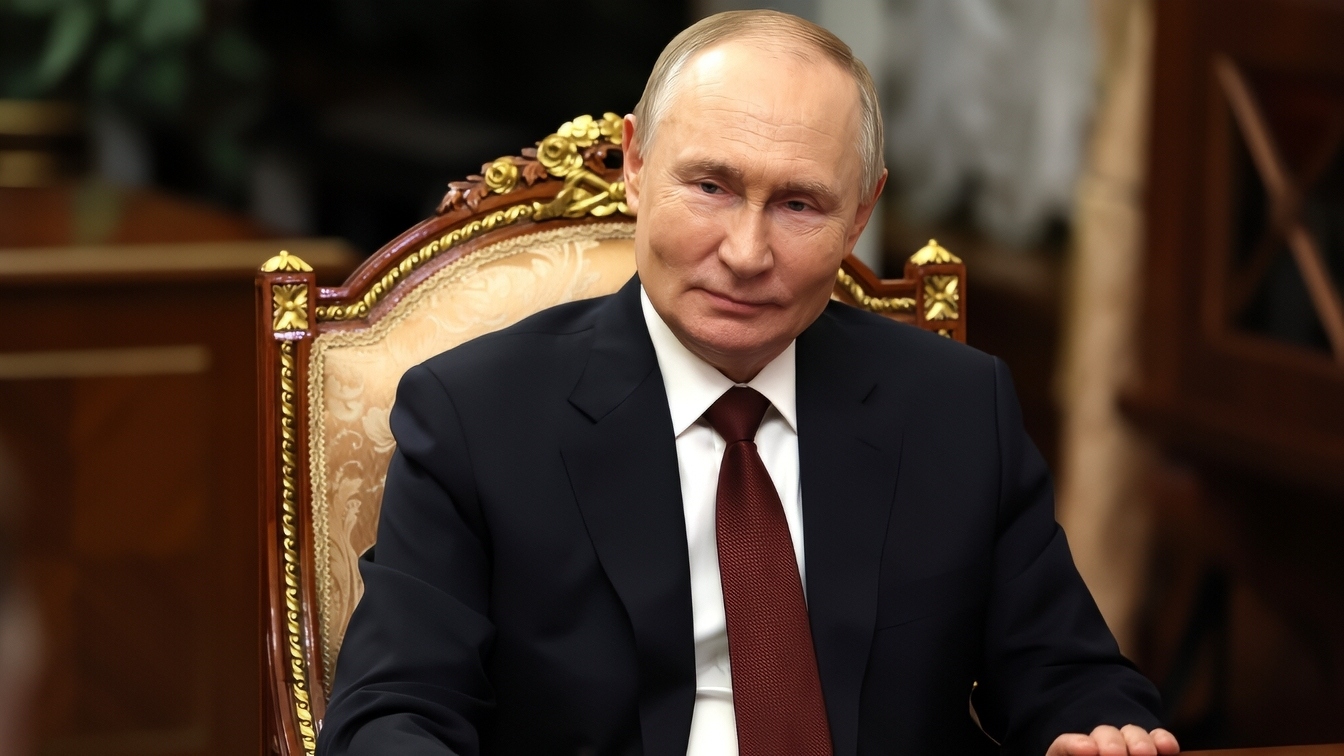
Putin in a Meeting. Russian Federation Photo.
The measures being introduced to address the problem, however, suggest the situation may be more serious than Russian officials are willing to admit publicly. The Russian-installed head of Crimea, Sergei Aksyonov, announced new restrictions last week that prevent cash fuel sales and halt the issuance of new fuel coupons. Existing coupons, which are effectively ration vouchers that allow motorists to purchase a limited amount of gasoline, were limited to 20 liters per transaction. Throughout Crimea, drivers have reported long lines at gas stations.
QR code systems have also reportedly been introduced by some Russian authorities to control access to gasoline supplies. Rationing measures like this are surprising for a territory that Moscow continues to portray as being fully integrated into the Russian Federation.
Diverting Oil Away From Export Markets
Not only is Russia facing a domestic fuel supply problem, but it is also struggling to fulfill its obligations as an exporter. Reports this week described how Russia plans to significantly reduce its crude exports from western ports over the next month while increasing refinery throughput to address domestic shortages. According to estimates, exports from Novorossiysk, Ust-Luga, and Primorsk could fall from around 2.5 million barrels per day in May to around 1.7 million barrels per day in June.
Moscow’s Military Response
Russia has responded to Ukraine’s drone strikes with large and sophisticated strikes against Ukraine, as well as threatening rhetoric. During recent attacks on Ukrainian cities, Russia employed high-value weapons that cannot be deployed at the same rate as other munitions. Kh-101 air-launched cruise missiles and Iskander-M ballistic missiles caused damage across major urban population centers, along with Kalibr cruise missiles and Zircon hypersonic missiles. Hundreds of drones were also deployed during the strikes.
On June 2, more than 70 Russian missiles, including eight Zircons, caused major damage to Ukrainian infrastructure, and subsequent strikes have also featured combinations of high-value precision weapons. The use of Zircon missiles is particularly notable because the weapon was developed primarily as an anti-ship missile to threaten NATO naval forces. Their employment against land targets in Ukraine shows that Moscow is willing to expend some of its most sophisticated systems in the hope that it will serve as a deterrent to a newly confident – and capable – Ukraine.
What Next?
The question now is whether Ukraine’s strategy will generate enough pressure to change Moscow’s view of the war. Fuel shortages alone are unlikely to end the war, at least quickly. Russia has so far demonstrated a remarkable capacity to absorb economic pain and adapt supply chains, but cumulatively, damage is being done.
Crimea faces fuel rationing, and Russian exports are being adjusted to compensate for domestic shortfalls, and all the while, long-range Ukrainian drone operations keep moving deeper into Russian territory.
Vladimir Putin now faces a choice between relying more on expensive missile salvos to demonstrate strength and hoping that Ukraine ultimately folds, or coming to the table and agreeing to a compromise that he said he would never accept. For now, it seems unlikely that Russia will fold, but it does look as though Ukraine will continue its drone efforts. With the capacity to manufacture eight million drones per year, there is no reason for Ukraine to stop now.
About the Author: Jacl Buckby
Jack Buckby is a British researcher and analyst specializing in defense and national security, based in New York. His work focuses on military capability, procurement, and strategic competition, producing and editing analysis for policy and defense audiences. He brings extensive editorial experience, with a career output spanning over 1,000 articles at 19FortyFive and National Security Journal, and has previously authored books and papers on extremism and deradicalization.


