
Russia can continue funding its full-scale invasion of Ukraine until at least 2028, according to Ukrainian military intelligence chief Oleh Ivashchenko.
The Russian economy has been weakened during the conflict, as Moscow seeks to fund a four-and-a-half-year war it originally believed would be completed within weeks.

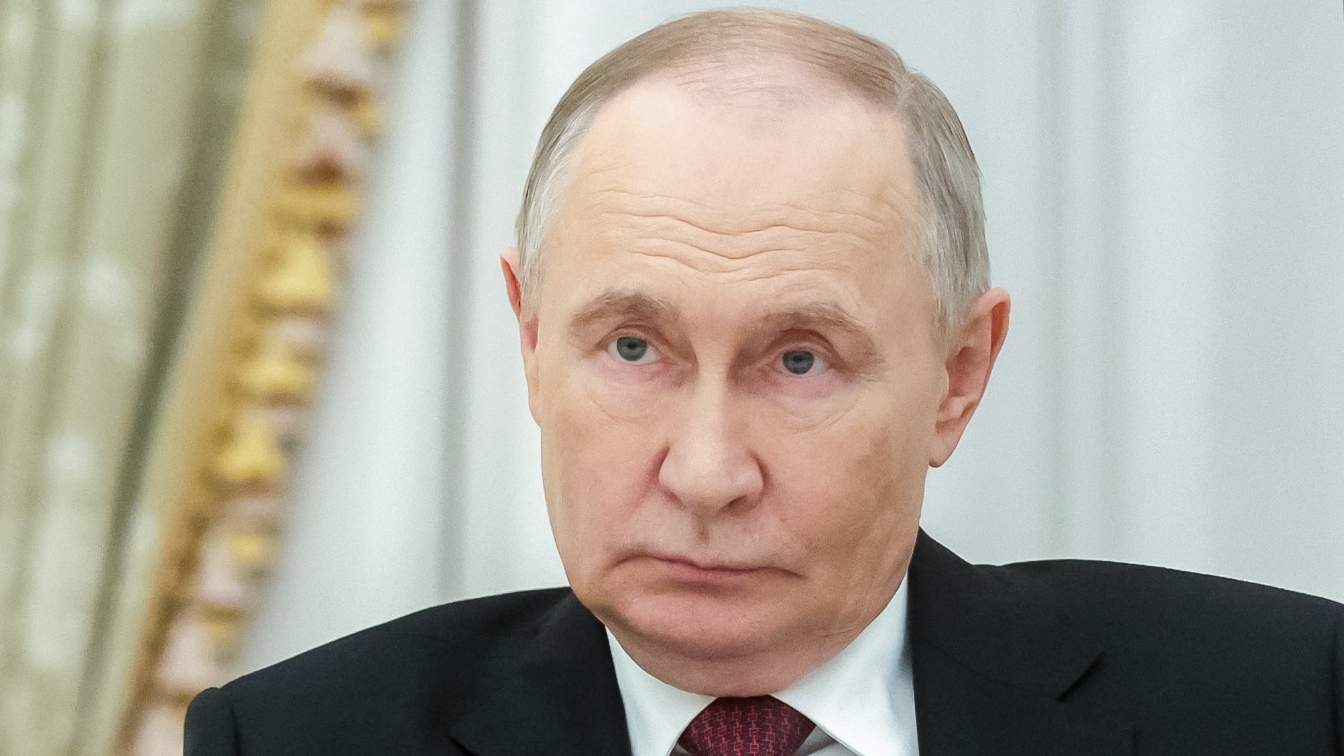
Putin in 2023. Image Credit: Creative Commons.

Putin in 2022. Image Credit: Creative Commons.
Major losses on the battlefield, economic sanctions and Ukrainian attacks on key infrastructure have been to blame as a somewhat isolated Russia struggles to make significant gains in eastern Ukraine.
However, despite the economic damage, Russia can continue fighting through next year and into 2028, dashing hopes that ongoing fiscal problems could prompt the Kremlin to rethink its ambitions.
Three Major Shortages
In an interview with Ukrainian news agency Ukrinform published on Monday, 7th September, Ivashchenko said there were three key areas impacting the Russian economy: a shortage of labor, a growing federal budget deficit, and a “deteriorating situation in the banking system.”
Russia’s labor crisis has significantly worsened over the course of its full-scale invasion as the Kremlin seeks new recruits to replace the enormous losses over the past four and a half years.
To attract new troops to the frontline, soldiers’ pay has increased, forcing other sectors to raise salaries to compete.
Where a contract soldier’s salary was once four times the average wage, it’s now only double due to rising wage demands in other industries.
Replacing lost soldiers with prisoners is also no longer a viable option.
The Russian prison population, once at 465,000 before the war, has fallen to 282,000 as hundreds of thousands were sent to the frontline in exchange for early release.
Alas, the Kremlin has little choice but to offer high-risk, high-reward wages.
Deficit Increasing
Russia’s federal budget deficit continues to widen. The Kremlin has been forced to redirect funding for civilian projects toward the war effort, taking drastic measures such as a major sale of gold reserves to fund the ever-costly conflict.
Part of this comes from ongoing Ukrainian attacks against Russian infrastructure.
Over the past year, Kyiv has ramped up aerial attacks on key assets using cheap, easily replaceable drones.
When they strike their targets – often, but not always, directly related to Russia’s war effort – Moscow must waste resources to repair damaged facilities or replace air defense systems.
“Our strikes are contributing to the growth of the Russian Federation’s budget deficit, which today stands at $82 billion,” Ivashchenko said, noting an increase of 40% in the first half of 2026 alone.
Ukraine’s persistent attacks on critical infrastructure are disrupting the Russian economy.
Strikes on oil refineries disrupt supply lines, and sales to the few nations that still trade with Moscow become harder.
The same applies to Russia’s grain exports, with Ukrainian attacks blocking almost one-third of exports to foreign markets, according to Ivashchenko.
Not Banking on the Banks
The heavily controlled banking system is also under strain, said Ivashchenko.
Russians are withdrawing billions of dollars per month from the country’s banks, with $24.7 billion withdrawn in 2026 alone.
This comes amid fears that the Kremlin may be considering seizures of deposits to fund the war effort. Alas, this is creating liquidity problems for banks while making it harder for the Kremlin to raise funds through bond issuance.
Russian President Vladimir Putin recently described the reports as “smear campaigns,” denying plans to introduce a freeze on deposits. He has also repeatedly denied claims that the Russian economy is in a “critical” situation.
War to Continue
Despite Ivashchenko’s points, he made it clear that the Russian war effort is unlikely to collapse in the very near future.
“At the same time, [Russia] still has enough resources to wage war against Ukraine,” he said in the interview. “We do not rule out that these resources will last through 2027 and 2028.”
Despite ongoing economic concerns, the country’s economy is performing comparatively well in some respects.
Unemployment still remains relatively low at 2.3% according to the latest available data, much lower than in many Western countries.
Likewise, Russian government debt is comparably lower, too, even if the situation is deteriorating.
It also has vast natural resources, so it does not need to rely on the easing of sanctions to secure essentials.
So, Russia’s economy is hardly on the brink of collapse, but it is not improving either after nearly five years of conflict. It can survive 2027, but 2028?
Who knows.
About the Author: Shay Bottomley
Shay Bottomley is a British journalist. He has written for the Western Standard, Business Insider, Maidenhead Advertiser, Slough Express, Windsor Express, Berkshire Live and Southend Echo.