

Ukraine’s recent barrages of drone attacks have disrupted daily life in Russia, knocked oil refinery capacity offline, and even encouraged allied nations to change the way they think about warfare.
A new report also says they have affected Russians’ travel plans.

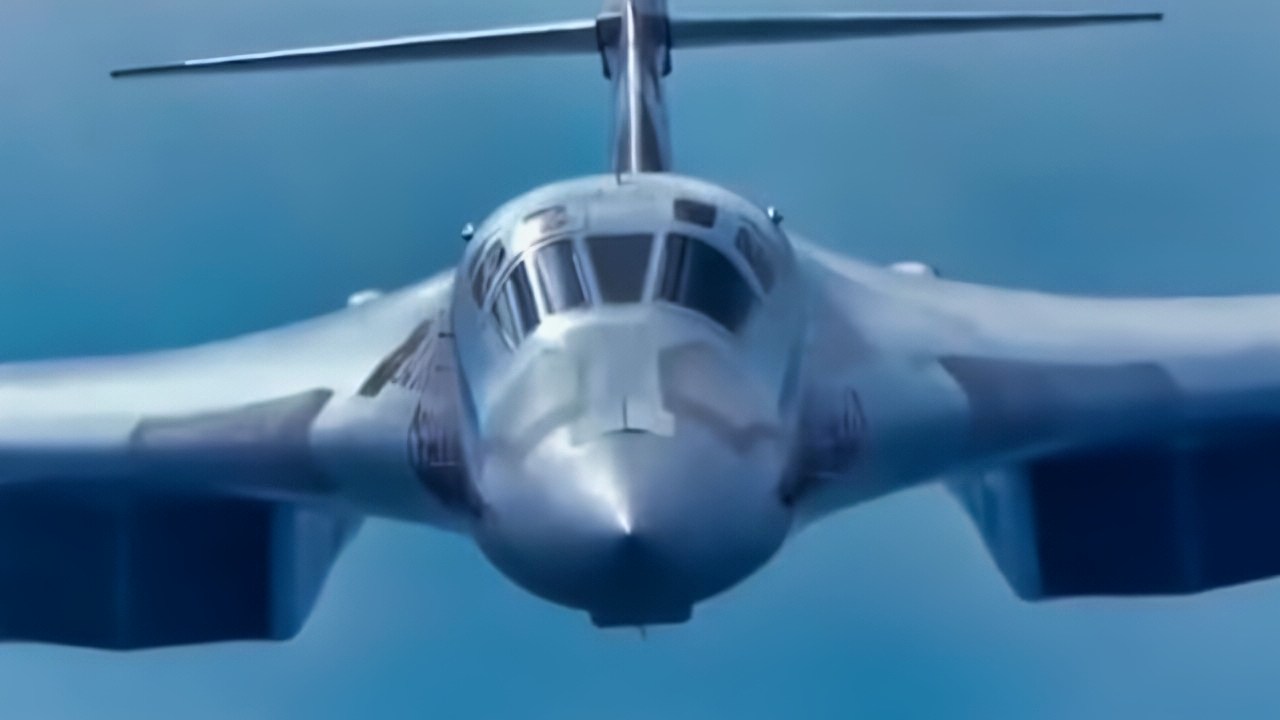
Tu-22M3 Bomber from Russia. Image Credit: Creative Commons.
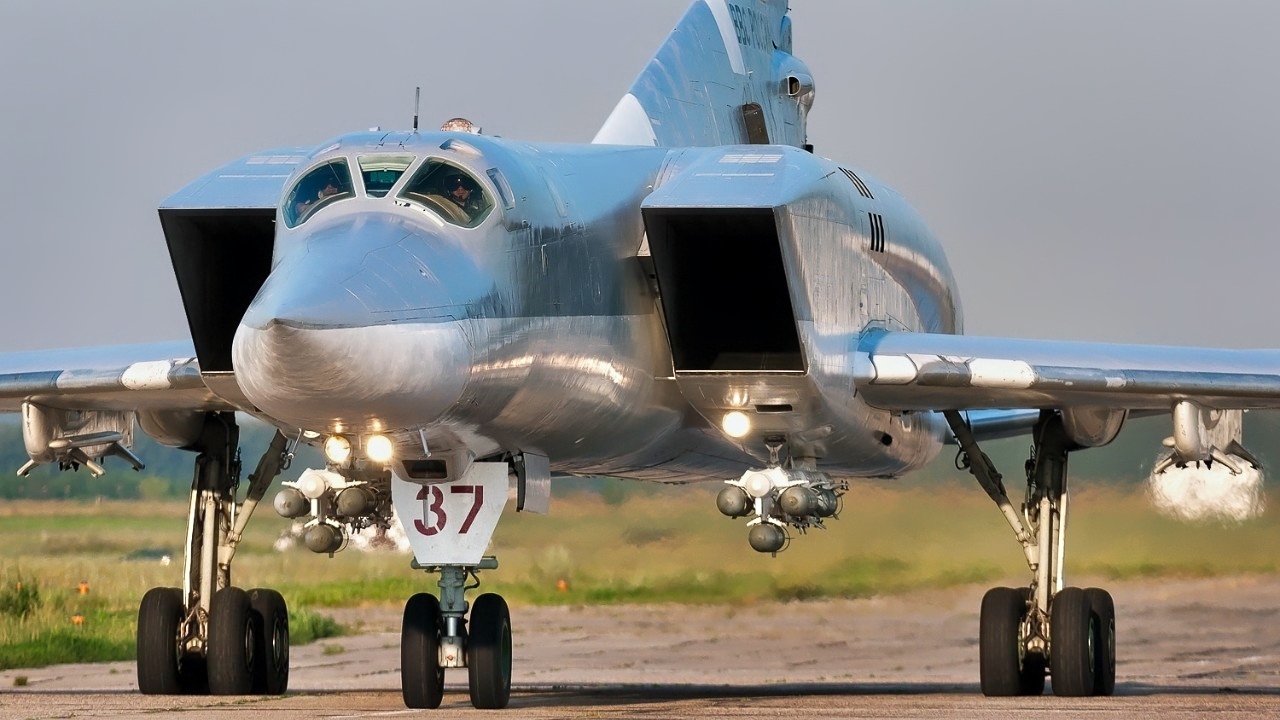
Russia Tu-22M Bomber. Image Credit: Creative Commons.
According to the New Voice of Ukraine, citing the Telegram channel Astra and reports from the Russian newspaper Kommersant, passenger traffic on flights between Moscow and St. Petersburg has plunged by 18 percent in the first half of 2026, with more Russians choosing to travel by train instead.
At the same time, demand for train service between those two major Russian cities has jumped 20 percent during the same period, with 70 percent of business travelers opting for rail instead of air.
A big reason for that is the threat of drone attacks, which have frequently disrupted operations at Russian airports.
In addition, the report said that St. Petersburg has been offering more international flights than before, so those traveling abroad no longer necessarily need to connect through Moscow.
United 24 Media had more on the report, adding that St. Petersburg’s Pulkovo Airport had said in December of last year that it had already lost about 15 percent of its passenger traffic on Moscow flights, which it attributed to closures due to drone raids.
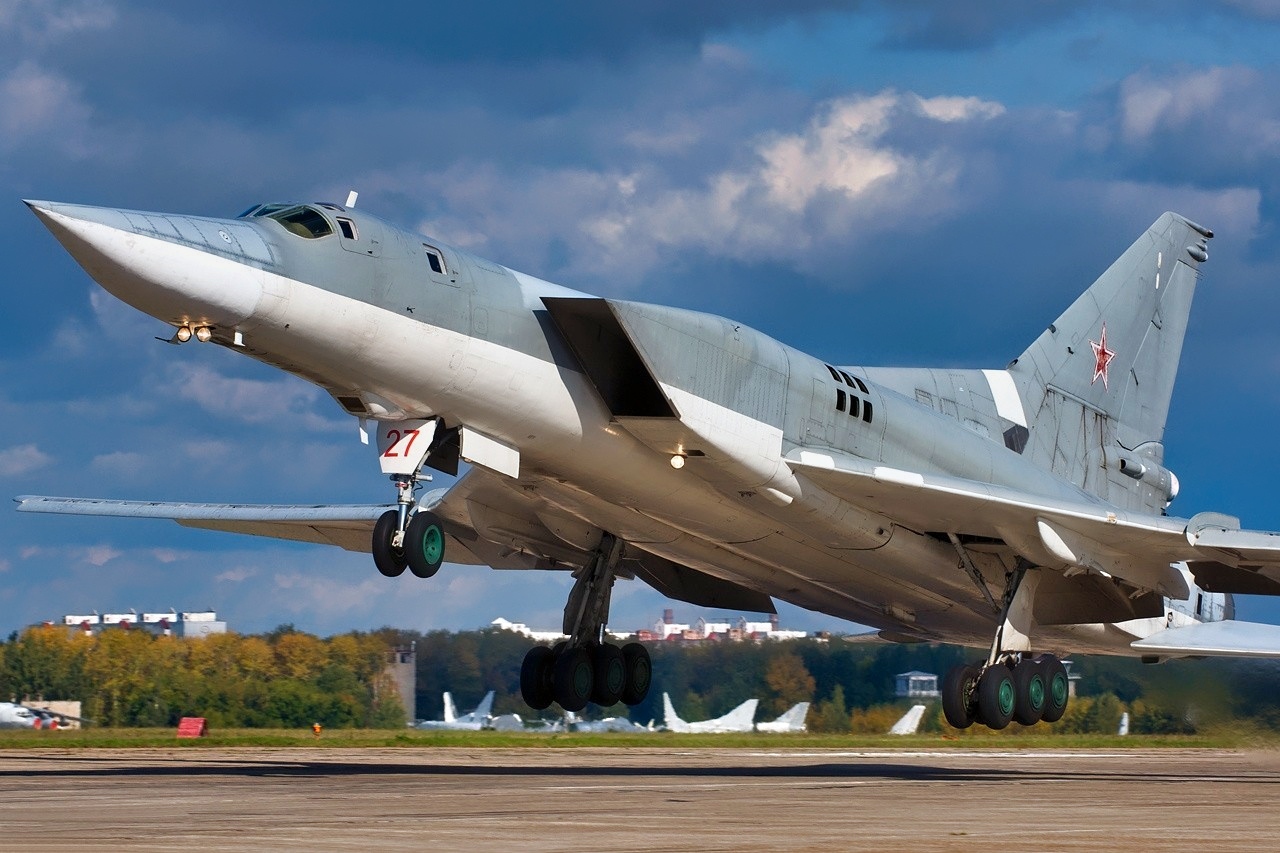
Tu-22M Backfire Bomber from Russia. Image Credit: Creative Commons.
Aeroclub, the Russian travel operator, also reported a significant decline in air business travel.
In June, four airports in Moscow were shut down for hours, as Ukraine’s drones launched a major drone attack on the Russian capital.
On the “Carpet”
Russia operates the “Carpet,” or “Kovyor,” emergency protocols, which warn of incoming drone attacks near airports.
“The Kovyor plan requires all aircraft, except for military and rescue flights, to either land immediately or leave the restricted airspace,” Ukrayinska Pravda reported last year about the then-new protocol.
Drones Near Ukrainian Cargo Plane in Germany
Ukraine does not appear to have ever deliberately targeted Russian civilian airports with its drone attacks. However, there were some alarming reports this week about an incident at an airport in Germany.
According to the Associated Press, a drone with explosives attached to it was discovered at Germany’s Leipzig/Halle Airport on Wednesday, leading to closures of the airport’s runways.
The report also said that the explosives-disposal robot sent to disarm the explosives was seen “near a Ukrainian plane.” The explosives were disarmed successfully.
The plane was described in media reports as a Ukrainian Antonov cargo plane, as that airport is mostly used for freight traffic. A Fox News report stated that the plane sported the colors of the Ukrainian flag, and the slogan, in English, “Be Brave Like Kherson.”
An airport official described the potential explosive there as “a new quality of danger,” although it’s not clear who was responsible for placing it there.
“Drone sightings, drone threats including in a hybrid context, are something we know from the past,” German Interior Minister Alexander Dobrindt told the press after the incident, per the AP. “That a drone armed with explosives is at an airport is a new threat scenario.”
At the same airport on the same day, the AP said, a “second flying object” collided with a freight airplane. The airplane flew to a separate airport and sustained only slight damage.
The Interior Minister also spoke of a possible “hybrid attack scenario,” in which the explosive drone and the other object may have been connected.
The airport is in Germany, which is NATO territory. The AP stated that NATO was “aware of the incident” but would defer to German authorities for comment.
The AP report added that in 2024, an incendiary device had ignited at the same airport, and Russian intelligence was suspected of involvement by Western security officials.
The Guardian published an analysis noting that “the initial evidence points firmly towards a Russian-orchestrated plot.” It cited German media as stating that the disarmed bomb contained PETN and Semtex plastic explosive, the latter of which was used in the Lockerbie attack.
“The fact that it got inside the perimeter, close to Ukrainian cargo planes, raises obvious concerns for the security of international aviation,” Dan Sabbagh, The Guardian’s defence and security editor, wrote in the analysis.
About the Author: Stephen Silver
Stephen Silver is an award-winning journalist, essayist, and film critic, and contributor to the Philadelphia Inquirer, the Jewish Telegraphic Agency, Broad Street Review, and Splice Today. The co-founder of the Philadelphia Film Critics Circle, Stephen lives in suburban Philadelphia with his wife and two sons. For over a decade, Stephen has authored thousands of articles that focus on politics, national security, technology, and the economy. Follow him on X (formerly Twitter) at @StephenSilver, and subscribe to his Substack newsletter.


