


Key Points and Summary – Russia’s Lada-class submarine program, intended to replace the aging Kilo-class with a modern conventional boat, has been a major disappointment.
-Central to the design was an Air Independent Propulsion (AIP) system for enhanced stealth, but this technology remains undeveloped after decades.

Lada-Class Submarine. Image Credit: Creative Commons.
-The program has suffered significant delays, with only a few boats entering service instead of the planned eight.
-Without AIP, the Lada-class loses its key advantage and represents a technological failure, highlighting the struggles of Russia’s shipbuilding industry, which is further strained by the war in Ukraine and sanctions.
Why the Russian Lada-class Submarine Is Such a Disappointment
Russia needs a better conventional submarine to patrol the Black Sea and the Baltic.
Vladimir Putin’s navy has endured a brutal war against Ukraine, with all of his Black Sea fleet struggling to create sea dominance in the vicinity of Crimea and Odesa.
The Russian navy also needs to conduct scouting missions in the Baltic Sea, and this could turn into hunter-killer roles should Putin ever have designs on annexing Estonia, Latvia, and Lithuania. That’s why Moscow is watching the Lada-class group of submarines closely. They are replacing the ancient Kilo-class subs that have become worn assets of a bygone era.
What Happens Without AIP?
Russian maritime engineers and designers had grand plans for the Lada-class or Project 677 subs to be equipped with Air Independent Propulsion (AIP) systems. This would have made them quieter and ready for battle, bringing extra firepower to the Baltics and the Black Sea. However, the AIP is still in development.
Russia began with the prototype B-585 St. Petersburg to bring the Lada-class to reality. The new B-586 Kronstadt followed the B-585. Putin and his admirals have high hopes for the Kronstadt, as it could also patrol beyond the Baltic Sea while stationed in Polyarnyy as part of the Northern Fleet’s Kolsk unit.
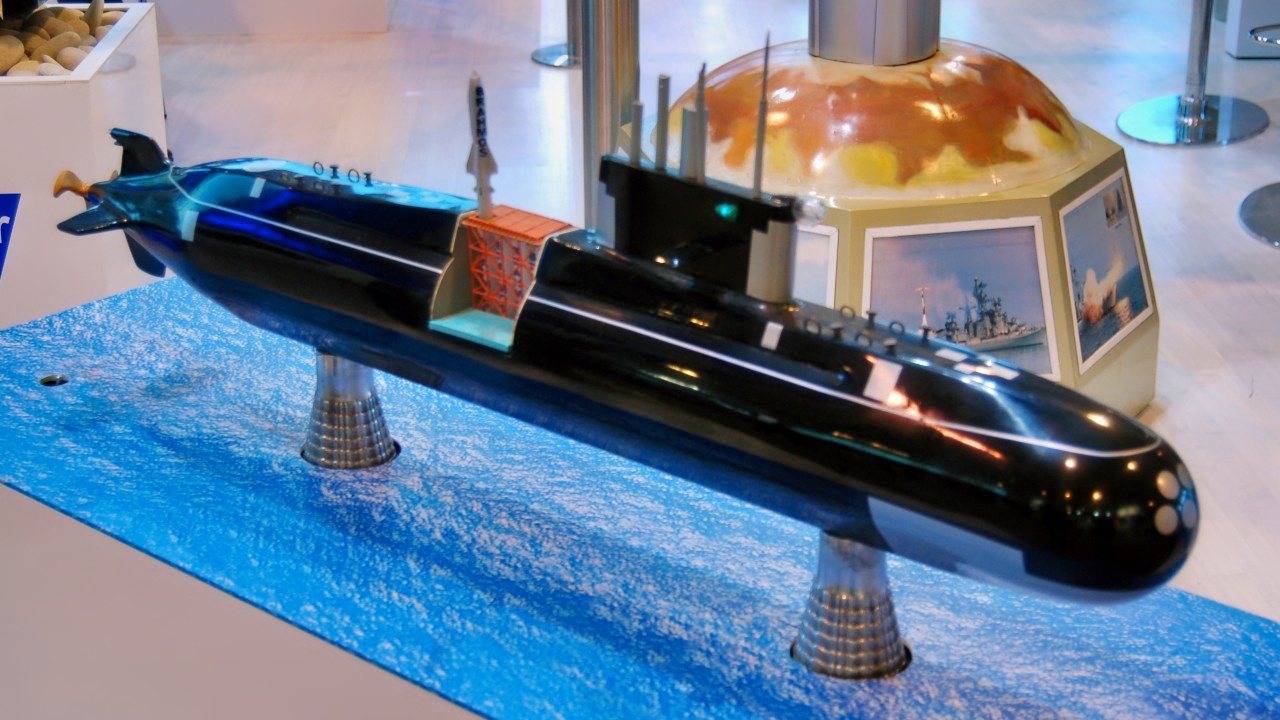
Lada-Class. Image Credit: Creative Commons.
More Details About the Lada-class
The Lada-class has a single hull in addition to a pressure hull with better steel. There is also anechoic covering for better sonar absorption. The Lada-class has a modernized sonar system to sniff out enemy shipping, making it a worthy adversary against targets on the surface or under the sea.
“The displacement of the Lada-class submarine is about 1,800 tons, the maximum diving depth is 350 meters, and the crew is 30 people, according to GlobalSecurity.org.
The Original Schedule for Production Went Out the Window
The Lada-class was designed to take over from the Kilo-class, but progress was slow in producing the first Lada boat, St. Petersburg. This sub was introduced in 2004 but had its share of growing pains and technological problems. The program was delayed significantly. The St. Petersburg even stopped production for a time as it suffered prominent schedule slips that frustrated the admirals and the seafaring industrial base.
Sea and Aerial Drones Make Sense
One interesting aspect of the Lada-class is its potential for deploying drones. These can be unmanned craft for sea or air. The Russians are correct to pursue these innovations. Putin’s admirals have learned during the war in Ukraine that drones need special attention and care as they have dominated the battlefield.
Unmanned seacraft will be a future innovation that could transform undersea combat. They could conduct “kamikaze” missions to sink submarines and other enemy vessels. Meanwhile, aerial drones could excel in intelligence, surveillance, and reconnaissance missions, as well as in electronic warfare to jam enemy missiles. The drones could also conduct de-mining operations and open up sea lanes that the Russian adversaries use for attempted dominance in Russia’s Near Abroad.
Another Lada-class submarine, the Velikie Luki (B-587), was introduced in 2022. The Russians are still working on this model, but they are experiencing delays due to bottleneck issues, causing technical hurdles.
The Russians Will Never Make Eight Of These Subs
Russia wants eight Lada-class boats, but they must fix problems with the AIP system. Without this noise cancellation propulsion, what’s the point? They would have more noise than conventional subs, lacking the kind of endurance needed to serve with the Black Sea, Baltic, and Northern Fleets.
The Lada-class is supposed to be a “fourth generation” sub that can instill fear in the enemy, but the lack of AIP is a deal breaker. Further, embarrasses Russia’s defense industrial base, which has been stretched thin due to the war with Ukraine. Russia needs tanks and more airplanes, not necessarily conventionally-powered submarines.
The Ladas are still somewhat quiet without the AIP, but the technological hurdles have been immense. There probably won’t be more than three Lada-class submarines at this rate, and the program is so old that many of the features that looked good in the 1990s and 2000s will be obsolete by the 2030s.
Putin may not prioritize undersea warfare, as he is currently focused on land combat, but after the war, he would like his submarine program to proceed smoothly. The Lada-class may have been a mistake that he hopes to rectify in the coming years. Submarine builders in Russia are nothing like the workers in China who are churning out Yuan-class AIP subs. Russia could use some more elbow grease and employees who take pride in their work.
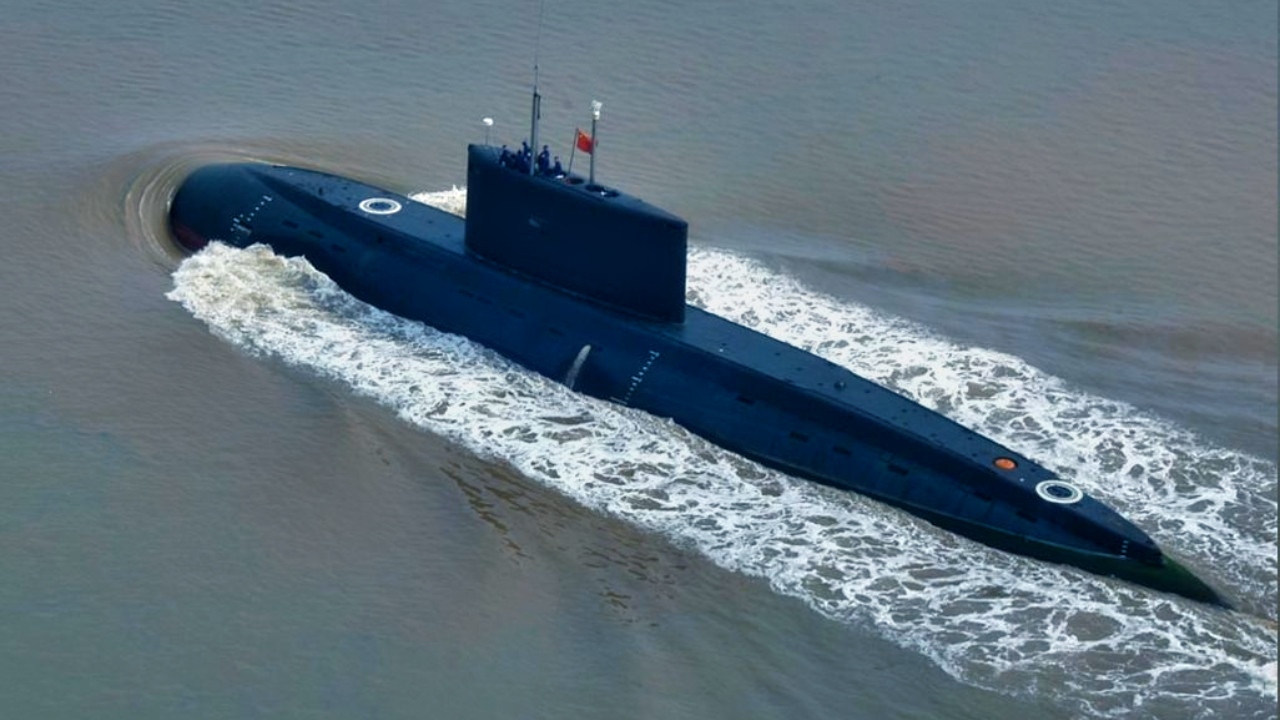
Kilo-Class Submarine. Image Credit: Creative Commons.
Russian naval strategy depends on getting as many submarines in the water at all times. The Black Sea fleet has been a failure. Russia has an excellent number of nuclear-powered boats, but these conventional subs of the Lada-class have been a disappointment without the AIP technology.
The idea is to use the Lada-class as a difference maker against enemy submarines and ships, deploy sea and aerial drones, deploy special operations forces, and deploy mines. This all sounds like basic elements of undersea warfare, but the Russians can’t seem to get it right. The Lada-class could become a cautionary tale about how Moscow is struggling with its maritime industrial base. The dreams of it supporting a potential attack in the Baltics, steaming with the Northern Fleet, or making a comeback in the Black Sea will be crushed.
About the Author: Brent M. Eastwood
Brent M. Eastwood, PhD is the author of Don’t Turn Your Back On the World: a Conservative Foreign Policy and Humans, Machines, and Data: Future Trends in Warfare plus two other books. Brent was the founder and CEO of a tech firm that predicted world events using artificial intelligence. He served as a legislative fellow for US Senator Tim Scott and advised the senator on defense and foreign policy issues. He has taught at American University, George Washington University, and George Mason University. Brent is a former US Army Infantry officer. He can be followed on X @BMEastwood.
More Military
Mach 6 SR-72 Darkstar Could Soon Be the ‘Fastest Plane on Earth’
America’s E-4B Doomsday Plane Has a Message for Russia and China
AIP: The Cheap Stealth Submarines the U.S. Navy Will Never Build
Russia’s Su-57 Felon Stealth Fighter Finally Opens Its ‘Secret’ Weapons Bay Doors
Canada’s Big F-35 Fighter Choice Is Stuck in ‘Stealth Limbo’


